

Ever wondered why your baby cries after feeding? Sometimes it isn’t just about being hungry. A bit of acid reflux or extra air during a bottle feed might leave your little one feeling uncomfortable. It can really break that calm moment you both enjoy. In this post, we share gentle clues and simple tips to ease your baby’s discomfort and help bring a touch more peace to your day.
What Causes Newborn Crying After Feeding?
Newborn crying after feeding can be puzzling, and often there are a few reasons why it happens. One familiar culprit is acid reflux. That’s when some of the baby’s stomach contents slide back up their esophagus, causing discomfort. Sometimes, a baby might also react to certain foods like cow’s milk, egg, corn, or soy, which can upset their little tummy.
Gas is another common reason for post-feed fussiness. Babies often swallow air, especially during bottle feeds, and this trapped air can make them feel uneasy. A gentle burp can help, and if you ever need tips on burping your baby, there’s plenty of advice available to guide you. Occasionally, the formula itself might not agree with your baby’s delicate system, adding to their discomfort.
Excessive crying right after a meal may also be a sign of colic, a condition seen in babies under three months that leads to long bouts of intense crying. Recognizing these signals early helps you decide if a feeding change or a visit to a trusted doctor might be in order, always keeping your baby’s comfort and well-being at the heart of what you do.
Distinguishing Gas Discomfort and Reflux-Induced Crying Post-Feeding

Understanding why your baby cries after feeding can feel a bit confusing at times. By keeping an eye on little clues in their behavior, you can tell if it’s gas pain or discomfort from reflux. Sometimes, during feeding, babies swallow extra air. This extra air builds up and can lead to gurgling sounds, soft grunts, or even your little one pulling their legs up as if they're trying to find relief.
On the flip side, reflux happens when a small amount of stomach content comes back up. This might show up as a gentle back-arching motion, some extra fussiness, or even wet burps that tell you your baby isn’t feeling too great. Knowing these differences not only helps you understand what your baby is experiencing but also guides you in choosing small, comforting ways to ease their discomfort.
For example, gently burping your baby after a feed might ease gas pain, while changing the feeding position could help reduce the signs of reflux.
| Condition | Symptoms |
|---|---|
| Gas Discomfort | Gurgling, grunting, pulling legs up |
| Acid Reflux | Back-arching, irritability, wet burps |
Observing these signs can help you choose the best way to soothe your baby after feeding.
Impact Of Feeding Methods: Breastfeeding, Bottles, And Latch Techniques
Parents, remember that how your baby is fed can really affect how they feel after mealtime. When breastfeeding, your little one might get upset if the milk flow stops suddenly or the latch isn’t just right. Even a little bit of trapped air can make them uncomfortable. And sometimes, even after a good feeding, they might cry simply because they feel overstimulated or tired. A small change in your hold or a gentle burp can often make all the difference in soothing your baby.
Bottle-feeding has its own challenges, too. If the bottle's flow is too quick, your baby might cough or gasp. On the other hand, if it’s too slow, they can become frustrated and continue to cry. And if the milk isn't at the perfect temperature, that can add to their discomfort. Many parents find that trying different bottles or nipple sizes helps them discover the best flow for their child. Don't worry if you're new to this, experimenting a little can bring a lot of calm to your feeding routine.
All these methods need some careful watching and a bit of trial and error to ensure a smoother mealtime for your baby. Whether it's a latch issue during breastfeeding or a tricky flow with bottle-feeding, knowing your baby's signals is key. With small adjustments and a little patience, you'll find that you can create a comforting feeding experience that works for both you and your little one.
Strategies To Soothe Your Baby’s Crying After Mealtime
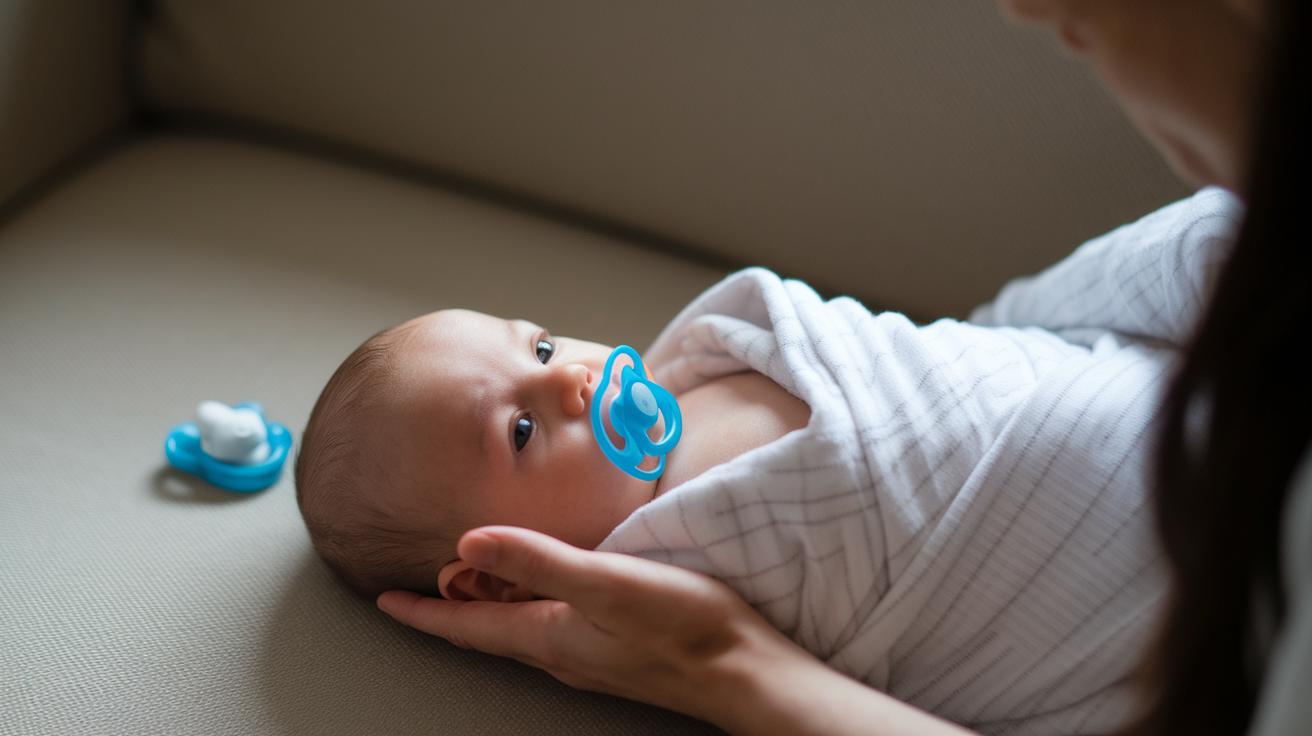
Sometimes after a meal, your little one might still be upset and need that extra cuddle. One simple way to ease their discomfort is by trying a few soothing techniques. For example, you can try swaddling them snugly, holding them on their side or tummy, softly shushing, or gently swinging them. Some babies even find comfort in sucking on a pacifier. And occasionally, the calming effect of soft white noise or a gentle bouncing can do wonders too.
Every baby is unique, so it’s all about finding what works best for your child. Maybe a tight swaddle or a quiet shushing sound will bring that precious smile. Think of it as reading their little cues, if one method makes a tiny change, you’re on the right path. Feel free to mix and match until you discover the perfect combination for your baby’s comfort.
Keep an eye on your baby’s reactions as you try different techniques. Notice if their fussy moments start fading away and those happy smiles begin to shine through. It might take a few gentle tries before you unlock the secret to their calm, but each attempt is a step closer to understanding their needs. With love, patience, and your natural intuition, mealtime can become a peaceful, joyful time for both of you.
When To Seek Medical Advice For Post-Feed Crying In Newborns
If you’ve noticed your baby crying a lot after feeding and it feels more intense than usual, it might be time to take a closer look. When your little one cries for more than three hours a day, especially if they’re under three months old, it could be a sign of colic. You might also see other concerns like projectile vomiting, blood in the stool, slow weight gain, or even just a constant feeling of irritability. These aren’t just typical fussiness, they might be hints from your baby that something more is going on.
When you’ve tried the usual soothing methods and some tweaks during feeding don’t seem to help, it’s a good idea to talk to a healthcare provider. Chatting with a pediatrician or a lactation consultant can really clear things up. They can help figure out if there’s an underlying issue causing your baby’s discomfort and share advice that’s just right for your situation. Trust your gut when it comes to your baby’s well-being, a little extra support can go a long way in easing both your baby’s discomfort and your own worries.
Final Words
In the action, we explored why a newborn cries after feeding. We looked at tummy troubles like gas and reflux, talked about feeding methods, and shared gentle ways to soothe your baby.
We even touched on hints for when a visit to the doctor might be a good idea. Each tip is a little step toward making mealtime and moments after more calm and cozy. Enjoy the smiles and quiet moments that follow a peaceful feeding time.
FAQ
Q: Why does my baby cry after feeding if they still seem hungry?
A: The baby crying despite a feed often signals that they may need more time or a fuller feeding. This could be due to a slow feeding pace or a need for extra comfort during meals.
Q: What causes baby discomfort after feeding at night?
A: Baby discomfort after a nighttime feed can result from reflux or gas buildup. Adjusting feeding positions and gently burping your baby can help ease their discomfort for a better night’s sleep.
Q: Why might a newborn cry after feeding with either formula or breast milk?
A: Newborn crying after feeding on any milk can indicate issues like food sensitivities, an unsuitable formula, or poor latch. Observing their cues and checking feeding techniques may help reduce their distress.
Q: How do I soothe my fussy baby after feeding and burping?
A: Calming a fussy baby post-feed can be achieved with gentle techniques like swaddling and soft rocking. Using a soothing voice and slight bouncing might also help your little one feel safe and calm.
Q: What does it mean when my baby cries and spits up after feeding?
A: When a baby cries and spits up, it often points to reflux or trapped air. Reviewing your burping methods, such as proper techniques for burping a newborn, can provide relief and reduce post-feed crying.
Q: Why isn’t my baby settling after a feed?
A: A baby that doesn’t settle may be experiencing discomfort from gas, reflux, or an incomplete feed. A careful look at feeding positions and burping strategies can be beneficial to help them feel more at ease.
Q: What does a colic cry sound like?
A: A colic cry typically sounds intense and high-pitched, often lasting for long periods. This type of cry, common in infants under three months, suggests persistent discomfort and may need further observation.
Q: Why does my baby cry in pain after eating?
A: Crying in pain following a meal can indicate digestive discomfort from reflux or food sensitivities. Monitoring feeding methods and consulting a pediatrician can help address and relieve your baby’s distress.