
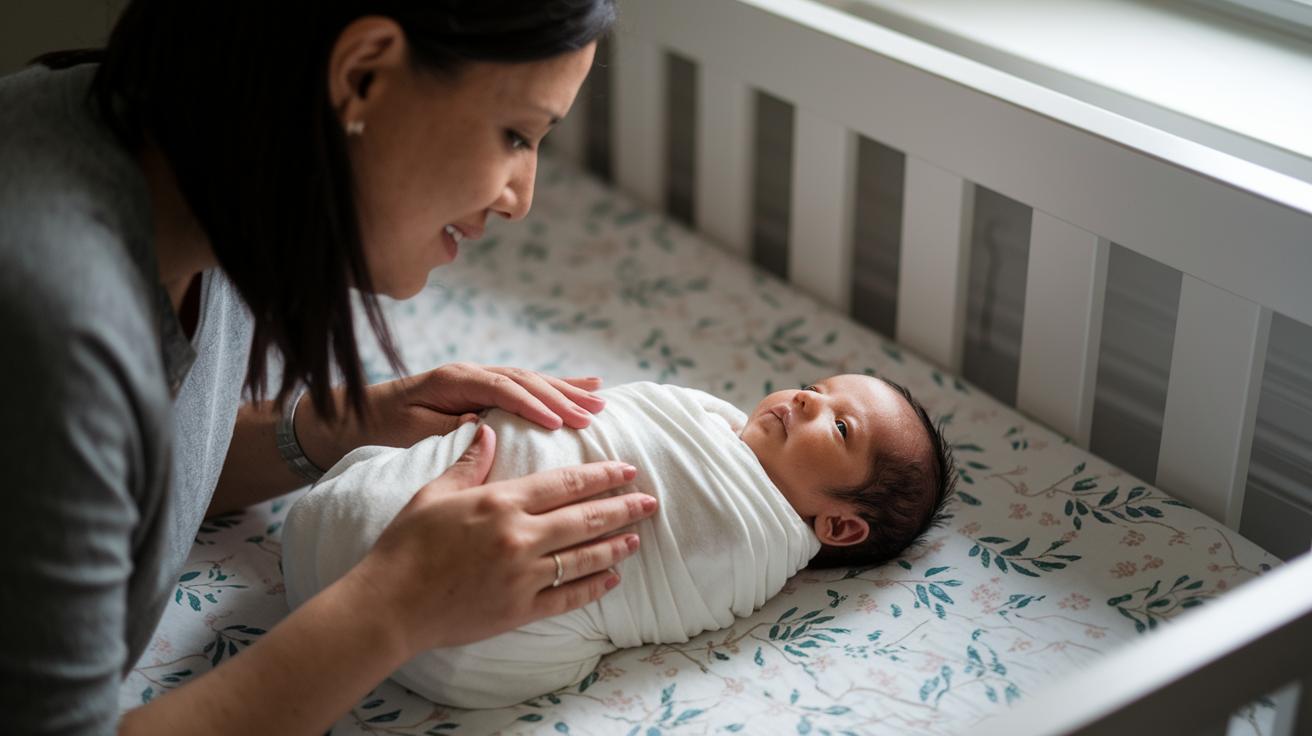
Ever found yourself wondering if keeping an eye on your newborn’s little health hiccups might be simpler than it seems? Sometimes those tiny signs, a quiet little grunt or a soft change in your baby’s blush, can feel like a secret message. We’re here to share easy, clear tips that help you spot early signs such as changes in breathing or a low fever. Our goal is just to give you a bit more peace of mind, knowing you’re well-equipped to care for your little one during those delicate, precious moments.
Recognizing Common Newborn Illnesses for New Parents

When it comes to your newborn's health, spotting the early signs is really important. For example, about 10% of newborns might have trouble breathing because they don’t have enough of a lung substance called surfactant. You could hear fast breathing or even a soft grunting sound when your baby exhales – like a gentle whisper saying, "I need help."
Another common issue is hypoglycemia. This happens when a baby’s fuel, or glucose, is lower than it should be. It’s more likely in preterm babies, those with low birth weight, or babies born to diabetic moms. If you notice your little one seems a bit jittery or unusually fussy after a feed, it might be worth mentioning to your doctor.
Sepsis is a serious condition that can come on quite suddenly from a bloodstream infection. Even though it’s rare, its quick onset means that a sudden fever or a bout of sleepiness isn’t something to ignore. Always trust your gut – if something feels off, get your baby checked as soon as you can.
Jaundice is another condition many babies experience, showing up as a soft yellow tint in the skin and eyes. It’s seen in many full-term infants and even more so in preterm ones. If you notice your baby’s skin slowly changing color, it’s a good idea to bring it up at your next check-up.
There’s also birth asphyxia, a condition where the baby doesn’t get enough oxygen during birth. You might see signs like a lack of responsiveness shortly after birth, which can be very concerning.
Newborns can also pick up common infections like colds, the flu, RSV, or even stomach viruses – especially when the weather turns cool. Keeping a little checklist of these signs can help you catch any changes early, so you can reach out for help when needed.
Fever Control and Safe Antipyretic Use in Infants
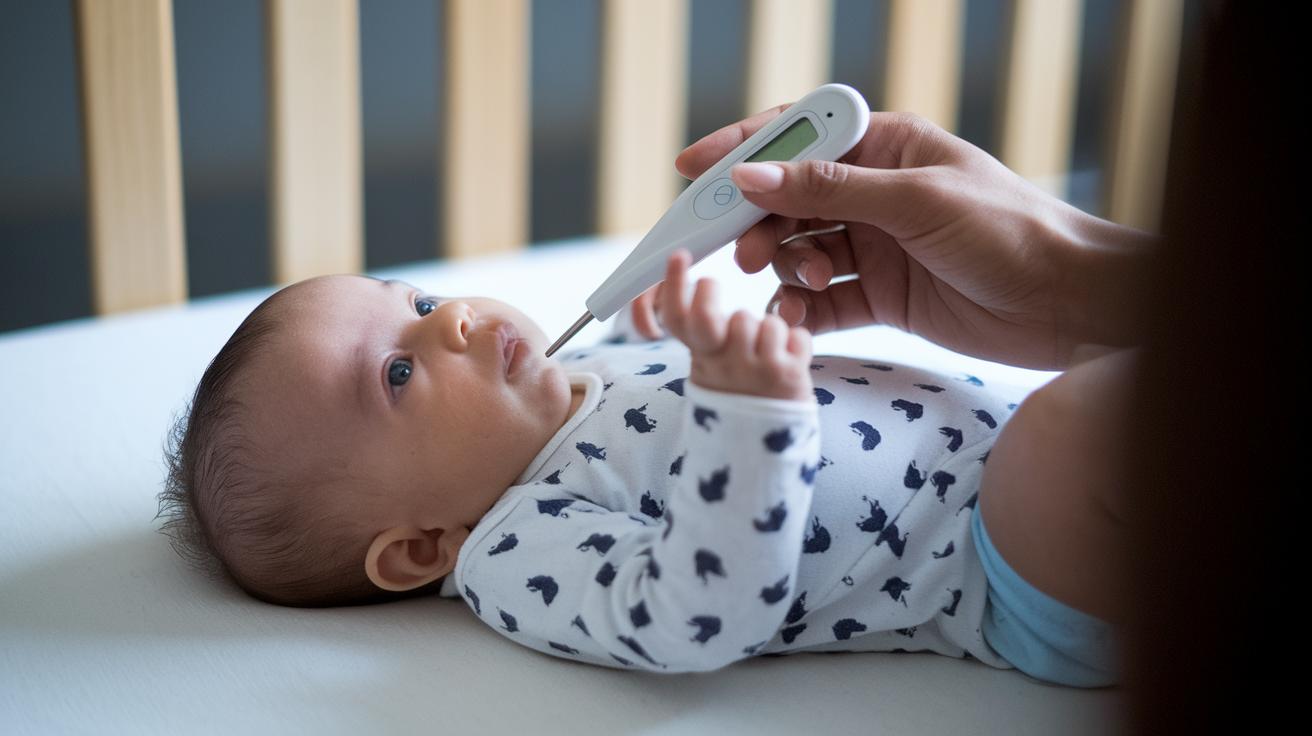
Fever means your little one’s temperature is over 100.4°F, and most of the time, an infant’s fever will last just 2–3 days. The first step is always to get an accurate temperature reading. For babies up to three years old, a rectal thermometer works best. I remember gently slipping in the thermometer and quickly checking the reading, it really helped me decide on the next steps.
When it comes to medicine, using fever reducers safely is very important. Acetaminophen is okay from birth, while ibuprofen becomes an option once your baby is over six months old. Always measure the dose based on your baby’s weight, it’s a bit like following a trusted recipe where every drop counts. You can check a pediatric dosing chart from your doctor or find it on the medicine label.
Keeping your baby well-hydrated is another key part of taking care of a fever. Offer breastmilk, formula, or an unflavored pediatric electrolyte solution often. Just a heads-up: for infants younger than six months, plain water won’t give them the nutrients and minerals they need.
This guide is here to help you feel confident about checking temperatures, spotting when a fever may be getting worse, safely giving the right dose of medicine, and keeping your little one hydrated. You’re doing a wonderful job, and every step you take shows how much you care.
Easing Respiratory Distress and Congestion in Newborns
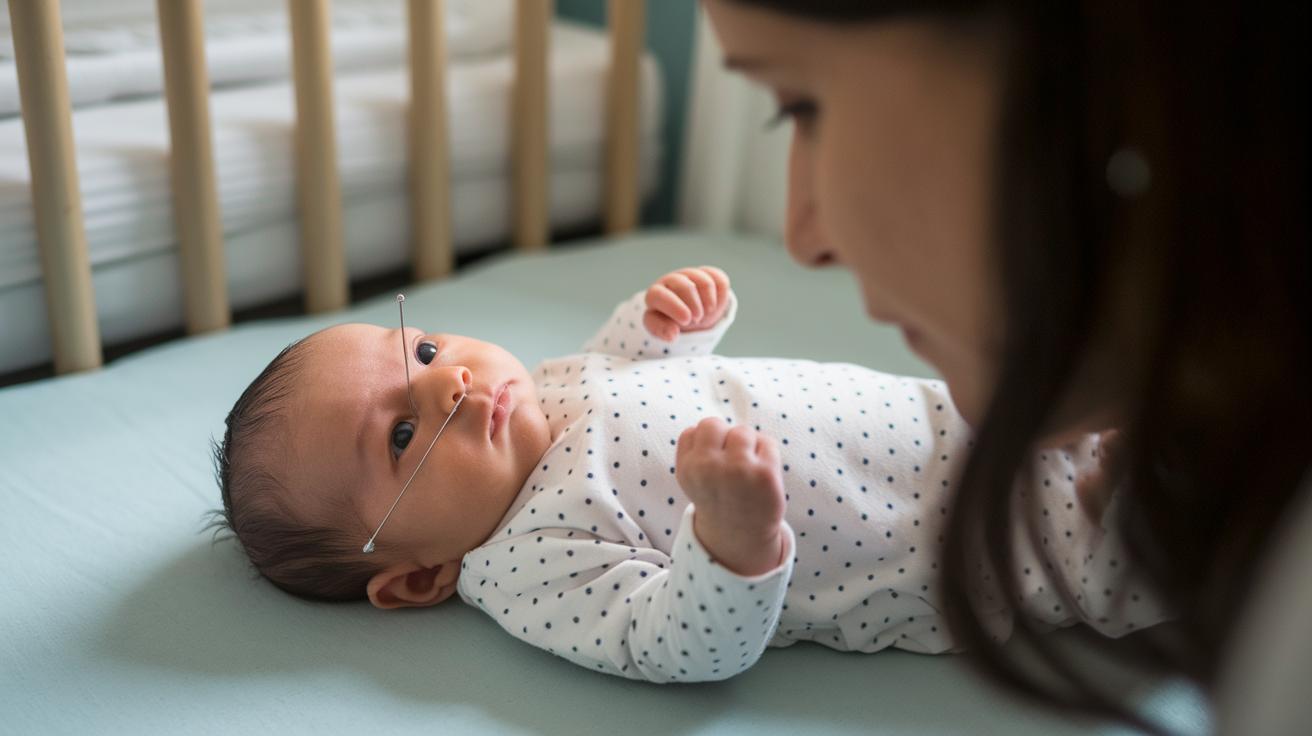
Many parents face worries when their little one has trouble breathing. Premature babies, for example, can have underdeveloped lungs and less surfactant to help keep their airways open. Sometimes this means extra oxygen support or a gentle CPAP may be needed. It’s important to watch your baby closely, if you notice quick, shallow breaths or even a soft grunting sound, it might be time to offer some extra care.
Colds and upper respiratory infections can also be concerning. Your baby might have a runny nose for a week or two, and sometimes a cough lingers a bit longer. Simple steps can help ease this congestion. Try using saline drops to loosen mucus, a gentle bulb suction to clear the nose, or even a cool-mist humidifier to keep the air soft and moist. These easy methods can make your little one a bit more comfortable.
RSV is another condition to keep an eye on, especially for babies under six months. It can sometimes move quickly to bronchiolitis or pneumonia if not attended to. Look for signs like fast breathing, blue-tinted lips, or persistent grunting. While maternal antibodies do offer some protection during the first couple of months, it’s always best to follow respiratory support guidelines right away if you notice any worsening symptoms.
Addressing Digestive Upset, Colic, and Jaundice in Babies

Watching your baby struggle with tummy troubles can feel so overwhelming. When your little one experiences discomfort from digestive issues, you might notice signs like vomiting, diarrhea, or extra fussiness. In these moments, offering small, frequent feeds of breastmilk, formula, or an unflavored pediatric electrolyte solution can help keep them hydrated, almost like gently refilling their fuel throughout the day.
Colic can be especially hard on both you and your baby. When those crying spells stretch beyond three hours in infants under three months, it can leave you feeling helpless. Simple remedies like a soft swaddle, playing quiet white noise, or holding your baby in a tummy hold can create a calming, cozy feeling, almost like a gentle, familiar lullaby that soothes their discomfort.
Jaundice is another common worry where you might notice a light yellow tint to your baby’s skin or eyes. Around 60 to 80 percent of newborns experience this because their liver isn’t fully ready yet. Keeping an eye on these changes and talking about them during check-ups can make all the difference.
Remember, quick observation and a caring routine go a long way when it comes to managing these common challenges. You're doing a wonderful job by staying attentive and offering comfort when your little one needs it most.
Preventative Strategies and Infection Control for Newborn Health

Creating a safe space for your little one starts with thoughtful preparation. Keeping those immunizations up to date is one of the easiest ways to protect your baby from common bugs. It’s like giving your baby a gentle shield that helps ward off illnesses and keeps them smiling.
Regular well-baby checkups are more than just appointments, they’re friendly catch-ups that let you and your pediatrician see how your baby is growing. I always find comfort in these visits, as they help spot any tiny issues before they grow. And during cold or busy seasons, consider inviting only a few dear friends for quick visits instead of big get-togethers. That way, your baby enjoys the extra love without too much extra risk.
Good hand hygiene is another small act that pays big rewards. Washing your hands before feeding or handling toys can cut down on germs significantly. Think of it as a simple cleaning routine: a little wash, a rinse, and a quick sanitizing keeps everything safe for your baby every day.
Regular checkups help you keep a gentle watch over your baby’s growth. They’re a chance to chat about any concerns and fine-tune your care plans along the way. Here are a few ideas to remember:
- Review immunization records
- Schedule regular pediatric visits
- Keep every space your baby touches nicely clean
By taking these caring steps, you’re building a nurturing, healthy environment for your baby. Every little act, from a careful clean to a friendly visit, adds up to a secure, loving world for your child.
Emergency Warning Signs and When to Seek Professional Care

As a caring parent, it’s important to keep an eye on your baby for any signs that might need quick attention. If your little one develops a fever, even a slight one, or seems more tired than usual and isn’t feeding well, these could be early signals of something serious like sepsis. Imagine a tiny heart beating a bit too fast; when that happens alongside vomiting or diarrhea, it’s a gentle reminder to call your pediatrician right away.
Also, be alert for breathing troubles. If your baby is consistently grunting, struggling for breath, or even showing a faint blue tint around the lips, these are signs to act quickly. Sometimes, you might even notice unresponsiveness or clear signs of dehydration. In those moments, every minute counts.
- A high fever lasting more than three days
- Visible signs of dehydration
- Unresponsiveness or seizures
Trust your instincts. If any of these signs pop up, don’t hesitate to reach out to a healthcare professional who can provide the support your baby needs.
Final Words
In the action, we covered key signs of common newborn illnesses and practical ways to ease your concerns. We talked about spotting early sickness cues, safe fever control, easing breathing issues, soothing digestive upset, and infection prevention to keep your baby comfortable and safe.
By following these tips, you can feel more confident in managing common newborn illnesses for new parents. Every gentle, informed step helps keep your little one secure and thriving.
FAQ
Q: Family member sick around newborn what to do
A: The guidance for having a sick family member around a newborn means keeping the sick person away and practicing good handwashing to protect your baby’s developing immune system.
Q: What are the guidelines for visitors around a newborn, including rules for grandparents and others?
A: The guidelines for visitors recommend limiting visits—often up to 6 weeks per CDC advice. Visitors should be healthy, practice good hygiene, and wear a mask if needed to protect your little one.
Q: When can visitors see a newborn in the hospital?
A: The rules for hospital visitors mean that early visits are usually restricted to parents and a few designated family members until the baby is stable and infection risks are lower.
Q: What is known about a 1-month-old baby’s immune system?
A: The understanding of a 1-month-old baby’s immune system is that it is still developing and relies mainly on maternal antibodies, making it important to limit exposure to germs.
Q: How long can a pregnant woman visit a newborn baby?
A: The advice for a pregnant woman visiting a newborn means keeping visits brief and consulting with healthcare providers to ensure that both the baby and the visitor remain safe.
Q: What do the 5-5-5 rule, 5-8-5 rule, and 40-day rule for newborns mean?
A: The explanation for these rules is that they suggest limiting the number and duration of visits to protect your baby’s sensitive immune system, especially during the early days. Check with your doctor for the best approach.
Q: Should I wear a mask around my baby if I’m sick?
A: The recommendation for mask use means that if you are sick, wearing a mask around your baby is a smart step to help reduce the risk of passing on germs during your illness.