

Have you noticed your baby's sleep turning from peaceful to a night full of surprises? It can feel a little confusing or worrying when one night melts into the next with unexpected wake-ups. But don’t worry, these changes are a normal part of growing up. They mean your little one is learning and exploring new skills even while they sleep. In this article, we chat about how these shifts might seem challenging now but are paving the way for smoother, more restful nights ahead for both of you.
Understanding infant sleep regression
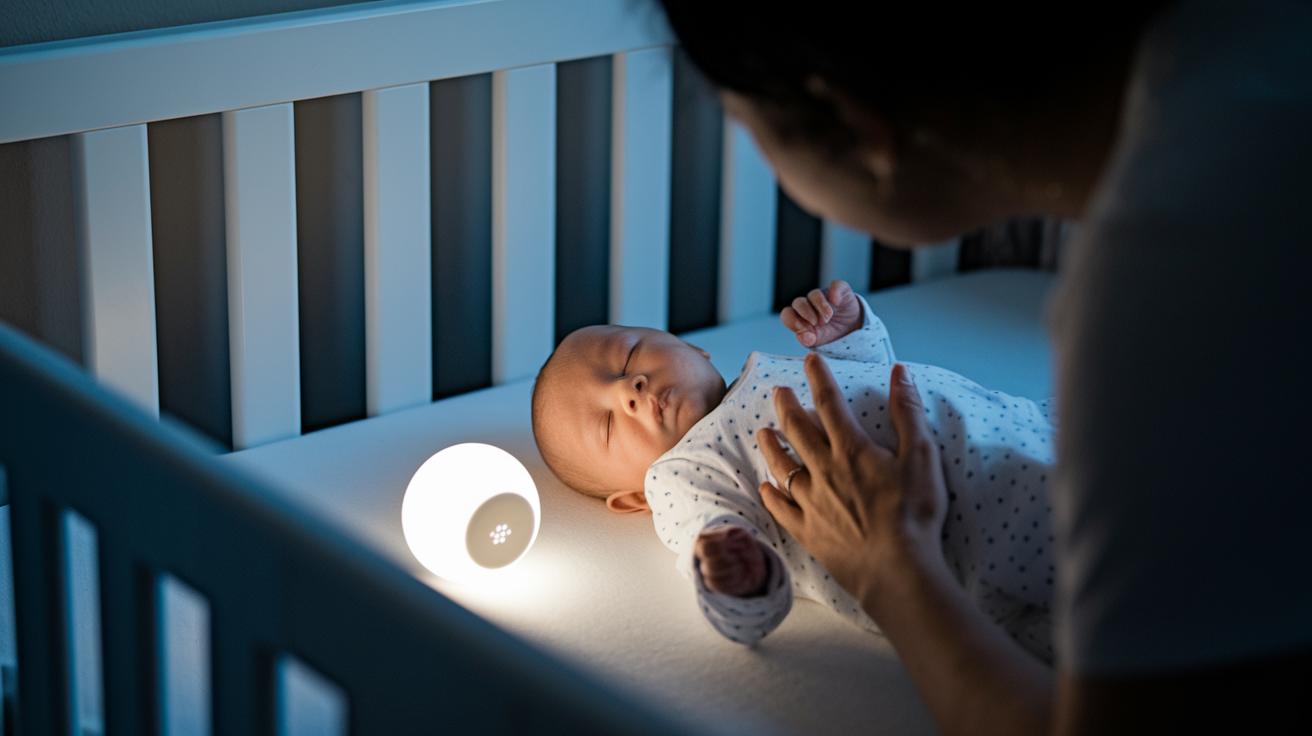
Sometimes, your baby’s peaceful sleep routine can suddenly change, leaving you wondering what’s going on. This phase, called sleep regression, may bring more nighttime wake-ups, shorter naps, and extra fussiness at bedtime. One moment your little one drifts off sweetly, and the next, they’re waking up every 45 minutes, as if they’re busy learning a new skill even while asleep.
It might feel really tough, and yes, it’s a lot to handle. But remember, these changes are a normal part of growing up. Your baby is busy developing and learning, and even though it seems like a setback, it can actually mean they’re making progress.
Usually, these sleep regressions last only one to two weeks if you stick to a calm, consistent bedtime routine. This change is different from other sleep issues, like those caused by teething or a little cold, which might only disturb sleep for a day or two. So when you suddenly see a shift in your child’s sleep patterns, take a deep breath. It’s just a phase tied to their growing brain and changing body. With a soothing routine, your baby will soon start settling into a smoother sleep pattern again.
Infant sleep regression: Better Rest Awaits
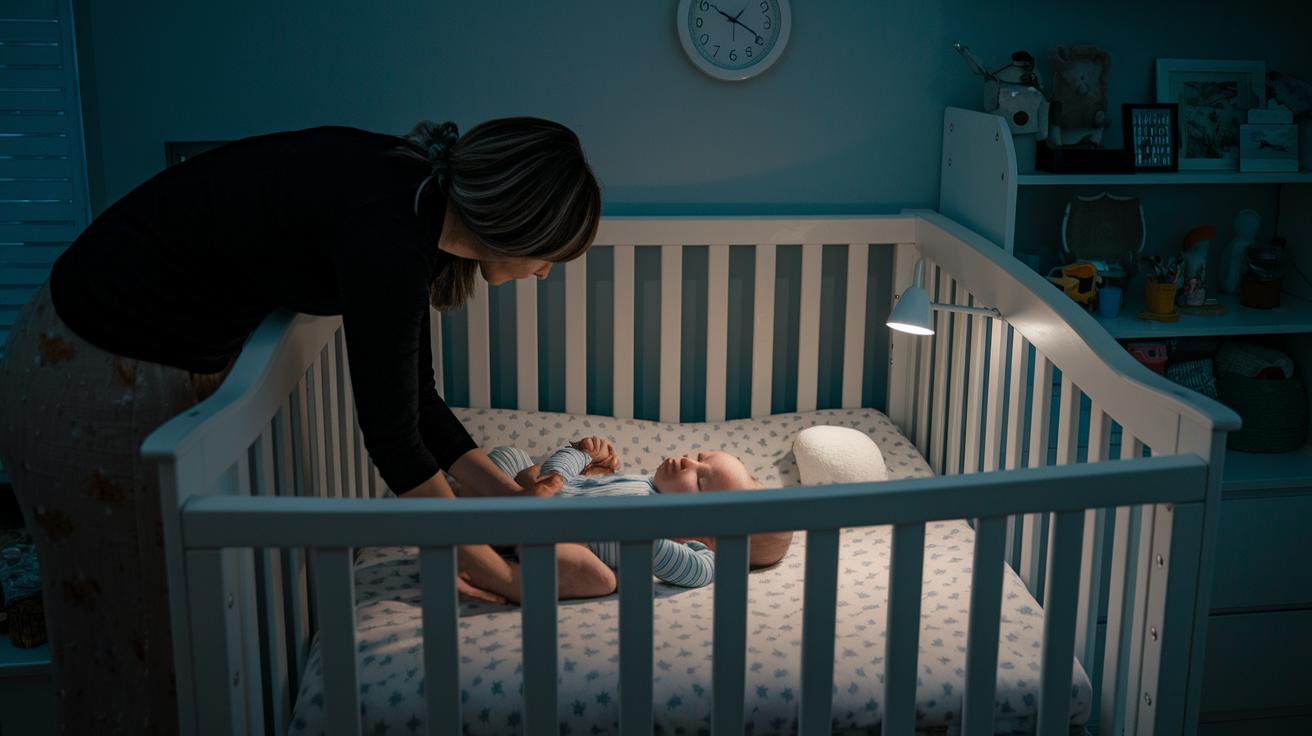
As your little one grows, their sleep patterns naturally change. You might notice that their naps get shorter or that they wake up more often. These shifts are all part of hitting new developmental milestones. When you know what to expect, it becomes a bit easier to adjust your routines and offer extra comfort during these transitions.
| Age | Common Signs | Typical Duration |
|---|---|---|
| 2 Months (8 Weeks) | Early sleep-cycle changes, brief naps, more wake-ups | 1–2 Weeks |
| 4 Months | The shift from short sleep cycles to full awakenings | Several Weeks |
| 6 Months | Nighttime ups and downs due to new solid foods | Could last longer than 2 Weeks if routines vary |
| 8 Months | More frequent night wakings as baby practices crawling and standing | Usually short-term |
| 12 Months | Moving from two naps to one, rejecting naps, and resisting bedtime | Temporary adjustments |
| 14 Months | Increased bedtime worries and early risings; signs of growing independence | A brief but clear phase |
Each stage plays its part in your child’s overall development. Every baby is unique, so while many show similar signs, your little one might experience these changes in their own way. Keep an eye out for any patterns that might mean they need a bit more comfort or a small change in routine. Warm moments like these remind you that you’re right there, helping them feel safe and secure as they grow.
Recognizing signs of infant sleep regression

When you start tracking your baby's sleep habits, it becomes easier to adjust bedtime routines for extra comfort. You might notice your little one seems a bit more restless during changes in sleep patterns.
- Sometimes your baby wakes up more often than before, interrupting longer stretches of sleep.
- Naptime during the day might be noticeably shorter than what you're used to.
- Bedtime can turn into a struggle if your baby feels extra fussy when it's time to sleep.
- You might see a clear difference between how your baby sleeps during the day versus at night.
- There might be a greater need for soothing, like gentle rocking or extra cuddles.
- Your baby may take longer to fall asleep, signaling a shift in their sleep cues.
Noticing these gentle hints early can help you tweak routines just a little so your baby feels loved, secure, and ready for a good rest.
Common causes of infant sleep regression

Sometimes your little one's sleep changes as they hit exciting new milestones. Their tiny brains are busy growing and learning, and new skills like rolling, sitting, or crawling can even make them wake up as they adjust. It’s perfectly natural for these developmental leaps to bring a few restless nights while your baby explores these fresh abilities.
Physical shifts can also stir up sleep troubles. When a growth spurt hits, your baby might feel hungrier and need more nighttime feeds. Teething can add to the discomfort too, with a bit of pain or irritation that lasts for a couple of days. These short-term needs are different from the longer sleep disruptions that come with all that learning.
Emotions play a part as well. As your baby becomes more aware of the world, they might start feeling uneasy when you’re not close by. Between eight and fourteen months, many babies become extra clingy and may fight bedtime a bit more. This extra need for comfort is a natural part of their growing sense of security, reminding you that they're learning to feel safe and loved.
infant sleep regression: Better Rest Awaits

When your little one goes through sleep regression, try putting them in their crib while they’re still drowsy but awake. This gentle step teaches them to settle on their own and builds a comforting bedtime routine. Keeping bedtime steady between 7:00 and 8:00 pm and matching naps to their age helps create a predictable schedule. One caring parent said, "I was amazed when my baby began falling asleep on her own after we set up our new routine."
Adjusting daytime activities is just as important. When your baby is awake, let them explore new physical and mental skills with simple, playful exercises. This fun daytime play helps ease nighttime challenges and shows your little one that every part of the day has its own gentle rhythm.
A little soothing can work wonders at night. Soft patting and a quiet shushing sound can help your baby drift back to sleep without fully waking up. Such tender techniques create a peaceful sleep space and often mean fewer full pick-ups, giving your little one the reassurance they need to rest deeply.
For those looking for sleep coaching without tears, try slowly reducing your presence as your baby falls asleep. Gradually cutting back on physical contact over several nights gives your baby the secure space to learn self-soothing, all while keeping that loving connection intact.
You might also consider a light-touch approach to sleep training. Instead of rushing to respond to every small stir, let your little one have a few moments to settle on their own. This calm, consistent routine builds a serene sleep environment for both baby and parent, paving the way for better sleep habits over time.
Designing an ideal sleep environment for infant sleep regression

Keeping your baby's room at the right temperature can make a world of difference. Try to maintain a cozy atmosphere between 68°F and 72°F. Blackout curtains can gently block out bright light, and a white-noise machine running on a low, steady volume creates a soft, comforting hum that helps lull your little one to sleep. This calm setup minimizes disturbances so your baby can rest peacefully.
Safety is always a top priority when it comes to bedding. Choose a firm mattress and keep the crib free of pillows, loose blankets, and soft toys. A neat and uncluttered crib not only creates a secure sleep space but also helps prevent overheating. For more trusted tips, you might check out the safety essentials for baby nursery.
A reliable baby monitor is a must-have so you can keep a loving eye on your baby without interrupting their sleep. With the right monitor, you can easily check in on your little one even during their deepest slumbers. Be sure to explore options like the best baby monitor to find the perfect fit for your family.
When to consult a professional for persistent infant sleep regression

If your baby's sleep troubles last more than three weeks or come with worrying signs like weight loss or sickness, it's a good idea to call your pediatrician. These signals might be more than just a normal sleep slump, and a check-up can help put your mind at ease.
If your trusted bedtime routines no longer work and you start to feel overwhelmed, consider talking to a certified sleep specialist. They can suggest simple, personalized tweaks that help your baby sleep better, and that means better nights for you too.
You might also feel supported by connecting with other parents online. Community forums and support groups offer real advice and shared experiences, reminding you that you're not alone on this parenting journey.
Final Words
In the action, we explored how infant sleep regression brings temporary changes in sleep routines and found that gentle strategies can help ease these transitions. We looked at recognizing signs, understanding developmental triggers, and creating a safe sleep environment. Small, consistent steps can guide your little one back to steady rest. Remember, infant sleep regression is just a phase, and with a caring routine, better nights are on the horizon. Enjoy the progress and know that every peaceful moment matters.
FAQ
What ages and stages do babies experience sleep regression?
Infant sleep regression often shows up around 2, 4, 6, and 12 months. These stages mark shifts in sleep patterns as your baby grows and reaches new milestones, though every baby is unique.
What is the 5-3-3 rule for babies?
The 5-3-3 rule helps guide baby sleep by suggesting wake times and nap lengths that promote better rest. It’s a simple framework to shape a balanced daily sleep schedule.
How can I tell if my baby is going through sleep regression?
Baby sleep regression signs include more frequent night wakings, shorter naps, and extra fussiness around bedtime. These changes signal that your little one is adjusting to developmental growth.
What should I not do during sleep regression?
It’s best not to disrupt your baby’s routine or respond with sudden changes. Avoid creating habits like prolonged rocking or inconsistent soothing methods, which can make it harder for them to settle on their own.