
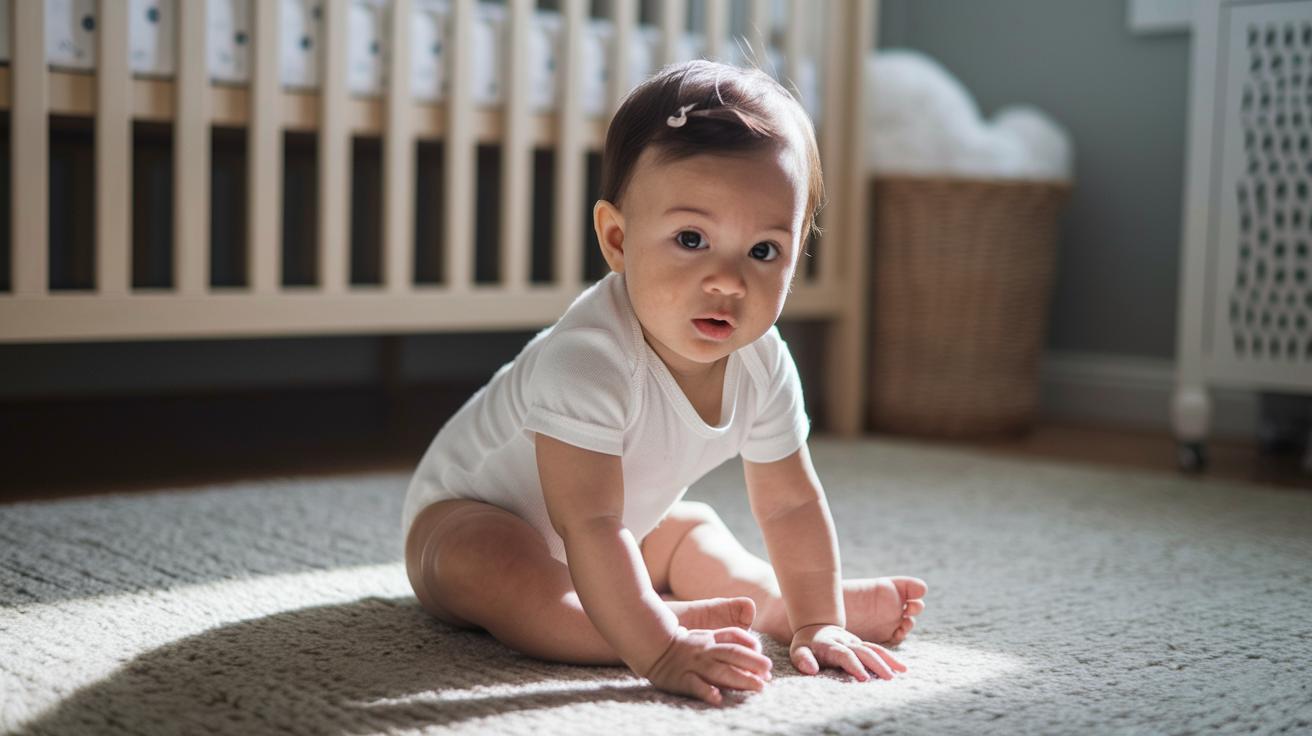
Have you ever wondered if the everyday baby outfit might be hiding something your baby's delicate skin can’t handle? In our busy world, it’s so comforting to know that choosing organic baby clothes means avoiding hidden toxins. These natural outfits are made without harsh chemicals, so they feel as gentle as a cozy hug from nature.
I know you care deeply about keeping your little one safe and comfy. In this post, I’m excited to share some simple tips to help you pick chemical-free outfits that are perfect for your baby's sensitive skin.
Ensuring Safe Organic Baby Clothes: Key Criteria

Organic baby clothes are made without harsh chemicals that might upset your little one’s delicate skin. A baby’s skin is much thinner than an adult’s, which means it soaks up substances faster. Choosing clothes grown in a natural, careful way is like wrapping your child in a gentle hug from nature.
These are the key things to look for:
These points help protect your child from risks found in regular fabrics. For instance, regular cotton might use lots of pesticides, leaving behind traces even through many washes. By steering clear of such fabrics, you help keep away unwanted chemicals.
When you choose organic baby clothes that check these boxes, you’re not just picking a cute outfit. You’re choosing to protect your baby with a safe, nurturing garment that feels soft, pure, and full of care.
How to Choose Certified Organic Fabrics in Baby Clothing
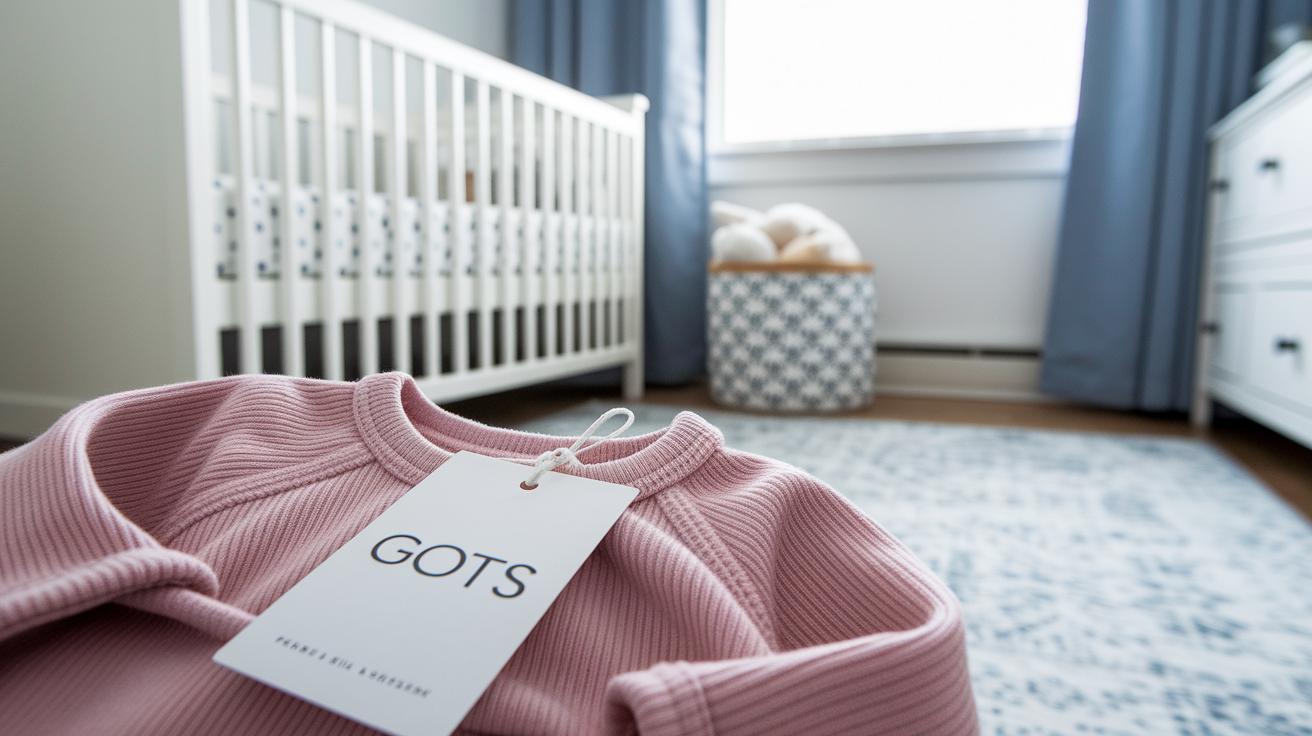
Certifications show you that a baby outfit was made with the utmost care from beginning to end. They tell us that every step, starting with how the fiber is grown and ending with the final tag, has met high safety standards. For example, a GOTS certificate proves no harmful chemicals touched the fabric along the way. This gives you peace of mind knowing your baby’s sensitive skin will only meet fabrics that have been carefully monitored.
| Certification | Scope | What It Guarantees |
|---|---|---|
| GOTS | From fiber harvest through finished label | No toxic chemicals used in production |
| OEKO-TEX Standard 100 | Finished textile products | Ensures tests show no harmful substances |
| USDA Organic | Crops grown for cotton | No synthetic fertilizers or pesticides applied |
Before choosing a garment, take a moment to look for these certification seals. That way, you can be sure your little one is wrapped in fabric that holds strict safety standards close to heart.
Comparing Organic Fabric Options for Safe Baby Wear

Every fabric has its own little story, one that helps keep your baby safe and cozy. When you pick the right material, you’re not only choosing something soft against delicate skin, you’re also supporting a healthier planet by reducing harmful chemicals.
Organic Cotton
Organic cotton is a favorite for many parents. It uses a lot less water than regular cotton and grows without synthetic fertilizers. This means it’s free from harsh pesticides and feels naturally soft on your baby’s skin.
Bamboo
Bamboo rayon feels incredibly silky and smooth. It’s a great pick if you’re looking for extra comfort. The trick is to make sure the bamboo is processed with gentle, low-impact methods so it stays non-toxic and just right for little ones.
Hemp
Hemp packs a real punch with its strength and breathability. Its sturdy fibers stand up to a busy day of play while keeping your child comfortable. Plus, thanks to its hypoallergenic nature, hemp is a smart choice for protecting sensitive skin.
TENCEL™ Lyocell
TENCEL™ Lyocell is made from sustainably sourced wood pulp. It’s produced in a closed-loop process where water and chemicals are carefully recycled. With excellent moisture-wicking ability, it helps keep your baby dry and comfy, making it a smart, eco-friendly option.
Choosing these fabrics not only adds a layer of gentle care for your little one, but it also means you’re making a kind choice for the world around us.
Identifying Harmful Chemicals in Conventional Baby Clothes
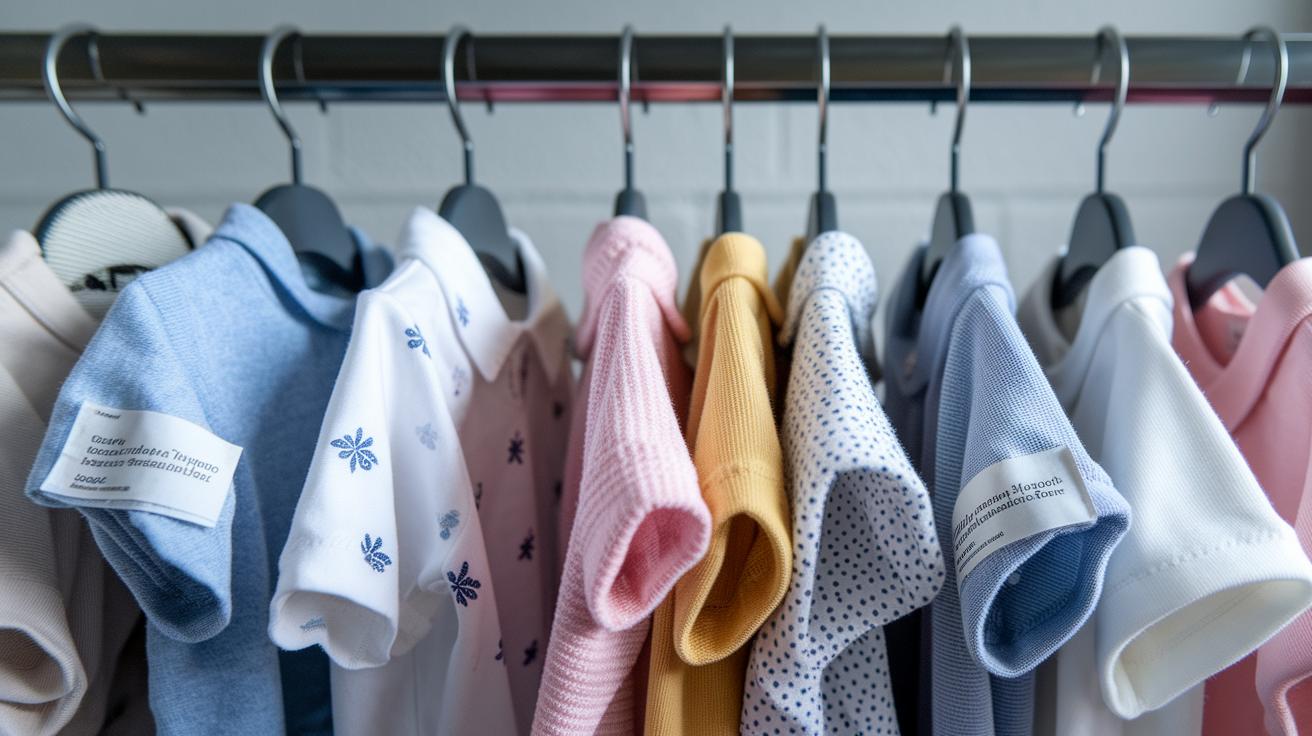
When it comes to regular baby clothes, the way they’re made can leave behind chemicals that aren’t so kind to your little one’s sensitive skin. Manufacturers use certain treatments to help fabrics repel stains or hold brighter colors. But guess what? Some of those chemicals stick around even after multiple washes.
For example, you might see PFAs on labels. These chemicals help keep stains away but can stay in the fabric and may not be easy to wash out. Then there are azo dyes, which give vibrant hues but can sometimes irritate your baby’s skin. And don’t forget about conventional cotton, which may have pesticide residues from its growing process. These chemicals can be absorbed through a baby’s delicate skin, raising concerns about long-term exposure.
As a parent, it’s important to read labels carefully. Look for tags that mention “no added PFAs” or “low-impact dyes.” Taking a little extra time can help you keep your baby’s clothes as safe and gentle as possible.
Smart Shopping Tips for Safe Organic Baby Clothes
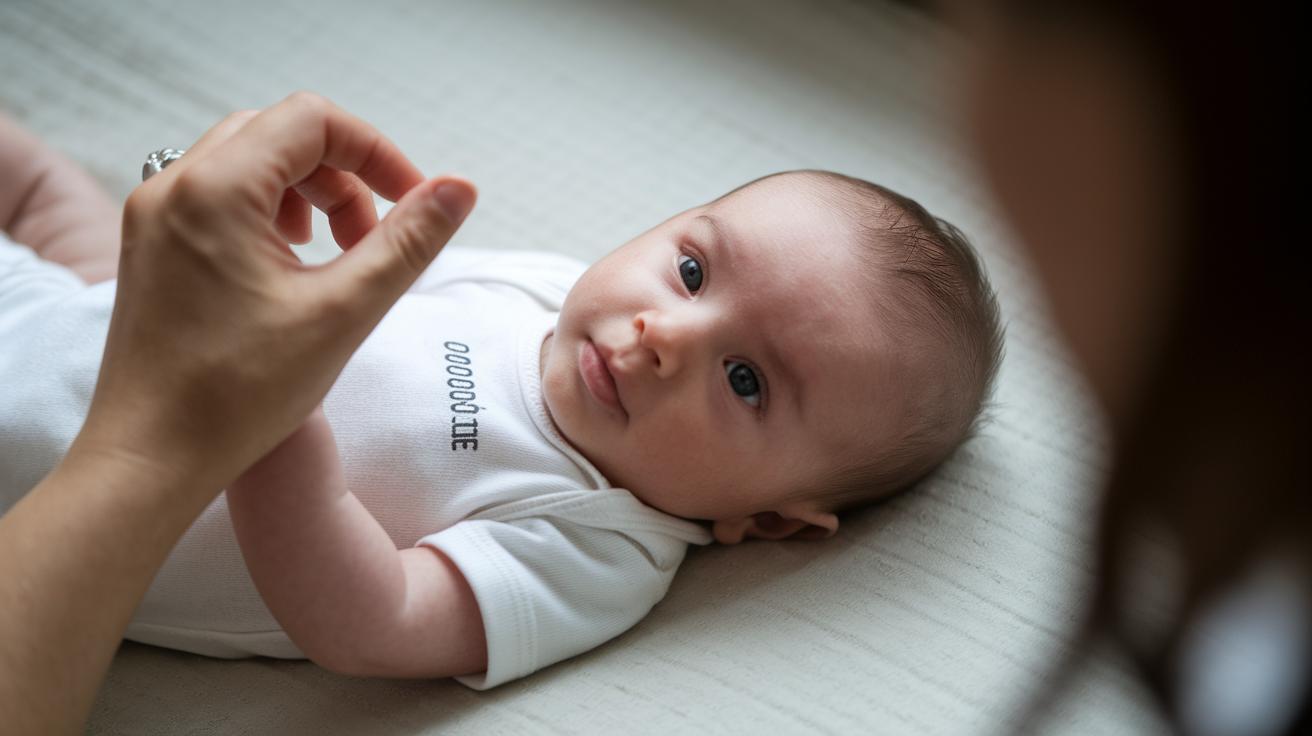
Every busy parent wants to balance style, safety, and a friendly budget. We all look for outfits that are adorable, easy to wear, and safe for our little ones without costing a fortune. For instance, Organic Cotton Newborn Onesies are a great pick. They grow with your baby and help keep costs in check.
Here are six simple tips to help you shop smart:
- Check for certifications by looking at labels for trusted seals. This confirms that the fabric is genuinely organic.
- Look for adjustable designs, like onesies with fold-over cuffs. They adapt as your baby grows and reduce waste.
- Choose neutral colors and classic styles that make hand-me-downs look charming and last longer.
- Shop with brands known for safe and eco-friendly production practices.
- Avoid extra trims or embellishments that may affect the fabric quality.
- Review return policies so you can shop with confidence, knowing you can return an item if it doesn’t meet your standards.
These ideas are practical and make it easy to build a wardrobe that cares for your baby’s sensitive skin. Washing organic fabrics in cool water with a gentle detergent helps keep them soft and safe through many washes. Each tip is a small step toward creating comfort and sustainability for your little one’s everyday wear. By following these smart shopping tips, you invest in your baby’s well-being as they grow.
Caring for Organic Baby Clothes to Maintain Safety
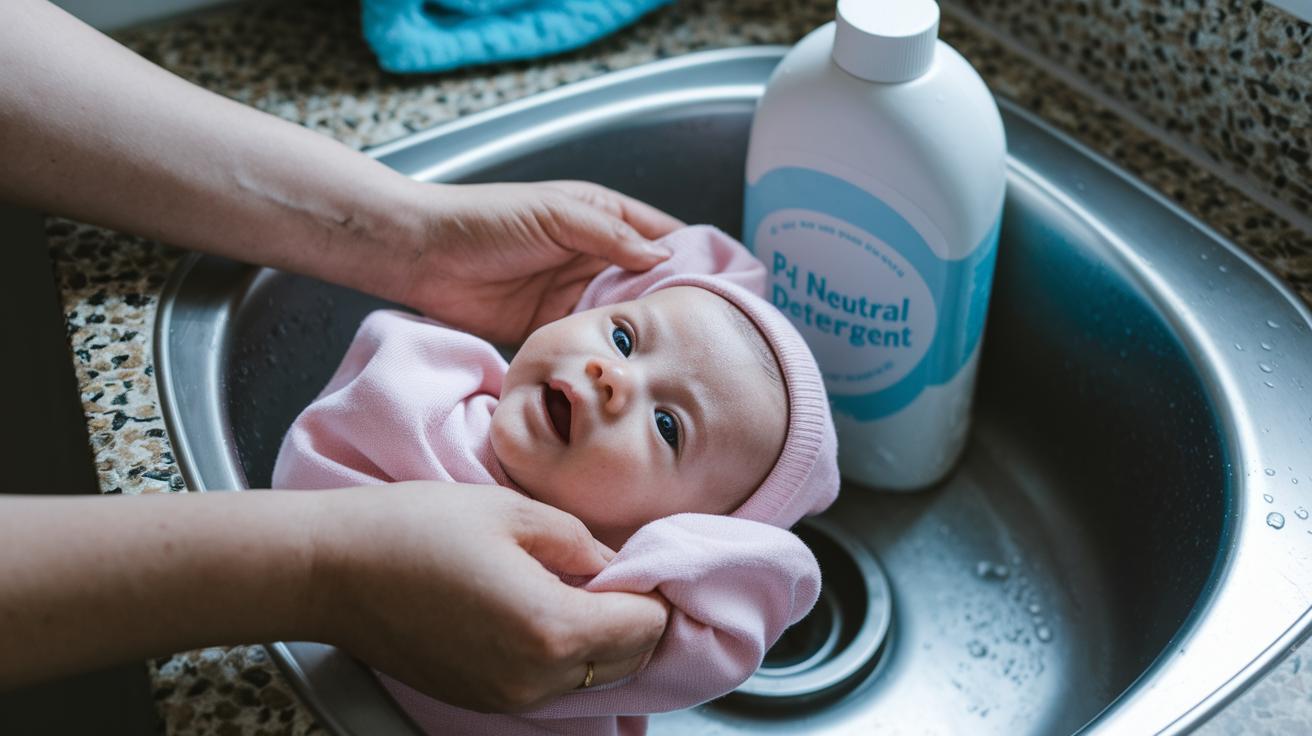
When you care for your baby's organic clothes, you're keeping them safe and naturally soft over time. Taking a little extra care during washing helps prevent any harsh chemicals from settling in, protecting your baby's sensitive skin. It’s really about ensuring that each outfit stays pure, gentle, and oh-so-soft.
For a simple routine, use a pH-neutral detergent and skip the bleach or fabric softeners that could hurt the fabric or add irritants. Think of organic cotton like a delicate story; treat it with cold water on a gentle cycle so its fibers remain comfy and intact. Bamboo pieces need extra love too, sometimes a hand wash is the best way to keep them in top shape.
After washing, let the clothes air-dry flat to avoid shrinkage, and store them in breathable cotton bags to keep moisture away. It’s a good idea to check your baby’s outfits regularly for any wear, stains, or signs that something might be off. These small checks help ensure that every garment stays as safe and pure as it was meant to be.
By following these simple steps, you’re not just keeping clothes clean, you’re creating a safe, loving environment for your little one every day.
Final Words
In the action of keeping our little ones safe, we explored how to choose safe organic baby clothes using clear criteria and trusted certifications. We looked at chemical-free dyes, non-GMO fibers, and fabric choices like organic cotton and bamboo to protect delicate skin. Smart shopping tips and gentle care routines also played a part in supporting overall well-being. Taking these steps can help you feel confident in your selection, leaving you with hope and positivity for your baby's bright future.
FAQ
How to choose safe organic baby clothes for girls and boys?
The process for choosing safe organic baby clothes involves looking for labels that confirm chemical-free dyes, non-GMO fibers, and verified organic certifications. This way, you protect your child’s delicate skin with truly safe options.
What defines luxury organic baby clothes?
Luxury organic baby clothes combine premium organic fibers with superior design. They offer soft, high-quality fabrics, crafted without harmful pesticides, making them a stylish, gentle choice for your little one.
What are some trusted non-toxic organic baby clothes brands, including options like Carter’s?
Trusted brands display clear organic certifications and transparency. Brands like Carter’s aim for non-toxic production by using hypoallergenic textures and minimal chemical processing to keep your baby safe and comfortable.
What distinguishes organic cotton baby clothes, especially those made in the USA?
Organic cotton baby clothes are grown without synthetic fertilizers or pesticides, ensuring chemical-free fabric. U.S.-made options often meet strict standards, promising quality construction and reduced irritant exposure for your baby.
What is the safest material for baby clothes?
The safest material is often organic cotton. Its cultivation avoids harmful chemicals, and its gentle, hypoallergenic texture makes it ideal for your baby’s sensitive skin while keeping irritants at bay.
Should I buy 0000 or 000 for a newborn?
The choice between 0000 and 000 depends on your baby’s size. Generally, 0000 fits smaller infants, so checking the brand’s size chart and considering your child’s growth is a smart move.
How can I tell if baby clothes are safe?
You can tell baby clothes are safe by verifying organic certifications and reading labels for chemical-free dyes and low-impact processing. Trusted brands provide transparent care instructions to help safeguard your baby’s skin.