

Ever wonder if your little one is sleeping just right? At around three months, most babies need about 14 to 17 hours of sleep each day. They tend to get most of that rest at night, with soft, waking hours filled with sweet naps.
Imagine a peaceful night where your baby drifts off easily, followed by daytime naps that bring gentle smiles and playful moments. It’s like the soft rustle of a cozy blanket on a calm evening.
In this post, we’ll share a simple guide to understanding those sleep hours, so you can feel confident in your baby’s sleep routine. After all, every little smile is a wonderful reminder of the love you share.
Understanding Total Sleep Hours for 3 Month Olds

At 3 months old, your baby generally needs about 14 to 17 hours of sleep every day, with most little ones settling into roughly 15.5 hours. This sleep usually breaks down into about 10–12 hours at night plus 3.5–5 hours during daytime naps. Imagine your baby enjoying a cozy 4-hour stretch at night, then taking several sweet naps during the day to round out the hours.
You might notice your baby following a little routine, with two or three daytime naps paired with a more extended sleep at night. Some babies might lean closer to 14 hours, while others could reach up to 17 hours, and that’s completely normal. If you're curious to see how these sleep hours add up, you could check out this helpful sleep schedule guide for 3-month-olds.
Keeping track of your baby’s sleep can be a great way to adjust daily routines and ensure they get the rest needed for healthy growth.
Daytime vs Nighttime Sleep Breakdown for 3 Month Babies

At three months, your little one begins a beautiful dance between playful alertness and peaceful sleep. In the daytime, sleep comes in three lovely naps. The morning nap, lasting about 30 to 45 minutes, offers a quick, refreshing pause. After a wakeful stretch of roughly 60 to 120 minutes rich with gentle play and soft cuddles, the longer midday nap of 1 to 2 hours lets your baby rest in a snug, safe space.
Later, a final nap in the late afternoon, again around 30 to 45 minutes, helps recharge for the evening. These daytime rests not only support overall growth but also help smooth the shift between bursts of activity and calm rest.
At night, sleep is equally essential. Your baby usually enjoys 10 to 12 hours of nighttime sleep. Early in the night, there might be a solid, uninterrupted stretch for 3 to 5 hours, followed by shorter bouts of sleep as the night goes on. Bedtime typically falls between 6 and 8 pm, striking a perfect balance between daytime fun and nighttime rest.
A steady sleep schedule brings comfort to both baby and parent, making daily transitions a little gentler and filled with extra peace.
Aligning Wake Windows and Feeds with 3 Month Sleep Patterns

At three months, babies usually stay awake for 1 to 2 hours between naps. This little window is perfect for gentle sensory play, cozy cuddles, or a brief tummy time session. It gives your little one just enough time to enjoy simple activities without feeling overwhelmed.
Watch for signs like a little yawn, rubbing eyes, or soft fussiness, they’re your cues that it might be time to start the sleep routine. A gentle hint, such as saying, "Your eyes are drooping, just like the sleepy sun over a quiet field," can make the transition smoother.
Feeding often goes hand in hand with naps at this age. Most babies at three months feed every 3 to 4 hours. By pairing a feeding with a calm, dim environment, you help your baby wind down and settle more quickly. Keeping a consistent routine between feeds, play, and naps can really match their natural rhythm. Over time, this routine helps extend nap lengths and leads to smoother transitions into a deeper, more restful nighttime sleep.
Establishing Consistent Sleep Routines for 3 Month Olds
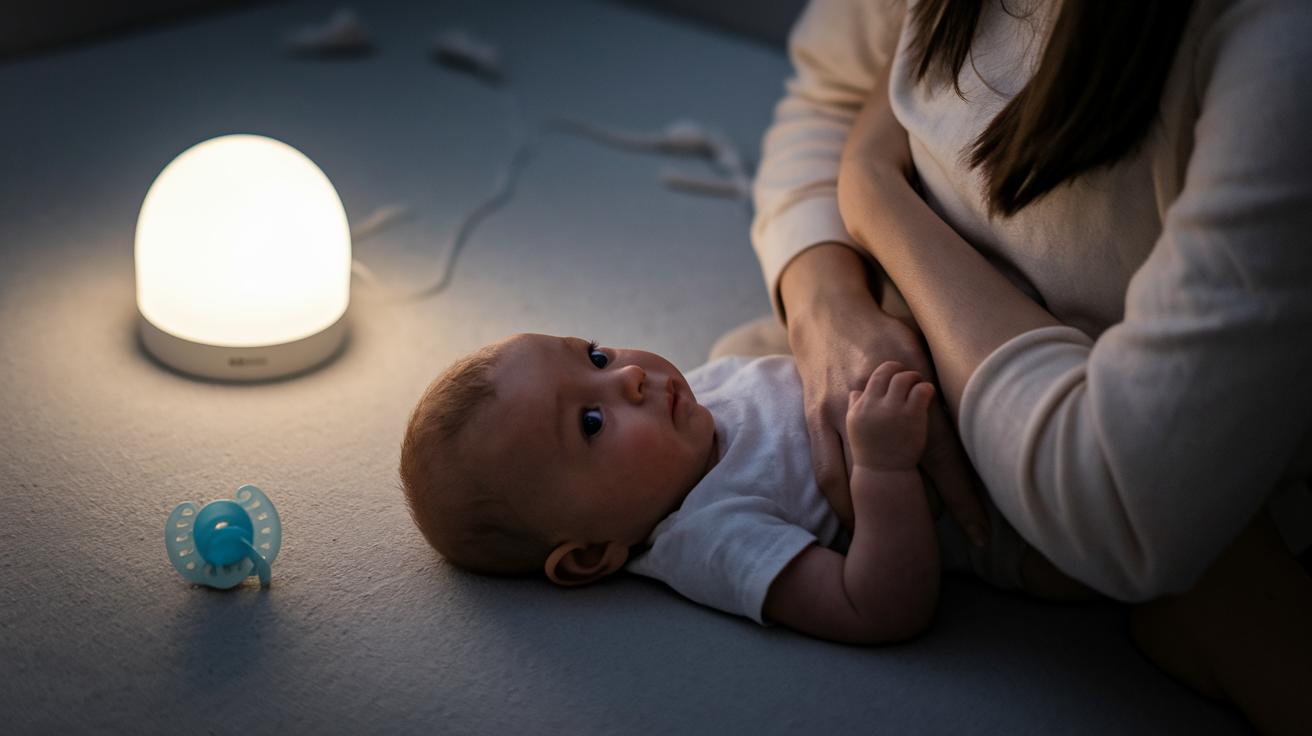
A peaceful sleep routine helps turn bedtime into a gentle, calming experience for your baby. Start with a regular wind-down ritual that includes quiet play, tender cuddles, and soft lullabies. Dimming the lights slowly tells your baby it’s almost time for sleep. For example, you might turn off the bright lamps and let a small nightlight glow warmly, showing that rest is coming.
At nighttime, a pacifier can gently soothe your little one while also helping reduce risks when used safely. If your baby enjoys being swaddled, keep doing it until you see the first signs of rolling. When it’s time to change the routine, do so carefully and make sure the sleep area remains free of loose items to keep everything secure and calm.
During the day, let plenty of natural light and fun activities fill the room. This clear difference between day and night helps your baby understand the rhythm of the day. Try a schedule that pairs active play in the morning with a quiet wind-down in the evening. You might even say, "Now, it’s time to settle as the gentle night approaches," as a kind reminder that it’s time to relax.
By keeping these steps steady, you build a routine that not only gives your baby a sense of security but also fills your evenings with a warm, nurturing calm you can both enjoy.
Navigating 3 Month Sleep Challenges and Regression
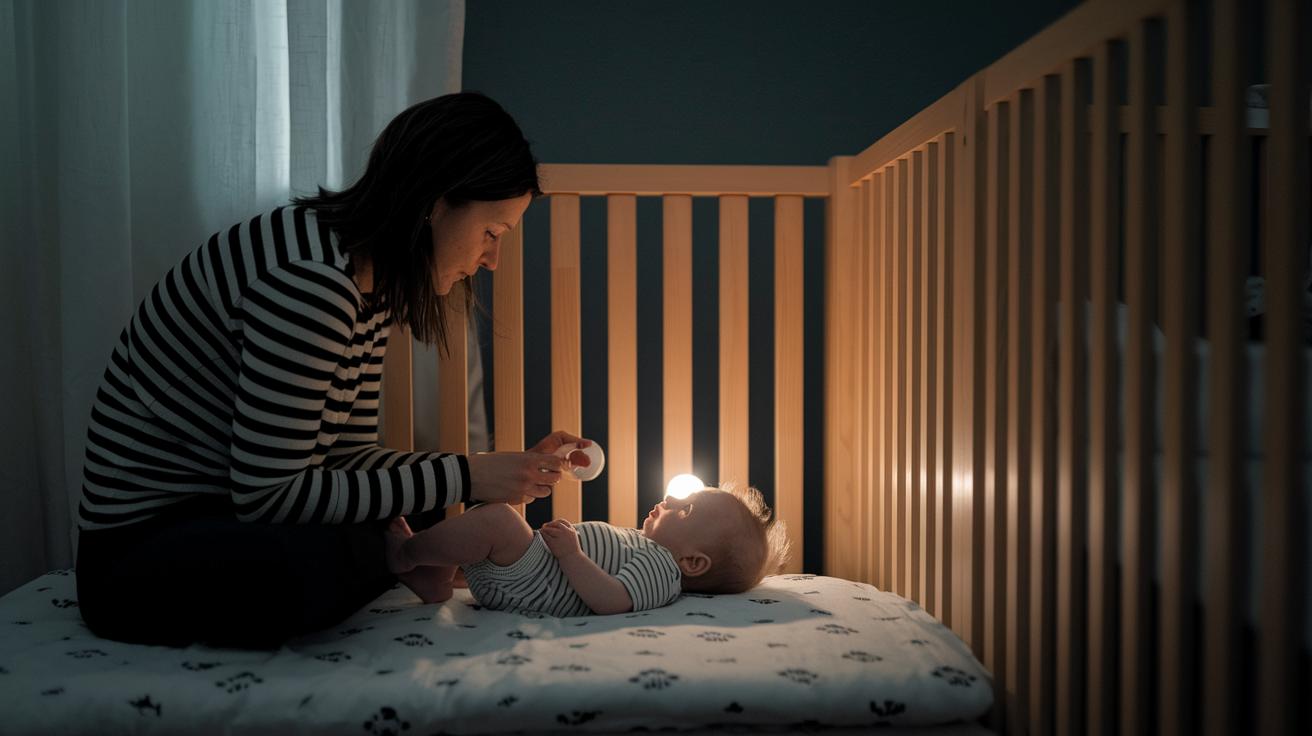
Around three months, little ones can start showing signs of sleep regression as their body clocks adjust. You might notice shorter naps that last only 30 to 45 minutes, more night wakings, and a bit of difficulty settling back down. It’s all part of growing up, even if it sometimes feels a bit unpredictable.
A few gentle tips can really help ease these sleep bumps. First, keep an eye out for early sleep cues like yawning, rubbing their eyes, or fussiness before naptime or bedtime. Creating a calming bedtime routine, a soft lullaby, dim lights, and a quiet atmosphere, can work wonders. And if your baby wakes up at night, a little pat or soothing words might be just what they need to drift back to sleep.
Sometimes, sticking to a regular routine can soften the effects of this regression and help your baby adjust more easily. And if you're really feeling overwhelmed by frequent disruptions or constant fussiness, talking to your pediatrician can bring some relief and extra guidance.
For more detailed advice on spotting and managing sleep regression, you might want to check out this resource: infant sleep regression – https://bsnuggs.com?p=612
Monitoring and Adjusting 3 Month Sleep Patterns for Growth

At three months, keeping a little record of your baby's sleep can really help you understand their unique rhythm. You might use a log or an app to note down nap times, stretches of sleep at night, and the periods when they’re awake. For example, you may see that a nap that once lasted an hour and a half now lasts about 45 minutes during a growth spurt.
Growth spurts can really mix things up. Sometimes, your little one might need a slight change in their nap schedule or even a small tweak to bedtime and feeding times. I once tracked sleep for a week and then shifted bedtime a bit earlier, by 15 minutes, and it helped create a smoother, longer sleep stretch.
It’s also important to watch how your baby feels. If you start to notice too much sleepiness or a bit of crankiness, it might be time to adjust the routine or have a quick chat with your pediatrician. These gentle changes can make a big difference in ensuring your baby gets the restful sleep they need.
Final Words
In the action of learning how much should a 3 month old sleep, we covered daily sleep totals, simple nap breakdowns, and gentle routines to create a calm sleep space. We shared clear steps for aligning wake times and feedings so that every nap feels natural and restorative. These tips can help guide your little one toward safe, comfy rest while you enjoy those peaceful moments together. May every sleep stretch bring renewed energy and confidence for both of you.
FAQ
How much should a 3 month old sleep during the day?
The daily daytime sleep for a 3 month old averages between 3.5 to 5 hours spread across three naps, ensuring balanced rest with gentle wake periods.
What is a typical 3 month old sleep and feeding schedule?
The typical schedule blends three naps with wake windows of 60 to 120 minutes, feeding every 3 to 4 hours, and a nighttime sleep of 10 to 12 hours with stretches lasting 3 to 5 hours.
How long should a 3 month old sleep at night without eating?
Many 3 month olds enjoy a nighttime stretch lasting 3 to 5 hours, though feeds usually occur every 3 to 4 hours to support proper growth.
What is a regular sleep schedule for a 3 month old?
A regular sleep pattern usually features short morning and late afternoon naps (30 to 45 minutes) and a longer midday nap (1 to 2 hours), with bedtime between 6 and 8 p.m.
How do you handle sleep regression in a 3 month old?
Sleep regression may show as shorter naps and more frequent night wakings; a consistent routine and gentle soothing methods help your baby adjust comfortably during this period.
How many hours should a 4 month old sleep?
At 4 months, infants typically sleep between 14 and 17 hours overall, maintaining a balance between extended nighttime sleep and several daytime naps.
How long should a 3 month old nap?
Naps for a 3 month old are usually around 30 to 45 minutes for the morning and late sessions and about 1 to 2 hours for the midday nap.
How common is a 3 month old sleeping 8 hours straight?
It’s unusual for a 3 month old to sleep 8 hours straight; babies at this age often need feeds and diaper changes, spreading their sleep into shorter periods.
What is the 5 3 3 rule for babies?
The 5 3 3 rule often refers to guidelines for structuring daily routines, encouraging consistent feeding, three naps daily, and regulated wake windows. Details may vary among experts.
Should I let my 3 month old nap as long as she wants?
Allowing your baby to nap when tired is natural, but tracking total sleep helps maintain a balanced routine across wake periods and designated rest times.
How can I tell if my 3 month old is sleeping too much?
If your baby consistently exceeds the typical 14 to 17 hours of sleep daily or appears unusually lethargic, it might be wise to consult your pediatrician for guidance.