

Ever wondered if you're mixing up your baby's formula just right? Every drop counts and a little extra care can make all the difference, like adding just the right amount of frosting to a cupcake.
We have some simple tips to help you mix and measure the formula safely and smoothly. Think about using the correct water temperature and the perfect scoop size. These small ideas are here to lighten your early days of parenthood.
This guide is a warm companion, ready to give you that reassuring start as you care for your little one.
Essential Formula Feeding Fundamentals for New Parents

Newborns usually drink about 1–3 oz (30–90 mL) every three hours. In the first day or two, they might only sip 15–30 mL at a time. This gentle start helps their little tummies get used to feeding and sets the stage for a smooth formula feeding journey.
Formula feeding is carefully controlled by the FDA to make sure it’s safe for your baby. You can pick from powdered, concentrated liquid, or ready-to-use options. Powdered formula is the most budget-friendly and easy to find. But be careful, if it isn’t measured right, it can clump or mix poorly. Always follow the directions like you’re following a favorite recipe: add water first, then the powder. Think of each scoop like adding just the right frosting to your cupcake.
When thinking about which formula to use, look for one with at least 50% whey or partially broken down proteins. These choices help with gentle digestion and even offer some of the benefits of breast milk. There’s no one perfect formula for every baby. Some families like mixing formula with breast milk, while others go all in with one type. This guide is meant to give you flexible advice that grows with your baby’s needs.
For more hints on planning and getting ready, check out our first time parent tips. It’s all about setting realistic expectations and taking one caring step at a time.
Safe Formula Preparation and Storage for New Parents
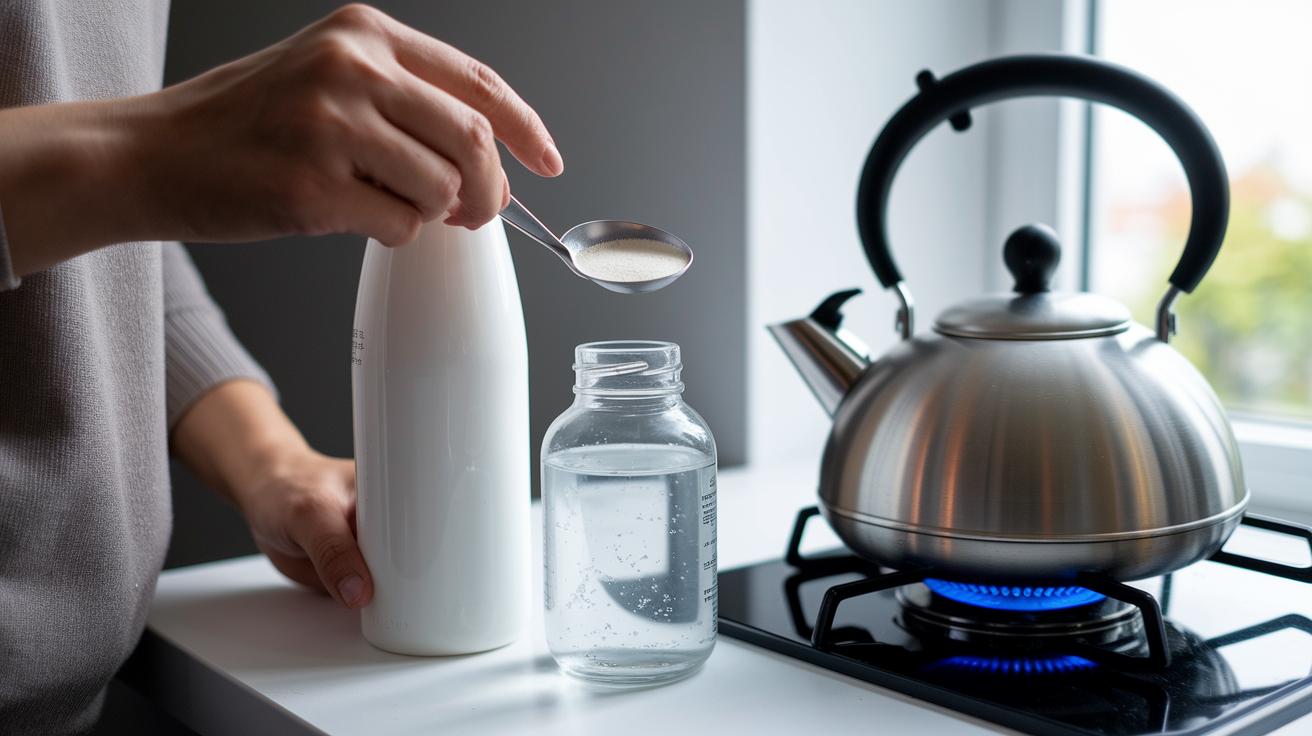
When you’re ready to prepare your baby’s formula, start with clean, safe water. Use water that’s been boiled, filtered, or purified and then cooled to room temperature. This step is extra important if your little one is under three months or has a sensitive immune system. The right water temperature not only shields your child from risks but also makes feeding a smoother, more comforting experience.
Next, measure your formula carefully. Level off each scoop so that you avoid any mineral imbalances that might upset your baby’s delicate tummy. Always add the powder to the water, not the other way around, and gently swirl the bottle. Think of it like slowly stirring a mild soup to keep everything smooth and even, rather than shaking the bottle, which can stir up too many bubbles.
Once your formula is mixed, keep an eye on how long it sits. A bottle at room temperature is best used within two hours, while a refrigerated bottle stays safe for up to 24 hours. If you’re using powdered formula from a container, it can last up to one month after opening if you store it right. For ready-to-feed liquid, use it within one hour of opening, or if it’s chilled, within 48 hours. Remember, tossing out any formula that’s been left too long is one of the best ways to ensure your baby stays healthy and happy.
formula feeding tips for new parents: Bright Start
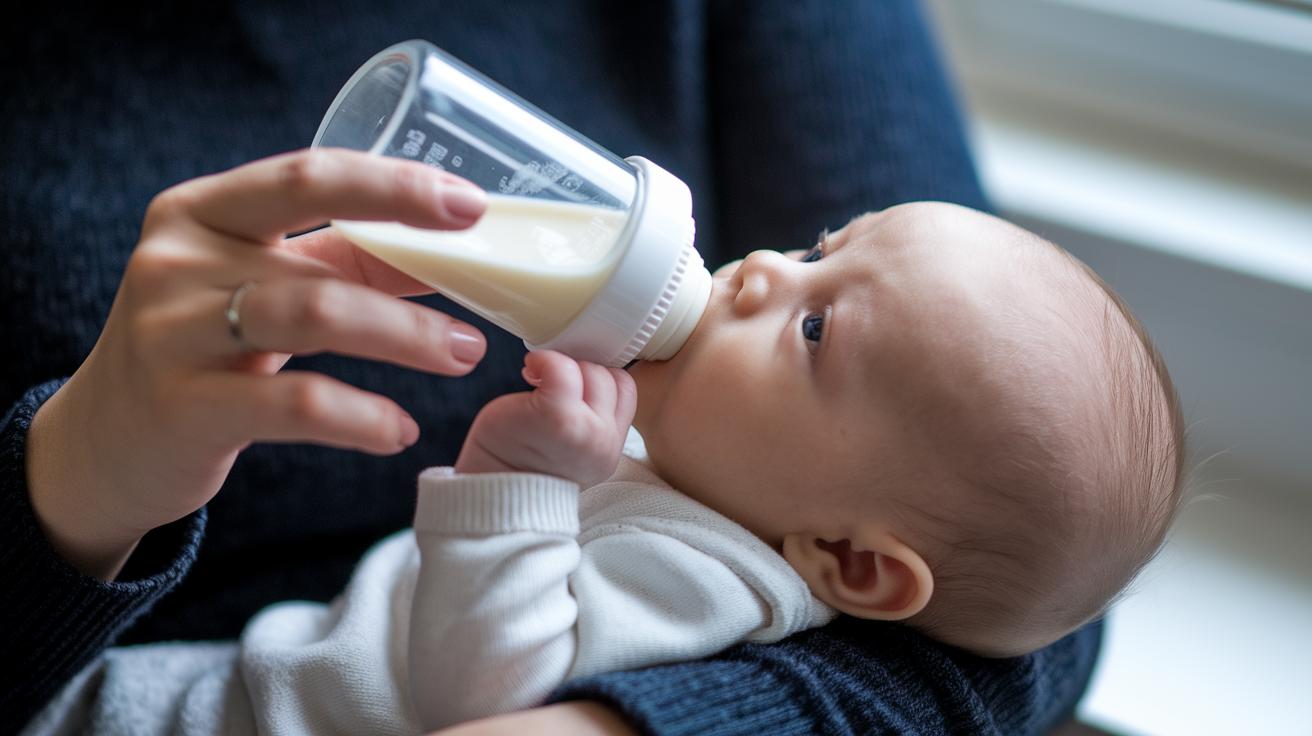
Paced bottle feeding is a gentle way to mirror the natural rhythm of breastfeeding. Hold the bottle at a 45° angle so the nipple remains filled with milk, which keeps the flow steady and minimizes air bubbles. It’s a bit like slowly pouring your favorite drink with care and consistency.
When it’s time to feed, take a brief break every 1–2 ounces to let your baby burp. You might say, "Time for a little burp break," and give a gentle pat on the back. This pause not only eases any trapped air but can also help cut down on gas and spit-up, making feedings a more soothing experience.
Keep an eye on your baby’s signals. If you notice them rooting or putting their hands to their mouth, it means they’re ready to eat. On the flip side, if they start turning their head away or closing their mouth, it’s a sign they’ve had enough. Recognizing these cues early on means you can adjust the feeding time to suit your little one perfectly.
Most newborns will want to feed every 2.5 to 3 hours. Keeping a simple feeding diary, noting times and amounts, can be a pleasant way to track your baby’s progress, a little collection of milestones along the way.
- Correct bottle positioning tip: Always hold the bottle at a 45° angle.
- Mealtime pacing strategy: Pause every 1–2 ounces for a burp break.
- Spotting hunger and fullness: Look for rooting and hand-to-mouth signals, and notice when your baby turns away.
- Feeding schedule reminder: Aim for feeds every 2.5–3 hours.
Hygienic Equipment Care for Formula Feeding

Before feeding your little one, make sure every bottle, nipple, and utensil is carefully sterilized. Think of it like setting up a fresh, clean canvas where every detail matters. You can boil these items for five minutes or use a steam sterilizer if you prefer. And don’t forget to wash your hands well – it helps keep those pesky germs away.
After each feeding, wash every part in hot, soapy water and rinse thoroughly. This extra step helps remove any milk residue that might stick around. Once everything is clean, store them in a neat, sealed container to keep any airborne dust or germs from causing trouble.
Here’s an easy checklist to follow:
- Sterilize bottles, nipples, and utensils before their first use.
- Wash your hands well before getting started.
- Clean all equipment with hot, soapy water after every feed.
- Rinse each item completely and store them in a clean, closed container.
- Avoid using the microwave to reheat; instead, choose a bottle warmer or a hot water bath.
Following this simple routine not only makes feeding safer but also gives you peace of mind, knowing you’re doing your best to protect your baby’s health.
Troubleshooting Formula Feeding Challenges for New Parents

When you're feeding your baby, take a moment to look for any signs they might be uncomfortable. If your little one ends up crying for a long time or cuddles their knees tightly to their chest, it might be an early hint of colic. Sometimes, you might even see your baby arch their back just before a long bout of crying. It’s a gentle clue that tummy troubles might be at play.
Take your time with mixing the formula. Instead of rushing, give the bottle a slow, gentle shake, kind of like stirring a soft, warm smoothie. This careful approach helps reduce air bubbles and can make every feeding feel a bit more soothing for your child.
If your baby seems to suffer from gas, try adding a few extra burp breaks. A helpful trick many parents use is burping the baby after every ounce of feed. This little pause can ease uncomfortable gas and help your baby feel more at ease.
Should your baby continue to have tummy troubles, you might consider trying a partially hydrolyzed formula. This kind of formula has proteins broken down into smaller pieces, which can be gentler on a sensitive stomach.
Keep an eye out for any unusual reactions during feeding, such as:
| Potential Reaction | What to Watch For |
|---|---|
| Skin care issues | Rash or skin irritations |
| Feeding response | Vomiting or more spitting up than usual |
| Digestive sign | Blood in the stool |
These things might be signs of an allergy. If you see something like a rash after feeding, note down the time and check if there are any other patterns of discomfort. Sometimes, switching to smaller, more frequent feeds along with keeping your baby upright for 20 to 30 minutes afterward can help ease acid reflux.
It might also be helpful to keep a feeding diary. Jotting down what happens during feedings can help you spot any patterns and find the best ways to ease your baby’s discomfort.
On-the-Go Formula Feeding Tips for Busy New Parents
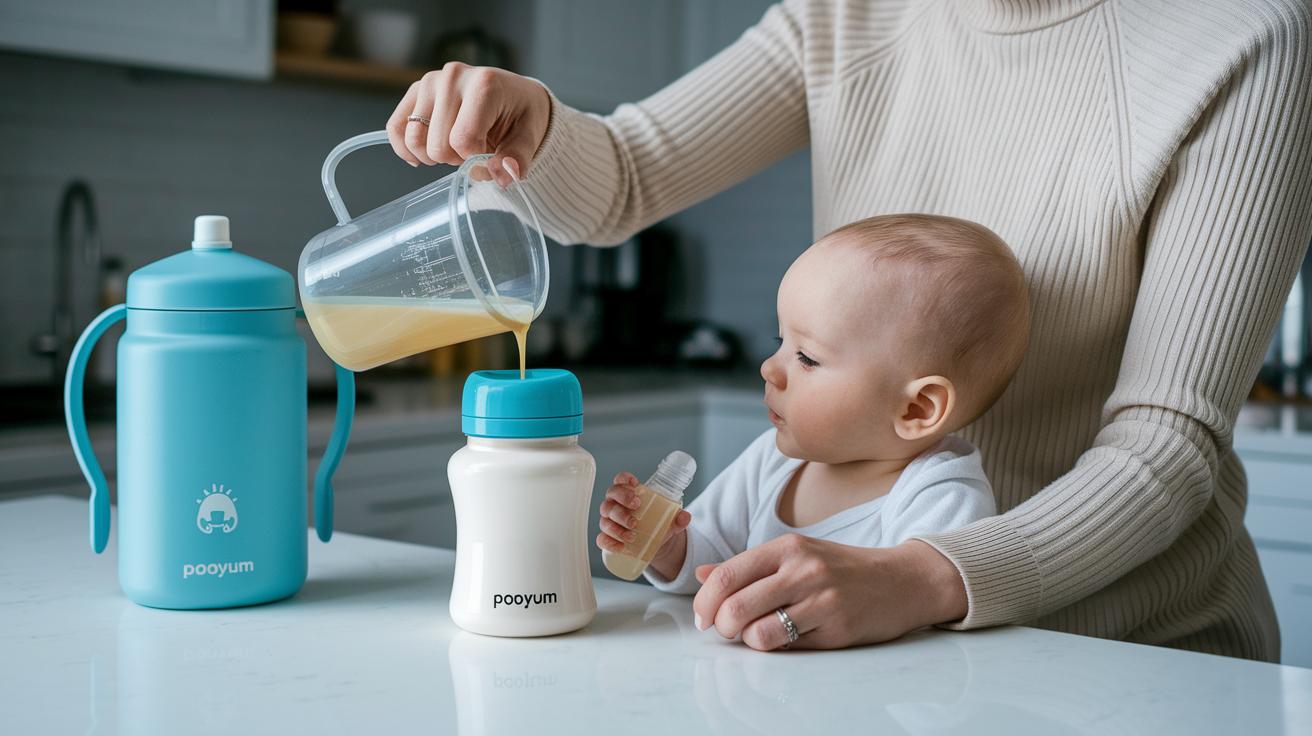
When you're out with your little one, things need to be easy and fast. PopYum™ bottles help by keeping the formula and water separate until you’re ready to mix, so you can feed your baby without any fuss.
Imagine this: you grab a pre-mixed pitcher from the fridge, pour it into the bottle in a flash, and you’re on your way, just like having your favorite snack ready right when you need it. Using insulated bottle bags also helps keep the milk at the perfect temperature while you're on the move.
You might also consider a portable bottle warmer or a hot water thermos to gently heat the milk instead of using a microwave, which can warm unevenly. For longer trips, having ready-to-use liquid formula and extra nipples can save the day. Just plan how many bottles you'll need and remember to toss any formula that’s been sitting out for over two hours.
- On-the-go milk prep: Keep insulated bags and pre-mixed pitchers ready.
- Travel-friendly bottle care: Consider a portable warmer and pack extra nipples.
- Quick feeding solution: Enjoy the simplicity of PopYum™ bottles.
- Smart storage: Always refrigerate pre-mixed pitchers until use.
Expert Guidance and Adapting Your Formula Feeding Plan
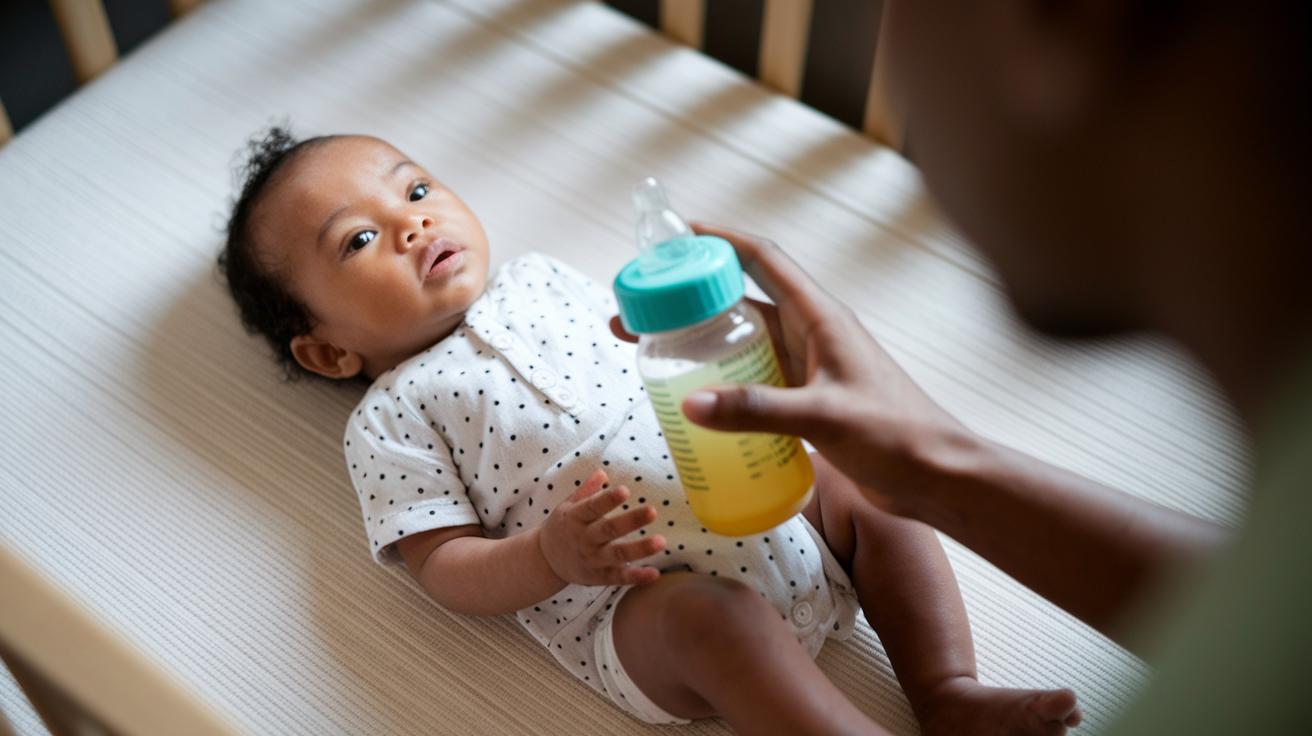
If your baby isn’t putting on weight or seems uneasy, it might help to speak with a pediatric nutrition expert or a lactation consultant. They can point out what might be causing the issue and help adjust your plan. Keeping a simple feeding diary, tracking times, amounts, and any reactions, can really clear things up as your little one grows.
Think of your diary like a friendly journal where you mark those special growth moments. Jot down when your baby seems extra hungry or when they quickly turn away from the bottle. This little record can guide you on when to tweak feeding times during busy growth spurts.
- Record feed times and amounts to watch for trends.
- Note your baby’s signs, like when they root or stop sucking.
- Check formula labels to stay on top of use-by dates and ingredient details.
You might want to join a local parent workshop or find a peer support group as you fine-tune your plan. Sharing tips and hearing other parents’ experiences can boost your confidence and even give you fresh ideas.
Every baby is unique, and over time, your notes and expert advice will help you adjust feed portions and timing perfectly. A well-kept plan not only makes feedings more predictable but also eases your worries, letting you feel more confident with every cuddle and sip.
Final Words
in the action of embracing practical, safe, and nourishing feeding routines, this article outlined smart formula feeding tips for new parents. We explored selecting the right formula type, mixing it safely, and setting up comfy bottle feeding schedules. We also touched on keeping equipment clean and troubleshooting common bumps along the way. Each segment aimed to help parents build confidence and caring habits. Remember, small adjustments make a big difference in your baby's comfort, safety, and overall healthy development. Enjoy every precious moment.
FAQ
What are some newborn formula feeding tips for new parents?
The question highlights newborn formula feeding tips. Begin with small, measured amounts using cooled, safe water and precise formula powder ratios. Use paced bottle feeding and pause for burp breaks, and always consult your pediatrician for guidance.
How much formula milk should a baby 0–6 months drink?
The question about formula milk quantity indicates that newborns may start with 15–30 mL per feed and gradually move to 1–3 oz per feeding as they grow. A feeding chart is very useful for tracking progress.
How do I safely make and feed formula milk to a newborn?
The question on safely preparing formula means using cooled, boiled, filtered, or purified water and adding level scoops of formula powder. Gently shake the mixture to prevent clumps, and always follow safe storage guidelines.
How can I introduce formula milk to a breastfed baby?
The question about introducing formula to a breastfed baby suggests mixing small amounts of formula with breastmilk over time. This gradual approach helps your baby adjust to the new taste while monitoring their feeding cues.
Where can I find detailed formula feeding guidelines, like a chart or PDF?
The question about extra resources leads to looking for reliable feeding charts or PDF guides. Trusted sources such as pediatric professionals or first time parent tips can offer comprehensive advice for safe formula feeding.