
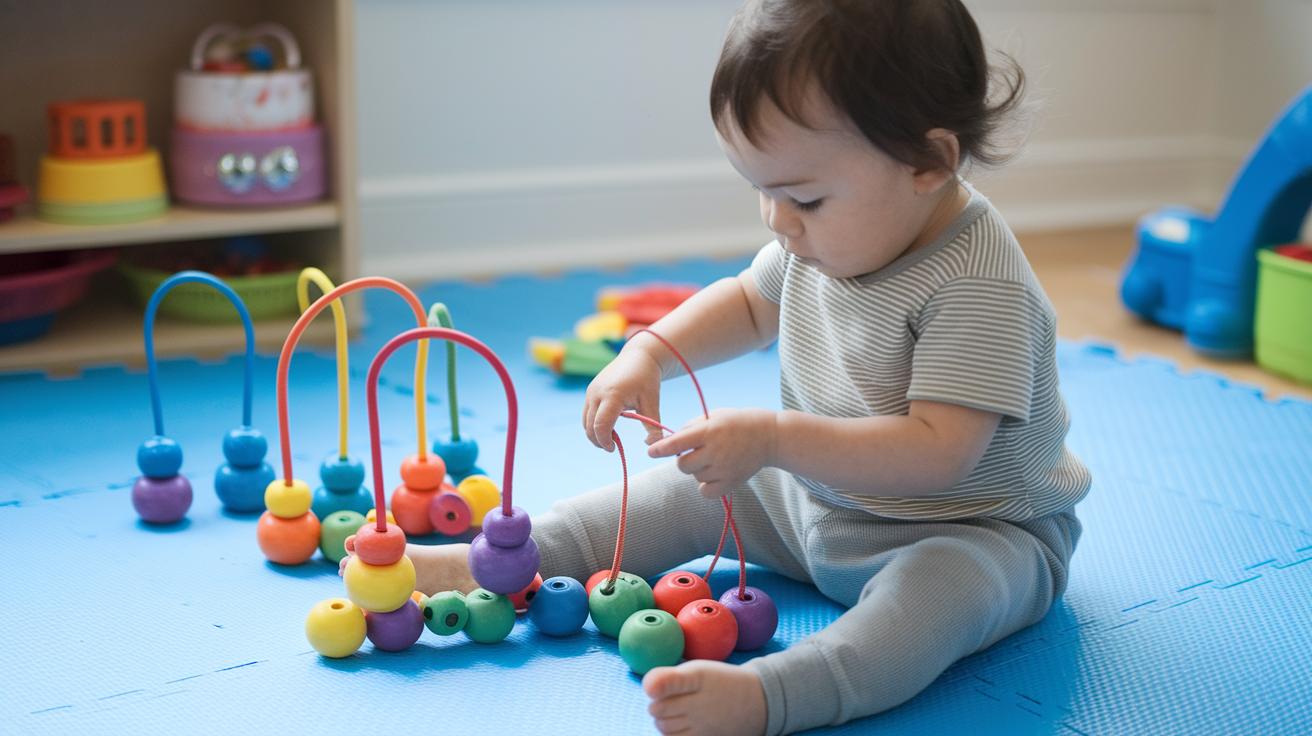
Have you ever thought that playtime might help your little one succeed each day? Toys that build fine motor skills give your child that extra boost they need to handle everyday tasks. When they twist beads or build with blocks, they’re strengthening their hands and learning to coordinate their movements. It’s almost like each fun moment is a small lesson in growing confidence. These friendly, playful tools make learning safe, simple, and exciting, helping your child grow with every touch.
Top Fine Motor Skills Toys to Enhance Dexterity
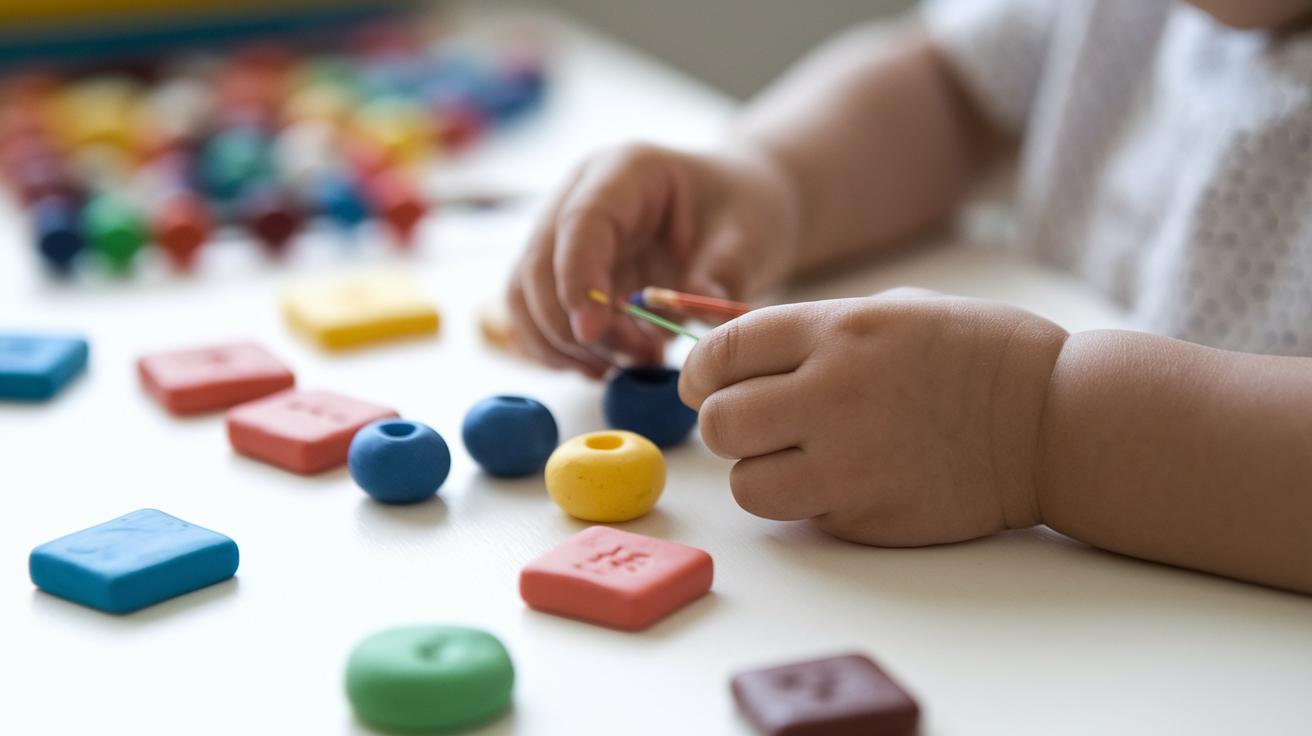
Fine motor skills toys are little helpers that strengthen the small muscles in your child's hands and fingers. They make everyday tasks like buttoning shirts, tying shoes, writing, and cutting a bit easier. Imagine threading colorful beads, each loop and knot helps build precision.
When your child plays with these toys, they’re not just having fun; they’re also building muscle memory. Every grasp, squeeze, and poke improves hand strength and coordination, turning playtime into a stepping stone for daily tasks. Plus, many of these toys meet children’s safety standards, so you can rest easy knowing your little one is safe.
There are plenty of options to choose from. For example, threading beads and modeling clays help develop a steady grip, magnetic building tiles enhance hand-eye coordination, and scooping or cutting sets offer valuable practice with fine movements. These engaging play tools spark creativity and support the essential skills your child will use every day.
Fine Motor Skills Toys Fuel Playful Development
Infants (0–5 Months)
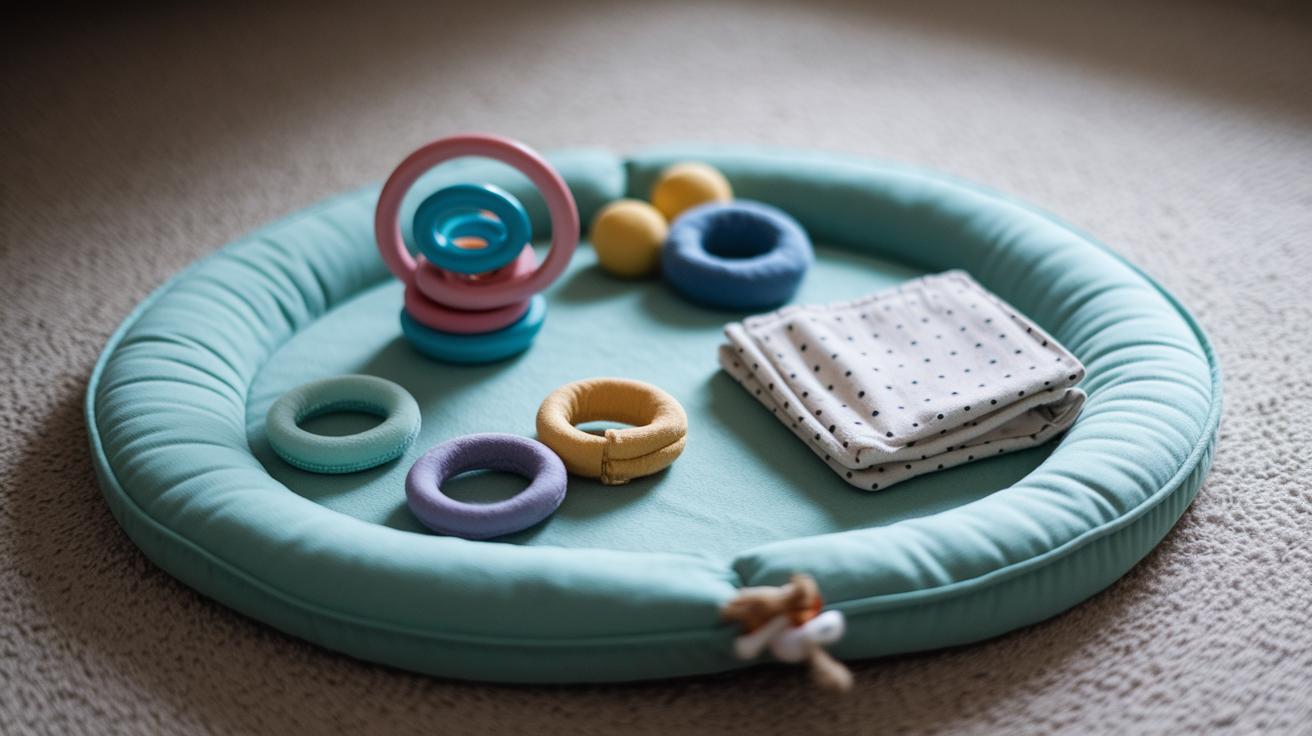
At this early stage, little ones love toys that gently invite them to explore the world with their senses. Think of a Montessori rattle that not only sparks their curiosity with its soft sounds, but also gives them a chance to reach out and discover. Stacking rings, with their bright colors, help encourage hand-eye coordination, while soft crinkle toys offer a delightful mix of textures for tiny fingers to feel. And the Baby Cloth Book? It’s designed just for little hands to tug and explore safely. Every toy is carefully made to support those first gripping attempts and ensure safety, so you can feel good about every play moment.
Babies (6–12 Months)
As babies grow, they start focusing on building that steady pincer grasp while strengthening their arms. Toys like shape blocks encourage simple stacking and sorting, turning playtime into a fun learning adventure. An object permanence box is a perfect little trick, hiding and revealing surprises that keep them engaged. Wooden stacking stones require careful handling, and large-block sets challenge them to concentrate as they build and explore. Each toy is a step toward mastering the skills they use every day. Check out toys for 6 months for more smart picks during this exciting phase.
Toddlers (12–36 Months)
Now, toddlers are ready for a more hands-on adventure that sharpens both their dexterity and their problem-solving skills. Geometric eggs, for example, create a playful mix when sorting by shape and color, an enjoyable way to build stronger fingers while having fun. An interactive pull-twist storybook mixes storytelling with little motor challenges, perfect for keeping curious minds busy. The Busy Board, filled with zippers, buckles, and switches, is like a mini obstacle course that boosts coordination and introduces simple problem-solving. Each toy not only sparks joy and laughter but also lays a solid foundation for everyday skills your little one will use as they grow.
Occupational Therapy Fine Motor Skills Toys and Techniques
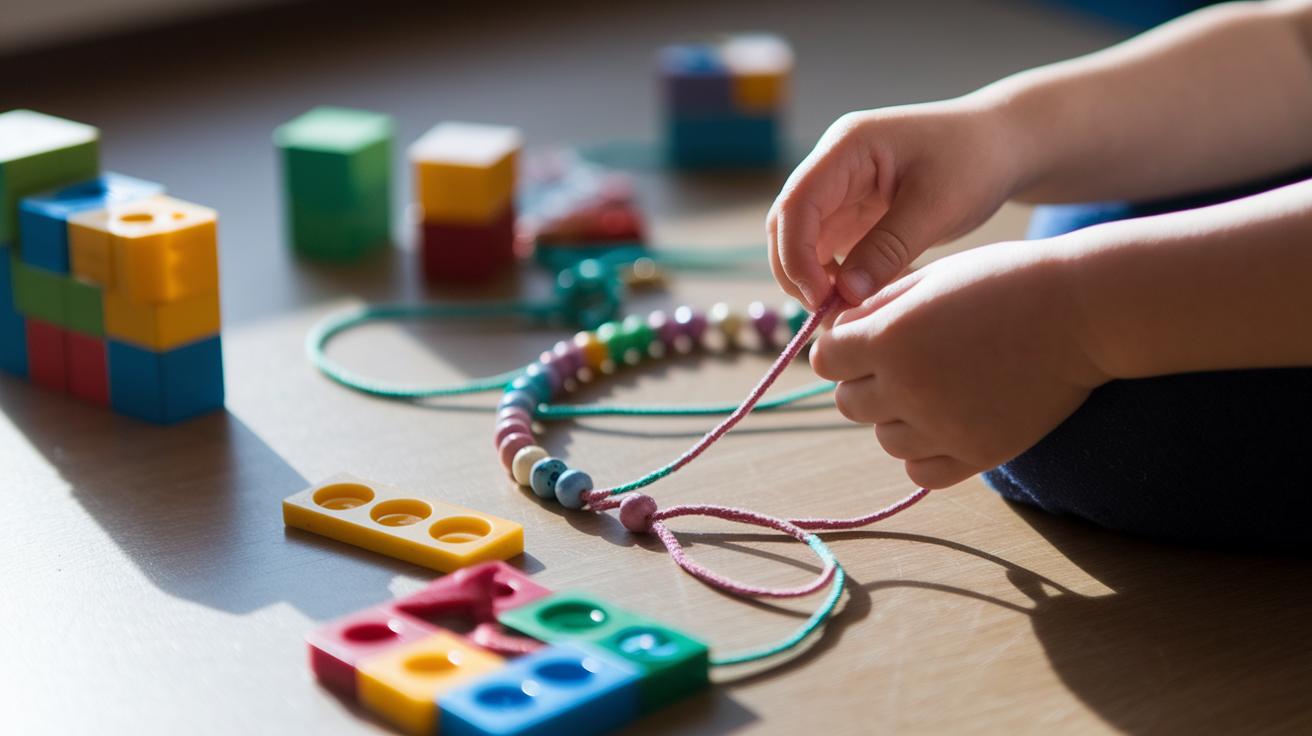
Occupational therapy fine motor toys are designed to support six key skills that help little ones grow stronger and more coordinated. These toys encourage shoulder stability through fun large-bead lacing games and improve coordination with pattern boards. Tools like Play-Doh and Handy Scoopers add a playful twist to building hand strength, while pincer bead activities nurture the development of a firm grasp. Even activities with pattern blocks and Velcro cutting food sets gently enhance finger dexterity. And let’s not forget the sensory fun from toys like Fat Brain Squigz suction pieces. When kids practice with these engaging toys regularly, they build muscle memory that supports everyday tasks. Plus, many of these toys meet non toxic standards, so you can feel confident that your child’s precious hands are safe while they play.
Parents and therapists can easily adjust these activities to fit a child’s unique needs. For example, a session of large-bead lacing can warm up those shoulder muscles before trying a more challenging pattern board. A little Play-Doh can do wonders for hand strength while sparking creative play. Every time a child completes a pincer bead design, it builds confidence, and busy boards invite them to solve fun little puzzles. By weaving these playful tasks into daily routines, children can steadily improve their motor skills, helping them handle everyday challenges with greater ease and joy.
Comparing Materials, Safety, and Durability in Fine Motor Skills Toys
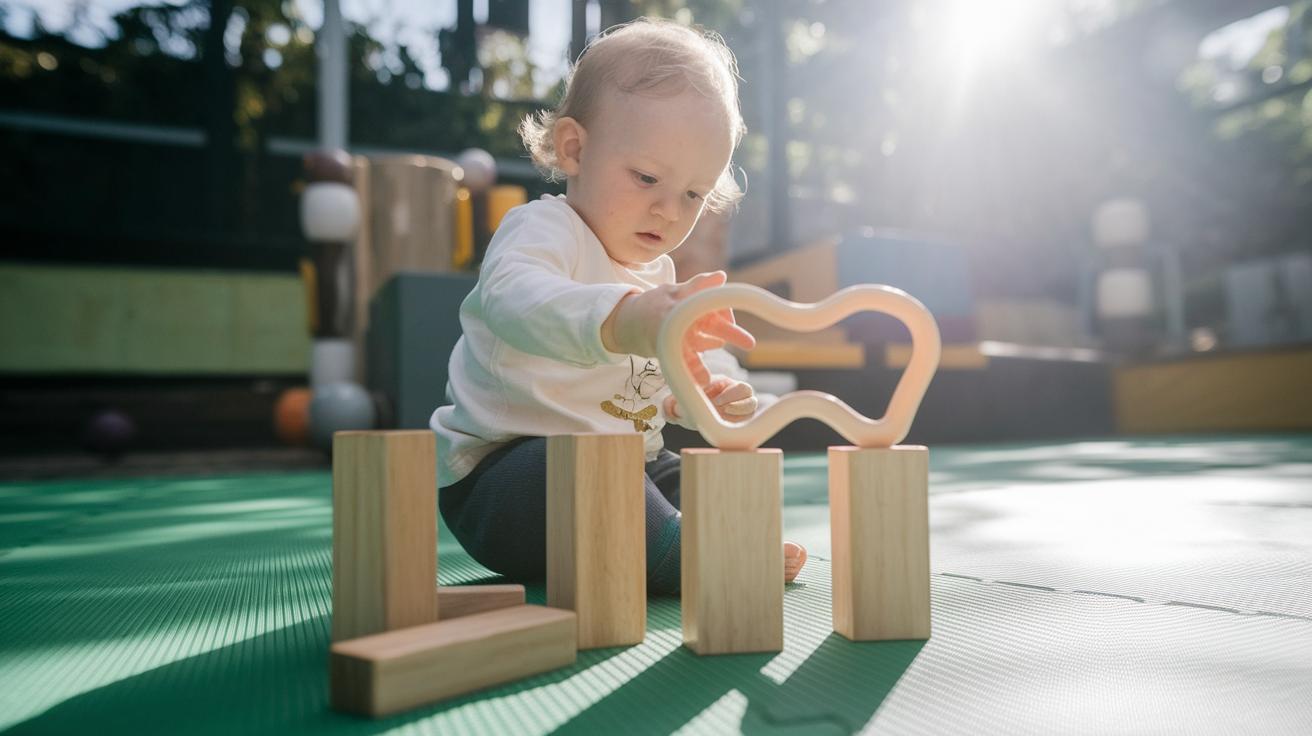
When you're picking out play tools that help boost fine motor skills, start by looking at what they're made of. Wood toys have a smooth, natural feel that gently fights off germs and is kind to our planet, making them a favorite for everyday play. Silicone options feel soft and secure in little hands and are heat-resistant, so cleaning up after playtime is a breeze. Magnetic plastic toys feature strong, snug pieces that stay together, while fabric toys offer a light, washable option that gives a unique tactile experience for those curious little fingers.
Safety always comes first. Look for toys that are BPA-free and meet ASTM standards so that playtime remains safe. Think about how each material holds up over time, too. A bit of care helps wood stay lovely through everyday play, and silicone and magnetic plastic are designed for frequent cleaning and long-lasting fun. This careful choice ensures that your child’s play sets are both delightful and durable.
Maximizing Fine Motor Skills Development with Toys: Practical Tips
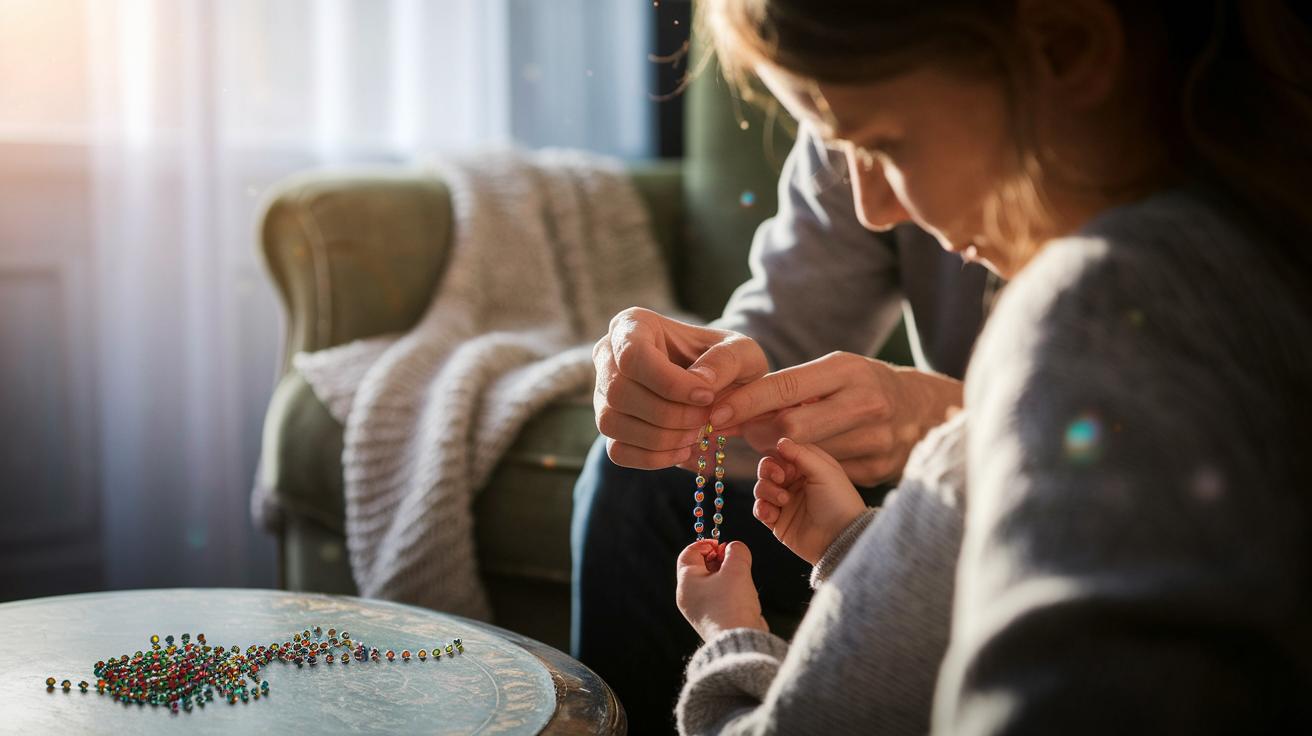
Every parent loves seeing their child explore and learn through play. Adding fun exercises into your daily routine builds fine motor strength and helps boost precision in little hands. Start by setting up a regular play schedule and take a peek at first time parent tips for fresh, stress-free ideas.
Try mixing in simple games like threading beads or stacking puzzles. These fun tasks help connect hand and eye while giving those tiny muscles a good workout. And yes, it might take a few tries, but each effort builds lasting muscle memory.
Add some creative dexterity games into the mix too. Repeating these playful challenges, like stringing beads or aligning matching shapes, can really boost your child’s focus and strength. Changing up the activities keeps playtime exciting while gently increasing the challenge.
Regular, playful exercises not only brighten up your daily routine, but they also help your child develop skills that matter for everyday tasks.
Final Words
In the action, this article took you through a range of playful tips and safe toy ideas for boosting little ones' growth. We talked about age-appropriate toys, occupational therapy techniques, and material safety tips, all designed to nurture natural learning.
Every suggestion and tip is about making everyday play a safe, engaging experience. Enjoy selecting fine motor skills toys that spark joy and help build those precious, everyday skills.
FAQ
Q: What fine motor skills toys are best for infants and toddlers (1 year olds, 12–18 months, and young toddlers)?
A: The fine motor skills toys for infants and toddlers boost early grasp and sensory exploration with soft stacking rings, textured cloth books, and large blocks. They build foundational hand strength and coordination.
Q: What fine motor skills toys work best for early elementary children like 5 and 7 year olds?
A: The fine motor skills toys for early elementary children include puzzles, bead sets, and building kits. They refine precise finger movements, improve hand-eye coordination, and support independence in everyday tasks.
Q: What toys require fine motor skills and help develop them?
A: The toys that require fine motor skills include puzzles, building blocks, and bead threading sets. They foster refined finger movements and boost hand-eye coordination, aiding skills like writing and buttoning clothes.
Q: Do kids with ADHD tend to have poor fine motor skills?
A: Kids with ADHD may face challenges with fine motor precision. Structured play and engaging games can boost their strength and coordination, making daily tasks feel easier and more enjoyable.
Q: What are the big 6 fine motor skills?
A: The big 6 fine motor skills are shoulder stability, bilateral coordination, hand strength, grasp development, finger dexterity, and sensory integration. They form the base for everyday activities and playful learning.