
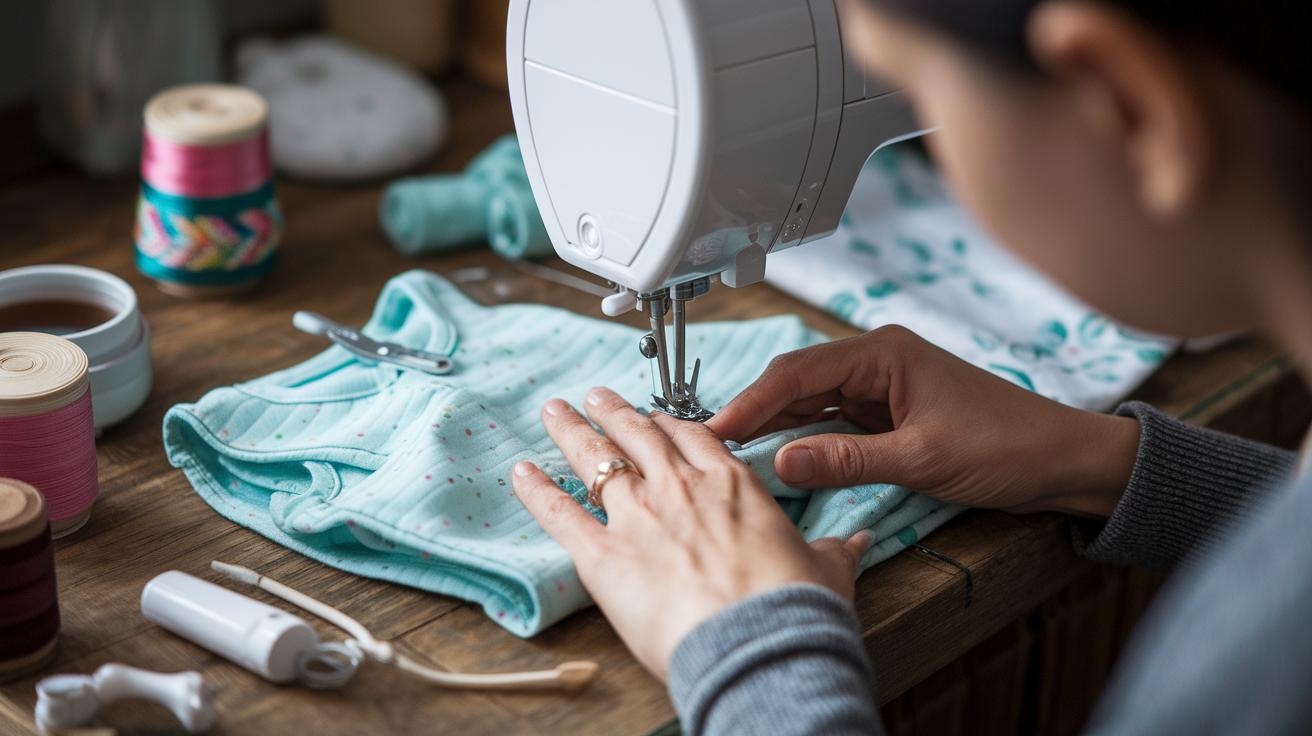
Ever thought about making safe, cute outfits for your little one right at home? DIY projects with organic baby clothes mix creativity and care using natural fabrics like soft organic cotton. Making a onesie is a fun way to ensure your baby stays wrapped in gentle, planet-friendly materials. In this guide, you'll discover easy steps to turn just one yard of fabric into two sweet, cozy pieces. Get ready to fill every seam with love and safety as you dive into this hands-on project.
Your First Project: DIY Organic Baby Onesie Tutorial
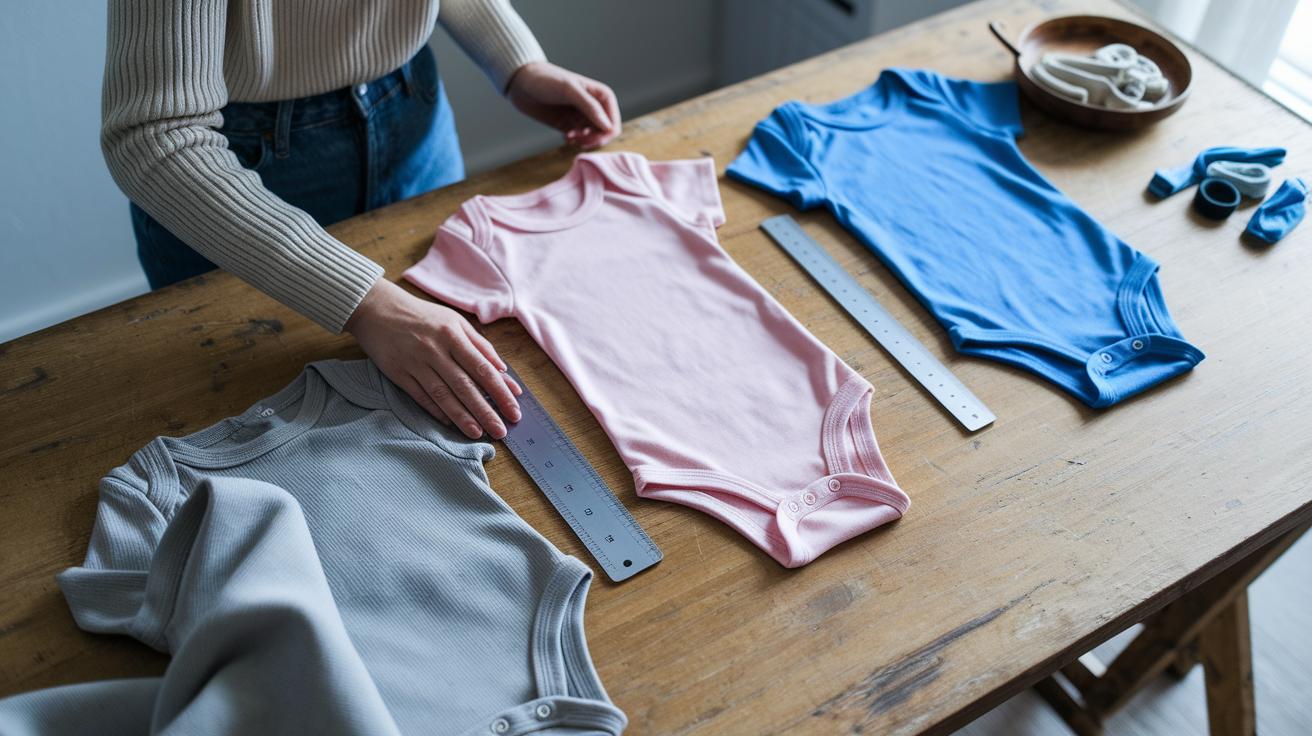
Begin your creative journey by selecting eco-friendly fabrics like Modern Jersey, Organic Cotton Knit, or Cotton Spandex Jersey. If you’re making one-piece patterns, check out these options of organic cotton newborn onesies. Each onesie only needs half a yard of fabric, meaning one yard makes two sweet pieces. Download your free pattern and follow the video guide for easy, step-by-step instructions. The pattern offers a 5/8″ seam allowance that keeps your stitches neat and secure, perfect if you’re just starting out with homemade baby clothes.
Lay out your fabric and use the Fill-A-Yard® vertical split template to mark your cutting lines. This clever method gives you two unique designs from a single yard. For best results, use sharp fabric scissors or a rotary cutter. And don’t worry if you’re using patterned fabric, a smart choice since patterns naturally hide little stains from drool or spit-up, keeping your baby’s outfit looking fresh.
Follow these simple steps for assembly:
- Cut the fabric into two equal halves.
- Attach the neck and leg bands just as shown in the video guide.
- Stitch the sides using an overlock stitch on a Bernina B350, a serger, or try a zig-zag stitch on your regular sewing machine.
Sew with care and always double-check your seams for safety and strength. Every stitch in your hand-sewn onesie celebrates the charm of working with natural fibers. Enjoy the process as you turn eco-friendly materials into a lovely, personalized keepsake for your little one.
Choosing and Sourcing Eco-Friendly Fabrics for DIY Organic Baby Clothing
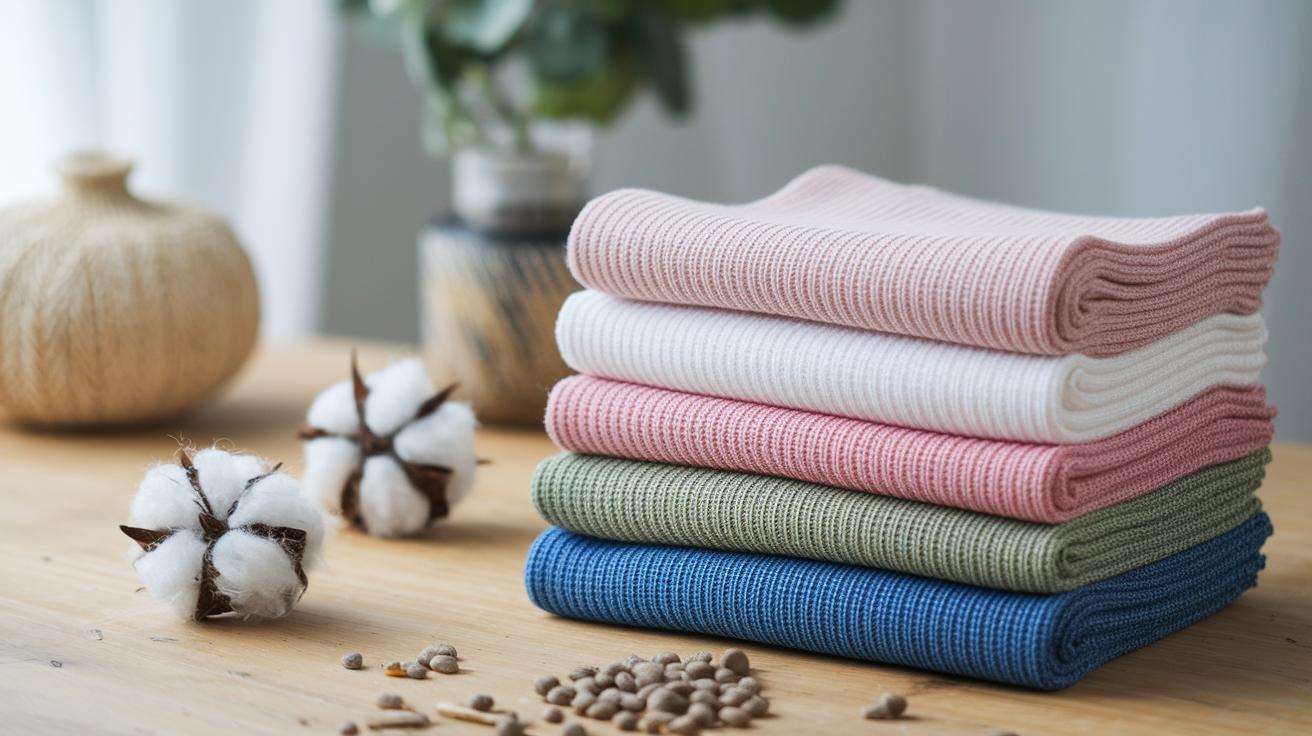
When you're making baby clothes by hand, choosing the right fabric makes all the difference. Use pure, natural materials that keep your little one safe and cozy. For example, Purest Cotton fabrics are 100% organic, undyed, biodegradable, free of chemicals, and super gentle on delicate skin, giving you the peace of mind every parent wants.
Bamboo fabric is another great option. It's naturally soft, lets baby’s skin breathe, and even has antibacterial properties to help prevent irritation. And if you need a fabric that offers a little stretch, try knit options like Knit 180, Knit 220, or Knit 260. They hold up to daily wear while keeping a gentle fit that comforts your baby.
For cooler days, French terry is a smart choice. It’s warm yet breathable, making it ideal for winter sleepwear. Just be careful to avoid double brushed polyester since it can trap heat and cause discomfort. Look for suppliers who put a strong emphasis on caring for our planet.
Taking these simple tips to heart means you can craft beautiful, safe organic garments for your little one while also caring for the environment.
Sewing Organic Baby Rompers and Bodysuits: Patterns and Techniques
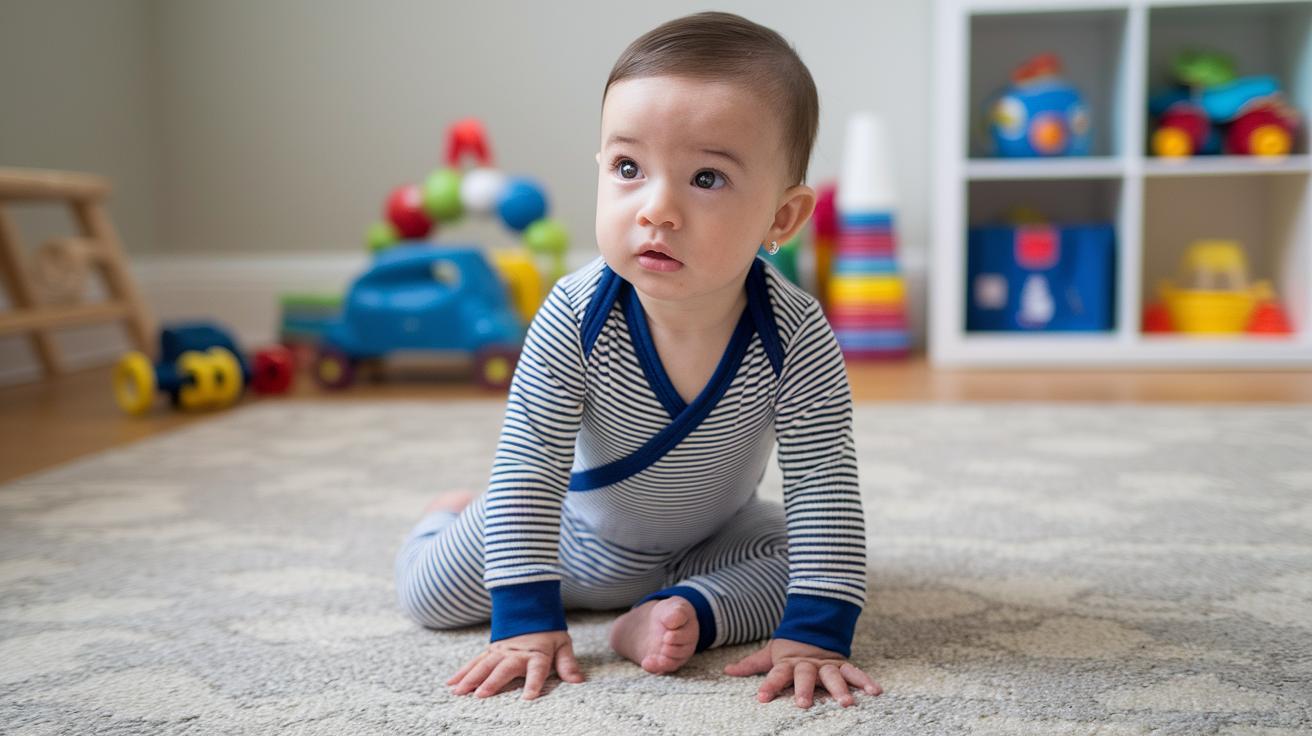
Start by picking a pattern that sparks joy. Imagine a one-piece long-sleeve romper with a cute cross-over front and an open crotch design, perfect for a little one’s busy play. You might also blend a crossover t-shirt with an adorable bow or pair comfy leggings with the romper for a complete look. Many parents love a long-sleeve romper that buttons at the center front and crotch for both ease and style.
If you’re looking for ways to mix and match, try a two-for-one PDF pattern. This option lets you create a soft baby tee from muslin and a comfy long-sleeve top from jersey knit. It’s a smart way to save fabric while giving you different outfit choices. Here are a few more fun ideas:
| Pattern Option | Fun Feature |
|---|---|
| Short Adjustable Overalls | Easy dressing every day |
| Gathered Skirt Dress | Playful elegance for special moments |
| Overalls with Kangaroo Pocket | Practical style for little explorers |
Follow these simple steps as you sew:
- Cut your fabric with care, choosing only organic, chemical-free materials.
- Use eco-friendly stitch methods, like a snug, even zig-zag stitch or an overlock stitch when your machine allows.
- Sew each piece with love, checking every seam to make sure it fits just right.
Each stitch in your rompers and bodysuits is a little act of creativity and care, making cozy, safe clothing that nurtures your little one.
DIY Organic Baby Accessories: Booties, Hats, and More
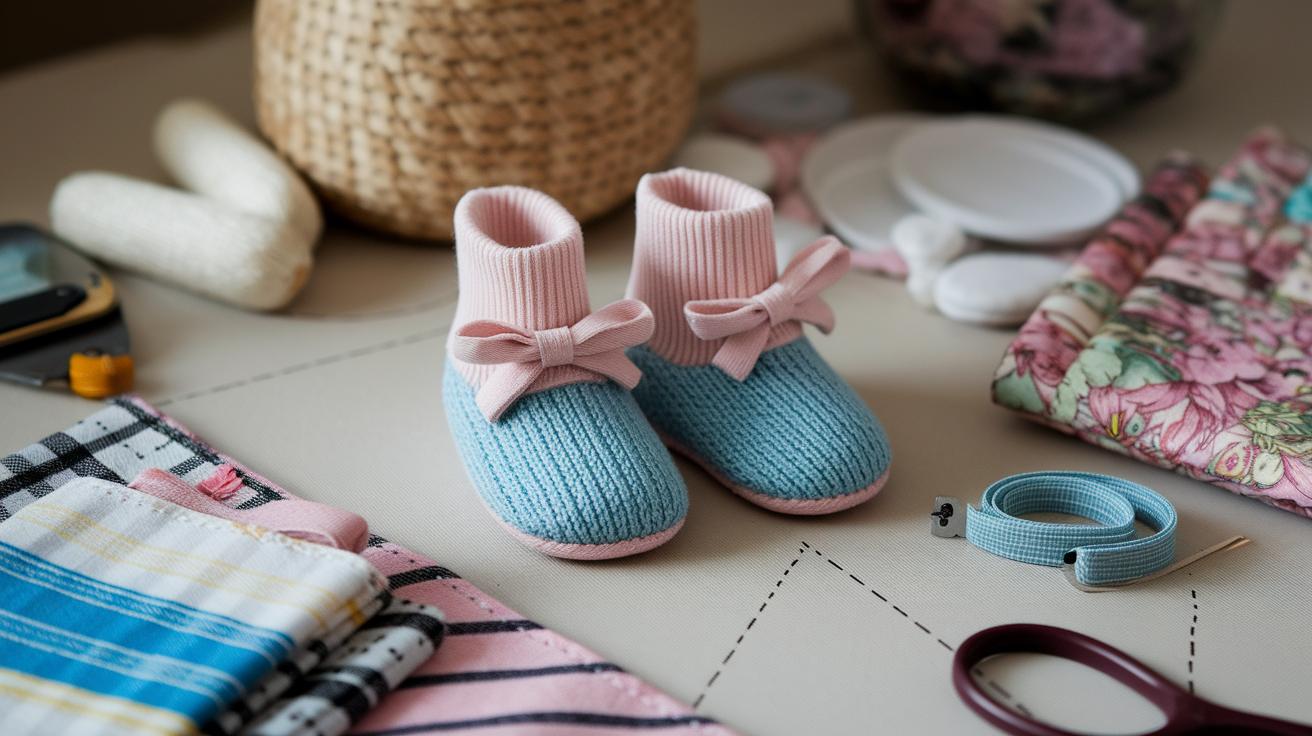
Brighten your baby’s wardrobe with handmade treasures crafted from organic fabrics. Imagine sewing adorable, reversible booties that wrap tiny feet in soft comfort and style. The pattern is friendly and the step-by-step directions make it a perfect project, even if you’re just starting out.
Think about a charming DIY headband that adds a sweet decorative bow to any outfit. It’s a little detail that makes a big smile on your little one’s face.
For cozy moments, why not try a reversible sleep sack made from Purest Cotton jersey? It’s ideal for both naptime and those precious nighttime snuggles. A beginner-friendly baby bandana, with its simple stitching, sets the stage for fun days out filled with giggles.
If you have leftover fabric scraps, consider crafting a drawstring bag that can serve more than one purpose. Mixing different textures and gentle colors in organic materials turns every accessory into a one-of-a-kind piece of art.
Other ideas include playful beanies that keep little heads cozy, sun bonnets that protect delicate skin from the sun, and soft baby shoes that complete any look. Each project is designed with both practicality and charm in mind, using eco-friendly designs that care for your little one and our planet.
Start small, experiment with little embellishments, and savor every creative moment along the way.
Zero-Waste Strategies for DIY Organic Baby Garments
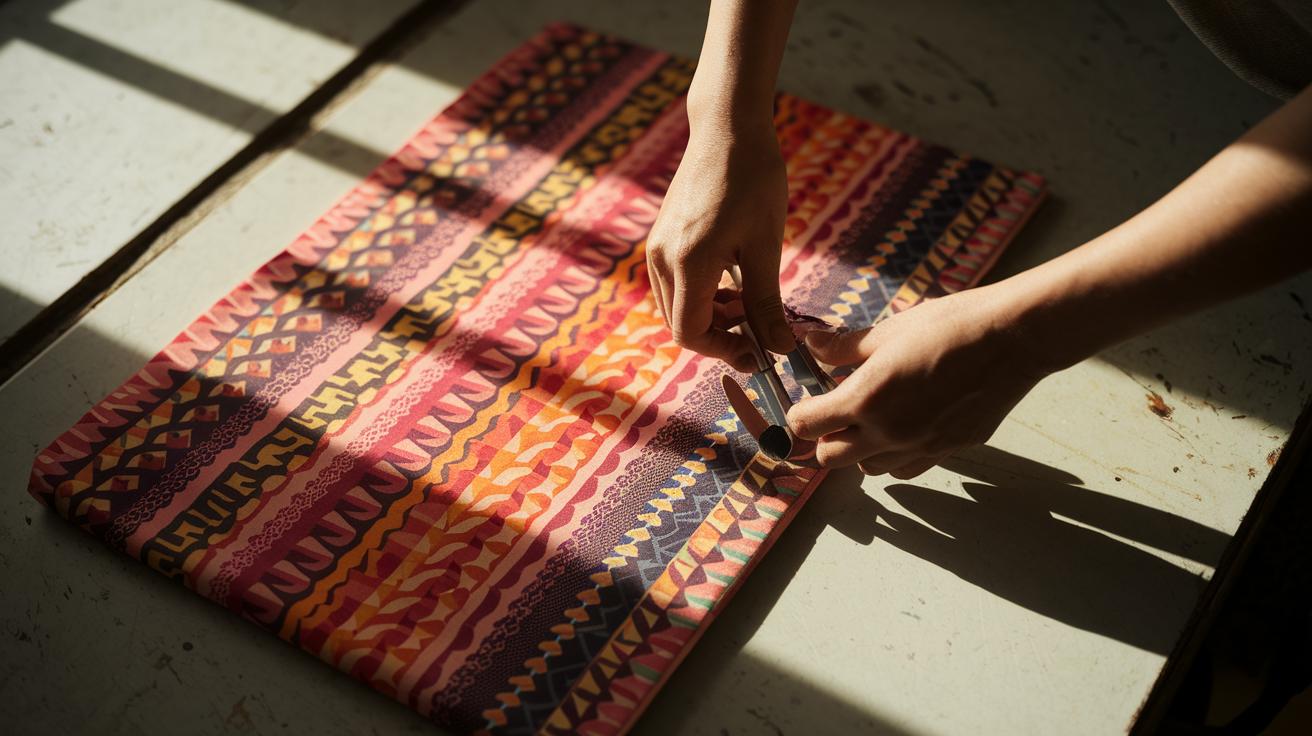
When planning your next project, try cutting your fabric smartly so nothing goes to waste. Use the Fill-A-Yard® vertical split template to get two unique designs from just one yard. It’s like getting double the value from your fabric while keeping scraps to a minimum.
Take a moment to lay out your pattern with care. That way, you make the most of every bit of material. And if you still have small remnants, consider turning them into a neat little drawstring bag or a fun patchwork decoration. It’s an easy way to add a personal, creative touch to your project.
You can also go a step further by choosing zero-chemical assembling techniques and biodegradable organic cotton. Think of it like giving your fabric a second chance; a tiny scrap can become a delightful accessory. Here are a few ideas:
- Plan your pattern layout so that you use nearly every inch of fabric.
- Transform small leftovers into practical, cute accessories.
- Use sewing methods that avoid unnecessary chemicals.
These simple steps make your crafting both fun and eco-friendly, helping you take great care of our planet while creating something truly special.
Caring for Your Handmade Organic Baby Clothes
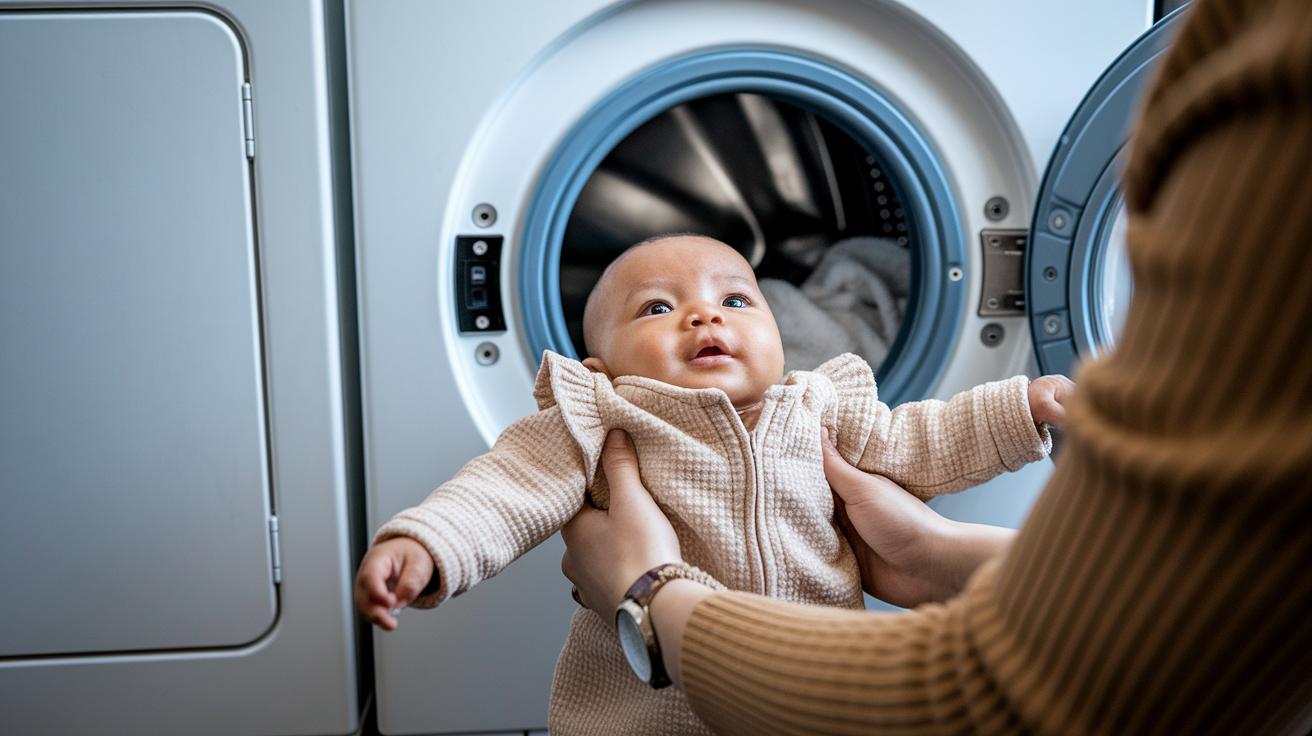
Caring for your baby's organic outfits is easier than you might think. Woven cotton pieces let in plenty of air and do just fine in a gentle machine wash, keeping them fresh and cozy for everyday adventures. Bamboo fabrics are naturally antibacterial and kind to sensitive skin, which means cleaning them is a breeze. And for your precious knit garments, a simple wash in cold water followed by air-drying helps them keep their shape and soft, comforting feel.
Using a mild, fragrance-free detergent is the best way to protect both your little one’s delicate skin and the quality of the fabric. Also, steer clear of heat-trapping materials like double-brushed polyester, especially on sunny, warm days. Every wash becomes a loving ritual that preserves both the cherished memories and the quality of each handmade treasure.
Keep these simple care practices in mind:
- Machine-wash woven pieces on a gentle cycle.
- Clean knit items with cold water and let them air-dry.
- Avoid fabrics like double-brushed polyester that trap heat.
- Always use mild, fragrance-free detergents.
Final Words
In the action, you explored a hands-on guide for creating charming organic onesies, rompers, and delightful accessories. You learned to choose eco-friendly fabrics, master simple sewing techniques, and even make smart use of scraps with zero waste strategies.
Every step showed how DIY organic baby clothing projects can bring creativity to life while keeping safety and care at the heart. Enjoy the process and the joy of making something special for your little one.
FAQ
Q: How do I get started with free DIY organic baby clothing projects for beginners?
A: The free projects help you start in a fun way by guiding you through cutting, sewing, and finishing your creations. They offer simple, friendly instructions ideal for anyone new to sewing.
Q: What are Katia sewing patterns?
A: The Katia sewing patterns offer clear, step-by-step guides to create stylish, organic baby garments. They suit both new sewers and those with sewing experience looking for creative ideas.
Q: What can I make from baby clothes?
A: The types of projects include onesies, rompers, booties, hats, and accessories. Repurposing baby clothes lets you create charming, eco-friendly items while making practical use of fabric scraps.
Q: Is making your own baby clothes more cost-effective than buying them?
A: The homemade approach can often save money by letting you control material costs and reduce waste. Crafting your own baby garments offers both budget-friendly benefits and personal creative expression.
Q: How do I create my own baby clothing brand?
A: The process involves designing unique patterns, sourcing quality organic materials, and showcasing heartfelt craftsmanship. Starting small with DIY projects can help you build a brand that reflects your personal style.
Q: What’s the easiest baby sewing project to start with?
A: The simplest project is often an organic baby onesie. It uses minimal fabric and features clear, manageable steps for cutting and sewing, making it an ideal first project for beginners.