

Have you ever thought about listening to your baby's heartbeat right at home? It feels almost magical to hear those simple sound waves turn into the gentle pulse of life growing inside you.
Imagine cuddling up with a handy little device that lets you listen to that tiny beat as you relax in your living room. In this post, we'll chat about how these useful baby dopplers bring you a little extra comfort between doctor visits and daily moments of reassurance. They help you feel connected and soothed as you share in your baby's gentle rhythm.
How Baby Dopplers Provide Home Fetal Heartbeat Monitoring

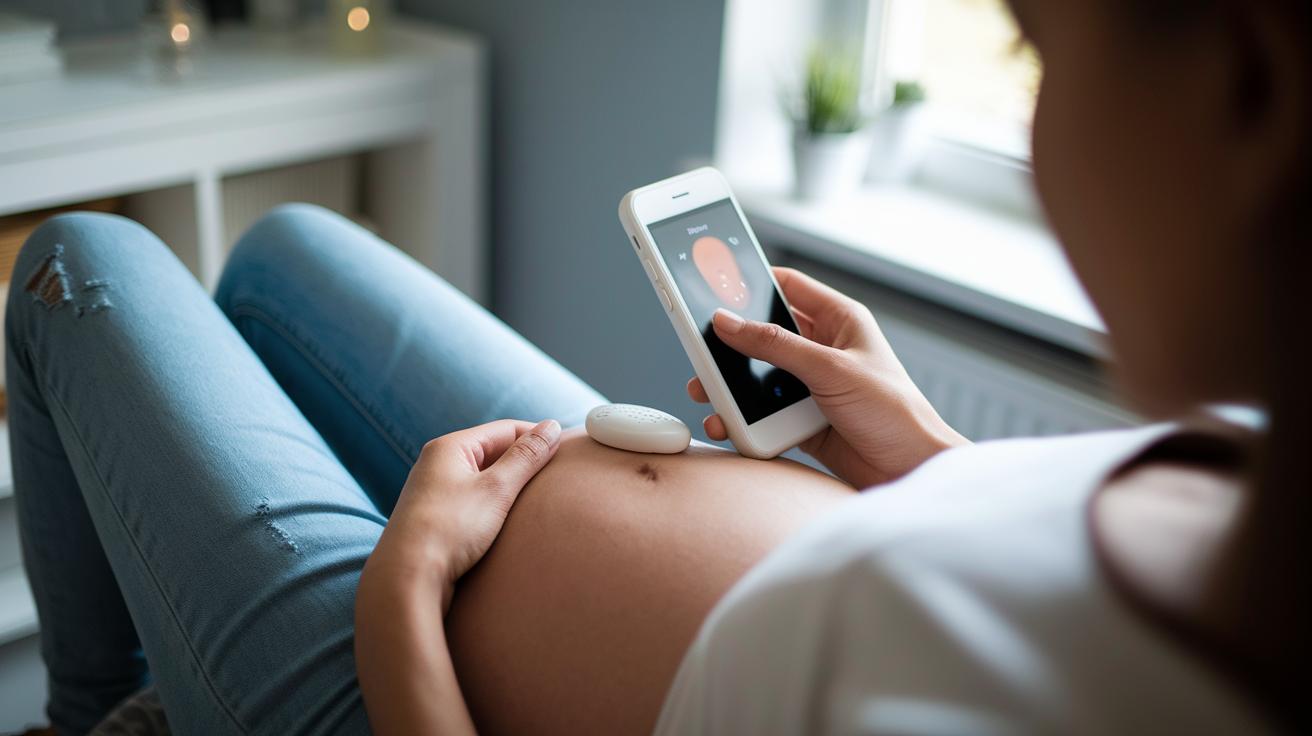
Baby dopplers are little, handy devices that let you listen to your baby’s heartbeat at home. They use the Doppler effect, which means high-frequency sound waves bounce off baby tissue and turn into the gentle sounds of a heartbeat. Imagine holding a small gadget that transforms invisible sound waves into the comforting rhythm of your little one’s heart.
These devices run on batteries and include a handset along with a transducer that you place gently on your belly. All you need is a small dab of ultrasound gel to help the sound travel clearly. Some models even have an earphone jack so you can privately enjoy and record those special sounds.
Around 12 to 16 weeks, you might start seeing little movements, and by 16 weeks the heartbeat becomes much clearer. This milestone not only brings comfort but also helps you track those precious kicks between doctor visits. With features like built-in recording and a user-friendly design, baby dopplers offer a safe and noninvasive way to feel even closer to your unborn child.
Baby Doppler Features Comparison: Top Portable Fetal Monitors
When you're choosing a portable fetal monitor, it all comes down to finding the right features for your family. Think of it like picking a smartphone, you compare battery life, useful functions, and ease of use to see which one fits best in your busy day.
Many of these devices are made for life on the go. They’re small enough to fit neatly in your bag and lightweight enough that handling them feels effortless. Imagine having a device, much like your trusty cell phone, that can gently pick up your baby’s precious heartbeat wherever you are.
Some models even let you listen privately with an earphone jack and offer recording capabilities. In a quiet moment, you could capture your baby’s heartbeat, much like saving a favorite snippet of music for later smiles and memories.
The secret to picking up even the faintest heartbeat lies in the transducer design. Some dopplers have larger contact surfaces that work wonderfully when you add a bit of ultrasound gel, making those delicate beats clearer and more accurate.
And don’t worry about complicated controls – these monitors feature user-friendly interfaces. Whether it’s an easy-to-read analog dial or a crisp digital display, they guide you smoothly through every heartbeat count.
In the end, finding the best baby doppler is about balancing comfort with straightforward functionality, so you feel confident and cared for every time you listen to your little one.
baby doppler: Happy Heartbeats for Expecting Parents

Preparing the Doppler
Sit comfortably and relax, letting your body settle into a gentle, reclined position. Before you begin, dab a small amount of ultrasound gel on your belly and ensure your doppler is right at hand. Find a quiet, cozy spot so the gel can smoothly carry the sound waves, letting you focus on catching your baby’s special heartbeat.
Locating the Heartbeat
Slowly and carefully move the transducer across your belly until you hear that lovely, rhythmic thump. Take your time as you slide the device, listen closely for that steady beat that tells you your baby is there. Sometimes the sound may be confused with your own pulse, so a little patience goes a long way.
Post-Use Care
After you’ve enjoyed this heartwarming moment, take a moment to settle back before cleaning up. Gently wipe away any leftover gel from your belly, then follow the doppler’s instructions to clean the device properly. This simple care routine helps keep your doppler ready for the next time you want to listen to those happy heartbeats.
- Sit relaxed in a cozy, reclined position.
- Apply just a thin layer of ultrasound gel.
- Keep each session to around 10–15 minutes.
- Gently adjust the transducer until you catch the heartbeat.
- Clean both your skin and the device after each use.
For broader prenatal advice, check out first time parent tips.
Evaluating Baby Doppler Safety and Potential Risks
Baby dopplers are often sold as gentle, noninvasive tools that let you hear your baby’s heartbeat right at home. They promise a warm, reassuring connection between regular doctor visits. It’s a comforting thought to feel that little beat in your day.
However, remember that these handy devices aren’t meant to replace a professional checkup. Trusted experts like Tommy’s and the NHS remind us that using a doppler on your own might give a false sense of security or even stir up unnecessary worry. They’re just a little extra help, not a complete health exam.
Sometimes what you hear might not be the heartbeat you expect. For example, a sound from your own blood vessels could be mistaken for your baby’s beat, which can lead to extra anxiety. Also, not every doppler is the same, some have FDA approval for medical use while others are marketed just for fun. This makes it important to understand the differences before you decide which one to use.
Experts suggest keeping your listening sessions brief, following the manufacturer’s guidelines. A short session helps keep things safe and clear, reducing the chance of any misreading that might cause worry. Think of your doppler as a sweet reminder of your little one’s presence rather than a full clinical checkup.
Buying Guide: Choosing the Right Baby Doppler for Your Budget
Finding the right baby doppler means balancing what you need with what you can spend. There are simple audio-only models as well as digital ones that let you record and count kicks. This way, you can choose an option that fits both your needs and your budget.
First, check to see if the device has proper medical clearance. Look for FDA clearance or a CE mark. These signs mean the unit has passed safety tests, giving you extra comfort when listening to your little one's heartbeat.
Next, think about the features that will work best for your daily routine. Good battery life matters if you plan to use it often. Some models even feature easy-to-read digital displays. And if you like keeping track with your phone, there are units that work with apps to monitor your baby’s kicks. These features can make your experience more engaging, though they might cost a bit more.
It’s also important to know if you can buy replacement parts, like transducer heads, and to check reviews about how well the doppler holds up over time.
Finally, take a look at the warranty, customer support, and refund policy. Knowing that you have solid backup if anything goes wrong can make all the difference in feeling secure about your purchase.
Comparing Consumer vs. Professional Baby Dopplers
Choosing the right baby doppler can feel like a big decision. Consumer models are small and battery-operated, making them a cozy choice for hearing your baby’s heartbeat at home. They’re simple to use and give you a sweet peek at your baby’s rhythm.
On the other hand, professional dopplers come with larger probes and higher sensitivity. They deliver clear digital readings and meet strict clinical standards, which means they’re perfect if you need detailed, precise monitoring.
The table below lays out the main differences. It might help you decide if a handy, pocket-sized device meets your needs or if a professional unit is the better match.
| Feature | Consumer Doppler | Professional Doppler |
|---|---|---|
| Transducer size | Small and compact | Larger for improved accuracy |
| Sensitivity | Suitable for basic heartbeat detection | High sensitivity for clear readings |
| Display/readout | Often audio-only or simple analog | Digital heart rate readouts available |
| Regulatory status | May not have FDA classification | Meets tighter clinical standards |
Frequently Asked Questions on Using a Baby Doppler
When can I first hear my baby?
Most parents feel those gentle flutters between 12 and 16 weeks, and you might hear your baby’s heartbeat by around week 16. For more on those first signals, have a look at our pregnancy timeline.
Is it safe?
Yes, it’s safe. The doppler is noninvasive, just keep your sessions to under 15 minutes and follow the simple safety guidelines we provide.
Can it replace doctor visits?
No, it’s only meant to give you a comforting peek at your baby’s heartbeat, not to stand in for professional checkups. We always recommend seeing your doctor, so check out our clinical advice for more information.
What should I do if I can’t find the heartbeat?
If you’re having trouble picking up the heartbeat, it might be because it’s still early, or perhaps the device needs a little adjustment. Don’t worry, check out our troubleshooting tips in the usage instructions to get on track.
How do I record sessions?
Some doppler models come with built-in recording features or an earphone jack to let you capture those special moments. For more details about your model’s features, please see the product information section.
Final Words
In the action of exploring how baby dopplers work, we looked at features, clear safety steps, and practical comparisons between models. We broke down simple guidelines, handy tips, and honest insights on usage and risk. This easy-to-understand guide empowers you to choose a model that feels right for your home. Using a baby doppler can add comfort and confidence during these special moments. Enjoy the peace of mind knowing each heartbeat is a gentle reminder of care and safety.
FAQ
Q: Is it okay to use a baby doppler at home?
A: Using a baby doppler at home is safe when you follow the guidelines. It lets you hear your baby’s heartbeat while complementing, not replacing, your regular prenatal check-ups.
Q: When can you start using a baby doppler?
A: Starting to use a baby doppler is typically possible around 16 weeks when the heartbeat is strong enough, though some devices might pick up faint movement between 12 and 16 weeks.
Q: Why can’t you use a fetal doppler every day?
A: Using a fetal doppler every day isn’t advised because frequent sessions may lead to unnecessary worry. It’s best to limit use to short periods in line with manufacturer recommendations.
Q: What does a baby doppler do?
A: A baby doppler detects your baby’s heartbeat using ultrasound waves that bounce off fetal tissue, converting them into audible heart sounds so you can listen privately.