
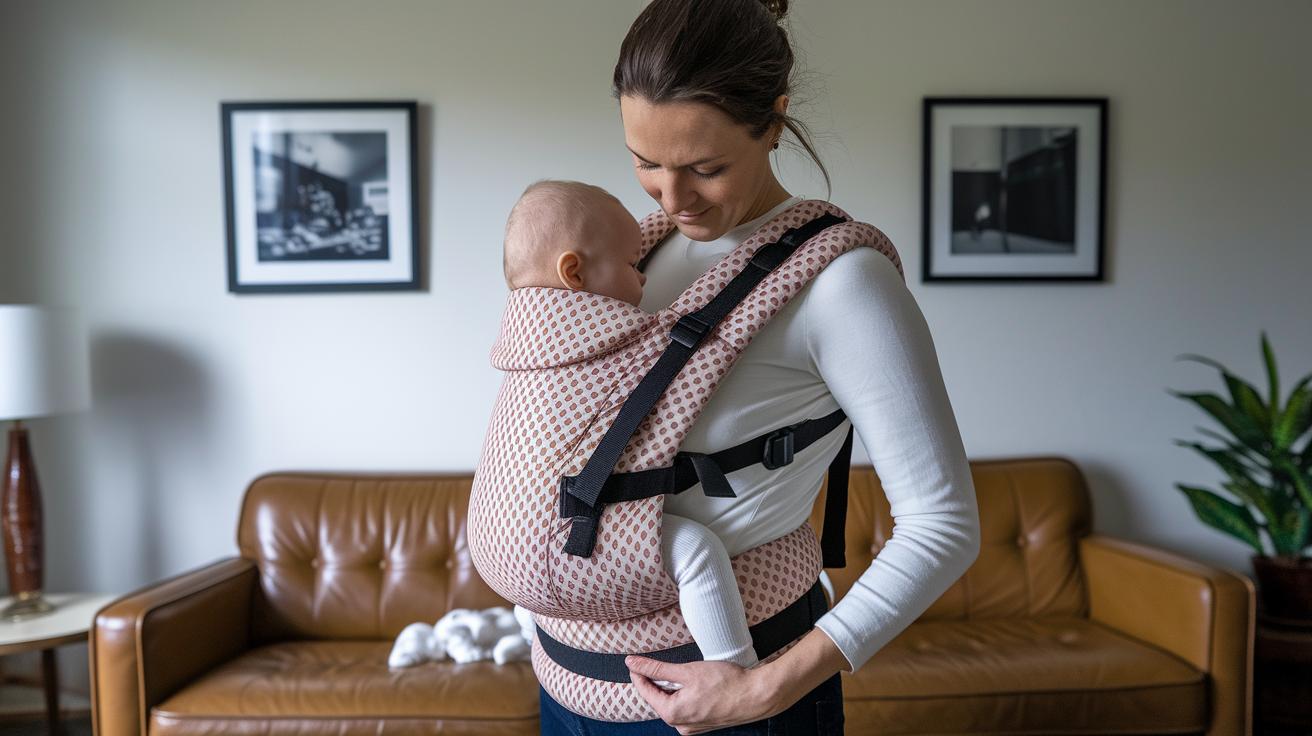
Have you ever thought about how a baby carrier can turn a busy day into a moment of pure comfort? Imagine a carrier that feels like a gentle hug, making even long walks feel like a pleasant adventure.
This isn’t just any carrier. It’s designed with a loving touch that cradles your baby safely while offering you the freedom to move with ease. Think of the soft fabric against your baby’s skin and the easy adjustments that make every outing a little smoother.
By choosing the right carrier with great fabrics and clever support, you and your baby gain a little helper for your daily adventures. It’s like having a trusted friend by your side, keeping both of you cozy and secure every step of the way.
How to Choose the Best Baby Carrier: Types, Safety Guidelines, and Comfort

When picking a baby carrier, you're choosing something that helps you feel comfortable and keeps your little one safe. The right carrier makes daily routines and long walks more enjoyable for both of you. With many styles out there, it helps to think about what works best for your family.
Consider key features like a well-thought-out design, how easy it is to clean, and the support it gives for both you and your baby. A carrier that fits just right can truly brighten your day when you're on the move. Take a moment to think about how often you’ll wear it and if you need one that grows with your child.
- Carrier style and type
- Ergonomic support (think M-position and lumbar pad)
- Adjustability (with straps and flexible seat width)
- Fabric (breathable and easy to wash)
- Ease of use (simple buckles or soft wraps)
These details should match your everyday life. For busy parents who carry their baby several times each day, a carrier with an easy on/off buckle and lots of ways to wear it can be a real lifesaver. If you're often traveling or enjoying the outdoors, a material that breathes and washes in a machine can make care effortless. And for those needing extra comfort, a design that supports healthy hip positioning and offers padded shoulder straps can help ease any strain. Every option should feel like it was made just for you and your child.
Newborn Wraps and Slings: Techniques and Practical Styles for Early Days

Wraps and slings are a warm, practical way to keep your little one nestled close. They give you that hands-on feeling of comfort, as if you're sharing a gentle hug with your baby. For example, the Koala Babycare wrap is made from soft, breathable fabric that's just right for both indoor and outdoor adventures. And if you're in need of something quick, a ring sling offers a fast, secure way to maintain that close contact.
Front Wrap Cross Carry:
Start by laying the middle of your wrap right across your chest. Then, tie one end firmly under the opposite arm. Gently slide your baby in, making sure you support their head and neck with care. Finally, adjust the wrap evenly along your back so that the hold is balanced and snug.
Hip Sling Carry:
Place the end of the sling on your hip. Next, pull the fabric across your front to create a cozy cradle for your baby. Smooth and tuck away any extra fabric so everything feels secure and supportive.
Cradle Hold Wrap:
Drape the wrap over your shoulder and across your body with a gentle touch. Slowly lower your baby into the wrap, aligning their little body with yours. Wrap it securely, and take a moment to check that your baby's hips naturally form an “M” shape for safe positioning.
For extra safety:
- Always tighten the fabric to stop any sagging.
- Smooth out wrinkles so the support is even.
- Double-check that your baby’s face is visible and their airway is clear.
Ergonomic Structured Baby Carriers: Design Features for Parent and Child Comfort
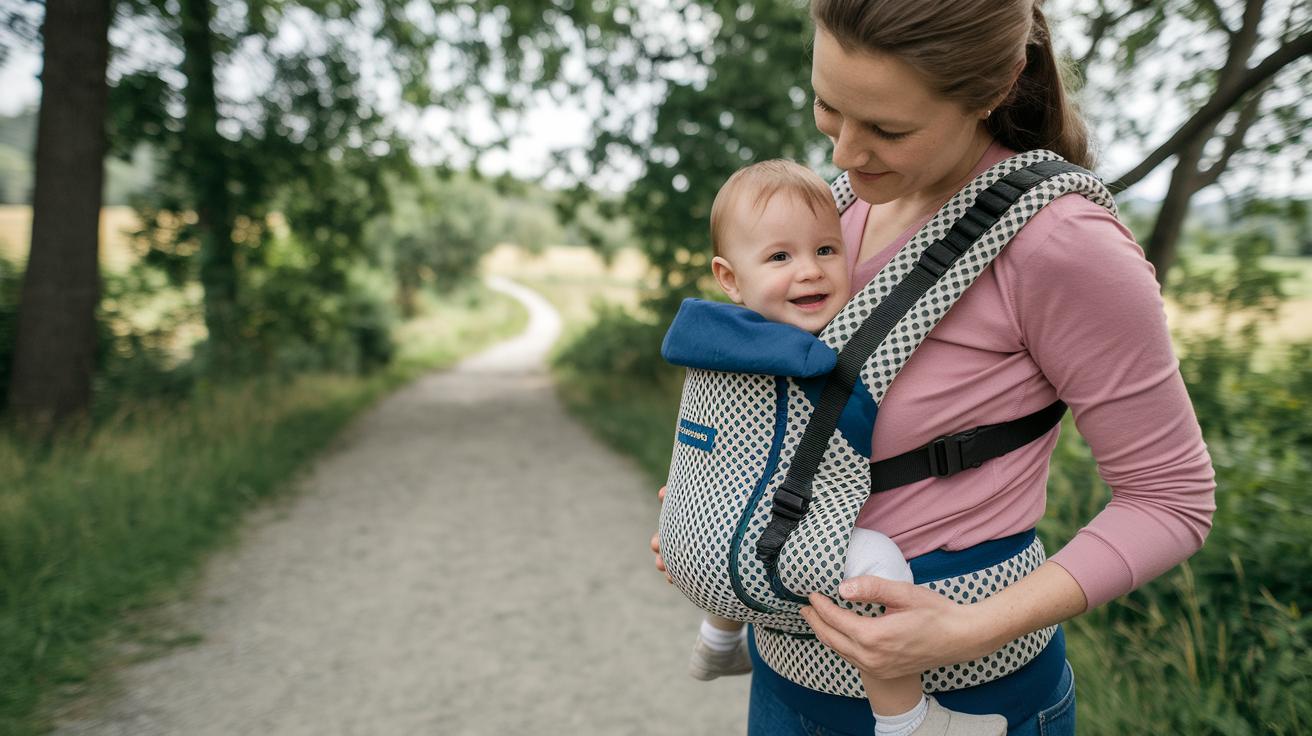
Structured baby carriers are a hit with busy parents who want to feel good while keeping their little ones safe. They let you carry your child in a cozy, secure way and help ease back discomfort when you’re out and about on a long walk. Every detail is designed with care so that both you and your baby feel comfortable throughout your day together.
Here are some standout features:
| Feature | Why It Matters |
|---|---|
| Integrated lumbar support | Keeps your back aligned and reduces fatigue |
| Adjustable seat width | Grows with your child to always offer a snug fit |
| Padded dual-shoulder straps | Distributes weight evenly so you can carry your baby longer without strain |
| Multi-position carry options | Lets you switch easily between front, back, and hip situations depending on your comfort |
Each feature plays a part in making your daily adventures more enjoyable. The lumbar support feels like a gentle reminder to care for your own back, while the adjustable seat means the carrier fits just right, no matter how quickly your child grows. The soft, padded straps help balance the load, leaving you with extra energy for smiles and giggles, and the option to change carry positions ensures you can choose what feels best on any given day.
Using a structured carrier with these thoughtful features is like getting a warm, supportive hug that takes care of you while you care for your little one. It helps you keep a good posture and stay relaxed, letting you fully enjoy every precious moment together.
Essential Safety Guidelines for Baby Carrier Use

Choosing a baby carrier is all about keeping your little one safe and cozy. When you carry your baby, you’re not only keeping them close to your heart, but you’re also supporting their healthy growth. Following trusted, pediatric-approved safety tips means you can enjoy those sweet, calming moments more fully, knowing you’ve got their head, neck, and airway well looked after with the T.I.C.K.S. guidelines.
- Tight
- In view
- Close enough to kiss
- Keep chin off chest
- Supported back
Newborn Positioning Check: 3-point checklist
First, make sure your baby’s hips naturally form an “M” shape so their legs stay in a healthy position. Next, be sure their head and neck are comfortably supported and easy to see. Also, check that the fabric isn’t bunched up around their airway.
When to Move to Back Carries: Age and Developmental Cues
Watch for signs of stronger neck support, usually around six months old. When your baby can sit up with little help, it might be time to switch to back carries. Also, notice if they’re becoming more active and curious; that extra wiggle can be a sure sign they’re ready.
Keep an eye on your baby’s breathing and overall comfort as you share these special moments together.
Cleaning, Maintenance and Care of Your Baby Carrier

Your baby carrier is your trusted partner in daily adventures, so keeping it clean and cared for is key. It gets handled, touched, and sometimes even splashed by spills or little accidents. A little routine care not only keeps it fresh but also preserves its stretchiness and strength.
Start by gently spot cleaning any stains before a full wash. Use a mild detergent on a soft machine wash setting, and then let it air-dry flat. Every month, take a moment to check the hardware to be sure everything is still in top shape.
Today’s carriers often feature soft, moisture-wicking, antibacterial cotton blends. These friendly fabrics help move air, keeping you and your baby cool and comfortable. By steering clear of fabric softeners, you let the fabric maintain its natural stretch and durability. Regular, thoughtful care means your carrier stays safe and comfy for every cuddle and outing.
baby carrier: Perfect Fit and Ultimate Comfort
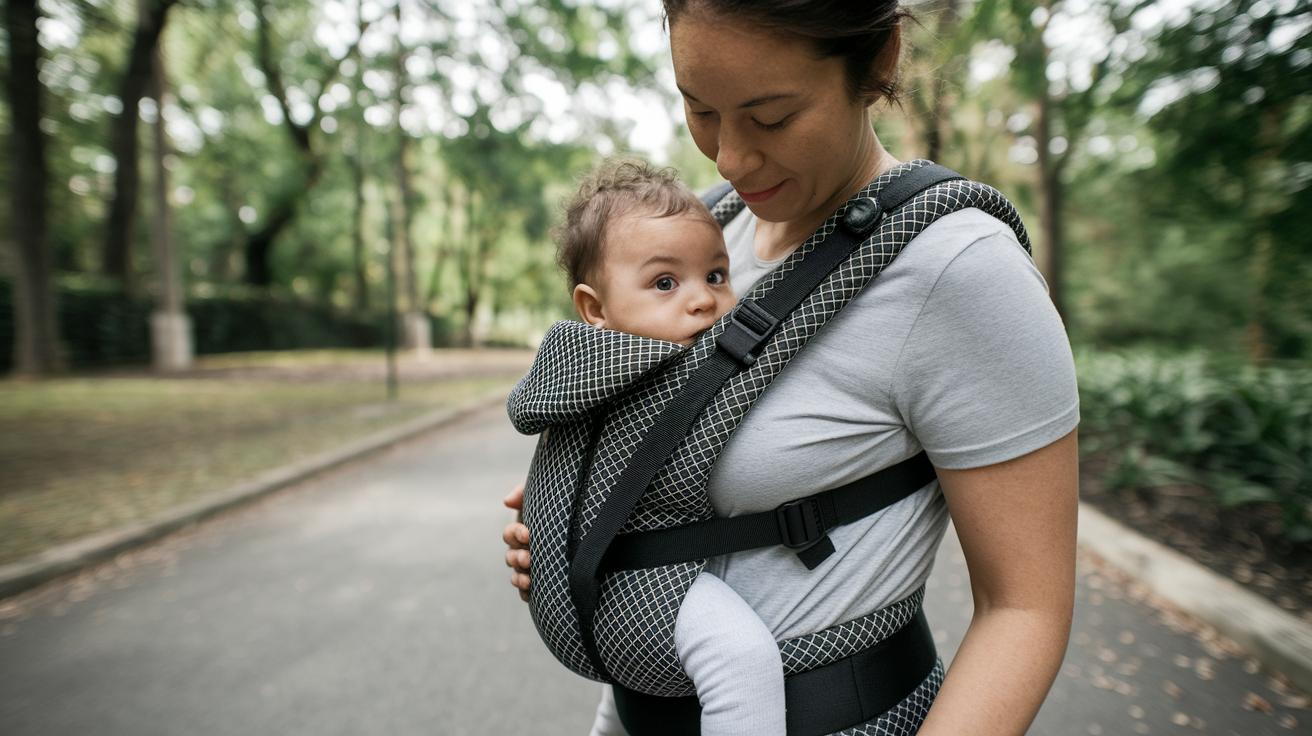
When picking a baby carrier, it's important to choose one that suits your daily life and offers enough comfort for you and your little one. We carefully compared various carriers based on how they share the load, adjust to your body, protect healthy hip positioning, and even how easy they are to clean. Whether you’re a plus-size parent looking for a perfect custom fit or you need a budget-friendly wrap that keeps your baby close, these options are chosen with your busy life in mind.
| Carrier Model | Type | Key Feature | Price Range | Rating |
|---|---|---|---|---|
| Wildbird Aerial Carrier | Structured | Custom fit for plus-size | $$$ | 9.0 |
| Koala Babycare Wrap | Wrap | Wall-to-wall skin contact | $ | 8.5 |
| Baby Tula Lite | Soft-structured | Makes multitasking with newborns easy | $$ | 9.0 |
| Ergobaby Omni 360 | Structured | Adaptable carry positions | $$ | 9.0 |
| Bear 6-in-1 Carrier | Structured with hip seat | Extra hip support | $$ | 8.8 |
| TwinGo Original | Twin Carrier | Designed to support two babies | $$$ | 9.0 |
Every carrier has its own strengths to match a parent's unique needs. The Wildbird Aerial Carrier is a blessing for plus-size moms who need a custom fit for long walks. If you’re watching your budget while keeping your baby snug, the Koala Babycare Wrap wraps your baby close and cozy. Then there's Baby Tula Lite, which makes juggling newborn care and daily tasks a bit simpler. The Ergobaby Omni 360 grows with your child, offering different carry styles as your baby develops. For those hectic days that call for extra support, the Bear 6-in-1 Carrier provides a helpful hip seat. And if you’re raising twins, the TwinGo Original is made to hold both babies safely while letting you enjoy every moment.
Each choice is all about making your day easier and more joyful. Enjoy exploring these options and find the one that fits your family’s needs perfectly.
Final Words
In the action, we explored the key elements behind choosing a baby carrier, from the practical wrap and sling techniques for newborns to the supportive features of structured carriers. We highlighted safety tips, evaluation criteria, and easy care routines to help every parent make an informed decision.
This post offers a clear guide to finding a carrier that fits your baby's needs and your lifestyle. Enjoy the comfort and closeness that the perfect baby carrier brings, making every cuddle moment enriching and secure.
FAQ
What is a baby carrier basket?
The baby carrier basket is a structured option that includes a basket-like seat, offering firm support and easy access to your little one while keeping them secure and properly positioned.
What is a baby carrier seat?
The baby carrier seat refers to carriers with a built-in supportive seat that gently holds your baby, emphasizing safe seating, ergonomic support, and an easy, comfortable carry.
What is a baby carrier wrap?
The baby carrier wrap is a long piece of fabric you tie around your body to create a snug pouch for your baby. It provides a soft, flexible hold that’s ideal for keeping newborns close.
What is a baby carrier for newborns?
A baby carrier for newborns is specifically designed to support a tiny body’s head, neck, and hips while using soft, adjustable materials that ensure close, secure contact from the very start.
What is the best baby carrier?
The best baby carrier fits your body and lifestyle, offering versatile carry positions, comfortable ergonomic support, and quality materials while being easy to adjust for both safety and ease.
What is a Tula baby carrier?
The Tula baby carrier is a popular structured carrier known for its ergonomic design, adjustable features, and stylish look. It provides excellent support and comfort for both parent and child.
What is a Baby Carrier Ergobaby?
The Baby Carrier Ergobaby is a trusted structured carrier featuring padded straps, lumbar support, and multiple carry options designed to evenly distribute weight for a secure and comfortable experience.
What is a baby carrier for men?
A baby carrier for men focuses on a robust, supportive design with adjustable straps and lumbar support, helping dads carry their little ones comfortably while reducing strain during long wears.
When can you start using a baby carrier?
You can start using a baby carrier soon after birth, provided it supports your baby’s head, neck, and hip alignment. Always follow pediatric guidelines to confirm safe use from day one.
What is the $800 baby carrier?
The $800 baby carrier refers to a high-end model boasting premium ergonomic design, advanced materials, and extensive features for parents looking for top-notch comfort, safety, and style.
Can a 3 week old baby go in a carrier?
A 3-week-old baby can safely be in a carrier if it offers proper head, neck, and hip support and follows newborn safety guidelines, ensuring your little one feels secure and comfortable.
Is a sling or carrier better for a newborn?
Choosing between a sling and a carrier for a newborn depends on your needs; wraps and slings often offer more adjustable and intimate support, making them ideal for satisfying a newborn’s need for closeness.