

Have you ever wondered if your baby's car seat truly gives them the best protection? When every ride matters, you deserve clear answers about what keeps your child safe.
This guide explains how tough tests set by the government and smart design choices join forces to protect your little one. From a snug 5-point harness that gently holds your baby to impact-absorbing foam that softens bumps along the way, you'll see why these features are trusted by parents everywhere.
Baby Car Seat Buying Guide: Safety Standards and Features

When you're choosing a car seat for your little one, you want the utmost care and safety. In the U.S., every car seat is built to meet strict federal standards like FMVSS 213 enforced by NHTSA. That means each seat undergoes careful side-impact and frontal crash testing to protect your baby on every journey. Manufacturers go the extra mile with regulations ensuring infant safety harnesses gently secure your baby's delicate frame during sudden stops.
Experts and the law agree, infants and children under age 2 should always ride rear-facing. Many states have rules to keep seats rearward until specific weight and height limits are met because this setup has been shown to reduce injuries in a crash. If you ever wonder why rear-facing is so important, consider it like choosing the right bedtime story: it should be safe, soothing, and just right for the moment. Manufacturers also highlight how ISO safety certifications add another layer of trust and clarity.
| Key Feature | Why It Matters |
|---|---|
| 5-point harness | Keeps your baby securely in place |
| Anti-rebound bar | Minimizes movement when a crash happens |
| Impact-absorbing foam | Cushions shocks, giving a softer landing |
| Side-impact protection | Reduces the force from a side collision |
| Clear installation indicators | Helps you set up the seat correctly |
Following these guidelines is more than just meeting legal requirements, it means choosing a car seat designed with your baby’s well-being in mind. When you install each feature properly, you’re offering your child a loving, secure space to enjoy every ride.
Top Infant Car Seat Models: Reviews and Crash-Test Insights

We tested each car seat carefully by simulating crashes and trying them in different cars. Our team looked at how easy it is to install each seat, how snug they fit, and how well they perform in a crash. We want you to feel confident that you’re choosing a seat that puts your baby’s safety first.
Graco SnugRide SnugFit 35 DLX
The Graco SnugRide SnugFit 35 DLX really stands out with its special anti-rebound base that adds extra stability during a crash. Some parents mentioned that the belt installation can feel a bit loose, and a small tweak with a towel or pool noodle might be needed. Still, its strong performance in tests gives many moms and dads peace of mind.
Chicco KeyFit Max ClearTex
The Chicco KeyFit Max ClearTex is designed with a neat European belt path that makes setting up without a base simple and quick. It performs admirably in crash tests, so you can feel safe on the road. Just remember it expires at 6 years, which is helpful to consider if you plan on using it for more than one child.
Uppababy Aria
The Uppababy Aria turns heads with its super light design, weighing just 6 lbs. It comes with a load-leg and an anti-rebound bar, combining solid crash protection with easy portability. This seat is perfect if you’re looking for a blend of lightweight handling and dependable safety.
Clek Liing
The Clek Liing is a great pick for parents who appreciate a precise installation. It uses a sturdy LATCH system with clear color-coded guides to make the process simple. Although the harness needs manual rethreading as your child grows, its strong crash protection makes it a trusted choice.
| Model | Weight | Price | Key Safety Feature |
|---|---|---|---|
| Graco SnugRide SnugFit 35 DLX | 9.5 lbs | $250 | Anti-rebound base |
| Chicco KeyFit Max ClearTex | 10 lbs | $300 | European belt path |
| Uppababy Aria | 6 lbs | $400 | Lightweight with load-leg |
| Clek Liing | 11 lbs | $500 | Rigid-LATCH system |
Convertible Baby Car Seats: When and How to Upgrade
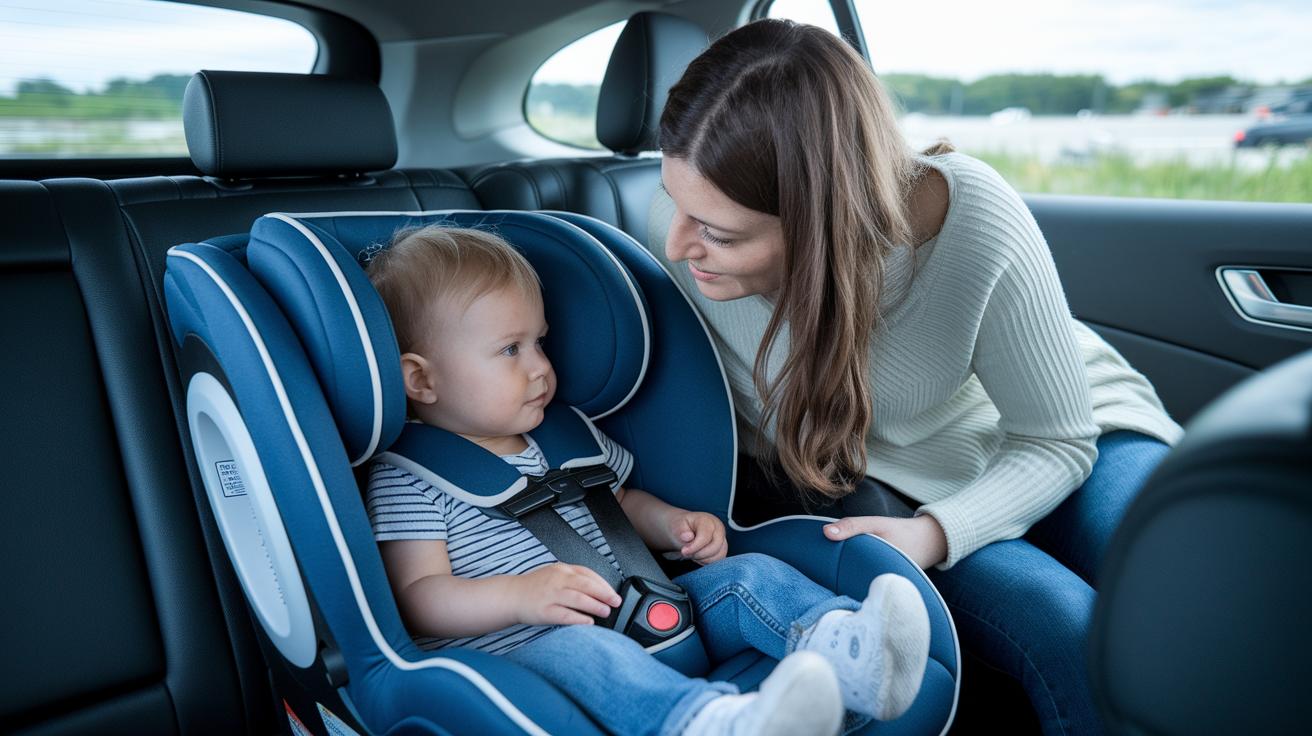
Convertible car seats are designed with your growing child in mind. They start out keeping your little one safe in a rear-facing position and later switch to a forward-facing style as your child gets bigger. Many seats adjust for kids weighing from about 5 pounds up to 55 or more. It’s like having one reliable seat that hugs your baby safely from their first smile to their toddler adventures.
Experts remind us to switch to forward-facing when your child outgrows the rear-facing limits. Usually, this happens when your baby reaches the max height or weight that the seat supports from the back. Doing this ensures the harness and other supports work just like they should, giving your child the best protection every time you hit the road.
When you’re choosing a convertible seat, look for extra features that bring both comfort and safety. Adjustable harnesses that grow with your child and extra head support to soften bumps are real game-changers. Some seats even offer different recline settings so you can make naptime cozy or keep your little one alert during busy rides. These thoughtful details make it easier to adjust as your child grows, wrapping each ride in care and security.
Installation Techniques for Rear-Facing Baby Car Seats
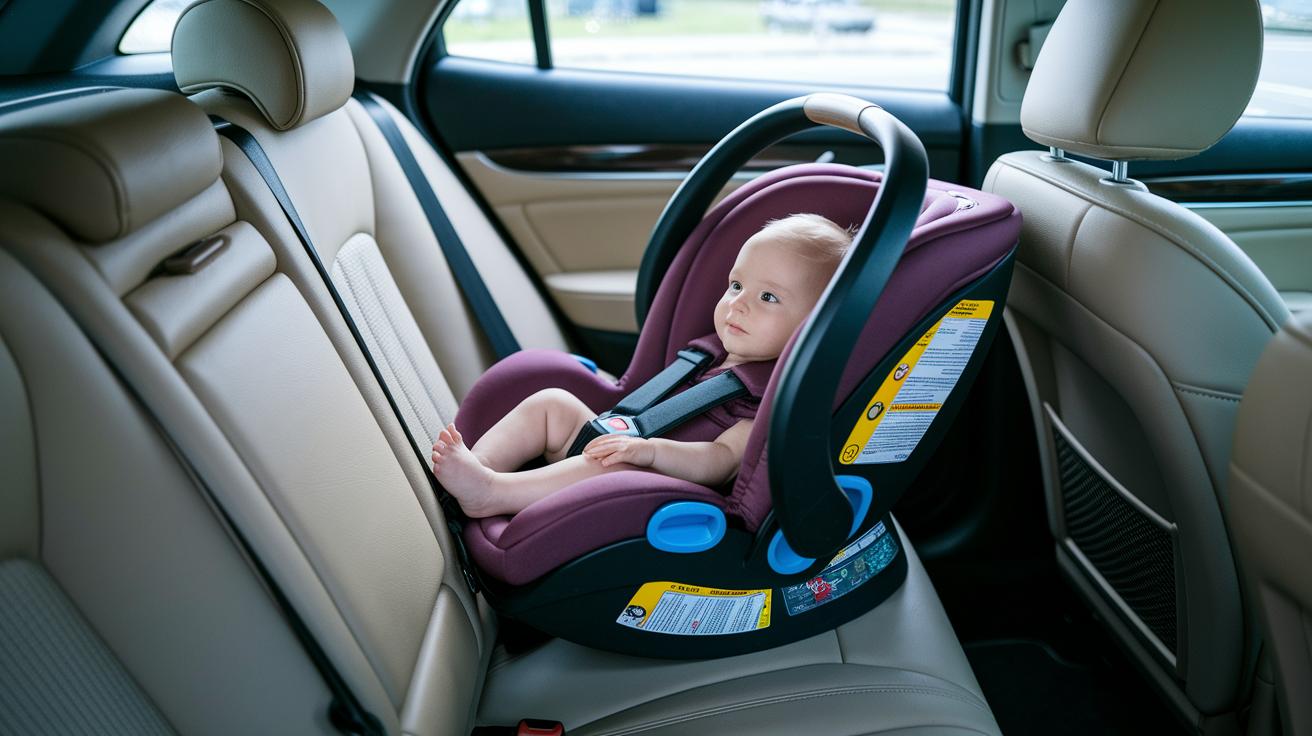
Making sure your car seat is installed correctly is one of the best ways to keep your little one safe. A proper installation means the harness sits flat and snug at or below the shoulder, which can really help protect your baby during sudden stops. Whether you're using a Graco anti-rebound base that might need a foam wedge, a Chicco European belt path that makes a no-base setup smoother, or a Clek Liing with its easy, color-coded LATCH system, spending a few extra minutes getting it right is totally worth it.
Here’s a simple checklist to follow:
- Pick the best spot in your car.
- Adjust the recline angle to the recommended position.
- Secure the LATCH or seat belt tightly.
- Tighten the harness until it lies flat and snug.
- Check the angle indicator to make sure the tilt is just right.
- Do the pinch test to ensure there’s no excess slack.
Sometimes, small mistakes can happen that might affect how well the seat performs. If the LATCH or belt isn’t tightened enough, the seat might move around during a crash. And if the recline angle isn’t set correctly, the seat might not be as secure as it should be. So if you notice the harness isn't fitting perfectly, take a moment to readjust it so the straps line up nicely with your baby’s shoulder. Many first-time parent tips recommend double-checking each step, and there’s plenty of online help if you run into any issues. A tiny error in installation can mean less protection overall, so reviewing every step carefully is all about giving your baby the cozy, secure ride they deserve every time.
Transitioning Baby Car Seats to Forward-Facing and Booster Seats
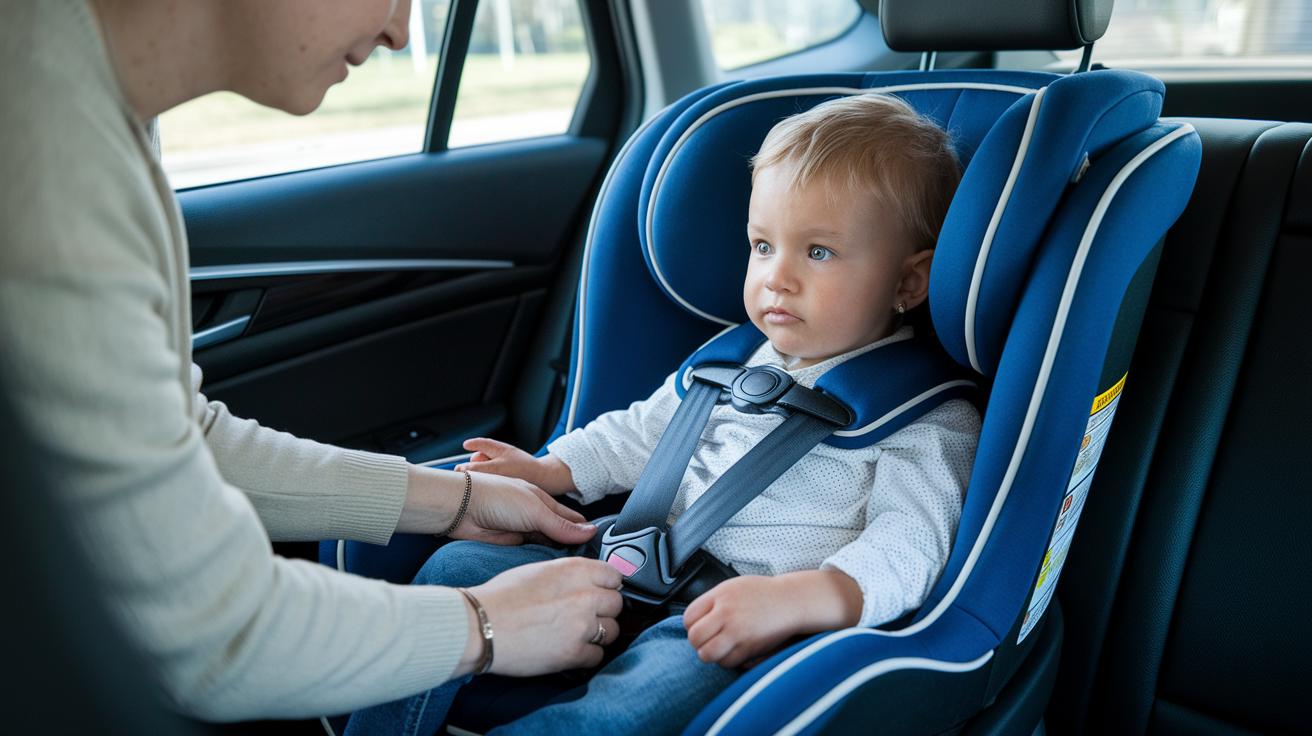
When your little one grows too big for the rear-facing seat, it’s time to look at a forward-facing harness. This usually happens when your baby is around 40 lbs or when the snug little harness just isn’t fitting right anymore. Laws might differ depending on your state, but experts all say it’s important to watch your child’s weight and height to be safe. You really want to wait until your kiddo actually needs the new support so nothing is compromised.
After switching to forward-facing, most toddlers stay safely buckled up until they’re about 4 years old or around 40 lbs. Once they outgrow that harness system and the car's seat belt fits them perfectly, booster seats step in. High-back boosters are great because they give extra comfort and protect your child’s head and neck during sudden stops. Just make sure the booster works well with your car’s seat belt and fits your little one snugly every time you ride.
Caring for Your Baby Car Seat: Maintenance and Expiration

Your baby’s car seat is there to keep your little one safe on every ride. Most car seats are made to be used for about 6 to 7 years. As time goes by, the materials can wear out and the safety features may not work as well. It’s a good idea to mark the date on the seat’s instruction card and switch to a new seat when that date comes. Knowing when to replace it means every ride stays safe and secure.
Keeping the car seat clean is just as important. Use a mild soap to gently clean the fabric pads, as the manufacturer recommends. Avoid harsh cleaners like bleach because they can hurt the materials. A gentle wash preserves the softness and strength of the fabric, ensuring it continues to protect your child effectively.
Storing the car seat properly adds another layer of care. Try to keep it in a place with a steady temperature and out of direct sunlight. This helps to prevent wear and tear before its time. Take a moment every now and then to look it over, check for any cracks or frayed straps. A quick check can catch little problems early, keeping your baby’s safe ride worry-free.
Baby Car Seat FAQs: Expert Answers for Common Concerns
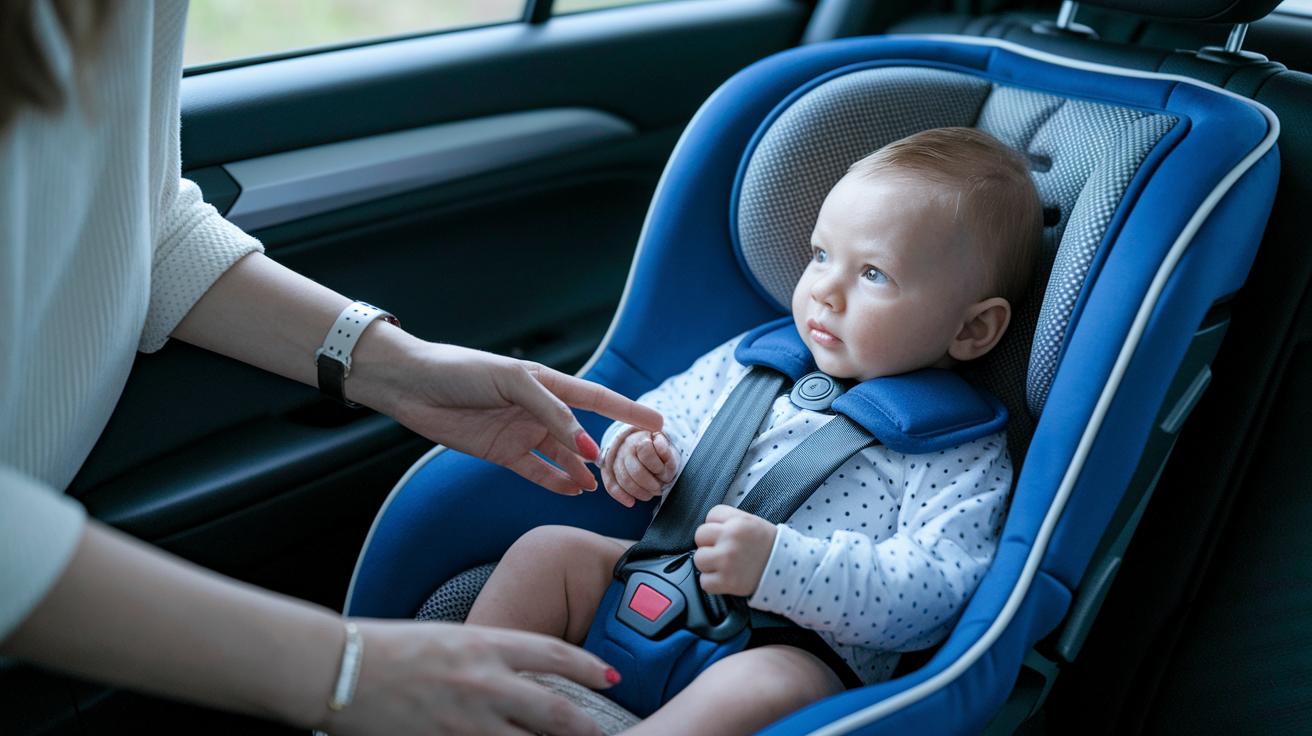
We cover harness tightness in our installation guide. You’ll find a handy pinch test there, if you can’t pinch any extra webbing, it's just right for your little one.
For proper harness height, check out our adjustment tips. They show you exactly how to keep the straps flat and at or below your baby’s shoulders.
In our convertible car seat guide, we explain when it's time to rethread or replace the harness. You’ll learn how to fix twisted straps and spot when wear means a change is needed.
Worried about a loose base? Our installation guide includes practical tips, like using a belt lock-off or even a pool noodle for a snug, secure fit.
We outline expiration rules in our usage timeline section, explaining how to check the recommended date on your car seat to keep things safe.
When switching between rear- and forward-facing modes, our usage guidelines recommend keeping your baby rear-facing until they reach the weight or height limit.
Final Words
In the action, we explored the must-knows about ensuring safety and comfort in your baby's travel. We covered federal safety standards, key design features, and proper installation techniques. We also touched on transitioning from rear-facing to forward-facing seats, along with the best ways to care for your car seat.
This guide serves as a gentle reminder that every detail counts when caring for your little one. Each safe ride in your baby car seat is a step towards a safer, happier ride.
FAQ
What is a baby car seat and stroller set?
A baby car seat and stroller set offers coordinated safety and convenience. It combines a secure car seat with a stroller designed for gentle rides, making outings simpler and safer for your little one.
What is a toddler car seat?
A toddler car seat is built for growing children transitioning from infant seats. It features adjustable harnesses and more room to ensure your toddler stays secure and comfortable during rides.
What is a convertible car seat?
A convertible car seat adapts as your child grows. It starts rear-facing for newborns and easily converts to a forward-facing seat, consistently supporting safety and comfort at every stage.
What is the best infant car seat?
The best infant car seat combines top safety standards, ease of installation, and a cozy design. It meets all regulatory requirements while ensuring your baby enjoys a gentle, secure journey.
Why choose a Nuna car seat?
Choosing a Nuna car seat means opting for a design trusted for its premium build and safety features. It offers a balance of thoughtful design and ease of use that many parents appreciate.
What distinguishes a Graco car seat?
A Graco car seat stands out with a trusted design and reliable safety features. Many families value its smooth installation, secure harness system, and practical approach to everyday travel safety.
What do Evenflo car seats offer?
Evenflo car seats focus on dependable safety and simple installation for busy families. They provide robust protection with user-friendly features, ensuring your child feels secure on every trip.
How long does a baby have to be in an infant car seat?
A baby typically remains in an infant car seat until reaching the seat’s weight and height limits. This guideline guarantees that the rear-facing protection continues to support their growing head and neck.
Where can I get a car seat for free?
Car seat giveaways and community programs can offer free seats for families. Contact local non-profits, health departments, or community centers to see if any free car seat safety programs are available near you.
Why is there a 2-hour car seat rule?
The 2-hour car seat rule is meant to limit continuous use of the seat during travel. This guideline helps prevent overheating and discomfort, ensuring that your child remains safe and comfortable throughout the ride.
Can a 4-month-old baby use a car seat?
A 4-month-old baby is safest in a properly installed rear-facing infant car seat. This design supports their head, neck, and spine, aligning with recommended guidelines for early travel safety.