

Have you ever wondered if a little extra weight in your baby's sleep sack can feel comforting, or if it might even be risky? Weighted sleep sacks have caught many parents' attention lately. Some of these sleep sacks are made to feel like a warm, gentle hug, but there isn’t a set rule on how much weight is best, so not every option might be right for your baby.
In this post, I'll share how these sleep sacks work and what they mean for your little one's safety. You'll learn the key points so you can relax at night, confident that you picked what’s best for your baby.
Weighted Sleep Sack Safety Overview

Recent reviews, including one on March 05, 2024, have sparked questions about the safety of weighted sleep sacks for our babies. With the popularity of weighted blankets for adults, similar ideas have cropped up for little ones. But babies under one year are still growing, with soft, developing bones that might not be ready for extra pressure. While some manufacturers say these sleep sacks can offer comforting, snuggly support, our tiniest loved ones need extra care.
The weight added by these sleep sacks can vary a lot, from around 0.5 lb to nearly 2 lbs. There isn’t a standard weight rule, which means that while some products might deliver a gentle, calming feel, others could add too much pressure on a baby's chest. For instance, one parent shared that when they used a sleep sack closer to 2 lbs, their baby had trouble moving, raising concerns about restricted breathing.
There are two main ways these sacks are designed. One style uses a central pouch that feels a bit like a parent's warm touch on your baby’s chest. Another style, like the Dreamland model, spreads the weight evenly across the sack. Although some parents have reported how calming these products can be, there isn’t much clinical proof yet to back up these benefits. Experts remind us to be cautious as there’s a risk of overheating and breathing difficulties without clear safety guidelines.
It’s important for parents to check out product reviews and carefully consider these factors when choosing a sleep sack. Keeping your baby’s unique needs in mind can help you make a choice that feels both safe and comforting.
Infant Physiology and Weighted Sleep Sack Risks

Infants are delicate, with soft bones mostly made of cartilage until they reach about one year. Their muscles are still growing, so extra weight in one spot can press against their tiny chests and make it harder for them to move naturally. Imagine a little seedling trying to push its way through a heavy blanket, it can really struggle to breathe and shift around. A sleep sack weighing close to 2 lb might keep your baby from easily moving away from pressure, which could affect their breathing.
| Weight Amount | Safety Considerations |
|---|---|
| 0.5 lb – 1 lb | Light pressure with minimal impact on movement. |
| 1 lb – 1.5 lb | Moderate weight that might limit repositioning if not watched closely. |
| 1.5 lb – 2 lb | Heavier weight that could make moving and breathing more difficult. |
It’s important to keep these details in mind so our little ones can rest safely and comfortably.
are weighted sleep sacks safe: Sleep with Confidence

Weighted sleep sacks come in two distinct styles that aim to cradle your baby in comfort. One style features a central pouch filled with glass beads, creating a feeling that’s much like a warm, gentle hug from a loved one. It’s almost as if the sleep sack gives a little, reassuring cuddle.
The other style spreads beads or sand evenly throughout the fabric, offering a balanced, soothing pressure similar to the calming heft of an adult weighted blanket. Both designs focus on giving your little one a sense of security and calm.
However, it’s important to note that neither design has undergone a standard, unified clinical safety test. While many parents share heartwarming stories about how relaxing these sleep sacks can be, the formal safety evaluations are still missing.
As you weigh your options, consider these details along with previous insights about sleep product safety to decide what’s best for your baby.
Regulatory and Certification Gaps in Weighted Infant Sleepwear
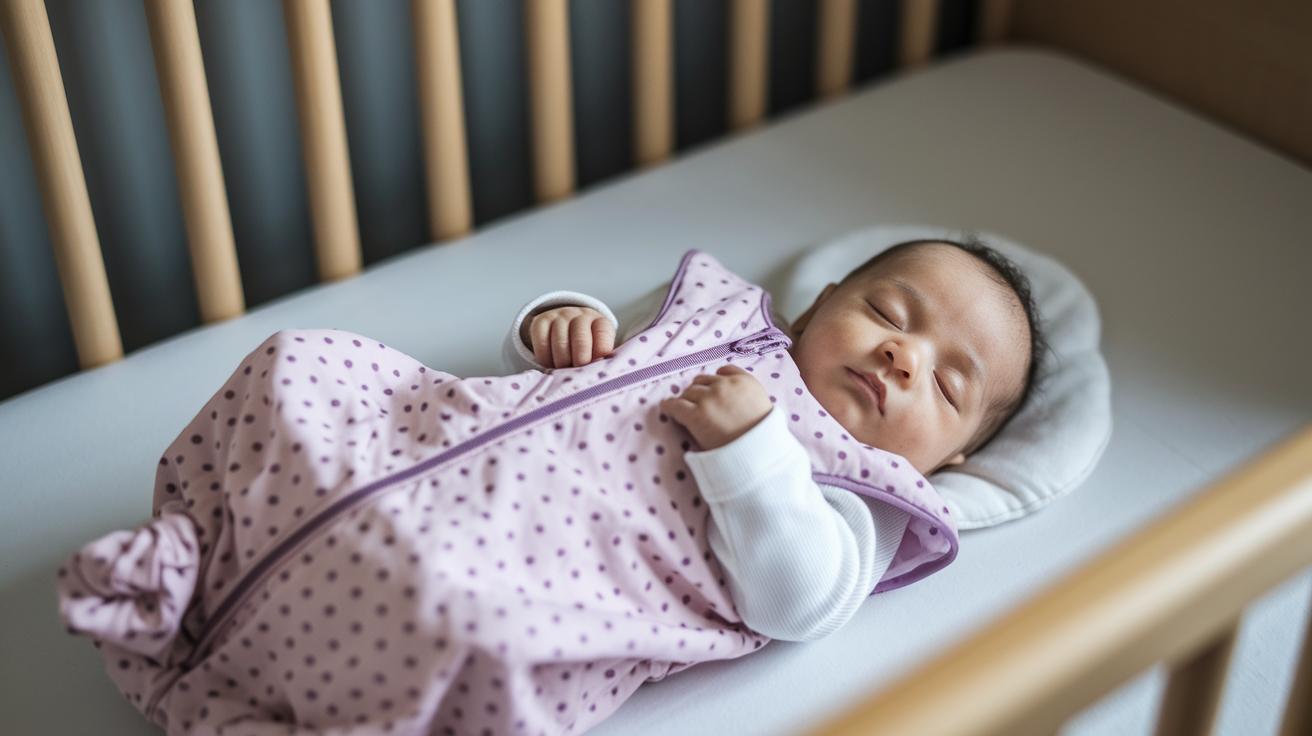
Right now, there isn’t a government rule from the FDA or CPSC that sets a maximum weight for infant sleep sacks. This means each company decides on its own, and some sleep sacks may even approach 2 pounds. It can be quite confusing when a label claims top safety standards, but there isn’t one clear rule everyone follows.
The American Academy of Pediatrics advises us to avoid loose bedding and extra weighted items in cribs because even a little extra weight can be risky. They recommend products that stick to strict loose bedding guidelines. Many weighted baby garments are only checked for warmth using TOG and thermal ratings, which don’t tell us much about the safety of adding extra weight.
Without a clear certification process for these weighted items, it feels a bit like buying a car without knowing its fuel efficiency, important safety details might be missing. Until trusted groups like the AAP step in to offer specific guidelines or the industry creates universal standards, parents are left with manufacturer claims and shared stories from other families.
This gap in regulation means it’s more important than ever to look carefully at every product detail. We all want the best for our little ones, and being extra cautious ensures that comfort and safety go hand in hand.
are weighted sleep sacks safe: Sleep with Confidence

Pediatrician Perspectives
Many pediatricians suggest that weighted sleepwear may not be the best choice for babies under one year. They feel that little ones need plenty of room to breathe and move freely since their bodies are so delicate. A doctor shared that traditional wearable blankets can offer the same cozy warmth without adding extra weight that might limit a baby's movement. In fact, using proper swaddling along with a safe room temperature usually supports a baby’s natural sleep cycles better. Experts also point out that relying on studies from adult blankets doesn’t give us the full picture, so they recommend avoiding added weight when there’s no clear weight guideline. This advice helps parents feel confident that they are choosing smart and safe sleep solutions for their baby.
Safe-Sleep Alternatives
Parents looking for a cozy, secure way to help their baby sleep might try wearable blankets or swaddles with secure fasteners. These products mimic the familiar comfort of a parent’s embrace, but without the extra weight that could restrict movement. Occupational therapists note that while weighted sleepwear might have some benefits for neurodivergent toddlers, they advise waiting until after a baby’s first birthday before considering any products with additional mass. A great tip from many safety groups is to keep a close eye on your baby’s movement and breathing when using any sleep product. If your baby seems unusually still or struggles during sleep, it might be a sign to switch to a lighter option. By following these tips, parents can create a safe and snug sleep space that keeps their little one comfortable and secure.
Final Words
In the action, we examined how weighted sleep sacks interact with baby physiology and highlighted the lack of clear safety standards. We discussed various designs and shared expert advice to help you choose smart, safe sleep options for your baby. Each part aimed to give you clear insight and practical tips, all while focusing on comfort and healthy development. Remember, are weighted sleep sacks safe? Choose wisely and feel good knowing you’re supporting a safe, cozy sleep space for your little one.
FAQ
What is Dreamland sleep sack and are Dreamland baby sleep sacks safe?
The Dreamland sleep sack is a baby sleep product that spreads its weight evenly to offer a gentle, comforting touch. Although many parents find it calming, clinical safety data is still limited.
Are weighted sleep sacks safe for different ages like 1-year-olds, 6-month-olds, 3-month-olds, 4-month-olds, toddlers, and 2-year-olds?
The weighted sleep sack safety depends on your child’s age and development. Very young infants have softer bones that may not handle extra weight, while some older toddlers might be better suited with careful supervision.
Are weighted sleep sacks safe according to Reddit discussions?
Reddit discussions show mixed experiences; some parents report soothing effects while others worry about restricted movement and breathing issues. Experts recommend talking with your pediatrician for personalized advice.
Why is Dreamland no longer available on Amazon?
Reports suggest Dreamland sleep sacks were removed from Amazon due to evolving safety standards and inventory adjustments. Parents interested in such products should check current safety credentials and regulatory updates.
What is the 3-3-3 rule for baby sleep?
The 3-3-3 rule generally promotes keeping a baby’s sleep area clear and safe by limiting extra bedding and distractions. Since guidelines vary, it’s wise to consult trusted pediatric sources for clear, tailored instructions.
| Weight Amount | Safety Considerations |
|---|---|
| 0.5 lb | May provide a light calming effect but isn’t advised for very young infants. |
| ~1 lb | Often better tolerated in infants over 12 months with vigilant supervision. |
| 1.5-2 lbs | Typically used for toddlers; higher weight can restrict movement and breathing in infants. |