
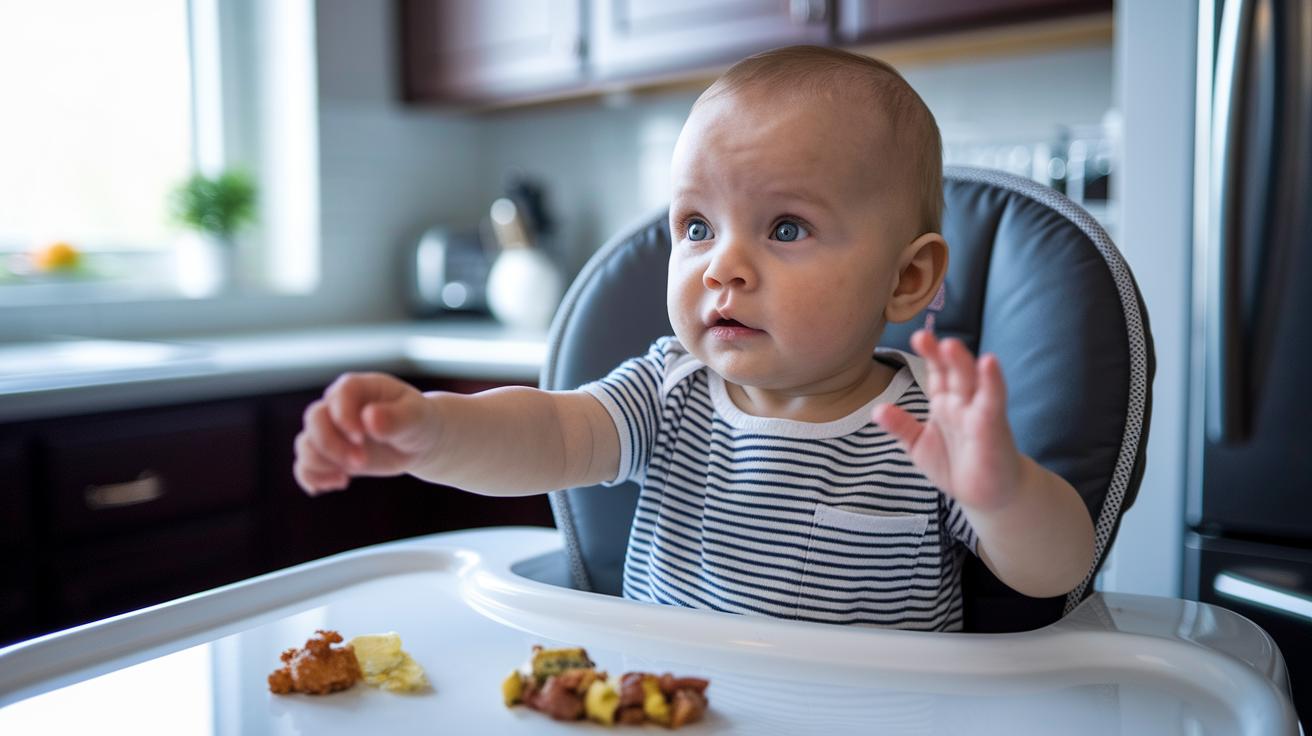
Have you ever thought that letting your baby explore food on their own could help them develop healthy habits for life? Baby-led weaning lets your little one pick up soft, small pieces right at the family table, turning mealtime into a fun, hands-on adventure. Instead of spooning purees, your baby gets to feel and taste, which not only sparks curiosity but also helps build fine motor skills and self-control. And let’s be honest, it makes every meal feel full of warmth and connection. Start around six months, and you might just open the door to a world of relaxed, joyful eating experiences with each nibble.
Baby Led Weaning: Bright Beginnings at Every Bite

Baby-led weaning invites your little one to explore family table foods in their own sweet way. Instead of the usual purees, your baby gets to try soft, safe pieces that they can pick up and enjoy themselves. Experts say it's best to start around six months, when your baby’s tummy and immune system are a bit more ready for solids. For example, waiting about 30 minutes after a feed can make those first bites both fun and manageable.
Starting is as simple as adding one solid meal during family mealtime. When your baby sits with you, they learn by watching, and that cozy shared time makes the idea of self-feeding feel natural. Cutting foods into small, easy-to-grasp pieces helps your little explorer learn to hold and bite. Imagine it as opening a tiny new world of tasty textures and flavors with every bite.
The benefits are comforting and clear. When babies listen to their own hunger, they often become better at knowing when to stop , a small step that might help prevent overeating later on. Plus, self-feeding builds fine motor skills and creates a more relaxed mealtime, which can ease the stress for you too.
And if you’re feeling a bit nervous at first, know that plenty of gentle first-time parent tips can help guide you along this journey. This hands-on, nurturing approach not only encourages independence but also fills mealtimes with warmth and togetherness.
Baby Led Weaning Basics and Readiness

Keep an eye out for little signs that your baby might be ready to explore self-feeding. When your baby can sit up on their own, reaches out excitedly for food, or even brings objects to their mouth, it's nature’s gentle hint to start this new adventure. Imagine your little one waving their tiny hands during mealtime, it shows that eating isn’t just about hunger, but also about discovering new pleasures.
A sturdy highchair can really help here by keeping your baby safely upright. This not only makes mealtime more comfortable but also helps cut down on choking risks as they try new foods. Instead of purees, offer simple, single-ingredient finger foods. For example, try a soft strip about the size of an adult pinky. It lets your baby take their time, exploring each bite at a pace that feels just right.
When you’re ready to add more flavors, start slowly by introducing one new food at a time. Begin with something simple and wait three to five days before trying another. This way, you can watch closely for any allergic reactions. Pediatric feeding experts say it’s best to trust your baby’s own hunger signals. It warms the heart to see your little one either push food aside when they’re full or reach for a bit more when they’re still curious. This gentle, step-by-step approach helps build healthy eating habits while making family mealtime even more enjoyable.
Safety Guidelines for Baby Led Weaning
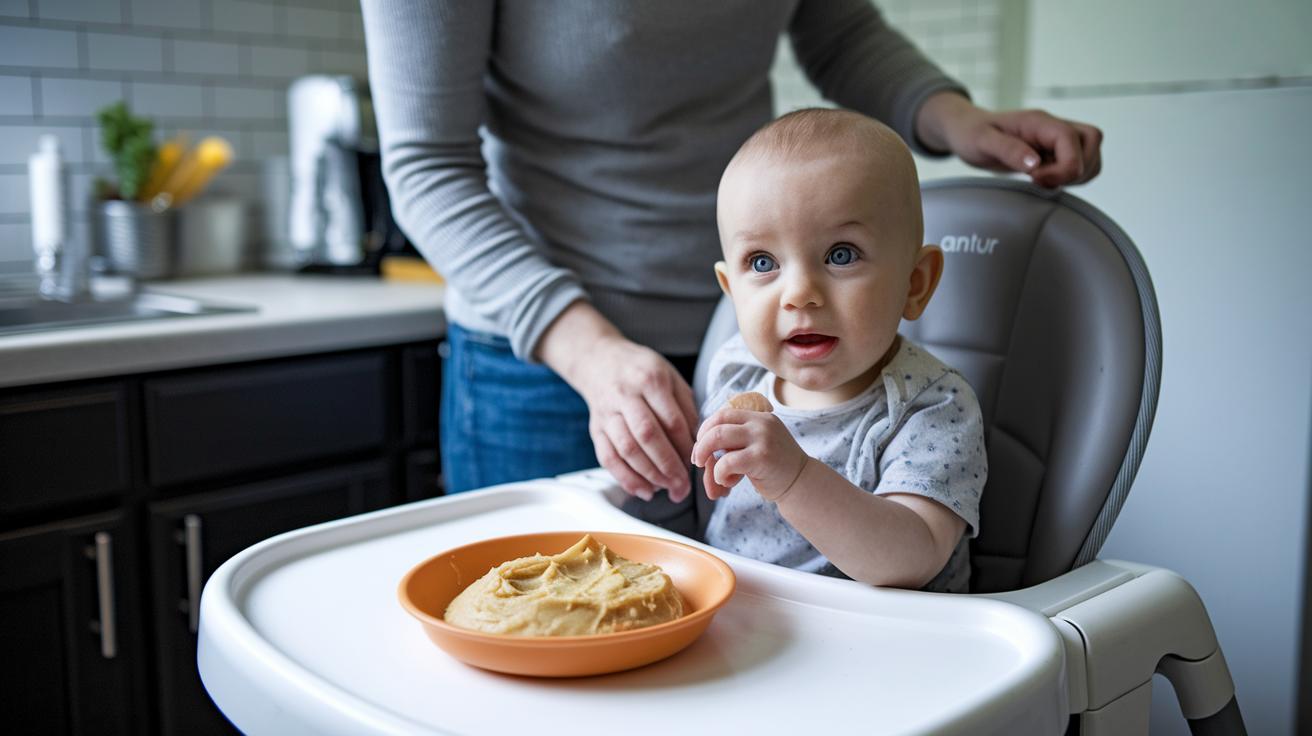
When you start introducing solids, aim to prepare foods that easily mash between your two fingers, about the size of an adult pinky. It’s completely normal for your baby to gag as they get used to new textures, but choking is something different and needs your quick attention. Always stay close by during mealtimes, ensuring your little one sits securely in a supportive highchair.
Here are a few extra tips to keep mealtime as safe as it is fun:
- Slice foods slowly into small, manageable pieces.
- Steer clear of high-risk items like whole nuts, raw carrots, grapes, and any hard chunks.
- Introduce one new food at a time; for common allergens such as peanut or egg, wait three to five days to see if any reaction develops.
- Watch your baby’s cues during meals and adjust the food textures as needed.
Keep these simple guidelines in mind as your baby embarks on their exciting journey of exploring new tastes.
Step-by-Step Baby Led Weaning Implementation
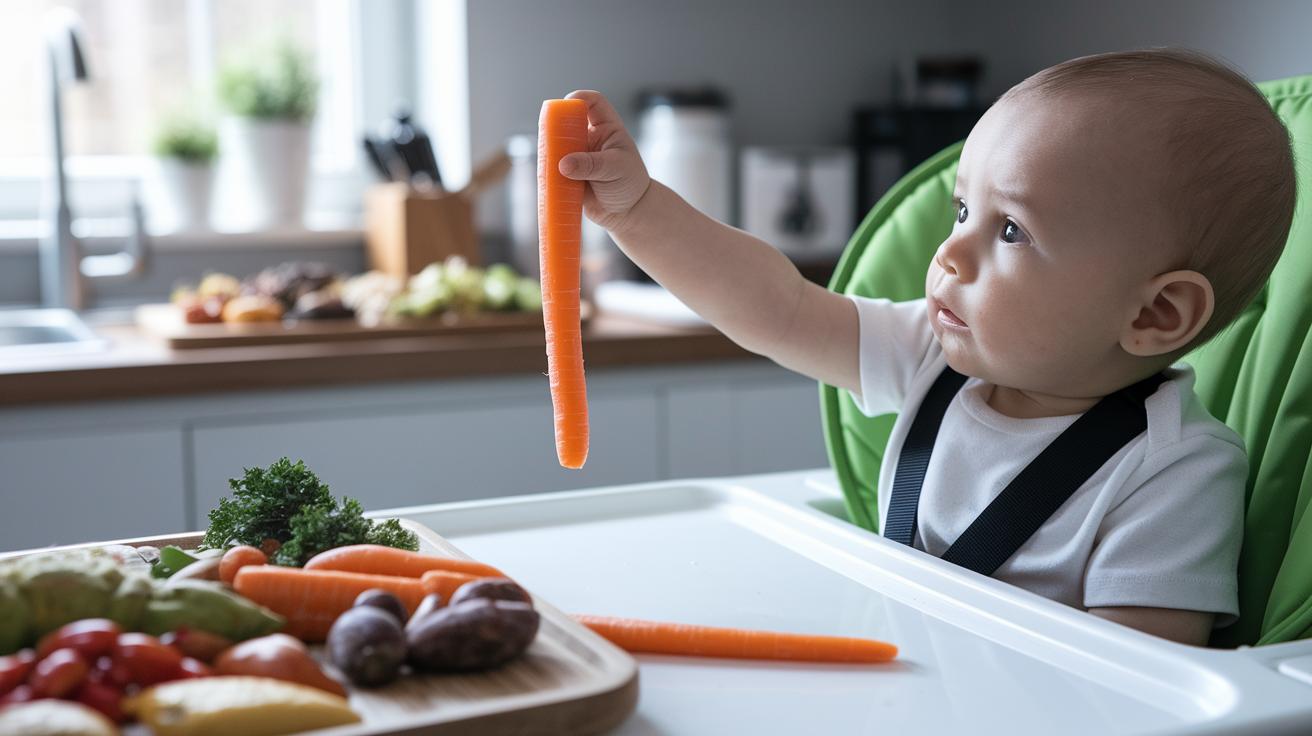
When your baby reaches about 6 months, try introducing one solid meal during a family mealtime. It’s a gentle way to let your little one get used to self-feeding. Offer soft, easy pieces, about the size of an adult pinky, so they can hold them easily. Picture your baby reaching for a warm, soft strip of steamed carrot. It’s a small step that brings big smiles and a sense of independence.
Between 7 and 9 months, slowly move to two solid meals each day. You might even include a soft snack around the 9th month. This is the perfect time to introduce a few more textures. Start with soft strips and gradually try small, diced pieces. Keeping the food simple helps your baby focus on the new flavors and textures, all while enjoying the bustle of family meals.
By the time your baby is 10 to 11 months old, three solid meals a day feel just right. It’s also a great moment to bring in easy-to-hold utensils, which help build fine motor skills. Imagine the joy as your little one playfully grips a small spoon while sharing a laugh with the family. Every bite becomes a celebration of growing coordination.
After reaching 12 months, continue with three meals a day and add two healthy snacks. Now, self-feeding turns into a fun and empowering routine. Encourage family-style dining where your child can explore different foods, mix textures, and discover new tastes. Watching them pick up little pieces and grow more confident with each bite is a heartwarming reminder of how far they’ve come.
Ideal First Foods and Textures for Baby Led Weaning
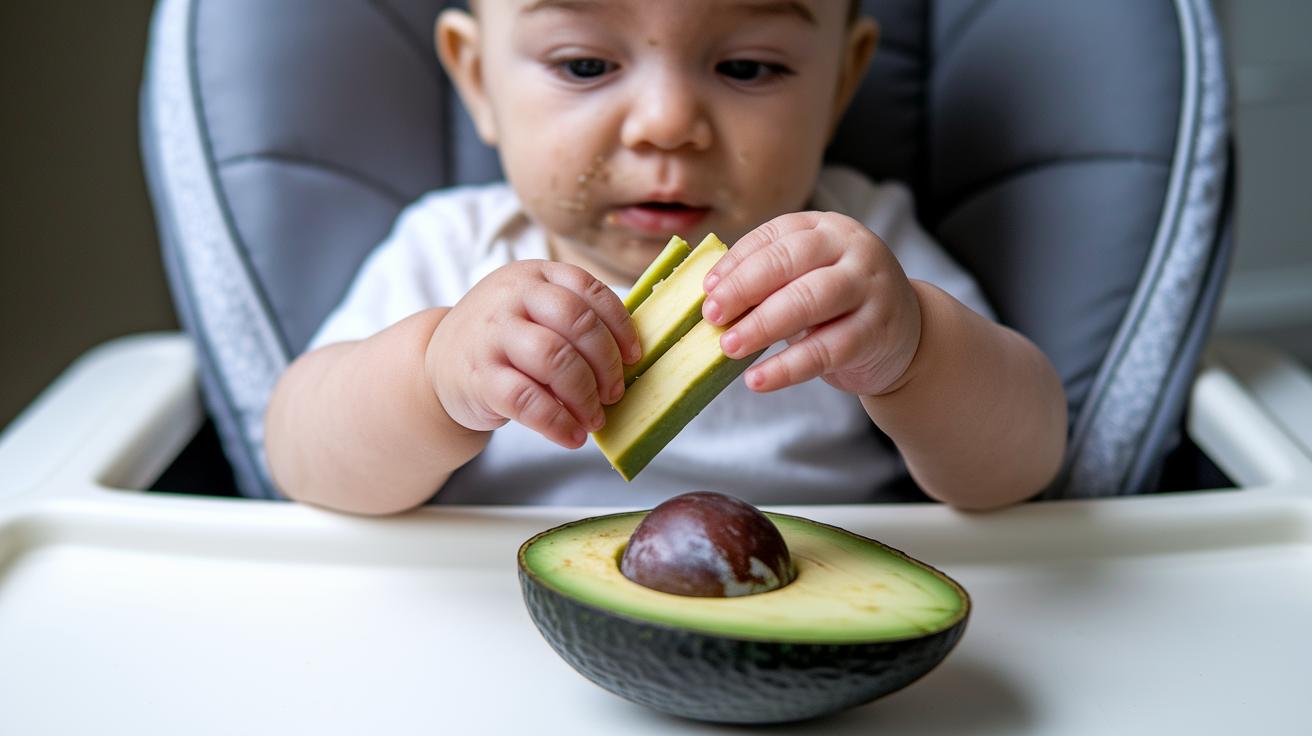
Starting self-feeding is a sweet little adventure. When you let your baby explore food, you open a door to new tastes and textures in a fun, hands-on way. Choose soft, nutritious options that are gentle for little fingers and rich in iron to support growing bodies. Begin with foods that practically melt in the mouth, and then slowly introduce firmer, diced pieces as your baby’s skills blossom. Think about avocado strips, they’re soft enough to be gently squished between two fingers yet firm enough to spark curiosity as your baby learns to grasp them.
Here are some friendly ideas for bite-sized first foods:
- Avocado strips
- Banana chunks
- Steamed carrot sticks
- Sweet potato wedges
- Cooked salmon or chicken strips
- Soft cheese sticks
- Whole-grain toast fingers
- Steamed broccoli florets
You might also consider iron-boosting options like small lentil patties or tender meat strips. These choices not only give essential nutrients but also introduce your little one to a range of flavors and textures. Step by step, moving from melt-in-your-mouth foods to firmer bites, helps build your baby’s confidence and fine motor skills.
Imagine serving a warm sweet potato wedge at mealtime, and watching as your little explorer marvels at each new taste. Each bite becomes a heartwarming opportunity both to nourish and entertain, turning self-feeding into a natural, and fun, part of your day together.
Four-Week Baby Led Weaning Meal Plan
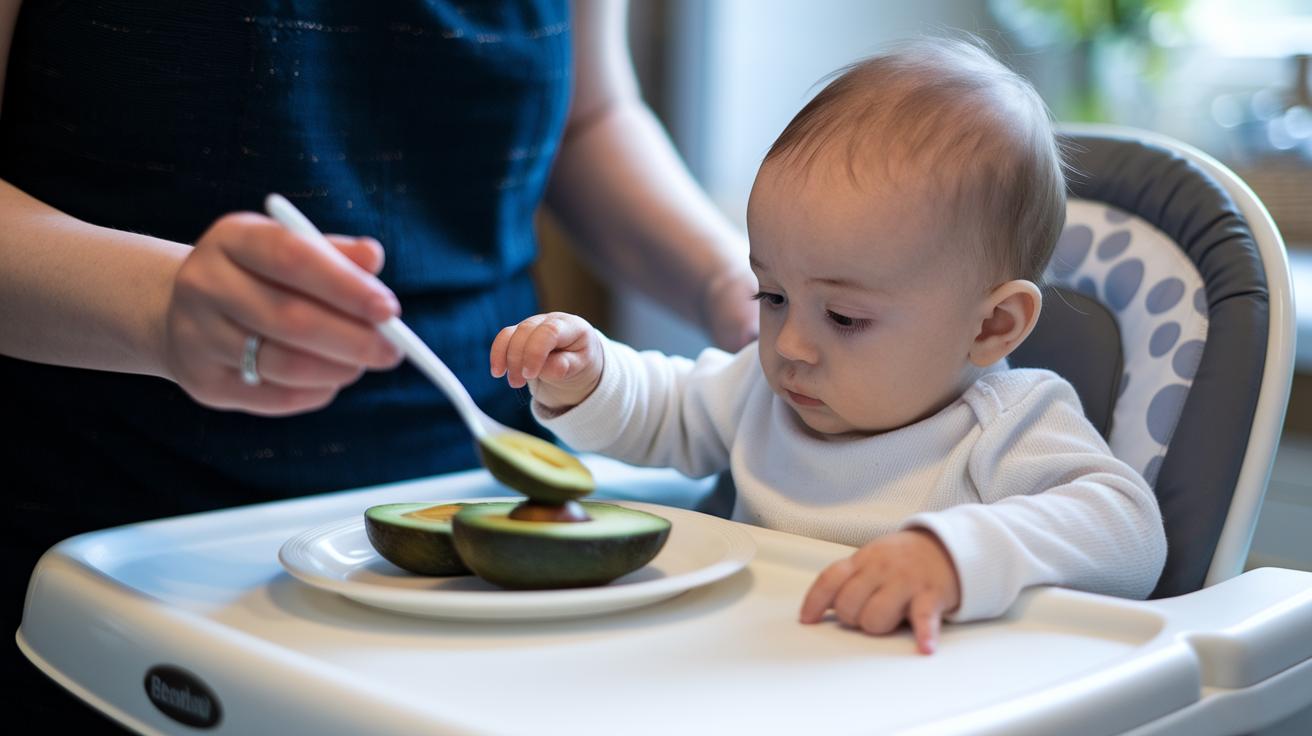
This plan gently guides your little one through a month of exploring new tastes and textures. In the first week, introduce one meal a day where your baby can try a single soft food like avocado or banana. It’s a calm way to start self-feeding and helps your baby get used to new flavors without any fuss.
Moving into week two, keep the one meal and add a soft snack. This extra nibble, perhaps a few carrot sticks or a small piece of toast, gives your baby another chance to practice and enjoy self-feeding. It’s also a great time to check for any new reactions while keeping things familiar.
By week three, the routine expands to two meals a day. Imagine a colorful mix of vegetables, fruits, and even grains joining the family table! For instance, tender broccoli paired with the natural sweetness of steamed sweet potato creates a wonderful and social eating time that supports your baby’s growing skills.
In the fourth week, maintain those two meals and introduce one more snack. Now, try adding tiny protein pieces like small meat strips alongside fruits. The variety in textures, from soft strips to firmer little cubes, helps refine those motor skills while making every bite an adventure.
| Week | Meals/Day | Key Foods | Texture Focus | Notes |
|---|---|---|---|---|
| 1 | 1 | Avocado, Banana | Soft strips | Single ingredient |
| 2 | 1+Snack | Carrot sticks, Toast | Soft/chewy | Introduce snack |
| 3 | 2 | Broccoli, Sweet potato | Mixed textures | Family meals |
| 4 | 2+Snack | Meat strips, Fruit | Firm diced | Protein focus |
Following this gentle schedule lets your baby slowly build self-feeding skills while making mealtimes a safe, enjoyable adventure for the whole family.
Overcoming Common Challenges in Baby Led Weaning
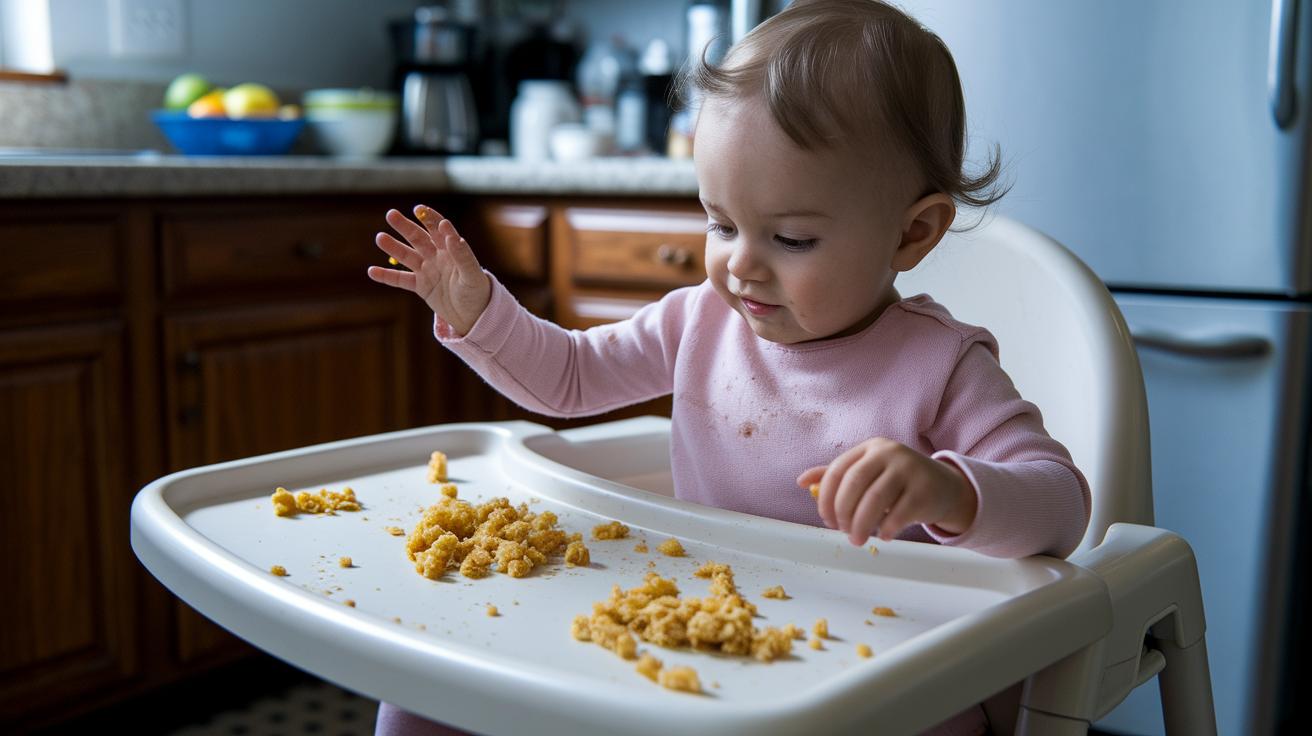
Mess can sometimes turn mealtime into a big, overwhelming event. But a few handy tools can really make cleanup a breeze. Try using splat mats, bibs, and wipeable highchair trays to keep your area in check. If you see food scattered around, a splat mat turns cleanup into a quick and simple task.
If your little one turns down a food, don’t worry, just offer it again, calmly. Pair a brand-new taste with something they're already familiar with. Picture serving tiny, soft carrot pieces next to a bit of creamy mashed avocado. It might just spark a little curiosity and gently invite your baby to taste.
For babies who eat slowly, give them space to follow their hunger cues. Instead of pushing for extra bites, wait patiently and let them decide when they're ready for the next piece. This relaxed approach helps build positive eating habits and turns mealtime into a shared, joyful experience.
Here are a few ideas to consider:
- Keep your space clean with splat mats, bibs, and wipeable trays.
- Offer foods again with a familiar favorite to ease any hesitation.
- Let your baby follow their natural hunger cues, no need to push.
- Arrange different foods together on one plate so everyone can enjoy the meal.
- Save time by batch-prepping and freezing small portions of finger foods.
These tips can help make common hurdles easier, so you can truly enjoy every precious moment with your baby while building your confidence in baby-led weaning.
Expert Tips and Resources for Baby Led Weaning

Responsive feeding is a wonderful way to start. Keep an eye on your baby’s signals, if they pause between bites or turn away, they might be saying they’ve had enough. Pediatric dietitians tell us that offering soft, bite-sized pieces helps create a warm, secure mealtime without extra worry. When food is prepared safely, there’s no need to stress about choking, and mealtime stays calm and enjoyable.
Relying on trusted resources can boost your confidence too. Whether it’s downloading helpful guides, watching engaging recipe videos, or joining parent support groups, these tools are here to help. Try switching up the menu with seasonal produce or baby-friendly recipes to add fun to the table. You might even have older siblings help with food prep for some extra smiles. Chatting with other parents or a pediatric dietitian can offer even more helpful insights. All of these tips work together to create gentle, joyful feeding times that honor your baby’s hunger cues and make every shared bite special. Cherish each delightful feeding moment today.
Final Words
In the action, your guide to baby led weaning has shown safe first foods, spotting readiness, and practical safety tips. You’re encouraged to embrace a step-by-step approach.
The outline also walks you through meal planning and tips for tackling messy moments. This easy roadmap helps make feeding safe, fun, and natural. Enjoy watching your little one explore new textures and flavors with confidence.
FAQ
What does a baby-led weaning book offer?
A baby-led weaning book offers simple, family-friendly advice on letting your baby self-feed, clear meal ideas, and safety tips to ease your move from purees to real foods.
What baby-led weaning starter foods work best?
Baby-led weaning starter foods include soft, finger-friendly options like avocado strips, banana chunks, and steamed carrot sticks that let your baby safely explore eating while building confidence at meal times.
How does baby-led weaning compare to purees?
Baby-led weaning differs from purees by letting your baby pick up solid pieces of food, encouraging self-feeding and motor skills development, while purees are spoon-fed and don’t allow for independent eating.
What are the common mistakes and disadvantages of baby-led weaning?
Common mistakes include offering foods that are too hard and not supervising meals closely. Some disadvantages may involve increased mess and slower food intake, though proper food prep and attention reduce these issues.
When can babies safely start baby-led weaning?
Babies generally start baby-led weaning around six months when they can sit unsupported, show interest in food, and safely manage soft, manageable pieces during family meals.
Why don’t some doctors recommend baby-led weaning?
Some doctors express concerns due to potential choking risks if food sizes or textures aren’t appropriately managed, preferring purees for gradual transitions; yet, careful supervision eases these worries.
Where can I find community support like on Baby Led Weaning Reddit?
Online communities such as Baby Led Weaning Reddit offer shared experiences, creative meal ideas, and practical advice that can help you feel connected and supported while you embrace your baby’s self-feeding process.
What baby-led weaning recipes can I try at home?
Baby-led weaning recipes range from simple avocado strips and banana chunks to steamed vegetable sticks and soft protein pieces, offering varied textures and flavors that promote safe self-feeding and gradual dietary independence.