
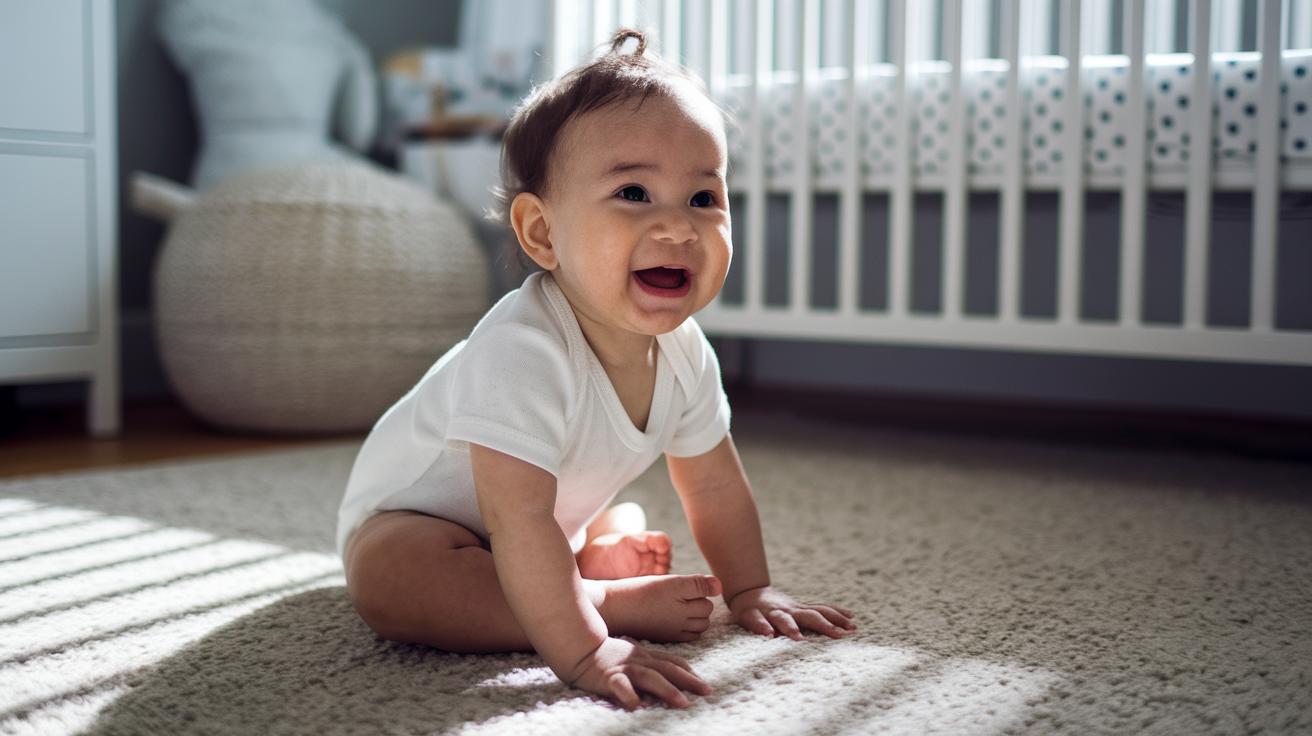
Have you ever thought about how a baby's outfit can feel just like a warm hug? Organic baby clothes are a natural, chemical-free option designed to soothe even the most sensitive skin.
Made with trusted organic cotton and bamboo, these clothes get softer with every wash, like a little surprise that keeps on giving. Pure Joy shows that when you choose natural fabrics, you’re not only picking style but also wrapping your baby in a safe, gentle embrace all day long.
How Organic Baby Clothes for Sensitive Skin Provide Gentle Comfort
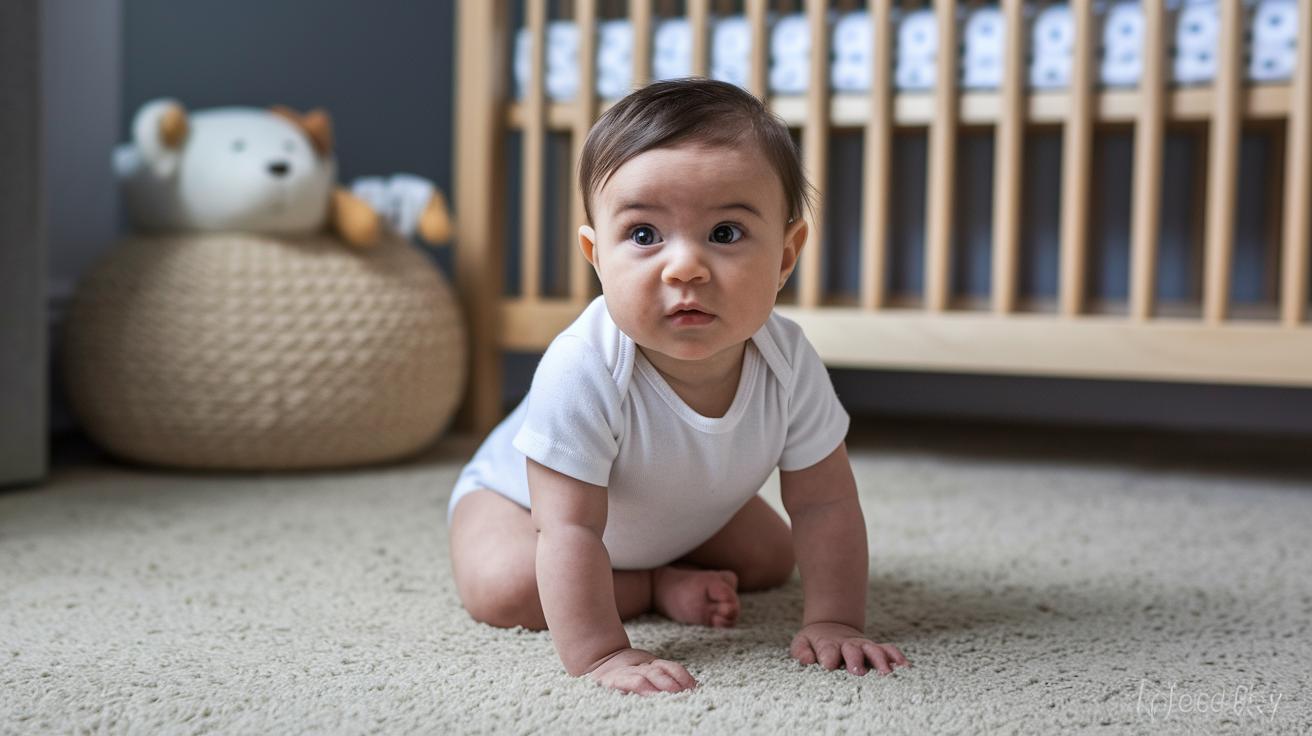
When choosing styles for your little one, organic baby fabrics offer a comforting hug for delicate skin. Made without pesticides, herbicides, or harsh chemicals, these clothes use trusted GOTS-certified cotton and bamboo. This natural approach means there are no unwanted toxins, so even babies with eczema or other skin concerns can enjoy soft, safe comfort.
Every wash makes organic cotton even softer while keeping its strength intact. The fibers gently pull moisture away from your baby, ensuring a cozy temperature whether it’s warm or cool. And with processes that remove reactive chemicals, these garments continue to improve with each use, reducing everyday irritants.
- No synthetic dyes, formaldehyde, or bleach residues
- Enhanced softness that gets better after every wash
- Breathable design to help prevent overheating
- Hypoallergenic properties that lovingly soothe sensitive skin
- Long-lasting durability for frequent washes
These thoughtful features make organic baby clothes a smart choice for caring parents. When you pick these outfits, you’re not just choosing style, you’re also reducing exposure to irritants and giving your baby a snug, safe experience every day.
Organic Baby Clothes: Key Certifications and Chemical‐Free Infant Garments
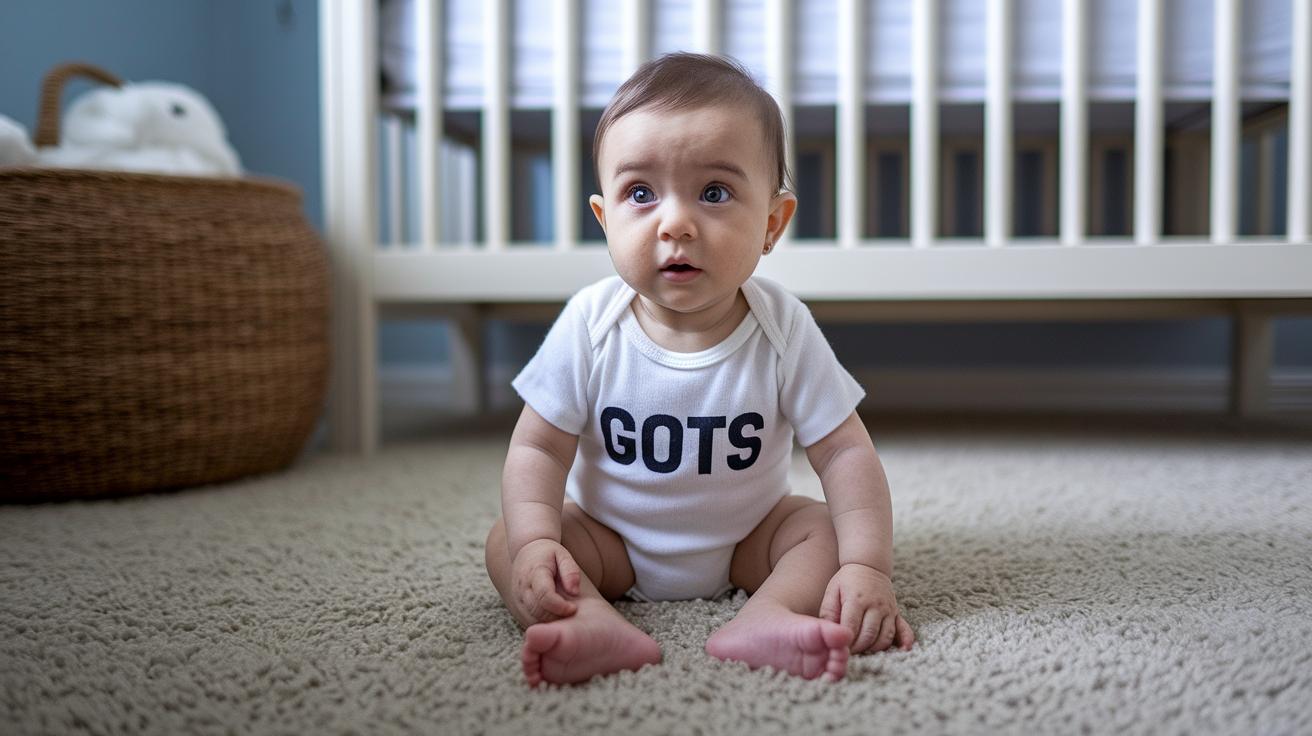
Certificates mean a lot when it comes to protecting your baby’s sensitive skin. They show that the clothes are made without harsh chemicals that might cause irritation. Each label comes after careful audits and testing, so you know there’s no toxic stuff around. Parents can feel at ease knowing that these garments meet strict standards for water use, carbon footprint, and overall safety for our environment.
| Certification | What It Guarantees | Key Criteria |
|---|---|---|
| GOTS | No toxic chemicals, social standards | Full supply-chain audit |
| Oeko-Tex 100 | Free of 350+ chemicals | Lab testing protocols |
| USDA Organic | Pesticide-free fiber | Regulated farming practices |
When you’re picking out non-toxic outfits for your little one, keep an eye out for these marks. They guide you toward choices that are truly chemical-free. Sometimes, it helps to click on a trusted resource like our "organic baby clothes" page on bsnuggs.com to check the details. This extra step gives you peace of mind, knowing that your baby's clothes are made with care for both them and our planet.
Organic Baby Clothes Fabric Insights: Soft Properties and Allergy Prevention
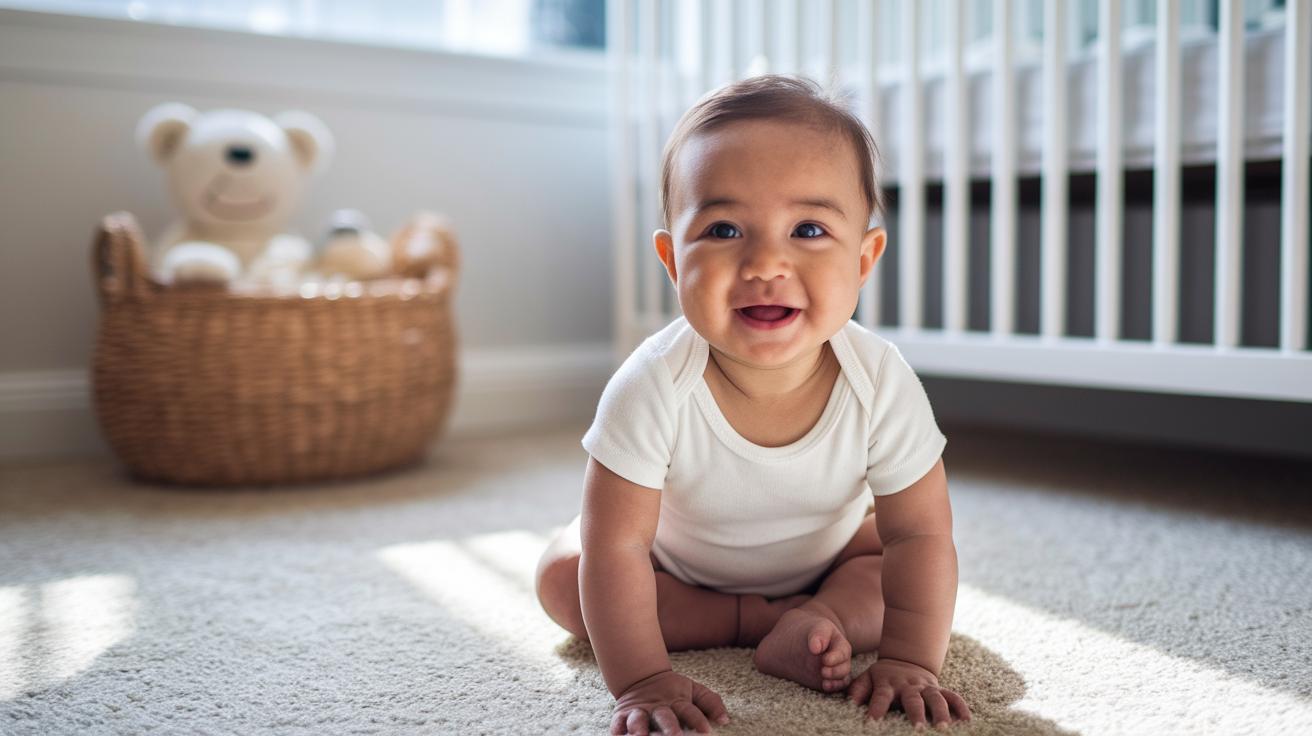
Today, we see a lovely mix of cotton and bamboo in baby clothes. This blend grows softer with every wash. Cotton brings timeless comfort, while bamboo naturally fights off bacteria and harmful UV light, giving extra care for delicate skin.
Organic Cotton and Bamboo: Breathability and Moisture Control
Cotton and bamboo join forces to move moisture away from your baby’s skin. They create natural air channels, much like a gentle breeze that keeps your little one cool on sunny days and snug on cooler ones. It’s like wrapping your baby in a soft, refreshing hug that adjusts to every weather change.
Hypoallergenic Blends: Minimizing Irritation
Special anti-irritant finishes, along with regular washes, make the fabric even softer while keeping harsh chemicals away. Bamboo’s natural ability to resist bacteria and UV rays adds another layer of gentle protection. Imagine a fabric that becomes even kinder with each wash, always caring for your baby’s sensitive skin.
Organic Baby Clothes vs Conventional Baby Clothing: Eco-Friendly Little One Wear Comparison
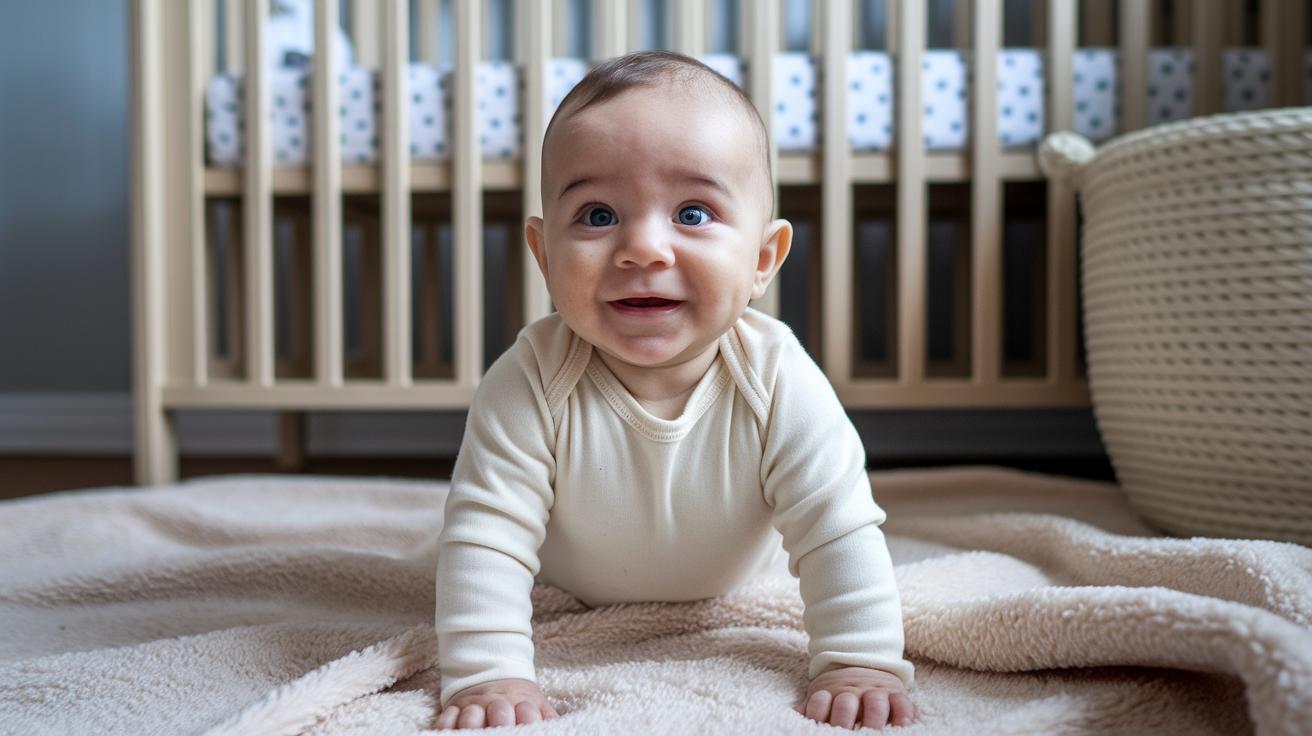
When you shop for baby clothes at big stores, you often find they’re made with synthetic dyes. That means chemicals like formaldehyde and heavy metals might be in them, which can bother a baby’s delicate skin or trigger allergies. Regular manufacturing also uses more pesticides, leaving behind residues even after washing. Many parents worry about these harsh substances because they want something gentle and safe for their little one.
On the other hand, organic baby clothes are a breath of fresh air. They cut down pesticide use by up to 91% and use up to 62% less water compared to regular cotton. Plus, they’re colored with non-toxic dyes that keep away harmful chemicals. Often made with renewable energy and fair trade practices, these garments are designed with both your baby’s sensitive skin and the planet in mind.
Choosing eco-friendly outfits offers a double win. They protect your baby from irritating chemicals while also caring for the environment. It’s a heartfelt choice that keeps your little one snuggled in safe, sustainable comfort.
Organic Baby Clothes: Ethical Procurement and Supply Chain Transparency
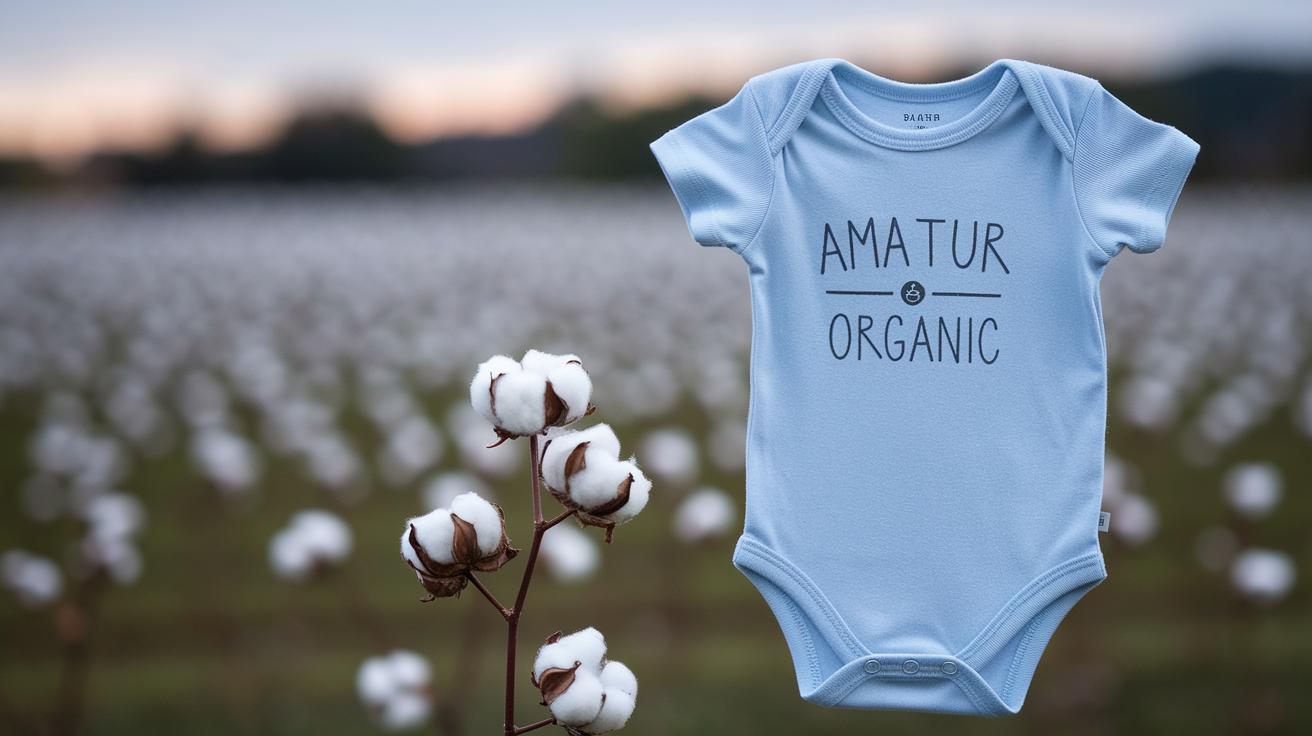
When it comes to organic baby clothes, every little detail matters. Imagine knowing that the soft cotton in your baby's onesie began as a seed on a caring farm and ended up as something gentle on your child’s skin. With certifications like GOTS and yearly audits by independent experts, every step, from growing the raw fibers to weaving and dyeing, is carefully checked for fair wages, safe working environments, and no child labor.
And there’s more. Ethical sourcing is a big part of the story here. Companies follow strict guidelines every step of the way to protect workers and keep our environment safe. It’s like knowing that your baby’s outfit not only feels good but also supports a kinder, more sustainable world.
Next time you’re shopping for your little one, look for brands that openly share where and how they source their materials. When you see clear certification labels and detailed sourcing stories, it’s a warm reminder that every adorable garment was made with care. Even exploring more options like sustainable baby clothes can give you that extra peace of mind.
Organic Baby Clothes Care: Cleaning Preservation Methods and Allergy-Safe Laundry
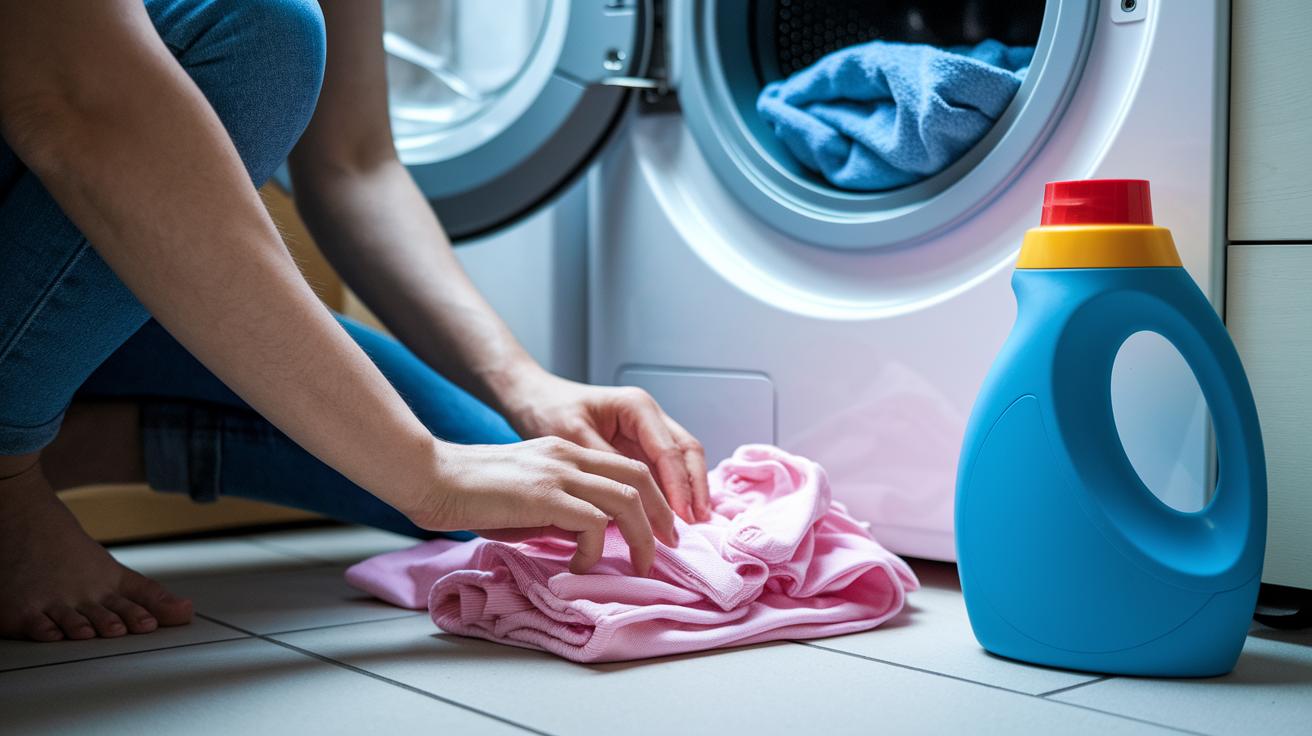
When you're cleaning your baby's organic outfits, a gentle touch makes all the difference. Use a soft, allergen-safe detergent to keep the fabrics smooth and the natural finishes just right. Washing in cold water helps keep those lovely colors bright, while turning clothes inside out means less wear from friction.
Here are a few simple tips that might help you:
- Wash in cold water with a fragrance-free, hypoallergenic detergent.
- Turn garments inside out before laundering.
- Skip fabric softeners and bleach.
- Air-dry flat or use a low-heat tumble cycle.
- Pre-treat stains with an eco-friendly enzyme spray if needed.
Following these steps not only keeps each piece looking its best but also ensures that every wash nurtures the soft, skin-friendly qualities of your baby's wardrobe. It's like treating each outfit with the care it deserves, so your little one always feels cozy and secure.
Organic Baby Clothes Cost Efficiency Insights and Shopping Tips
Organic baby clothes are a smart choice for parents who want to care for their little ones without stretching their budget. You can usually find a single organic onesie or tee priced between $15 and $35. When you choose multipacks, you might save 10% to 20% on each piece, which helps you shop for those must-have baby essentials without spending too much.
Many stores also make your life easier by offering free shipping on orders over $200. Plus, using a promo code like WELCOME10 can bring you extra savings. It’s little touches like these that make shopping for natural, non-toxic newborn apparel both practical and affordable.
• Multipacks save you money on individual pieces
• Look for free shipping deals and special promo codes
• Choose neutral basics that mix and match for endless outfit options
Focusing on key items like sleepwear and onesies means you’re choosing pieces that protect and comfort your baby while keeping costs low. This simple, thoughtful approach balances saving money with keeping your child safe and cozy. Embrace these options, and enjoy creating a wardrobe that supports your little one’s well-being without compromising your budget.
Final Words
In the action, we explored how organic baby clothes for sensitive skin protect delicate skin with soft, chemical-free fabrics and rigorous certifications. We shared care tips, cost-smart shopping ideas, and how proper laundering keeps garments gentle and durable. Each detail, from eco-friendly blends and hypoallergenic finishes to ethical production practices, builds confidence around these nurturing choices. With every wash and every giggle, these pieces bring comfort and care to your little one, making your day just a bit brighter. Enjoy every moment of this warm, practical approach to baby essentials.
FAQ
Q: What are the best organic baby clothes for sensitive skin?
A: The best organic baby clothes for sensitive skin offer GOTS-certified cotton or bamboo options free of harsh chemicals, providing soft, durable wear that naturally improves with each wash and gently protects delicate skin.
Q: Which organic baby clothes brands combine primary, luxury, and ethical standards?
A: Leading brands produce organic cotton baby apparel in the USA under strict eco-friendly certifications. They offer a range from primary basics to high-end luxury styles that prioritize safe, breathable, and beautifully made garments.