
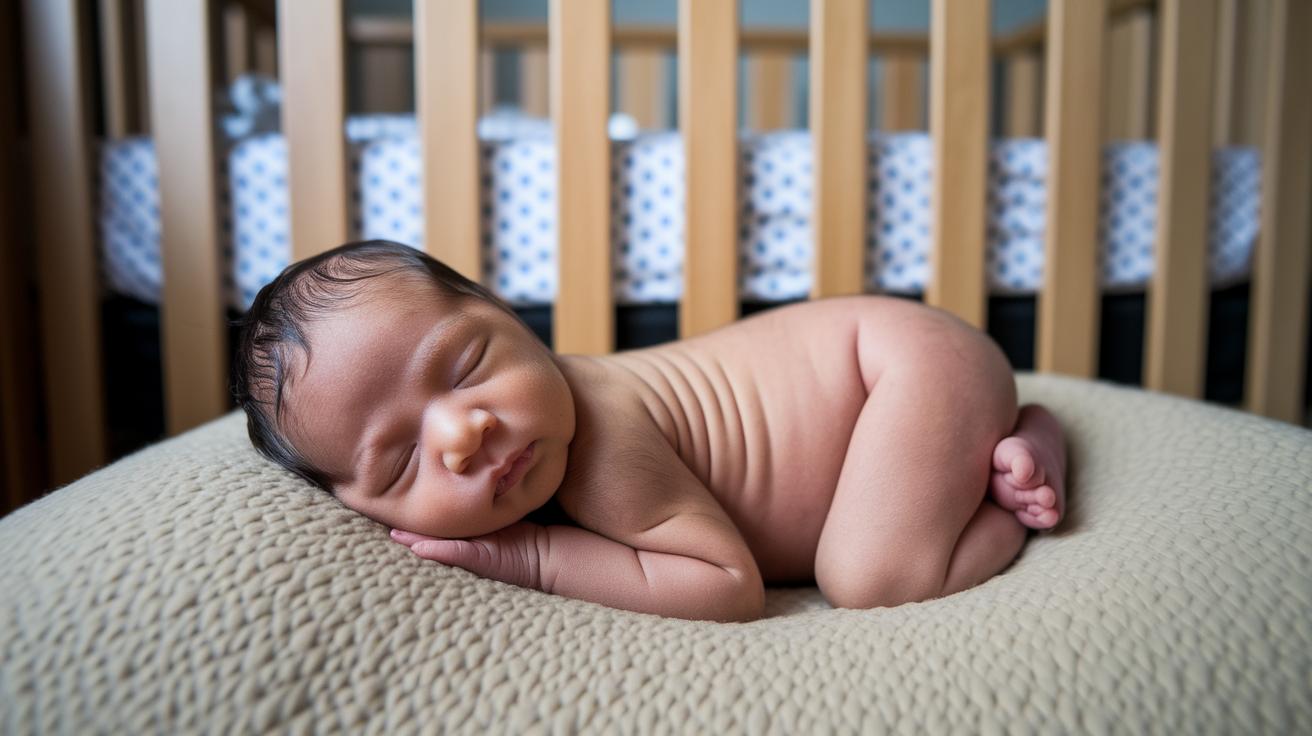
Ever wondered if your newborn really should sleep on their side? It might look cozy, but experts say it can lead to breathing trouble and even SIDS. I know many parents have seen their baby curl up this way and thought it was safe. But research shows that back sleeping is best for keeping your baby’s airway clear and safe. In this post, we’ll chat about why placing your little one on their back helps ensure a peaceful, secure rest.
Evaluating Side Sleeping Safety for Newborns

Most experts, including the American Academy of Pediatrics, say it’s safest for newborns to sleep on their backs. Placing a baby on their side might feel gentle, but it can be risky. When a baby lies on their side, they could roll over onto their tummy and may not get enough oxygen. This change in position can increase the risk of Sudden Infant Death Syndrome.
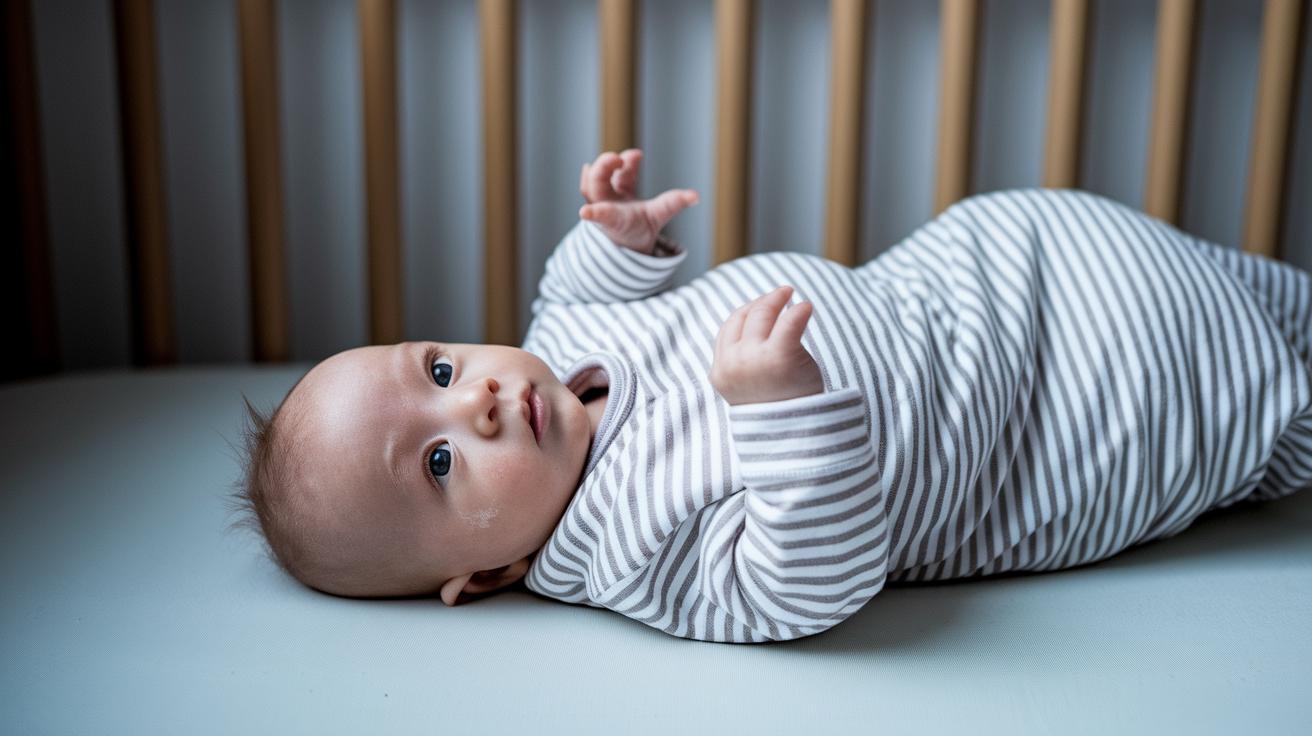
Sleeping on the back supports the baby’s natural gag reflex, which comes in handy if they spit up. Imagine your little one peacefully resting on a firm, flat mattress, breathing easily and staying safe. These guidelines come from years of trusted research and hands-on clinical experience.
Sometimes, you might notice your newborn curling up slightly on their side, what some call a “newborn scrunch.” It’s a cute little gesture, but it’s best to gently reposition them onto their back before they drift off. This small step helps keep them safe throughout the night. For more trusted advice, you can refer to the Safe sleep guidelines for infants at https://bsnuggs.com?p=.
Risks of Newborn Side Sleeping Explained
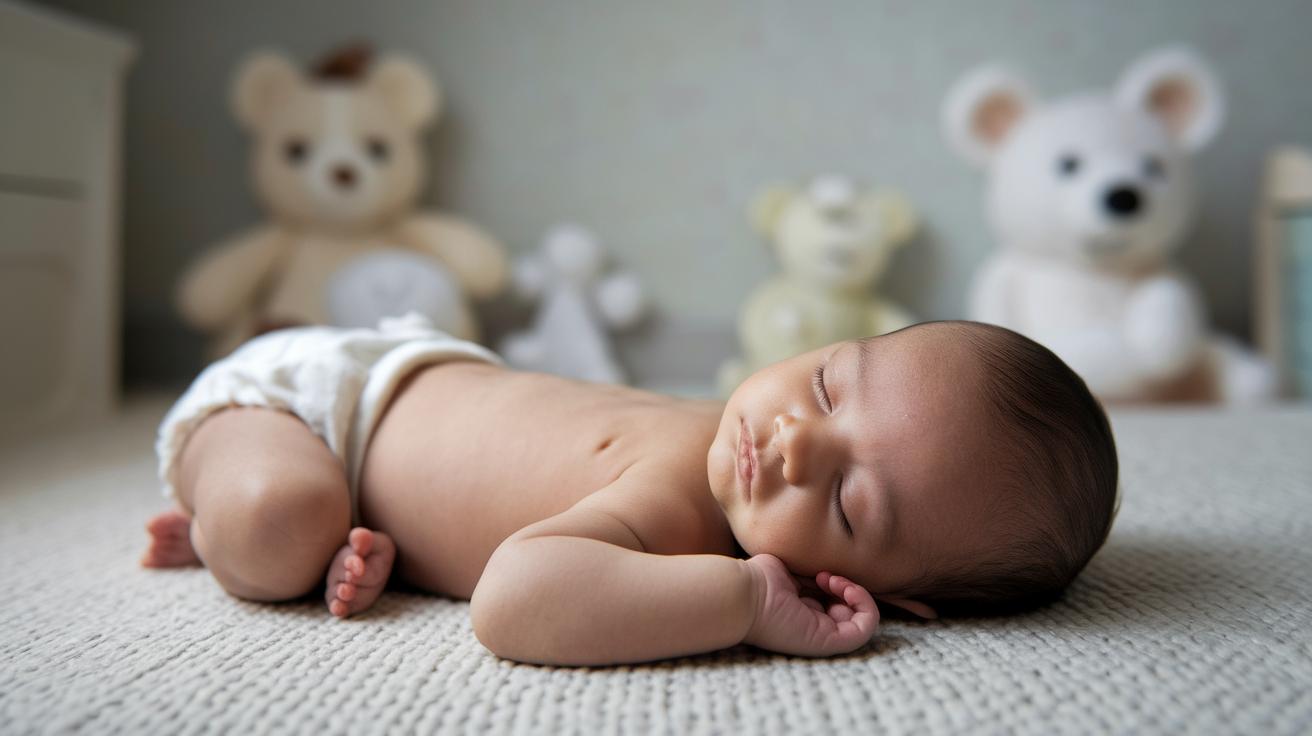
When your little one sleeps on their side, it might feel cozy, but there are some concerns to keep in mind. Side sleeping can press on a baby’s soft head, which might change its shape over time. You may have heard that it helps avoid a flat head, but studies suggest that the extra pressure can actually make things uneven. This uneven pressure might not only affect head shape but could also play a role in early brain development.
Also, the side position doesn't support your baby’s airway as well as sleeping on their back. Newborns have very gentle reflexes and might not turn around if they need to. This reduced airway clearing can increase the chance of SIDS, a worry for many families. Plus, if any spit-up happens, it could get caught, which might raise the risk of choking. Sometimes, the uneven pressure on the neck may even lead to a condition called torticollis, where one side of the neck feels tighter, making it harder for your baby to move comfortably, especially during feeding.
| Risk | Description | Potential Issue |
|---|---|---|
| SIDS | Less support for the airway | Increased risk of SIDS |
| Flat Head Syndrome | Extra pressure on the skull | Changes in head shape |
| Torticollis | Tightening of neck muscles | Less neck movement |
AAP Guidelines on Infant Side-Sleep Position
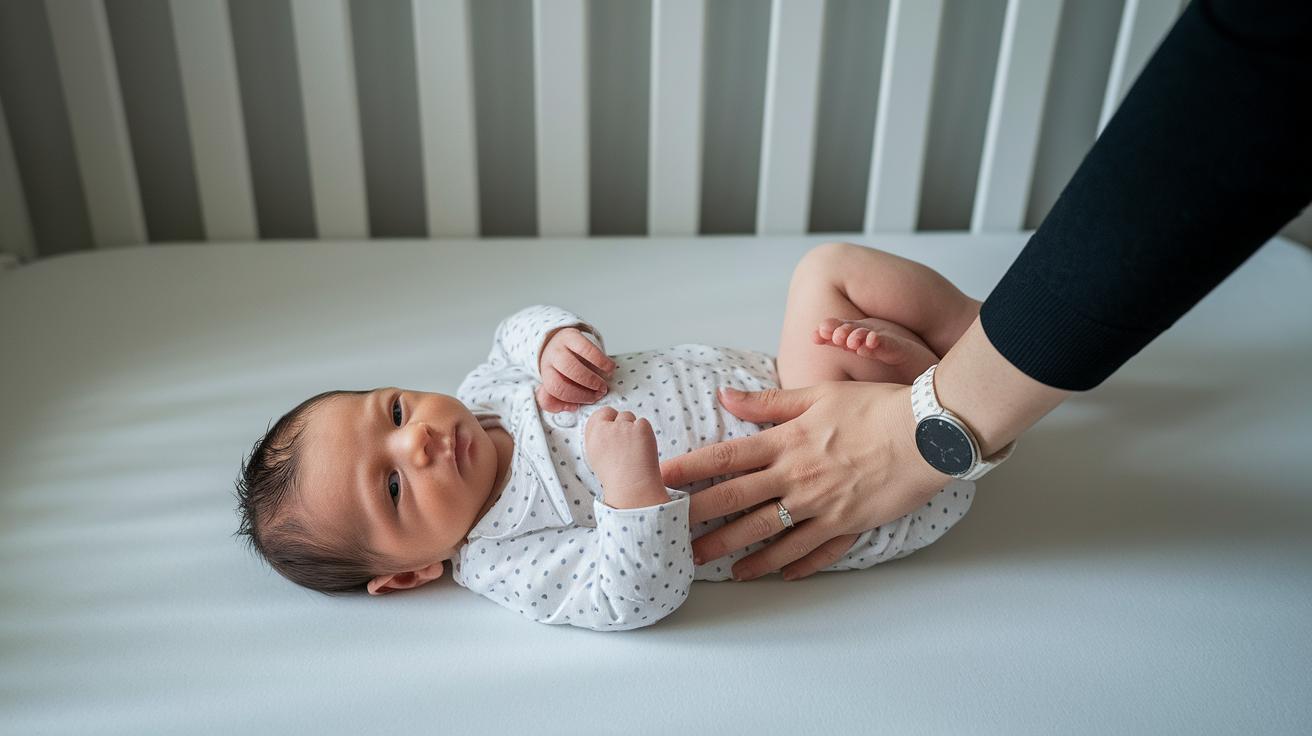
The American Academy of Pediatrics says start every sleep session with your baby on their back. In the first couple of months, you might see your newborn curl to one side naturally. When that little curl happens, gently roll them back onto their back, almost like resetting a board game to start fresh.
For safe sleep, always use a firm, flat mattress with no blankets, pillows, or crib bumpers. This helps keep the airways clear and lets your baby’s natural reflexes work just fine. When your baby begins rolling between 4 and 7 months, it's perfectly okay to let them stay on their side or tummy if they choose to.
If you use swaddling, make sure the fabric is snug without overheating your baby. Avoid anti-roll devices, sleep positioners, or loose bedding, as they can interfere with your baby’s natural movements and a safe sleep setting.
| Sleep Practice | Recommendation |
|---|---|
| Initial Sleep Position | Place on back during every sleep |
| Newborn Scrunch | Gently reposition back on detecting side curl |
| Swaddling | Use snug, safe technique |
| Anti-roll Devices | Avoid use |
When Newborns Can Safely Sleep on Their Side
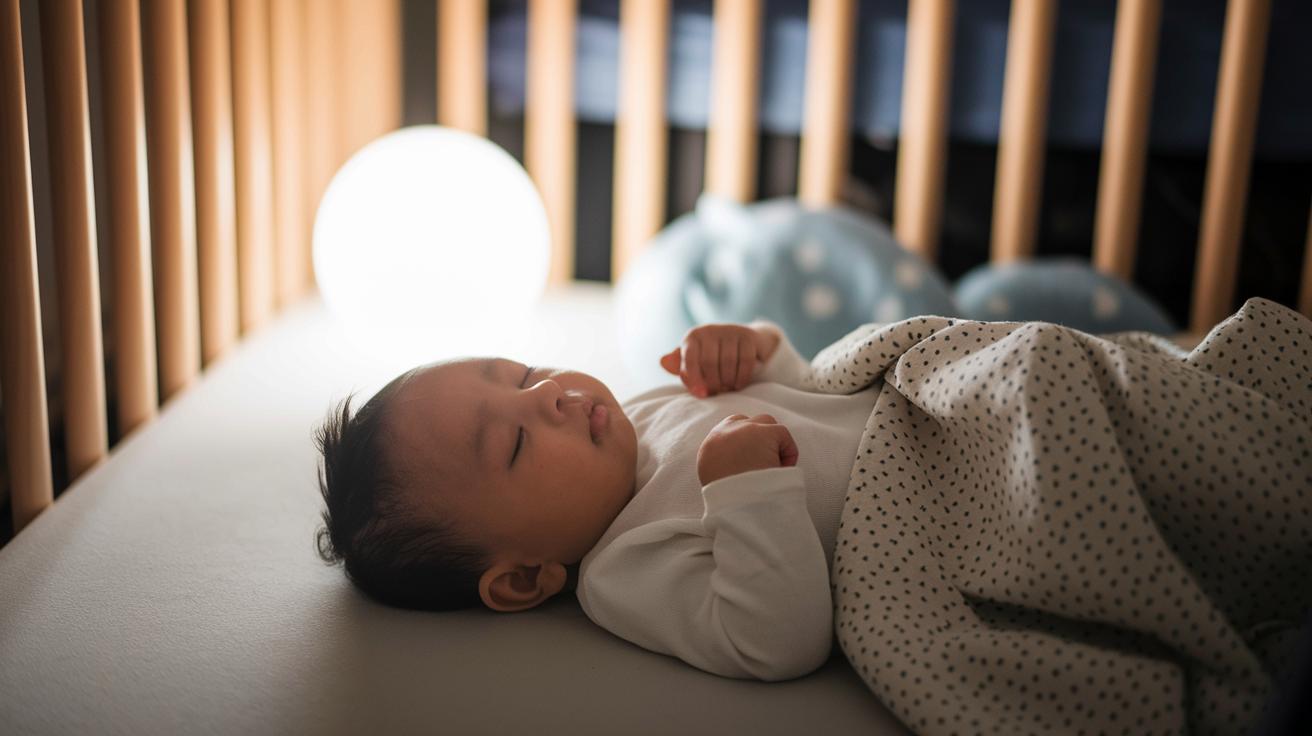
Babies usually start rolling over when they’re about 4 to 7 months old. This little milestone shows they’re gaining strength to settle into the sleep position that feels best for them. So, always begin by placing your baby on their back. Once they regularly roll both ways, it’s completely fine to let them find their own cozy position.
It never hurts to keep a quick eye on how they’re lying down, just a brief glance can be very reassuring. Imagine catching a glimpse of your little one comfortably sleeping on their side; that simple look can make you feel at ease.
Practical Tips for Preventing Unsafe Side Sleeping

Imagine a calm, safe night where your little one rests soundly on their back. This handy checklist brings you simple, caring steps to keep your baby in the safest sleep position every night. If you notice your baby drifting toward a side, gently nudge them back as you would straighten a picture that’s just a bit off-kilter.
- When you spot your baby tilting to the side, comfort them back onto their back right away.
- Dress your baby in a cozy, wearable sleep sack or a snug swaddle so they naturally stay on their back.
- Set up a clutter-free sleep space using a firm, flat crib mattress that’s free of blankets, pillows, toys, or bumpers.
- Each time you step into the room, take a quick look to make sure your baby is sleeping safely on their back.
- Steer clear of sleep positioners like pillows that might prompt your baby to roll over.
Sleep Aids and Positioners: Are They Safe for Side Sleep?
We’ve updated our safe sleep guidelines based on solid research from trusted sources like the AAP. Studies show that sleep aids such as anti-roll pillows, rolled blankets, sleep wedges, and other positioners might limit your baby’s natural movements. This can potentially raise the risk of suffocation.
Our advice is simple: choose a firm, flat sleep surface without any extra items. Think of a sleep sack as a gentle wrap that helps keep your baby safely on their back, without extra padding that could get in the way of easy breathing.
For more helpful tips, check out our sections on AAP Guidelines for Infant Side-Sleep Position and Practical Tips for Preventing Unsafe Side Sleeping.
Final Words
In the action, we explored why back sleeping is preferred over side sleeping, shared AAP guidelines, and offered easy tips to keep little ones safe during sleep. We talked about proper sleep setups and how to prevent unintended side rolling using safe practices like gentle repositioning and sleep sacks.
Reflecting on it all, the message remains clear: is it safe for newborns to sleep on their side? Back sleeping is the safest choice until they can roll on their own. Stay positive and enjoy every sweet moment with your baby.
FAQ
Q: How long can a 1-month-old baby safely sleep on their side if supervised?
A: The question about a 1-month-old baby sleeping on their side means that even if you supervise, experts recommend placing newborns on their backs. Side-sleeping increases risks like insufficient airway clearance.
Q: What should I do if my newborn rolls to their side while sleeping?
A: The question about a newborn rolling to the side means you should gently reposition your baby onto their back. This keeps your little one in safe sleep mode as recommended by current guidelines.
Q: How can I gently prevent my baby from sleeping on their side?
A: Rewording “how to stop baby sleeping on side” means you can gently guide your baby back to their back when needed. Using a sleep sack or swaddle can help limit unintended side rolling during sleep.
Q: Is it safe for a 6-month-old baby to sleep on their side?
A: The question about a 6-month-old sleeping on their side means that once babies can roll both ways, side sleeping may happen naturally. However, always start sleep time on their back for safety.
Q: Is it okay for a newborn to sleep with their head tilted to one side?
A: Rewording the question about a tilted head means that newborns should sleep in a neutral position on their backs. A tilted head can interfere with proper airway clearance and is not encouraged.
Q: Can babies safely sleep on your chest?
A: The question about sleeping on a caregiver’s chest means that while cuddling is lovely, sleep on a firm, flat surface is safest. Your precious one should always have a secure sleep space to reduce risks.
Q: Why shouldn’t newborns sleep on their side?
A: Rewording the question on why newborns shouldn’t sleep on their side means that side sleeping raises safety concerns such as the possibility of rolling onto their tummy, which can compromise breathing and increase SIDS risks.