

Have you ever thought about a gentle way to help your baby learn to fall asleep by themselves? A method like Pick Up, Put Down gives a loving nudge that soothes bedtime and cuts back on those long crying spells. Many parents notice a difference in just one week, which is pretty amazing. In this article, we share how these caring techniques create a safe, cozy space for your little one to drift off happily and independently.
How Gentle Sleep Training Methods Support Independent Slumber
Gentle sleep training helps your baby learn to sleep on their own with minimal fuss. By using a method like Pick Up, Put Down, you hold your little one just until they settle down, then place them back in their crib while they’re still awake. This approach helps cut down on long bouts of crying and keeps your baby comforted. Many parents see improvements in sleep within just a week, making this a caring and practical choice.
Starting around 4 to 6 months is the perfect time to try this tender method. At this stage, most babies can sleep for about six hours between feedings. The technique slowly teaches your baby to self-soothe and recognize that the crib can be a safe, cozy place to rest. With consistency, your little one begins to associate their crib with comfort and calm. This gentle method not only encourages better nighttime sleep but also helps them enjoy peaceful naps during the day.
Every step of this approach is flexible, letting you adjust the method according to your baby’s signals. For example, if your child seems a bit unsettled, a quick, soothing hug might just be what they need to feel secure again. It’s all about slowly building confidence and a sense of safety. For more tips on crafting a nurturing sleep space, check out the safe sleep guidelines for infants (https://bsnuggs.com?p=211). You might also want to look into authoritative parenting approaches (https://babyhalfoff.com?p=199) for ideas on balanced nighttime routines that work for your family.
Essential Gentle Sleep Training Techniques
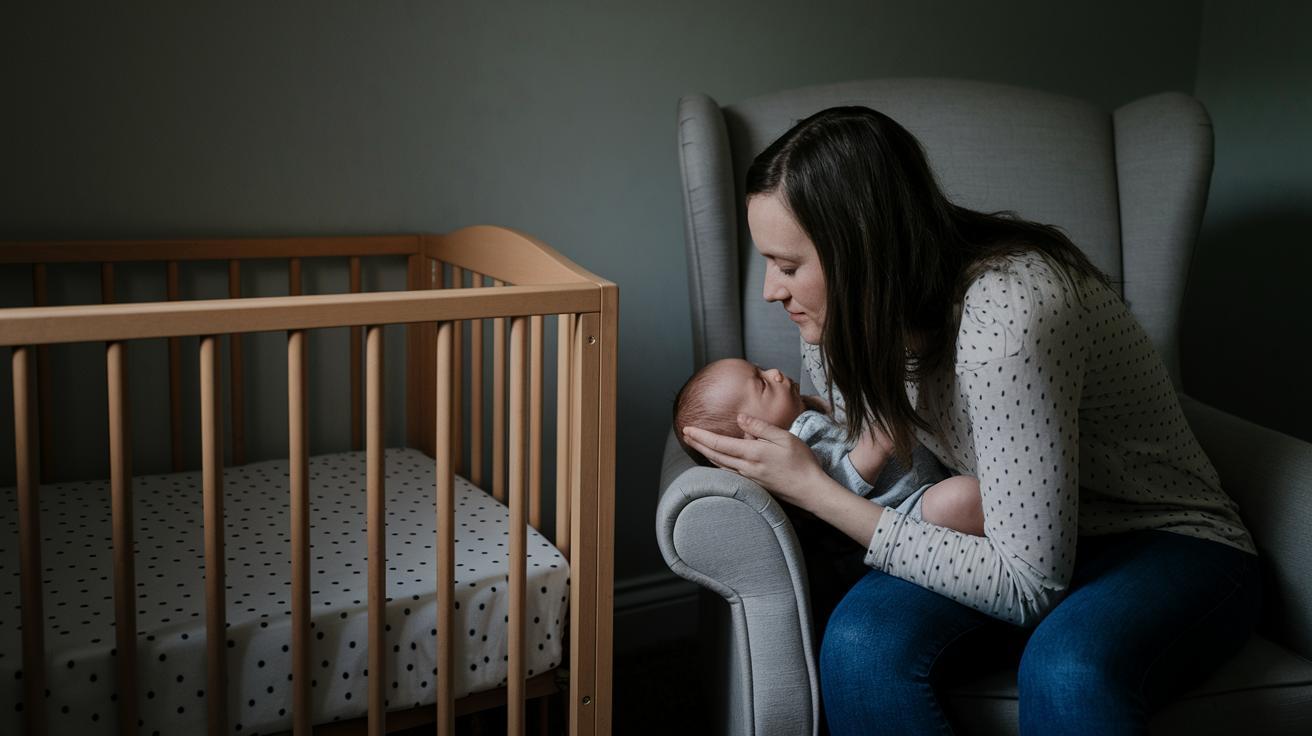
Gentle sleep training is all about helping your baby drift off without the tears. With methods like Pick Up, Put Down, you briefly comfort your little one before gently laying them back in their crib. This careful approach is quite different from more sudden methods. It helps to establish a soothing bedtime routine that reassures your baby while slowly guiding them to sleep on their own.
You might consider techniques like the Chair Method or gradually reducing your support. These methods mean you check in softly, adjusting your comfort based on how your baby reacts. One parent shared, "I slowly cut back on rocking until my baby settled more on his own, making bedtime a lot calmer." Such gentle strategies let you follow your baby’s clues and tailor each step to fit their unique needs.
Sticking with these techniques over several nights is key. Consistent routines help your little one learn to sleep for longer stretches. It really does make a difference when you adjust your support based on what feels right for your family.
For more friendly advice, you can explore first-time parent tips or read about different parenting styles. These resources offer practical ideas to help you find the best sleep routine for your little one.
Try out these gentle methods and notice how small changes can lead to more peaceful nights and brighter mornings.
Gentle Sleep Training Methods for Sweet Dreams
Creating a calm bedtime routine can help your little one drift off peacefully. Start by slowly lowering the lights to mimic a soft sunset and signal that sleep is near. This quiet, gentle shift makes bedtime feel safe and inviting.
Here are some easy ideas to try:
- Use soft lighting to gradually dim the room
- Play mellow, soothing lullabies
- Give a gentle, relaxing massage
- Read a brief, heartwarming bedtime story
Imagine this: as you dim the lights, your baby looks around in a calm, almost magical glow. That special moment softly whispers that it's time to rest. Research shows that sticking to a consistent bedtime ritual can help your baby connect their sleep cycles, leading to a more refreshing sleep.
Avoid hurried transitions. Instead, take your time with each step so your baby feels secure and begins to settle on their own. Each familiar cue builds a sense of safety that comforts your little one as the day comes to an end.
Keep these calming signals as part of your nightly routine, and soon your baby will link the soft lights, gentle music, and your warm voice with the promise of sweet dreams.
Step-by-Step Guide to the Pick Up, Put Down Gentle Method

Start by choosing a quiet spot where your baby feels safe and loved. Hold your little one close until you see them settle and relax. When they’re peacefully calm, gently place them back in the crib while they’re still awake, helping them ease into sleep.
If you notice your baby beginning to fuss, pick them up right away with a soft voice and a tender touch. Hold them just long enough for their calm to return, then gently set them back. Think of it as tiny, caring steps toward learning to sleep on their own.
Every baby is different. Some may calm down quickly, while others need a little extra reassurance. Stick to the same routine during both bedtime and nap times so your baby starts to see their crib as a safe, sleep-friendly space. Watch for their cues and adjust your comforting hold as needed. Be patient, gradual progress is natural.
Keep your own mood relaxed and steady. Your gentle approach reassures your baby that their crib is a cozy space for rest. Each time you follow this routine, your little one learns to settle more independently, with fewer tears. Over time, this heartfelt practice creates a peaceful and predictable sleep environment that encourages your baby to self-soothe, night after night.
Tracking Progress and Adjusting Gentle Sleep Training Methods
Keeping an eye on your little one’s sleep is really the first step in gentle sleep training. Try watching when your baby wakes during the night, how many hours of sleep they get, and how their naps go over a week. Every baby is different, so these notes will help you see what works best for your child. You can also keep track of awake times to avoid your baby getting too tired or not tired enough.
Here are a few simple tips to get started:
- Write down the times your baby falls asleep and wakes up.
- Jot down any extra fussiness or signs of restlessness.
- Note how long each nap lasts and how many naps there are.
Once you have your notes, consider gently reducing the amount of soothing time you offer. Maybe shorten those comforting holds or soft talks by just a few minutes each night. Little changes like these can help your baby learn to settle on their own. Patience and consistency can make a big difference, giving your baby the room to learn self-soothing. With steady notes and small tweaks, you’re paving the way for smoother sleep patterns, peaceful nights, and brighter, well-rested days.
Take a moment each week to spot any improvements and adjust your methods as needed. These gradual, thoughtful changes will help your baby build a strong and healthy sleep routine now and for the future.
Overcoming Common Challenges in Gentle Sleep Training

Sometimes, sleep regressions can shake up what once felt like a smooth routine. When your baby reaches new growth milestones, its sleep might seem off balance for a little while. It helps to remember that these changes are usually brief, and sticking to your gentle method will soon bring back that familiar rhythm.
It’s normal for babies to wake up during the night now and then. These little wake-ups are just part of your baby’s natural sleep cycle, not a sign that you’re doing anything wrong. If you notice these moments happening more often, try watching the time your baby stays awake, or adjust your routine just a bit to see if it helps your little one drift back to sleep.
Parents of twins often face extra challenges when it comes to sleep. When cues cross over in a shared sleep space, it can lead to mixed signals about when to sleep or wake up. In these moments, consider giving each baby their own sleep space. Even a temporary setup like this can create clearer signals and help them settle more easily.
Sometimes, even your best gentle techniques might seem to stall. If that happens, try making your routine a bit more consistent or even giving yourself permission to take a short break during those busy developmental phases. Remember, focusing on comfort and security for both you and your baby can ease stress during these times, leading to more peaceful nights for everyone.
Real-Life Gentle Sleep Training Success Stories
One heartwarming story comes from parents of a five‐month‐old who tried the Pick Up, Put Down method every night for ten nights. They soon saw fewer night wakings, and their baby began to settle on her own with more ease. It wasn’t just about less crying, it was about building a steady, soothing bedtime routine that worked for the whole family.
Another family shared how their toddler, who was struggling with sleep regression, started to sleep better by bringing back calm bedtime rituals. They tweaked their nightly routine and offered gentle check-ins when their little one needed it most. Both families felt comforted by this kind, consistent approach that turned bedtime into a safe, cozy moment. Some even sought advice from experts to fine-tune their routine just right. These real-life stories remind us that gentle sleep training can truly create a secure sleep pattern and provide lasting peace during bedtime challenges.
Final Words
In the action, we explored how gentle sleep training methods empower baby comfort, safety, and self-soothing. We touched on soothing bedtime rituals, step-by-step guides like Pick Up, Put Down, and ways to track progress while overcoming bumps along the way.
Our tips show that small changes can build safe, calm routines that work. With patience and consistency, every nighttime step leads to a happier, peaceful sleep. Keep moving forward with care and confidence.
FAQ
Frequently Asked Questions
How can gentle sleep training methods help when dealing with precious little sleep?
Gentle sleep training methods help improve baby sleep by encouraging a calm, independent sleep routine, turning even short sleep moments into valuable rest for both baby and parent.
How do gentle sleep training methods discussed on Reddit work for different ages?
Gentle sleep training methods shared on Reddit emphasize a soft, patient approach. Many parents start as early as 4–6 months, while older babies or toddlers may need a customized plan based on their cues.
How does the Ferber method compare to gentle sleep training techniques?
The Ferber method involves short, timed check-ins to comfort your baby while gradually teaching them to sleep on their own. This contrasts with gentle methods that rely more on a soothing, minimal-intervention approach.
How does the Pick Up, Put Down method promote independent sleep?
The Pick Up, Put Down method promotes independent sleep by gently comforting your baby when distressed. You pick up your baby until they’re calm, then place them back in their crib awake, repeating as needed.
What do the 5 3 3, 10 5 3 2 1, and 5 10 15 rules mean in sleep training?
These rules set specific time intervals for checking in on your baby during sleep training. They offer a structured plan to gradually reduce your involvement, leading your baby to self-soothe without extended distress.
When can I start gentle sleep training my baby?
Gentle sleep training generally begins around 4 to 6 months when babies can sleep longer stretches. It’s best to follow your baby’s cues and adjust the method to provide calm reassurance and comfort.