

Have you ever wondered if your baby's sleep space is truly safe? Sometimes, a few simple tweaks can make a big difference. Laying your little one on their back and keeping the crib free of loose blankets or toys can help lower the risk of sudden infant death syndrome.
A safe sleep setup not only gives you peace of mind but also wraps your child in a cozy, secure environment. In this post, we share trusted, easy-to-follow tips to create a space where your baby can drift off into sweet, undisturbed dreams.
Key Safe Sleep Guidelines for Infants to Minimize SIDS Risk

When it’s time for your little one to sleep, always place your baby on their back, whether during naptime or at night. This simple trick really does help lower the risk of SIDS. Research shows that sticking to back-sleeping provides extra safety for infants. If you’d like extra details on sleep positions, you might find this link helpful.
Create a cozy, safe sleep space by using a firm crib that meets safety standards. Remove anything extra like loose bedding, pillows, comforters, or stuffed animals. Instead, opt for a snug, flat sheet that offers a clear and secure surface for sleeping. This clean setup helps prevent suffocation risks. For more ideas on a perfect sleep space, check out this guide.
It also helps to keep your baby close by. Consider placing a crib or bassinet in your room for at least the first six months. This way, you’re nearby while your baby enjoys their own sleeping area. Avoid sharing an adult bed because that can bring extra hazards. And remember, keeping the room between 68°F and 72°F makes it comfortable and safe. Instead of loose blankets, a wearable blanket like a sleep sack can keep your baby warm and secure.
Other practices can make a big difference too. Breastfeeding, keeping your home smoke-free, and offering a pacifier during sleep have all been linked to reducing the risk of SIDS. Following these heartwarming guidelines is just one way to protect your baby and make sure they get the sweetest, safest dreams.
Crib Safety Instructions within Safe Sleep Guidelines for Infants
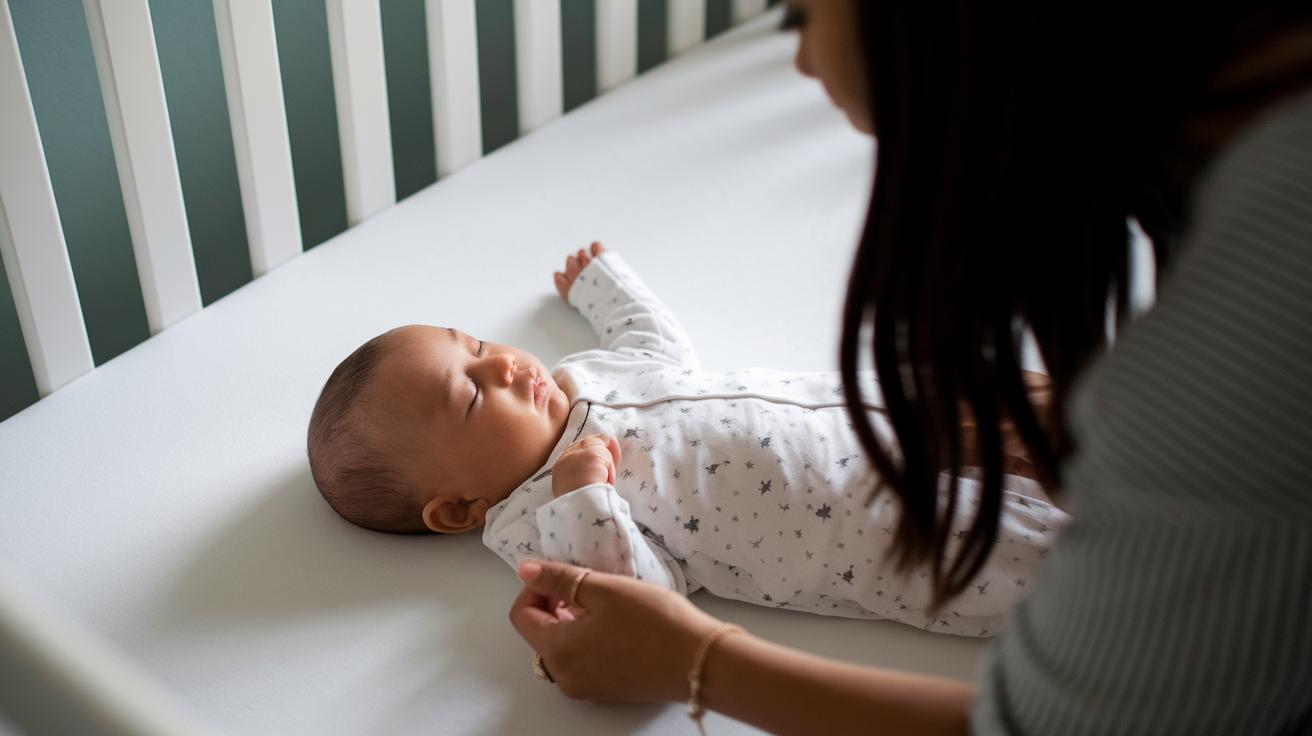
Choose a crib or bassinet that’s been safety-tested and meets CPSC and ASTM standards. Keep your baby’s sleep area simple by using a firm, flat mattress topped with a tightly fitted sheet. Remove bumpers, pillows, blankets, and toys to avoid any clutter. Always double-check that the mattress stays completely flat and sits at the recommended height, any tilt is like a slight seesaw, which might let your baby roll into a risky spot.
Make it a habit to inspect your crib often. Look at the slats to ensure they’re still secure and that nothing has loosened over time. Follow the manufacturer’s instructions for the right mattress height, too. A quick monthly check can help you spot any loose parts or fabric wear before they lead to a problem. This simple routine helps you keep your little one safe and sound.
Positioning Best Practices in Safe Sleep Guidelines for Infants

When it’s time for naptime or bedtime, always lay your baby on their back. This simple sleep position helps keep their airway clear and lowers the risk of problems. Sometimes, your doctor might recommend keeping this routine even after the first birthday if extra precautions are needed.
Don’t put your baby on their side or stomach, and skip using wedges, positioners, or other devices that claim to ease reflux. These items can block a safe, flat sleep surface and make breathing harder, like using extra cushions to steady a wobbly chair.
Once you've settled into breastfeeding, offering a pacifier at sleep time can add that little extra comfort and safety.
- Always place your baby on their back
- Avoid side or stomach positions
- Refrain from using wedges or positioners
- Pacifier use is encouraged after breastfeeding is set
Swaddling Techniques in Safe Sleep Guidelines for Infants
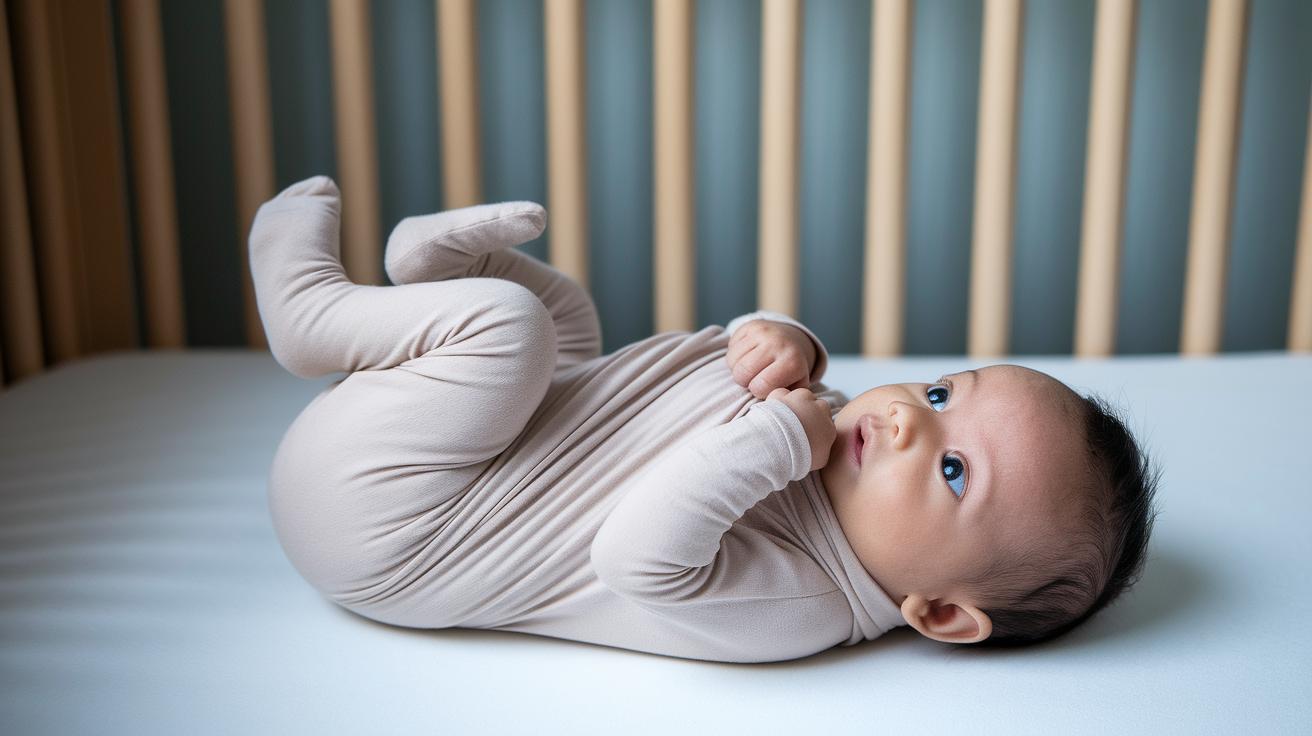
Swaddling can feel like a gentle hug for your baby, wrapping them in a cozy, safe space. It works best when you use a light, breathable cotton fabric or an approved swaddle sack that lets your baby feel snug without being too tight. This way, your little one enjoys warmth and comfort while still moving their hips and legs the way nature intended.
Remember to always lay your baby on their back when they’re swaddled. It’s important to keep a watchful eye so you can catch any signs of overheating early. And when you notice your baby starting to roll over, it’s time to stop swaddling so they can safely explore their newfound mobility.
| Step | Recommendation |
|---|---|
| 1 | Opt for a lightweight cotton or approved swaddle sack. |
| 2 | Wrap snugly but leave room for hips and leg movement. |
| 3 | Always place your swaddled baby on their back. |
| 4 | Keep a close eye for any signs of overheating. |
| 5 | Stop swaddling once your baby shows signs of rolling. |
Environmental and Room Sharing Recommendations in Safe Sleep Guidelines for Infants
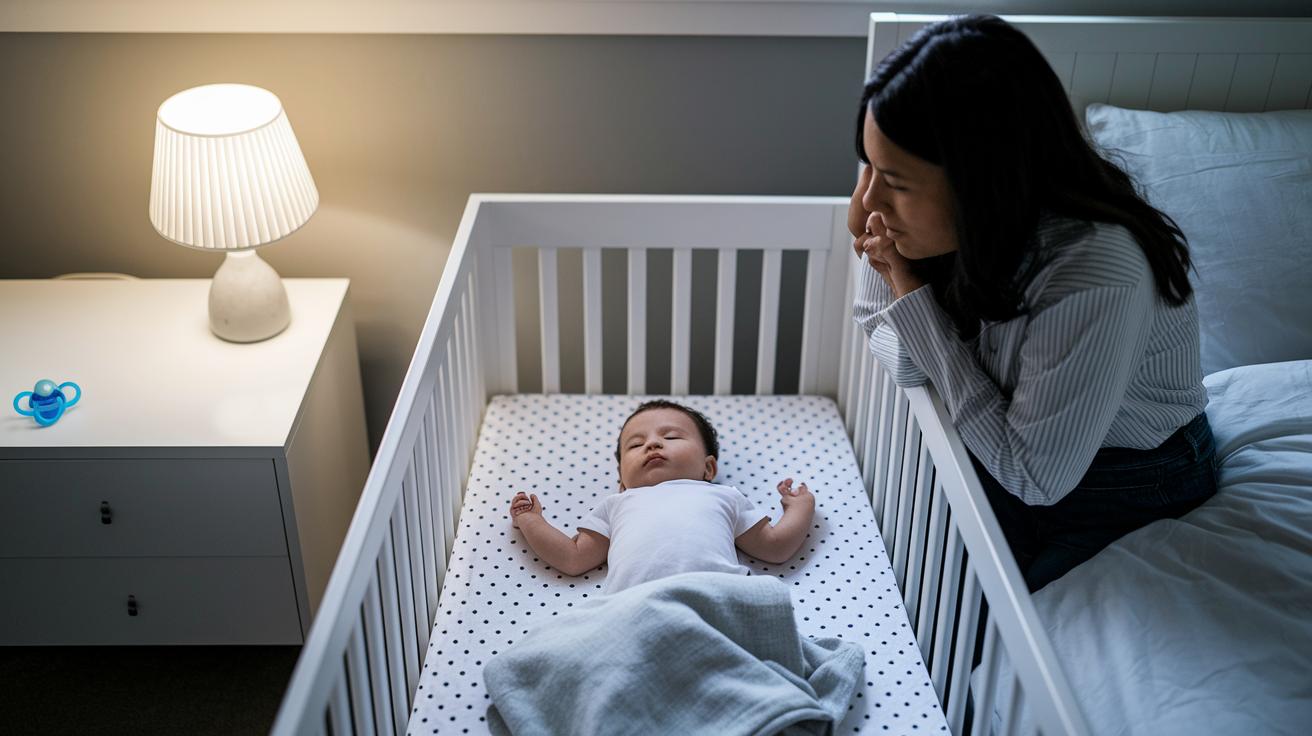
Room sharing means keeping your baby’s crib or bassinet right next to your bed for the first six months. This creates a cozy little safe spot where your baby stays secure while you’re nearby to watch over them. It’s like setting up a gentle guardian space that brings peace of mind.
Make sure your home and car stay completely smoke-free. Smoke can irritate your baby’s delicate lungs, so keeping environments clean is key. Also, remove soft items like bumpers, blankets, and toys from the sleep area to ensure your little one’s breathing space stays clear and safe.
If your baby finds comfort in it, offering a pacifier during naps and bedtime might be a soothing option. A quick safety check of the sleep area helps make sure everything stays just right for a peaceful, secure sleep.
Key Safe Sleep Guidelines for Infants

Keep your nursery cool and comfy. Aim for a temperature between 68°F and 72°F. It’s like a gentle, refreshing breeze on a warm day.
Dress your baby in one more layer than you would wear. If you’re happy with a light sweater, choose a slightly warmer outfit for your little one at bedtime.
Pick a sleep sack that fits perfectly. It wraps your baby snugly and keeps them safe without the dangers of loose blankets.
Avoid hats indoors. They can trap extra warmth that your baby might not need while sleeping.
Keep a close eye on your baby for any signs of sweating or damp hair. If you notice these little clues, adjust the room temperature or change your baby’s clothing right away.
Evidence-Based Risk Reduction Strategies in Safe Sleep Guidelines for Infants
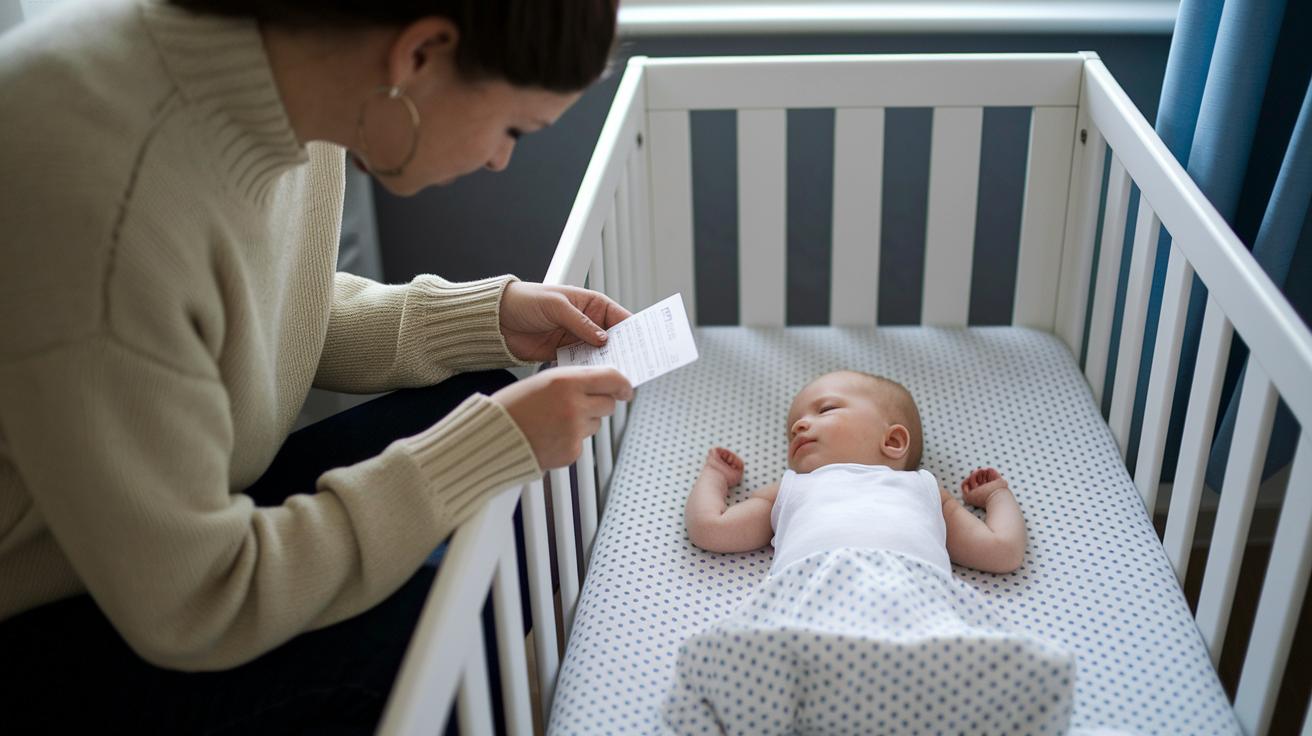
Keeping your baby's vaccinations up to date is one way to help protect against infections that might disturb their sleep. Think of it like giving your car regular oil changes to prevent sudden breakdowns.
As your little one grows, it’s just as important to stick with safe sleep habits even after the first six months. Consistency with familiar routines can make sleep time a comforting and secure experience.
Final Words
In the action, we covered simple ways to help your baby sleep safely. We unpacked crib setup, sleep positioning, swaddling techniques, room sharing, bedding, and temperature tips. Each step ties back to trusted safe sleep guidelines for infants to lower risks and keep your baby cozy. Small changes in the nursery can make a big difference. Keep these ideas close, and rest easy knowing you're helping create a safe, snug haven for your little one. Enjoy every precious moment together.
FAQ
What are the guidelines for safe sleeping infants?
The guidelines for safe sleeping infants focus on back sleeping on a firm crib with only a fitted sheet, room sharing for at least six months, and keeping the room between 68‑72°F to reduce SIDS risk.
What does the AAP safe sleep guidelines PDF for 2023/2024 include?
The AAP safe sleep guidelines PDF offers updated, evidence-based practices such as back sleeping, a clear, firm crib setup, room sharing without bed sharing, and temperature control to promote infant safety.
What is the 5 3 3 rule for baby sleep?
The 5 3 3 rule for baby sleep is not part of standard AAP recommendations. Instead, safe sleep guidelines highlight back sleeping, proper crib setup, and a safe room environment to lower SIDS risk.
What are the AAP and CDC guidelines for infant sleep?
The AAP and CDC guidelines both stress placing babies on their backs on a firm, uncluttered sleep surface, using wearable blankets instead of loose bedding, room sharing, and maintaining a safe room temperature.
What safe sleep tips exist for toddlers and age-specific guidelines?
While primary guidelines target infants, safe sleep tips for toddlers include ensuring a safe sleep area free from loose bedding and maintaining an appropriate sleep environment, guided by age-specific safety recommendations.
What does Safe Sleep 7 refer to?
Safe Sleep 7 typically refers to seven key recommendations designed to reduce SIDS risk by encouraging proper sleep positioning, a safe crib setup, controlled temperatures, room sharing, and the use of wearable blankets.