

Have you ever wondered if your 2-month-old is getting enough sleep? At this age, babies need about 14 to 17 hours of rest each day. Instead of one long sleep session, they enjoy several little naps during the day and some longer sleep stretches at night.
Each nap helps them grow, builds their brain power, and brightens their beautiful smiles. It might surprise you that these short bursts of sleep make them more alert and ready for play when they wake up.
Let’s take a closer look at how these sleep patterns help your baby grow strong and healthy.
Recommended Sleep Duration for 2-Month-Old Sleep
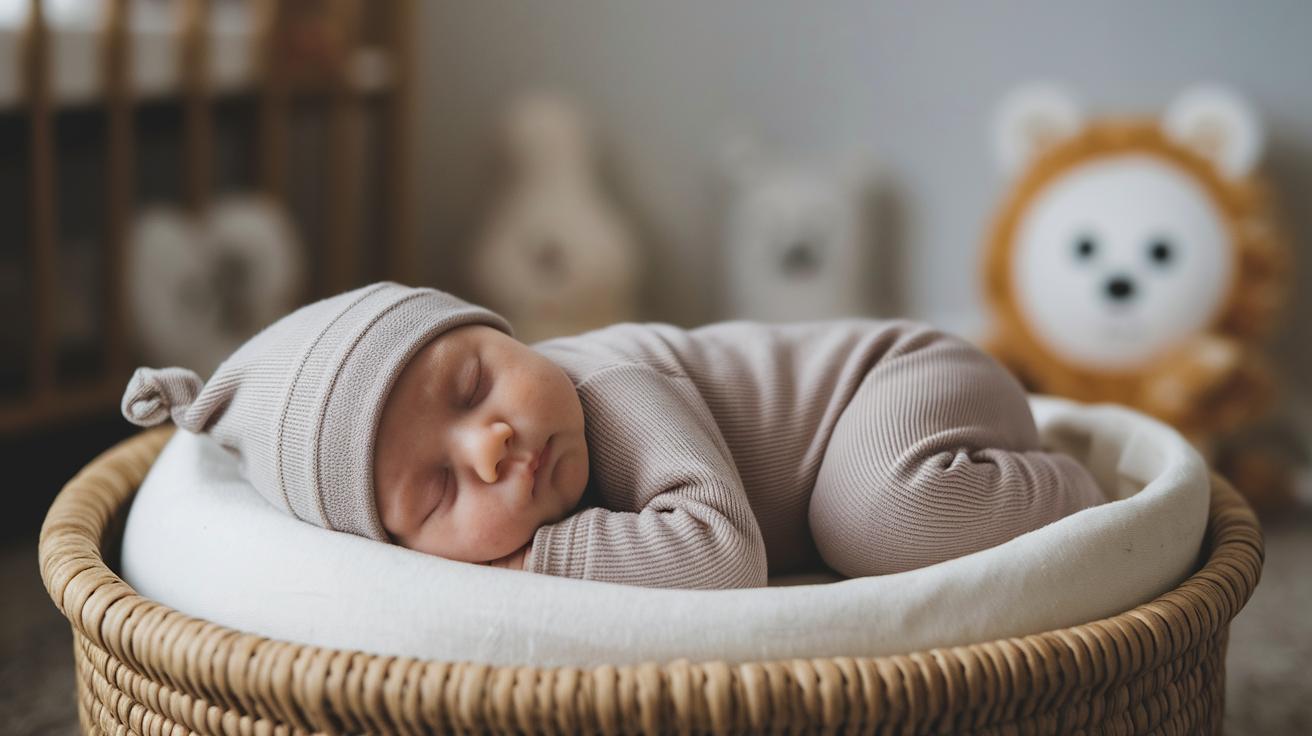
At two months old, your little one needs about 14 to 17 hours of sleep each day. Instead of one long sleep, they enjoy a mix of nighttime rest and several naps during the day. Sleep helps fuel growth, sparks brain development, and gives your baby the energy to smile, coo, and explore.
Even though naps might only last 2 to 4 hours at a time, every little sleep session builds a strong foundation for healthy development. It’s amazing how these short bursts of rest can help your baby feel more awake and alert when they’re up and about.
| Sleep Guidelines | Details |
|---|---|
| Total Daily Sleep | 14–17 hours |
| Nighttime & Daytime | Longer nighttime stretches with shorter daytime naps |
| Individual Sleep Blocks | Approximately 2–4 hours each |
Remember, while these guidelines give you a good starting point, every baby is unique. Some may need a little more rest or even a touch less. Try to enjoy tracking your baby’s sleep pattern, it can be fascinating to see how they grow and change, especially during growth spurts or when your daily routine shifts.
Understanding 2-Month-Old Sleep Cycles and Patterns

At two months, your baby isn’t just closing their eyes to sleep; they’re experiencing a gentle dance between light sleep and deep sleep. In those light sleep moments, small bursts of brain activity help your little one feel relaxed yet aware. When your baby slips into deep sleep, it’s a time when their body grows and their brain gets a little boost. These early sleep rhythms are a sign of all the beautiful changes taking place.
Because your baby’s brain is growing so fast, you might notice sudden shifts in their sleep patterns. A tiny change in their routine or a quick burst of energy can mix up the balance between light and deep sleep. It may seem unpredictable, but it’s completely normal at this stage, it just shows how lively and evolving your baby’s development really is.
At this point, the difference between day and night is just beginning to emerge. You might see longer stretches of sleep at certain times, though a steady pattern hasn't fully taken shape just yet. Watching these early milestones unfold can be both fascinating and comforting, especially as those longer nighttime naps hint that your baby’s internal clock is slowly finding its rhythm.
Daytime Nap Guidelines for a 2-Month-Old’s Sleep Needs
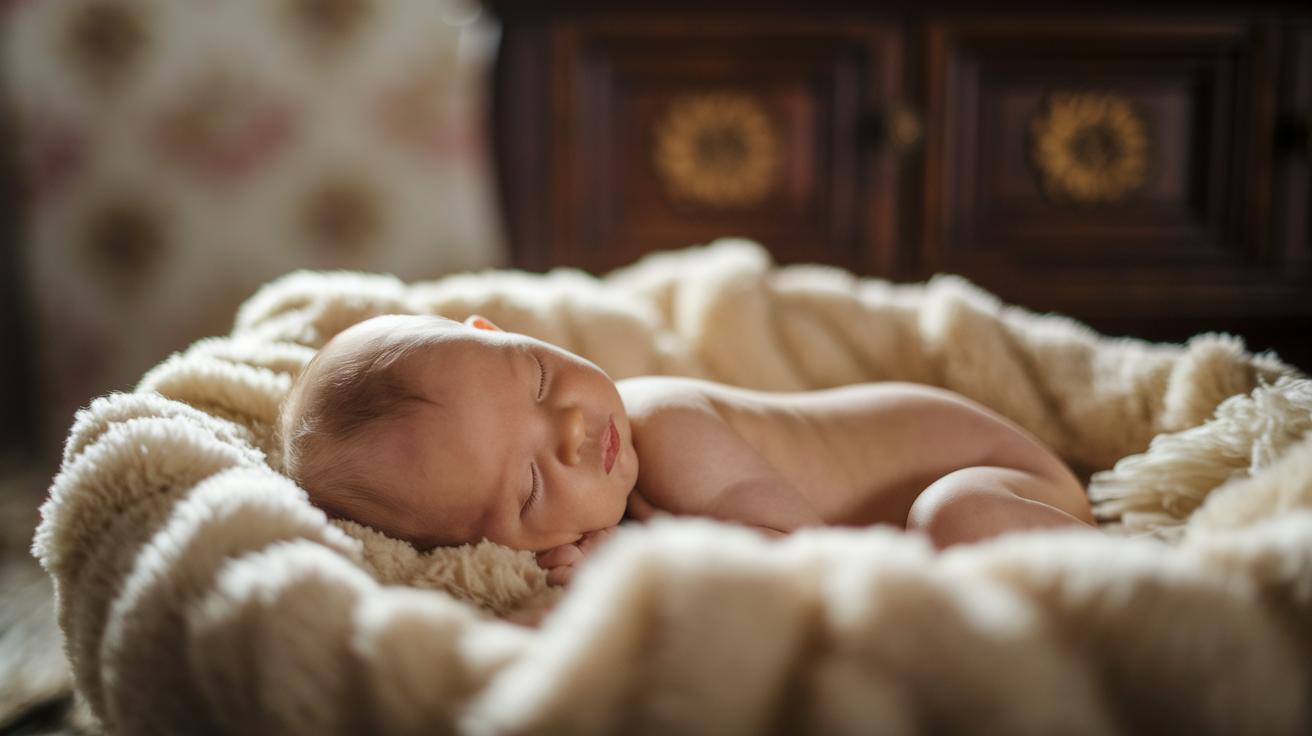
Daytime naps are super important for your little one. At two months old, every little nap helps them reach a total of 14–17 hours of sleep a day and lets them gently take in all the new sights and sounds around them. These breaks are a real treat for growing minds and bodies, refreshing your baby for each new moment of exploration, even if that means having a few quick resets throughout the day.
- Recommended naps each day: 3 to 5.
- Ideal times for naps: right after feeding and during naturally calm moments.
- Typical nap duration: between 30 minutes and 2 hours.
- A handy tip: Create a cozy area with soft lighting and gentle sounds to cue that it’s time to rest.
Keep a close watch on how your baby responds, and feel free to adjust the routine as you discover what feels best for them.
How Much Should a 2 Month Old Sleep!

Every evening, start by creating a gentle and predictable bedtime scene. Imagine the house winding down as you softly wrap your baby in a snug swaddle. The quiet rustle of the fabric and a soft lullaby say it's time to rest. Simple signals like dimming the lights and reducing sounds gently tell your little one that sleep is near. This calm routine builds early sleep habits and helps your baby settle in.
A bedtime ritual can be as simple as a warm cuddle and a few quiet moments together. Think of it as whispering, “It’s sleep time, my love,” as you enter a peaceful room where the day's noise fades away. This steady routine makes it easier for your baby to drift off and creates a nurturing space that grows with them.
And remember, it's okay to adjust the routine as your baby changes. Maybe an earlier cuddle or an extra minute of soft music makes all the difference. Trust your instincts, sometimes a little tweak goes a long way in keeping bedtime loving and stress-free.
Nighttime Sleep Consolidation in 2-Month-Olds

At two months, you might start noticing that your little one is following a natural day to night pattern. They still take plenty of naps during the day, but there are hints of longer sleep stretches at night. This change shows that their body is slowly getting ready for deeper nighttime rest, which is so important for growth and a strong immune system. Think of it like your baby’s internal clock adjusting to create moments of calm amid all the daytime play.
A calm, safe space makes a big difference in helping your baby get ready for sleep. Soft lighting, a cozy room temperature, and a quiet setting all signal that it’s time to wind down. A steady bedtime routine and gentle sounds can set the perfect scene for a longer night’s sleep. And if you ever need extra tips on keeping your baby safe, check out the safe sleep guidelines for infants.
To help your baby enjoy longer nights, try spacing out feedings slowly and adding a soothing touch when they wake. Little changes, like dimming the lights a bit earlier or using a quiet white noise machine, can really help your baby drift off into a deeper, more restful sleep.
Monitoring Sleep Variations and Regression in 2-Month-Old Sleep

At two months old, your baby might start showing little changes in sleep. These shifts can feel a bit surprising as your child goes through growth spurts and reaches new milestones. You may see variations in how long your baby naps, when they wake up, and even how they transition from light sleep to a deeper rest. Keeping a simple sleep log can really help you notice these small, natural changes.
Around eight weeks, some infants might seem to experience a bit of sleep regression. This can mean shorter sleep segments, more unexpected wake-ups, or extra fussiness during sleep time. Even though it might raise a few worries at first, these signs generally show that your baby is hitting another important developmental milestone, not that something is seriously wrong.
If you ever notice that the changes in your baby’s sleep feel too extreme or if sleep becomes a real struggle, it’s a good idea to consult with your pediatrician. A caring healthcare professional can help confirm that everything is on track and offer advice tailored just for you. Remember, jotting down your baby’s sleep patterns can offer you both reassurance and a clearer picture of how your little one is growing every day.
Balancing Feeding and Sleep: Optimizing 2-Month-Old Sleep Schedules
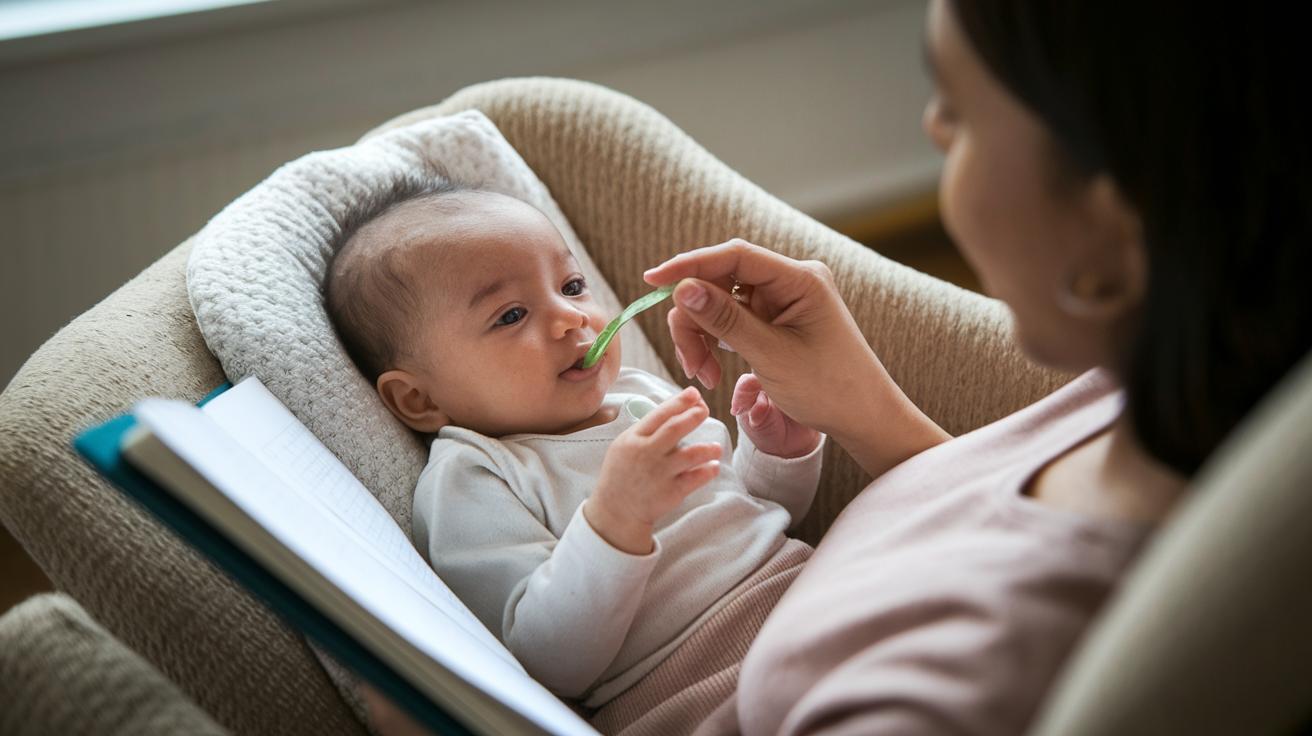
At two months old, your baby usually feeds every 2–4 hours, and those feeding times often match up with nap times. Keeping a simple log of when your little one eats and when they sleep can really help you spot a pattern. For instance, note the moment your baby finishes eating and then drifts off, this can tell you which feedings naturally lead to sleep and which might need a little adjustment.
When you pair nursing or bottle feeding with nap times, it feels like you’re setting up a comforting routine. Picture it as a gentle sequence: a warm feed, a cozy cuddle, and then time to rest. Sometimes, a quick feed after a short nap can even extend that sleep period, giving your baby more time to recharge.
As your baby grows, these timing cues might change, and your log turns into a handy guide. Adjusting the schedule based on what you observe each day can help create a steady rhythm. Every little detail you capture now makes it easier to shape tomorrow’s feeding and nap times into a calm, predictable routine.
In the end, it’s all about finding that balance where feeding and sleep work together seamlessly for your baby, and for you.
Final Words
In the action, we explored key sleep guidelines for your little one. The outline touched on recommended sleep totals, understanding unique sleep patterns, and setting a soft bedtime routine. We also looked at nap guidelines, nighttime consolidation, and balancing feeding with rest. Remember, how much should a 2 month old sleep can vary slightly, so small changes are okay. Keep tracking your baby’s cues, and give them the love and calm they need. Everything here aims to support a positive, nurturing sleep environment for your precious baby.
FAQ
How many hours should a 2 month old sleep at night?
A two-month-old’s sleep totals 14–17 hours in a day, with nighttime rest often comprising a significant portion of that overall sleep.
How long should a 2 month old sleep at night without eating?
At this age, sleep sessions typically last 2–4 hours at night before a feeding is needed, though individual patterns can vary.
Should I wake up my 2 month old to feed at night?
Feeding every 2–4 hours is normal at two months. It’s best to follow your pediatrician’s advice and observe your baby’s hunger cues to decide about waking them.
How much should a 2 month old sleep during the day?
Daytime rest for a two-month-old usually comes from three to five naps, adding up to about 6–9 hours, which supports the overall sleep target.
What does a 2 month old baby feeding and sleeping schedule look like?
A typical schedule involves feedings every 2–4 hours paired with multiple naps throughout the day, aligning well with your baby’s natural sleep cycles.
What is an easy sleep routine for a 2 month old?
A calm routine might include simple steps like a gentle swaddle, soft music, and dim lighting, all helping signal that it’s time to wind down and rest.
Why is my 2 month baby not sleeping deeply?
Two-month-olds are still developing their sleep cycles. They naturally alternate between light and deeper sleep as their brains continue to grow.
How long should a 2 month old be awake between naps?
Typically, a two-month-old stays awake for about 1–2 hours between naps, which helps prevent overtiredness and makes it easier to settle into sleep.
When should I be concerned about my 2 month old’s sleep?
Concerns may arise if your baby consistently sleeps too little, appears unusually lethargic, or shows odd sleep patterns. In such cases, reaching out to your pediatrician is a wise step.
Should I let my 2 month old sleep as much as she wants?
Allowing your baby to sleep when needed is usually best. Over time, a natural sleep rhythm forms, so tracking feeding and growth can help ensure healthy sleep habits.
What is the 2 month sleep regression?
The two-month sleep regression is a phase where sleep patterns may temporarily change due to growth spurts and brain development, resulting in brief disruptions in sleep quality.