

Have you ever stopped to think if your little one is really getting the sleep they need? It might sound surprising, but newborns actually need about 14 to 17 hours of sleep each day. They don’t sleep in one long stretch, they take many short naps to give their growing bodies a little boost.
In this article, we take a gentle look at how a baby’s sleep works and why these cozy naps help them grow strong and happy. Let’s dive into a routine that works for both your baby and you.
Newborn Sleep Hours Overview

Newborns usually need about 14 to 17 hours of sleep in a day. This sleep helps them rest, grow, and bloom, much like recharging a tiny battery so they can explore and learn every day.
Babies don’t sleep in one long stretch. Instead, they take several short naps because their little internal clocks are still figuring things out. They wake up often for feeding and cuddles, with naps lasting anywhere from 30 to 120 minutes. This pattern gently guides them toward a day and night routine.
| Age Range | Average Total Sleep (hrs) | Nap Duration (mins) |
|---|---|---|
| 0–2 months | 14–17 | 30–120 |
| 2–4 months | ~14 | 90–120 |
Every baby is unique, so it’s best to follow your little one’s cues rather than sticking to a strict schedule. Listen to those sleepy eyes and adjust the routine as needed. Even if the naps vary a little from day to day, it's all perfectly normal in these precious early months.
Daytime Versus Nighttime Sleep for Newborns

Newborns rarely sleep for long at night. They wake up every two to four hours for feedings, and their bedtime can change from one evening to the next. One night, they might settle down around 7 or 8 pm, while another night it could be as late as 8 to 10 pm. Their little internal clocks are still learning the difference between day and night. So, even when they do sleep at night, it’s more about feeding and soothing than getting a long, solid rest.
During the day, your baby takes several short naps to recharge. These naps are essential little breaks that help them refuel between feedings. You might notice one of these common nap patterns:
| Number of Naps | Typical Duration |
|---|---|
| 5 naps per day | About 30-45 minutes each |
| 6 naps per day | Typically 30-60 minutes each |
| 7 naps per day | Usually 30-60 minutes each |
| 8 naps per day | Often around 30-45 minutes each |
As the days go by, you’ll start to see the difference between daytime naps and nighttime sleep more clearly. By about 2 to 4 months, most babies begin to develop a more regular day-night cycle. This gradual change can help guide both their nap times and their longer stretches of nighttime rest.
Newborn Sleep Cycle Patterns

Newborns have a gentle rhythm that many parents come to appreciate. Their sleep cycles last about 50 to 60 minutes, shifting naturally from a little burst of movement, where their tiny arms might wiggle and their eyes flutter, to a peaceful, quiet sleep that lets them rest deeply. It's much like a soft wave moving in and out, giving them a chance to recharge.
It’s perfectly normal for a baby to wake up frequently at this stage. Often, a little stir might mean they're hungry or need a diaper change. Think of it as making quick stops during a long drive to refuel and keep going. These brief pauses are your baby’s way of saying they need a bit of care while their internal clock is still learning the routine.
Around 3 to 4 months old, many parents notice longer stretches of consolidated sleep. At this time, the little one starts to settle into a more predictable rhythm. This change brings gentle nights and a growing sense of calm, making bedtime a bit easier for both you and your baby.
How Sleep Fuels Growth and Development

When your newborn drifts off to sleep, it's not just resting, it's setting the stage for a lifetime of learning. While they snooze, their brain is busy creating connections that help with thinking, remembering, and even chatting later on. Imagine it like a little construction crew adding strong beams to a cozy home made entirely of brain power.
Deep sleep also nudges the release of growth hormones that help your baby grow strong and steady. In those quiet moments, the body repairs cells and builds up muscles and bones, all while preparing for big milestones like crawling and reaching out. It's like a gentle, nightly tune-up for both mind and body.
Simply put, a good amount of sleep builds the foundation for a happy, healthy journey through early childhood. We all want our little ones to be ready to explore and grow, and those peaceful hours of rest play a huge role in that wonderful adventure.
Establishing Healthy Newborn Sleep Habits
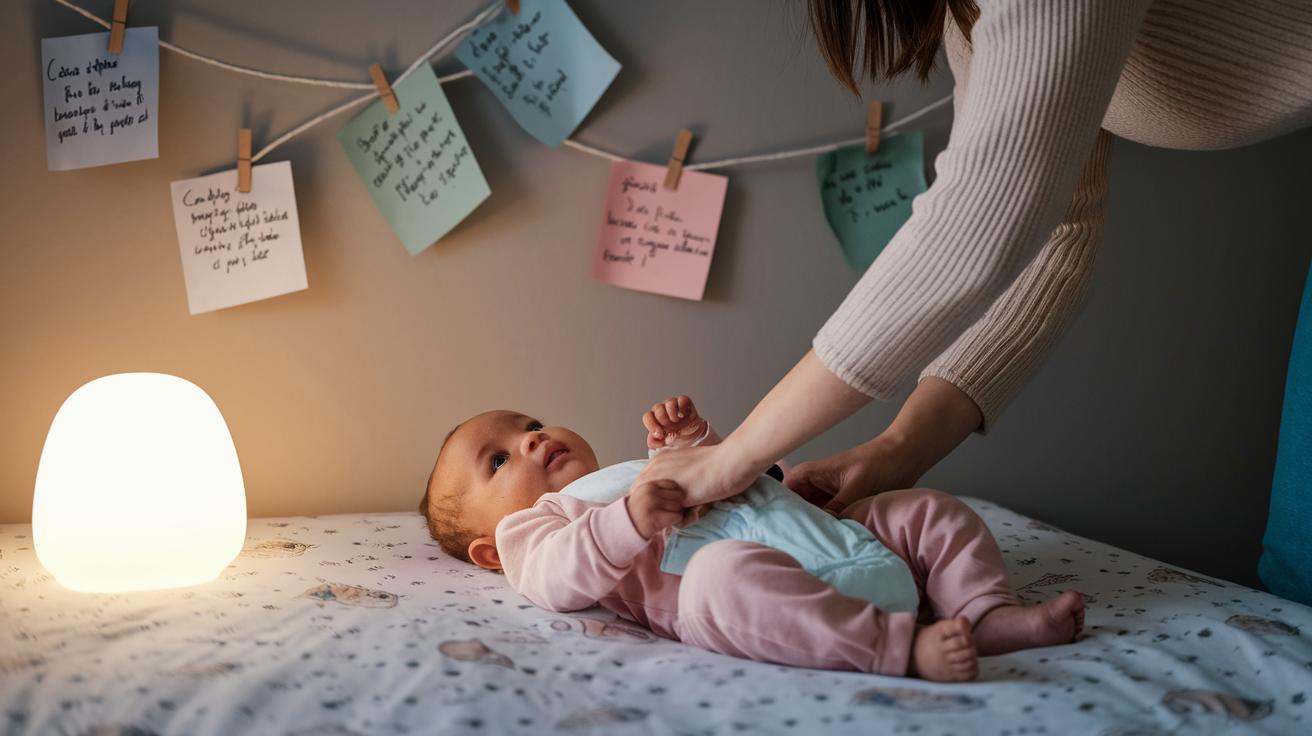
Creating a steady bedtime routine is a gentle way to help your baby drift off to sleep. When the same calming steps happen every night, your little one learns that it's time to rest and feels safe and secure. Even simple habits can bring comfort to both baby and parent.
Think about starting with an easy diaper change followed by putting on soft, warm pajamas. Next, try calming activities like a sweet lullaby or a soft song to settle your baby down.
| Step | Activity |
|---|---|
| 1 | Diaper change |
| 2 | Changing into pajamas |
| 3 | Singing a lullaby or soft song |
| 4 | Gently swaddling |
| 5 | Using white noise or a gentle motion |
This routine helps create a sleep-friendly environment where your baby feels hugged and secure. Remember, setting up the sleep space is just as important. Always lay your baby on their back on a firm, flat surface. This safe sleep position supports healthy rest, and keeping the crib free of loose bedding and plush items adds extra safety.
Keep an eye on your baby's cues, maybe they rub their eyes or get a little fussy. These signs are little nudges to make adjustments, like dimming the lights or softening background noise. By keeping a balance of consistency and a bit of flexibility, you pave the way for soothing nights that both you and your newborn can trust and enjoy.
Checking Sleep Sufficiency and When to Seek Help

As a loving parent, you know how important it is to make sure your little one gets enough rest. Keep an eye on your baby’s total sleep hours over a full day. Babies need ample sleep for healthy brain growth and steady physical development. If your baby is catching less than 8 hours or more than 20 hours of sleep a day, it might be time to take a closer look. Watch these patterns for a few days and compare them with what’s typical for a 3-month-old.
Sometimes little cues can tell you that something isn’t quite right. If your baby doesn’t wake for feedings every 2 to 3 hours, seems extra sleepy, or gets unusually fussy throughout the day, these could be signs that sleep might be off track. It’s always a good idea to trust your instincts and chat with your pediatrician if you notice persistent changes.
Red flags to watch for:
- Missed feeding cycles lasting more than 2 or 3 hours
- A noticeable drop in activity or ongoing drowsiness
- Fussiness that isn’t eased by the usual soothing techniques
2. how many hours newborn sleep: Soothing nights

Watching your newborn sleep is a gentle journey, changing almost as quickly as they grow. In their first year, you'll notice little shifts, from scattered naps to a calming routine. It’s truly amazing how small tweaks can lead to longer, more peaceful nights for both you and your baby.
2 to 4 Months Sleep Shifts
Between 2 and 4 months, many little ones start to figure out the difference between day and night. Naps during this phase often last about 90 to 120 minutes, gently easing them into a routine. Picture this: a soft lullaby in the background as your baby drifts in and out of sleep, creating a delicate balance between daytime play and nighttime rest.
4 to 8 Months Routine Changes
From 4 to 8 months, you might see more consistent sleep patterns emerging. This is usually when parents start to stop swaddling, especially as babies begin to roll. Many find that adding a quiet white noise helps set a calming scene. With these small changes, sleep becomes steadier and those bedtime sounds work like a gentle invitation to a deeper, kinder rest.
8 to 12 Months Nap Consolidation
By 8 to 12 months, many babies naturally drop one of their naps, settling into a smooth two-nap routine. This often pairs with a more predictable bedtime ritual, allowing for a longer stretch of soothing sleep at night. These adjustments can make evening routines feel more settled and comforting for everyone.
Every baby is unique, so it’s important to tune into your little one’s signals as sleep patterns change. With a little flexibility and gentle tweaks to your routine, those transitions can become peaceful moments that bring comfort to both your baby and you.
Final Words
In the action, we unpacked the various stages of newborn sleep, from a total of 14–17 hours split into gentle naps to the changes in day and night patterns. We shared practical tips on calming bedtime routines and creating a secure, soothing sleep space. Each section aimed to give a clear, heartfelt look at how this sleep fuels healthy growth. Trust your instincts, and take comfort in the little wins, as you learn how many hours newborn sleep.
FAQ
What is the normal amount of sleep for a newborn?
The normal amount of sleep for a newborn is about 14 to 17 hours in a day, spread across several short naps that support their rapid brain and body growth.
How long can a newborn sleep without feeding, and is it okay if they sleep for 5 hours or more?
The sleep period between feedings for newborns is usually 2 to 4 hours because they need regular nourishment. A 5-hour stretch without feeding may be a sign to gently wake your baby for a feed.
What are typical sleep patterns for newborns as they grow, including weekly changes?
Newborn sleep patterns change quickly—early on, sleep is very fragmented into short naps, and as they grow, more distinct day and night cycles develop around 3 to 4 months.
How can I tell if my newborn is sleeping too much?
Signs that your newborn may be sleeping excessively include difficulty waking for feedings or noticeable lethargy, which may suggest discussing your baby’s sleep routine with a pediatrician.
What does the 5-3-3 rule for babies mean?
The 5-3-3 rule is a guideline some parents use to structure sleep routines, suggesting several daytime naps with roughly 3 hours of awake time between them. It can be adjusted as your baby grows.