

Have you ever thought that the secret to your little one's happy growth might be in their deep, peaceful sleep? When your baby drifts off, their brain and body work together, just like how a warm hug makes everything feel safe and loved. In these quiet moments, every tiny new memory of the day finds a comfy spot to settle in. It’s amazing how just a few extra minutes of sleep can give your baby a little boost in learning and growing. Here, we take a gentle look at how each serene sleep cycle lights up your baby's future, one cuddle at a time.
Deep Sleep in Infants: Definition, Significance & Impact
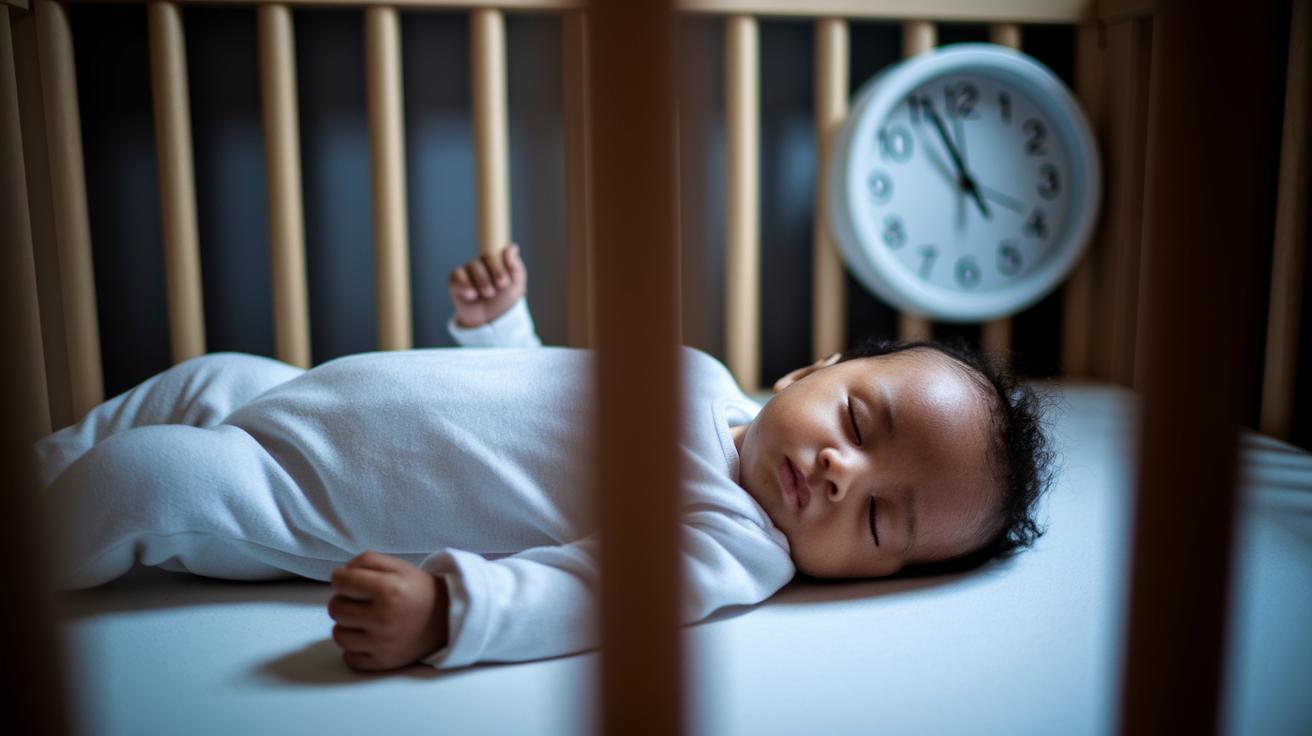
Infant deep sleep is a natural, essential process that helps both the body and mind relax and renew. Every time your little one drifts off, they go through two sleep cycles lasting about 40 to 50 minutes each. During these cycles, they spend almost half the time in a quiet, restorative sleep phase, often called deep NREM sleep. In this gentle state, your baby lies still with calm breathing and very little movement, allowing their growing body and busy brain to take a well-deserved break.
Deep sleep plays a big role in brain development and helps with memory, sort of like a quiet guardian keeping your little one’s day’s experiences safe and sound. Imagine how you feel when you snuggle into a soft, cozy blanket; that’s how important this sleep phase is for building strong foundations for learning and growth. It even shows in those precious moments when you hear a contented sigh while your baby sleeps.
The best way you can support this special stage is by creating a calm, soothing environment for sleep. Think of it like setting up a peaceful little haven for your baby. By encouraging healthy sleep patterns, you're nurturing a future filled with energy, resilience, and joy. After all, when your baby enjoys deep, undisturbed sleep, it paves the way for a happy, vibrant development that you can see and feel every day.
Infant Deep Sleep Sparks Joyful Growth

In those first few months, your baby’s sleep is a gentle dance between two states. For about the first four months, they switch between active sleep, when you might notice a little coo or a tiny twitch, and quiet, deep sleep. Each cycle lasts around 40 to 50 minutes, with the time split nearly in half. It’s their special way of processing all the new things they see and feel during the day.
Around three to five months, you might start to see a change. The sleep cycles become a bit longer, and deep sleep starts to take center stage. This deep, restful time is like a soothing lullaby for the body and brain, helping your little one lock in new skills and memories. It’s a lovely balance: bursts of active energy paired with the calm needed for growth.
Noticing these shifts can really help you support your baby’s sleep routine. For example, two sleep cycles in a row might give your baby a nap of about one and a half hours , a longer stretch that brings more continuous rest. Even small changes in the sleep pattern can make a big difference in how rested your baby feels.
Understanding these sleep patterns also guides you in those gentle transitions, like moving your baby from your arms to the crib during a quiet sleep phase. It’s those little moves that help create a nurturing space where both you and your baby can grow in comfort and joy.
Recognizing Deep Sleep Indicators in Infants

When your baby sinks into deep sleep, everything feels calm and quiet. You may notice that your little one lies perfectly still, eyes softly closed, breathing gently. It’s like watching a tiny peaceful moment unfold as if the world has paused just for a while.
Look for these clear signs that your baby is in deep sleep:
- The baby lies motionless and breathes slowly and evenly.
- Their eyelids remain gently shut without any flicker.
- There’s hardly any movement in their arms or legs, and any little twitches happen only occasionally.
- Sometimes, you might see a sudden startle, but it quickly settles down again.
In contrast, during lighter sleep, you might see your baby move a bit more, maybe a little squirm, a soft sound, or a gentle flick of a limb when they react to a dream or a distant sound. But if you notice a rhythmic jerking, prolonged fluttering of the eyes, or stiffness for more than 20 seconds, it might be a sign to check with your pediatrician.
These observations help you tell the difference between the natural, peaceful deep sleep and any movements that might need a closer look. Isn't it amazing how these little signals can tell you so much about your baby’s sleep?
Creating Optimal Environment for Infant Deep Sleep

Creating a cozy sleep space is key to helping your baby get that deep, restful sleep. When the room is just right, around 68 to 72°F, it feels like a safe little haven where your baby can relax completely. A firm, flat mattress with a snug fitted sheet gives them a secure bed to rest on, setting the stage for healthy sleep.
For little ones aged 0 to 6 months, using a swaddle or sleep sack can ease those unexpected startles that might wake them up. Gentle white noise at about 50–60 dB acts like a soft lullaby, smoothing the transition between sleep cycles. Plus, keeping lights dim and screens off tells your baby it’s time to wind down.
Here are a few simple tips for a perfect sleep space:
- Keep the room temperature between 68 and 72°F.
- Use a firm mattress with a snug fitted sheet.
- Wrap your baby in a cozy swaddle or sleep sack.
- Play quiet white noise at 50–60 dB.
- Dim the lights and avoid screens.
A calm 30-minute bedtime routine, a warm bath, a gentle massage, and a soft lullaby, can work wonders too. It not only helps your baby relax but also builds a comforting rhythm that nurtures growth and joyful development. For more details, check out the safe sleep guidelines for infants, and rest easy knowing every little touch is helping make bedtime peaceful.
Monitoring and Supporting Infant Deep Sleep

Parents often use clever gadgets to see when their baby settles into a quiet, deep sleep. These tools gently notice small changes in movement and steady breathing, almost like watching a peaceful dance. For example, a wearable monitor might show a slower heart rate when your baby starts sleeping soundly, an easy sign that the soothing sleep phase has begun.
These monitors also keep track of heart rate and oxygen levels, giving you real-time hints about how well your baby is resting. Video systems can even help you tell the difference between a brief burst of activity and a long spell of deep sleep, so you know when it’s time to adjust the bedtime routine or make the room cozier.
But don’t worry if it all feels a bit much at times. Balancing the information from these tools with your own gentle observations can be a comforting guide. With both reliable technology and your loving eye, you can create a sleep routine that brings calm and peace to your family.
Addressing Infant Sleep Concerns to Support Deep Sleep Continuity

Sometimes, simple needs like hunger, teething pains, or little developmental changes can disrupt your baby’s sleep. It can be a real challenge when your little one wakes up at an unexpected moment. One way to help is by timing feedings with your baby’s natural sleep boundaries. Imagine it like fitting puzzle pieces together, a well-timed feeding lets your baby slip back into deep, uninterrupted sleep.
Teething often peaks around six months and can make nights a bit more fussy. You might notice some extra twitching during sleep, which is usually normal. But if you see repeated jerks or eye fluttering that lasts more than 20 seconds, it could be a sign to check in with your pediatrician. Watching these signals closely helps keep your baby safe while they get the restorative rest they need.
Here are a few friendly tips to try:
- Keep a log of feedings and try to sync them with the end of sleep cycles.
- Learn to tell normal sleep twitches from movements that seem unusual.
- Stick to a regular nap schedule so your baby can slide gently into deep sleep.
- Stay quietly observant during the night, noticing any changes without worrying too much.
By combining gentle care with a calm environment, you’re nurturing not just your baby’s healthy growth but also your own peace of mind. Consistent routines can become a comforting rhythm, letting both your baby and you enjoy those precious, uninterrupted sleep moments.
Final Words
In the action, our discussion highlighted the bond between a calm room setup and supportive sleep routines. We explored how gentle cues and smart monitoring can help maintain infant deep sleep, which in return boosts healthy growth and brain development.
We added practical tips for setting an ideal sleep scene that lasts through multiple cycles. Enjoy watching your baby thrive in their deep sleep as you build confidence in creating a safe, soothing space.
FAQ
What do discussions on Reddit say about infant deep sleep?
Reddit discussions on infant deep sleep share personal experiences noting that deep sleep is a normal phase. Parents mention how minimal movement and steady breathing in deep sleep benefit growth and brain development.
What are baby deep sleep signs?
Baby deep sleep signs include a still posture, sealed eyelids, steady breathing, and few twitches. These cues indicate that the baby is in a calm, restorative state.
Is deep sleep dangerous for babies?
Deep sleep isn’t dangerous for babies; it is an important phase for growth and brain development. As long as the baby shows normal breathing and comfort, deep sleep is beneficial.
What should I know about infant deep sleep at night and the time it takes?
Infant deep sleep at night follows natural 40–50 minute cycles, with deep sleep making up about half the cycle. Typically, babies start deep sleep within 20 minutes after falling asleep as their body rhythms settle.
How can I tell if my baby is in deep sleep and why might they be hard to wake?
When a baby is in deep sleep, you’ll notice stillness, sealed eyes, and slow, regular breathing. Although they are less responsive to sounds or touch, this state supports their growth and development.
Is there any link between newborn deep sleep and SIDS?
Newborn deep sleep itself isn’t linked with SIDS. Maintaining a safe sleep environment with a firm mattress and proper temperature remains key to reducing SIDS risk.
How do baby sleep cycles change with age?
Baby sleep cycles start as 40–50 minute segments in newborns. By three to five months, these cycles lengthen and deep sleep becomes more consistent, resembling patterns seen in older children and adults.
What is the 5-3-3 rule for baby sleep?
The 5-3-3 rule for baby sleep serves as a guideline for balancing nighttime sleep, naps, and awake periods. It provides a flexible reference, though each baby’s needs may vary.
Should I wake my baby if they’re in deep sleep?
Waking a baby during deep sleep isn’t usually necessary if their environment is safe. It’s best to let them complete their sleep cycle unless a feeding or other need is required.