
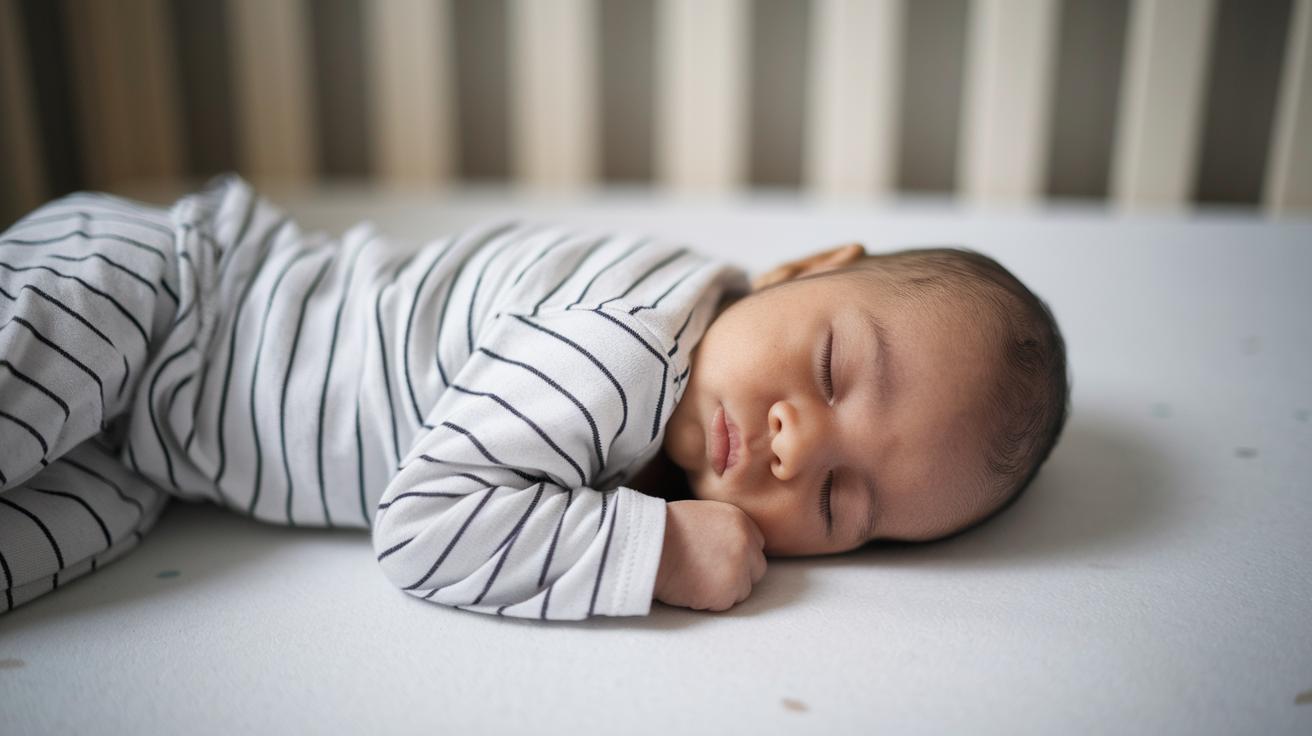
Have you ever wondered if a strict sleep training method works for a one-month-old baby? It might seem like a good idea at first, but setting a strict sleep schedule could actually upset your baby’s natural rhythm. In these early weeks, your little one thrives on gentle cuddles and a routine that flows with their pace. This post shows you a caring way to help your baby develop healthy sleep habits, without the stress of rigid schedules. Enjoy reading and discover how a warm, flexible approach can lead to more peaceful nights for both you and your baby.
Age-Appropriate Insights on Sleep Training for 1-Month-Olds
At one month, a typical sleep training approach isn’t really a good idea. Your baby still needs you to help soothe and settle them. Their sleep is all over the place as their little body works on setting its internal clock. So, expect about two or three wake-ups every two or three hours, for a feeding or just some extra cuddles. Many parents soon learn that at this stage, sleep is more about comfort than control.
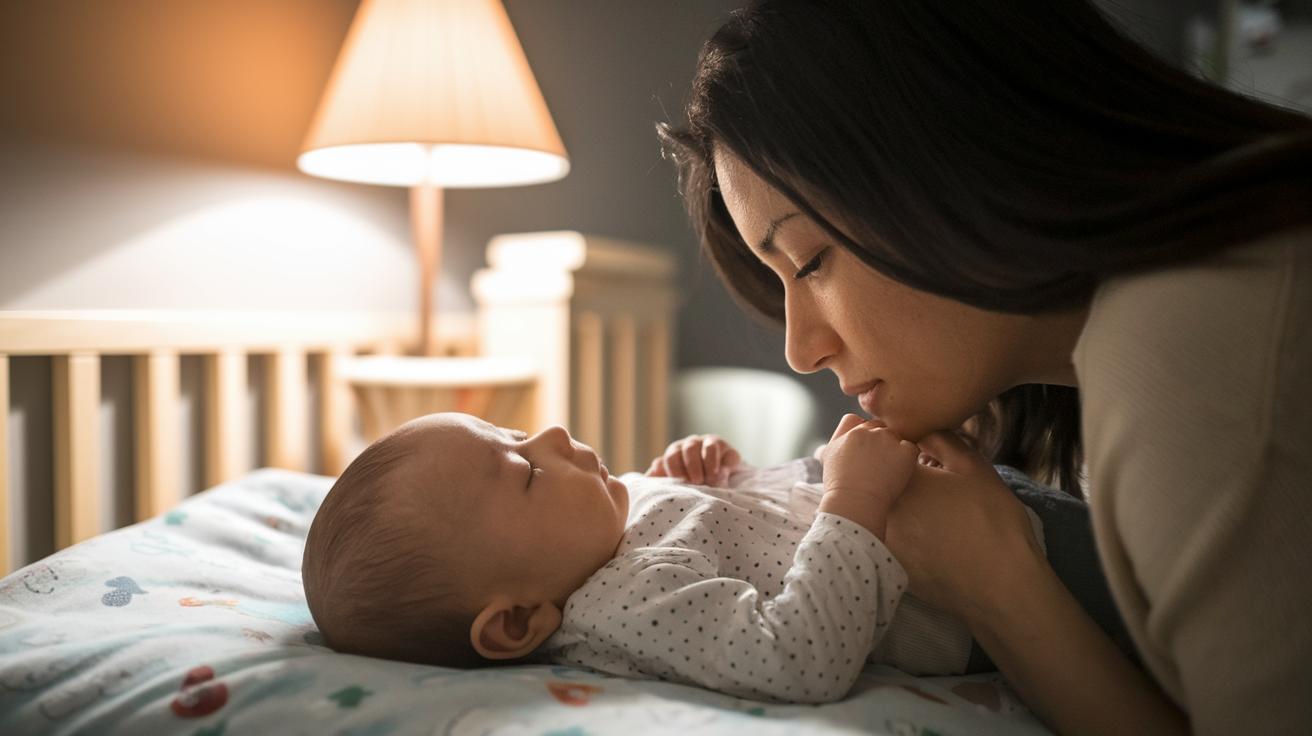
Instead of strict routines, try simple practices that gently support your baby’s budding sleep habits. You might start with a short feeding, a quick diaper change, and a bit of loving eye contact before putting them down for a nap. Pediatric experts say a flexible, caring approach works best. Listen to your baby’s cues and follow along with their natural rhythm rather than sticking to a hard schedule. Every little sleep cycle is a step forward, even if it doesn’t seem perfect. Embrace these moments as parts of building a warm, supportive sleep foundation for your little one.
Understanding 1-Month-Old Sleep Patterns & Needs

At one month, your baby usually gets about 15.5 hours of sleep in a full day. Every baby is unique, so naps might last just 10 minutes or stretch up to 120 minutes. Their awake time is often between 30 and 90 minutes, making every cuddle and moment together really special. Sometimes, bedtime can even be near 10 PM while your baby’s natural rhythm is still finding its way.
Understanding these sleep signals can help you decide when it’s time for a nap. Have you noticed your baby growing drowsy after about 50 minutes of being awake? That might be your cue for a cozy rest break.
It’s completely normal for newborns to wake up during the night for feeding or a bit of snuggle time. These early months aren’t about perfect schedules, they’re all about meeting your baby’s needs as they grow. Every brief awake moment is part of a natural journey that shows just how uniquely your baby is developing.
Even when sleep seems a little unpredictable, remember that every sleep cycle, short or long, is a big part of your baby’s day of growth and healing.
Creating an Eat-Play-Sleep Routine for 1-Month-Old Sleep Development

Feeding time can quickly signal that it's time for rest. A little one at this age usually stays awake for about 50 to 70 minutes. A quick diaper change and a tender cuddle gently ease them into sleep, almost like a soft lullaby.
After a meal, watch for quiet hints. Droopy eyelids or a small sigh show that your baby might be ready for a nap. When you see these cues, lay your baby down to rest.
- Look for signals like sleepy eyes or a quiet sigh.
- Transition quickly from feeding to a bit of soothing care.
- Adjust the routine to fit your baby's mood and energy.
This caring, flexible approach blends feeding, playing, and naptime. It helps you create a nurturing routine that feels natural for both you and your baby.
Establishing a Safe Sleep Environment for 1-Month-Olds
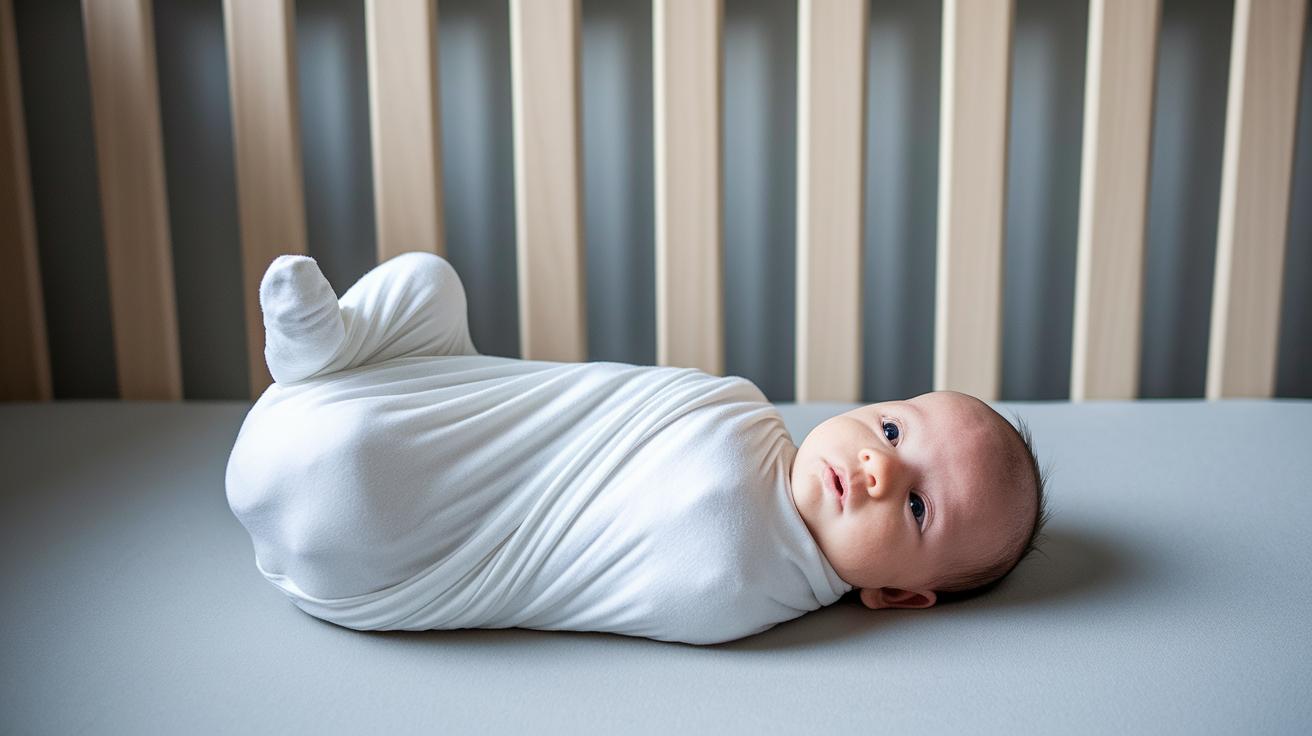
It’s so important to create a safe, cozy space for your baby. Always lay your little one on their back on a firm, flat surface, and keep the area clear of loose bedding, soft toys, or any clutter. This simple setup helps lower the chance of SIDS and lets your baby rest peacefully.
Swaddling can be a wonderful trick. When you snugly wrap your baby, it reminds them of the warm embrace of the womb, giving them a gentle sense of security. Just be sure to swaddle correctly and choose the style that fits your baby best. Many parents also find that offering a little pacifier at nap time and bedtime can add extra comfort, following pediatric advice for safe sleep.
Here are the basics to remember:
| Do | Don’t |
|---|---|
| Lay your baby on a firm, flat surface | Use loose bedding, pillows, or bumpers |
| Swaddle snugly for that cozy, womb-like feel | Let soft objects clutter the sleep area |
| Keep room temperature around 68–72°F | Allow side or stomach sleeping |
Following these steps builds healthy sleep habits and makes bedtime safer for your baby. With a few careful adjustments, you can create a peaceful, nurturing environment that respects your baby’s natural sleep signals and sets the stage for sweet, safe dreams.
Sleep training for 1 month old: Restful nights

Starting a gentle bedtime routine can make your baby feel safe and snug. Begin with a soft diaper change and a quiet feed as you dim the lights and let sweet lullabies fill the room. This simple ritual helps create a peaceful mood after a comforting feeding and diaper change.
A little rocking or a calm baby swing with some white noise can also signal that it's time to rest. It sets a steady, soothing tone that whispers, "Sleep now."
Try these easy steps to build a calming bedtime routine:
- Freshen your baby with a quick diaper change.
- Offer a quiet feed while gently dimming the lights.
- Rock your baby or use a swing as soft white noise fills the room.
- Play tender lullabies to set a relaxed mood.
- Consider a pacifier or a cozy swaddling style for extra comfort.
Sample Flexible Sleep Schedule & Timing Blueprint for 1-Month-Olds
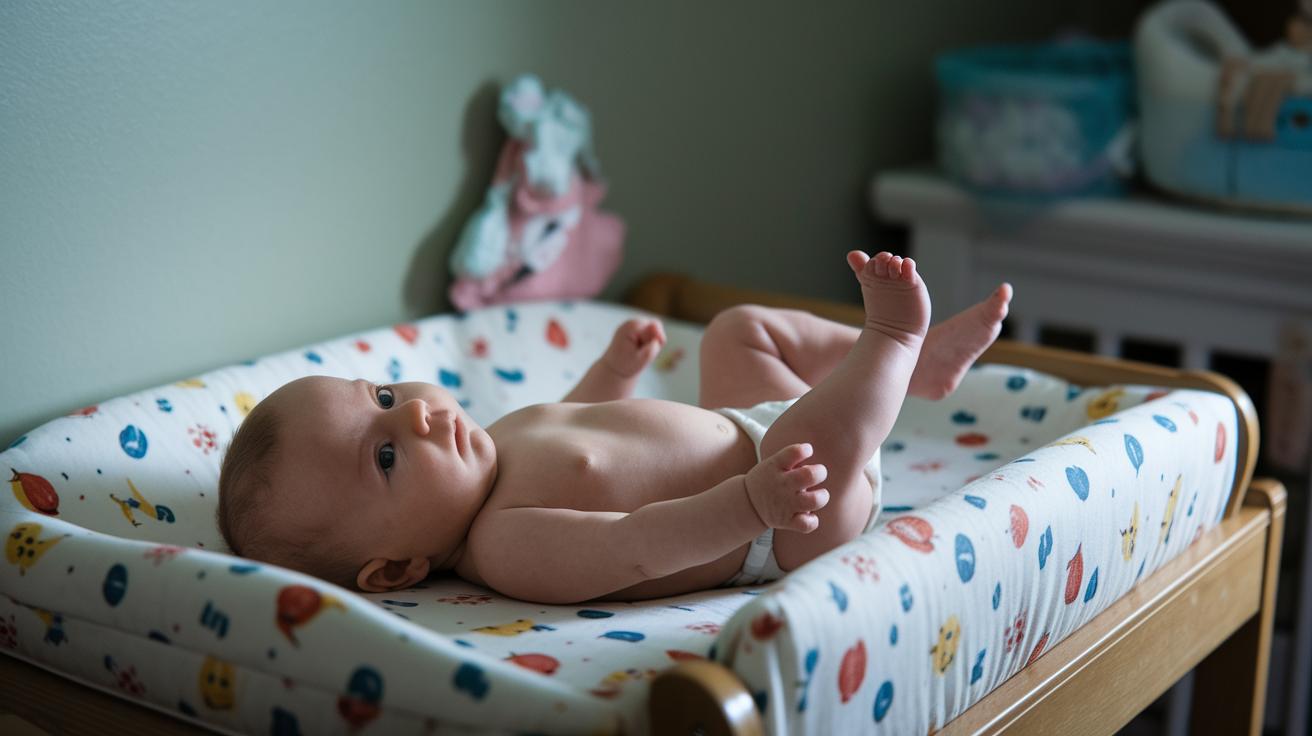
At this stage, your little one’s sleep routine is all about being flexible and following the baby's cues. Most days, a one-month-old will sleep 15 to 16 hours total, mixing daytime naps with nighttime sleep. Naps can be short, sometimes just 20 minutes, or last up to 2 hours. Awake times usually last about 50 to 70 minutes, and there might even be tiny 10-minute catnaps sprinkled in.
Imagine starting the day with a soft morning routine. You might wake your baby around 8:30 AM after a gentle feeding and a quick diaper change. After being awake for about 50 to 70 minutes, your baby could settle down for an hour-long nap. As the day goes on, mid-afternoon feedings and simple playtime help create a natural pattern. Then, come evening, you can plan a final feed that gently nudges your baby toward sleep, with bedtime anywhere between 7:00 PM and 10:00 PM, depending on how tired they feel.
Watch for little signals like yawns or droopy eyes to decide when it’s time for another nap or a bit more wakefulness. This flexible blueprint lets you set a gentle routine that adapts to your baby’s unique needs while encouraging healthy rest and steady growth. Adjust the schedule whenever needed, and you’ll create a nurturing rhythm that feels just right for both of you.
sleep training for 1 month old: Restful nights

At one month, it's normal to face sleep hurdles. Your baby might wake often for feeds or comfort, and that's perfectly okay. If your little one seems a bit uneasy, maybe from gas or a mild reflux, a gentle cuddle with their knees on your chest can bring them relief, like a soft hug when they need extra care.
Creating a calm, dim space before nap time does wonders. Bright lights and loud sounds can make your baby feel too alert for sleep. A cozy swaddle, a gentle rocking, or a delicate baby swing can create a safe little haven for your child, just like a quiet, warm nest that invites sleep.
| Tip |
|---|
| Keep the room quiet and dim before nap time. |
| Use gentle rocking or a soft baby swing to soothe fussiness. |
| Try a snug swaddle for a secure, comforting embrace. |
| If gas or reflux seems to be a factor, hold your baby with their knees bent on your chest for extra relief. |
These simple ideas blend well-known sleep tips with a few extra loving touches, helping you and your baby enjoy more peaceful nights.
Tracking Sleep Progress in 1-Month-Olds & When to Seek Professional Advice
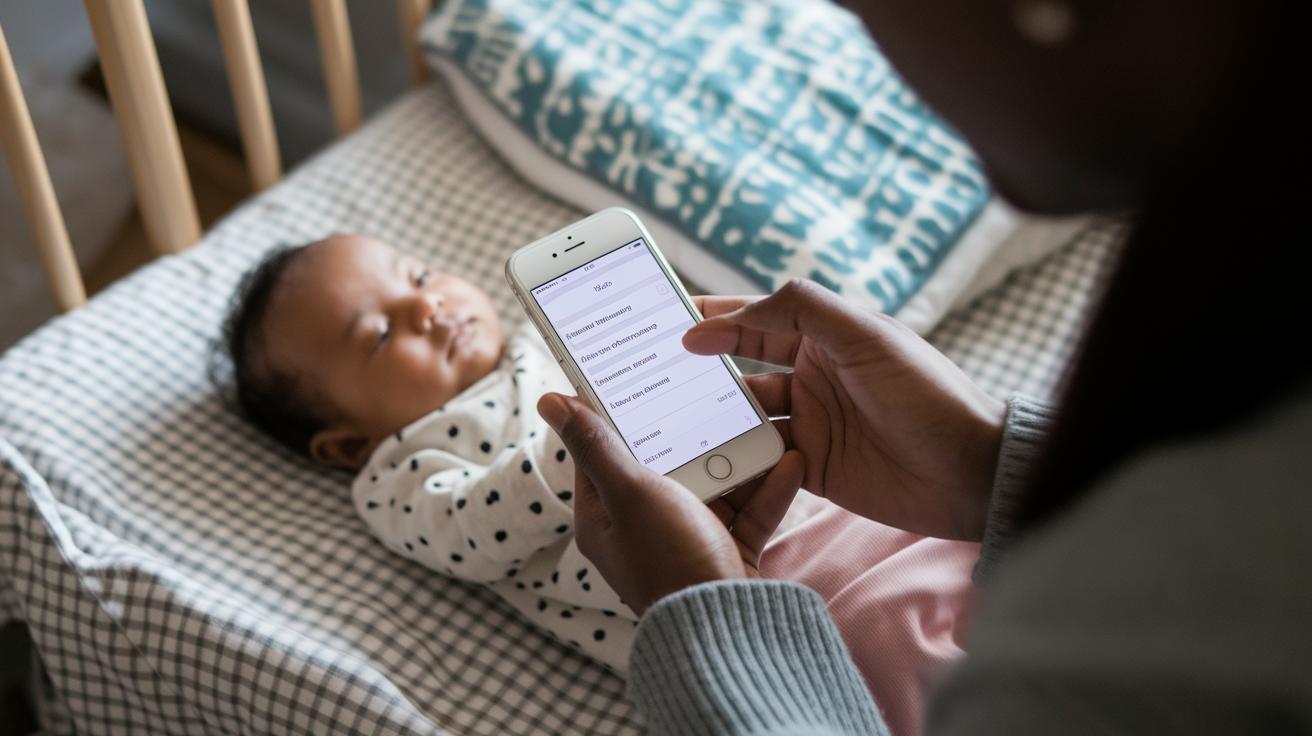
Keeping a daily sleep log can really help you understand your little one's sleep habits. Write down when they sleep, wake up, feed, and even show little hints of fussiness. It’s an easy, gentle way to apply trusted pediatric sleep tips while noticing any changes, without the need for a strict schedule.
When you spot small changes, they can be important clues. For example, if your baby is regularly getting less than 12 hours of sleep in a day or seems unusually cranky, it might be a sign to check in with a healthcare provider. Sometimes such shifts could point to issues like mild reflux or other things that might be interrupting their rest.
- Keep a simple log that notes feedings, nap times, and wake periods.
- Watch for signs of discomfort or extra fussiness.
- Jot down any noticeable changes in their daily sleep pattern.
Tracking these details can empower you with helpful, adaptive insights as your baby’s sleep habits grow and change over time.
Final Words
In the action of understanding those precious sleep patterns, we've explored why sleep training for 1 month old isn't meant to be rigid. Small changes, gentle routines, and safe sleep settings help build a secure space for your baby’s rest. We covered flexible scheduling, calming pre-sleep rituals, and tracking sleep progress to support healthy development. Every little step you take nurtures your baby's well-being and brings cozy moments. Remember, each day is a new opportunity for gentle growth and comfort. Keep embracing these quiet moments with love and care.
FAQ
What do sleep training guides (PDF or Reddit posts) say about a 1-month-old’s sleep?
Sleep training guides on PDF or Reddit often suggest methods that don’t suit a 1-month-old’s needs. At this age, infants require continuous, gentle caring rather than strict sleep training routines.
What does sleep training at night and during naps look like for a 1-month-old?
Sleep training for a 1-month-old at night and during naps focuses on gentle, flexible routines. Parents are encouraged to respond quickly with soothing, feeding, and comforting rather than enforcing rigid sleep patterns.
Can you sleep train a 1-month-old?
Sleep training a 1-month-old isn’t recommended. At this stage, babies benefit more from warm, responsive care that supports their natural, evolving sleep cycles rather than structured sleep training methods.
How long should a 1-month-old be left to cry it out?
Leaving a 1-month-old to cry it out is not advised. At this early stage, babies need immediate comfort and reassurance to build a strong sense of security and trust.
What is the 5-3-3 rule for sleep training?
The 5-3-3 rule is a guideline for older infants and doesn’t apply to 1-month-olds. Newborns have developmental needs that call for flexible, nurturing care rather than fixed sleep training rules.
Why do some say sleep training is bad for 1-month-olds?
Critics of early sleep training point out that strict routines can ignore a 1-month-old’s need for frequent feedings and comforting. Babies at this age require tender care to support their rapid developmental changes.
Why is my 1-month-old hard to get to sleep?
A 1-month-old may be hard to settle because their sleep cycles are naturally unpredictable. They need gentle cues, frequent feeding, and soothing interactions to feel secure enough to rest peacefully.
How does sleep training for a 2-month-old compare to that for a 1-month-old?
By 2 months, babies still need gentle, flexible routines since sleep patterns remain irregular. The focus stays on comfort and responsive care rather than formal sleep training, much like for a 1-month-old.
How does sleep training for a 1-year-old differ from that for a 1-month-old?
Sleep training for a 1-year-old can involve more structure and consistency because older infants have developed clearer sleep patterns. In contrast, a 1-month-old needs nurturing, on-demand care to support their evolving sleep routine.