
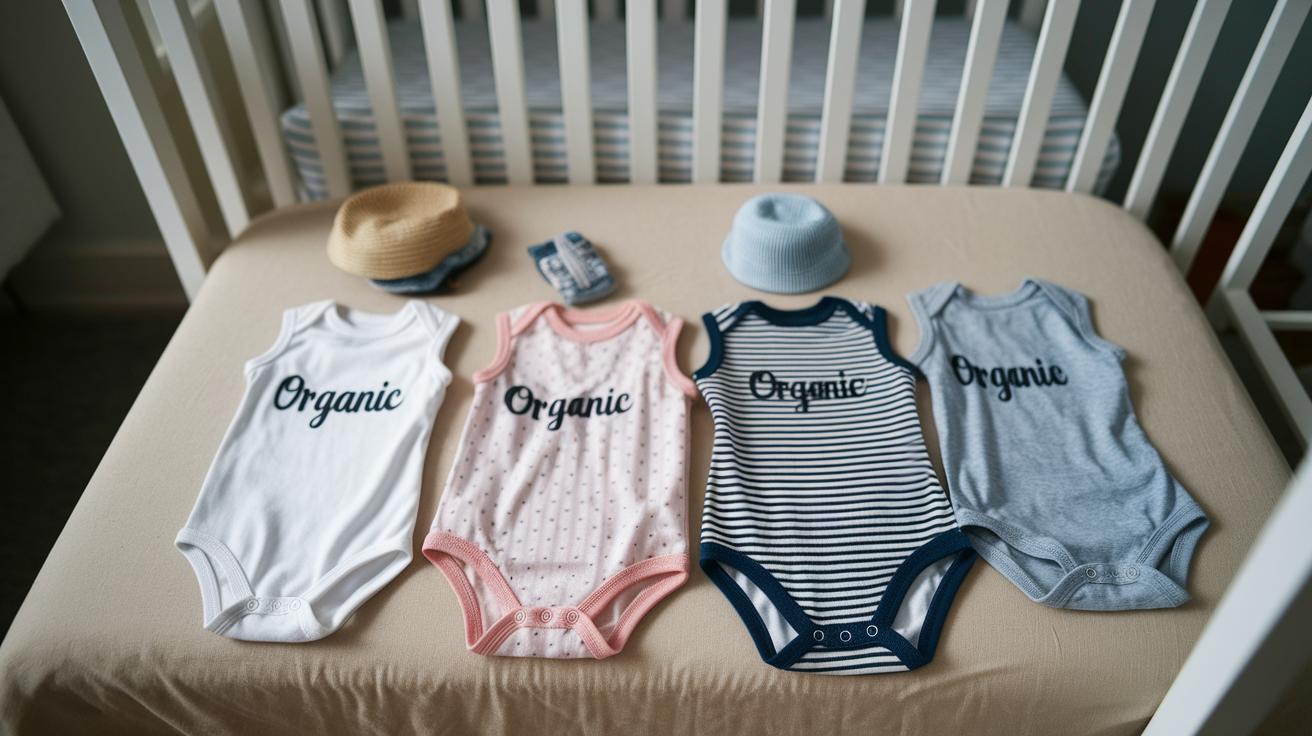
Have you ever thought about how baby clothes might affect your little one’s sensitive skin? Some types of cotton are grown with chemicals that could irritate delicate skin, while cotton grown naturally feels like a gentle hug.
Today, we’re looking at two popular choices. One option is made with care to lower chemical exposure, and the other may carry unwanted residues. Many parents are choosing the natural path to keep their babies safe and snug.
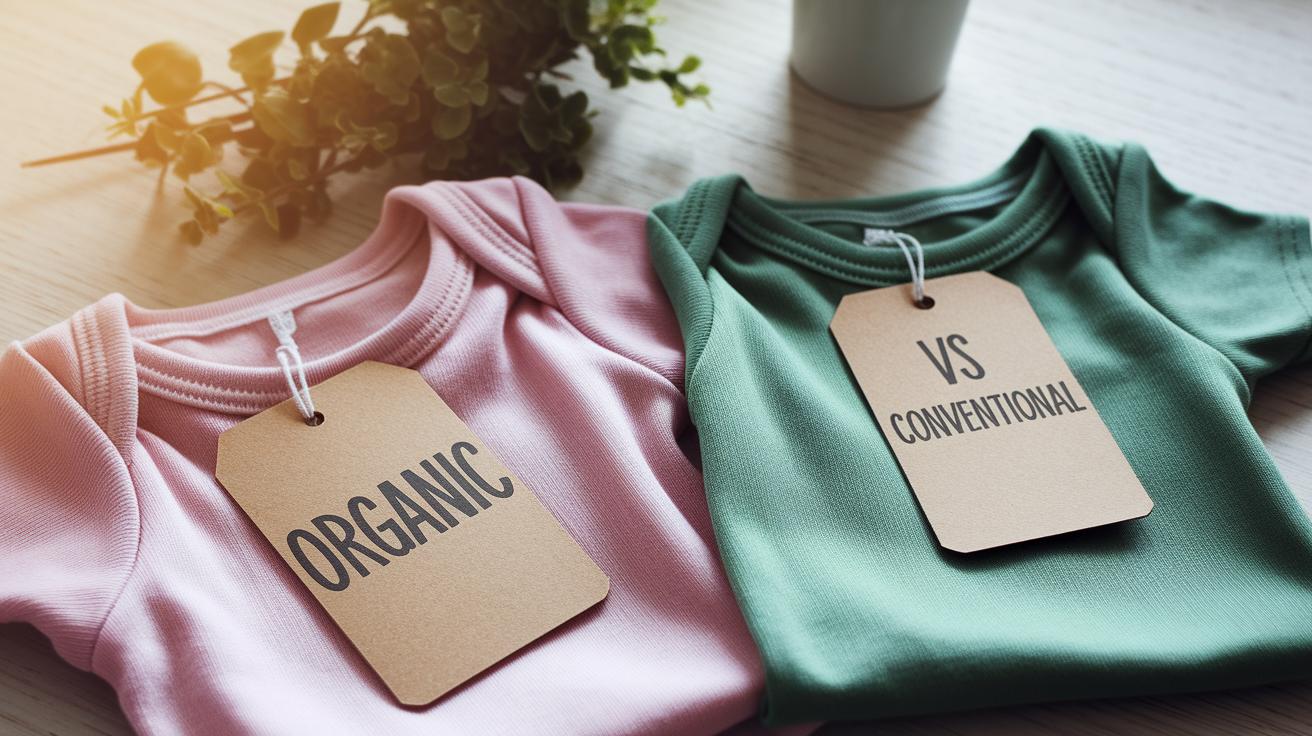
Organic Cotton vs Conventional Cotton Baby Clothes: Safety

Organic cotton is a safe, natural choice for your baby's clothes. It’s grown without harsh chemicals like synthetic pesticides, fertilizers, or GMOs. This caring approach saves water, supports a healthy environment, and creates a fabric that's gentle on your little one’s sensitive skin. Choosing organic cotton means you’re less likely to expose your baby to substances that could cause irritation or allergies. Many parents even notice fewer rashes and more comfortable smiles when their babies wear organic fabrics. If you’re curious to learn more about these benefits, check out this link: benefits of organic baby clothing.
On the other hand, conventional cotton often involves chemical-intensive farming practices. Although it might cost a bit less, the use of synthetic pesticides and fertilizers can leave behind residues such as PFAS and formaldehyde. These chemicals may irritate your baby’s delicate skin and could pose longer-term health concerns. For parents who want to keep their baby’s world as clean and natural as possible, conventional cotton simply doesn’t offer the same reassurance as organic cotton.
Here are the key differences in safety:
| Type of Cotton | Farming Methods | Impact on Baby’s Skin |
|---|---|---|
| Organic Cotton | Grown naturally with crop rotation, natural fertilizers, and hand weeding | Soft and gentle, lowering the chance of irritation |
| Conventional Cotton | Grown using GMO seeds with synthetic chemicals and fertilizers | May retain chemical residues that speed up skin irritation |
Choosing organic fabrics means you’re not only protecting your baby’s delicate skin but also helping to create a healthier planet for all of us.
Farming and Production Methods Compared in Baby Apparel Fabrics
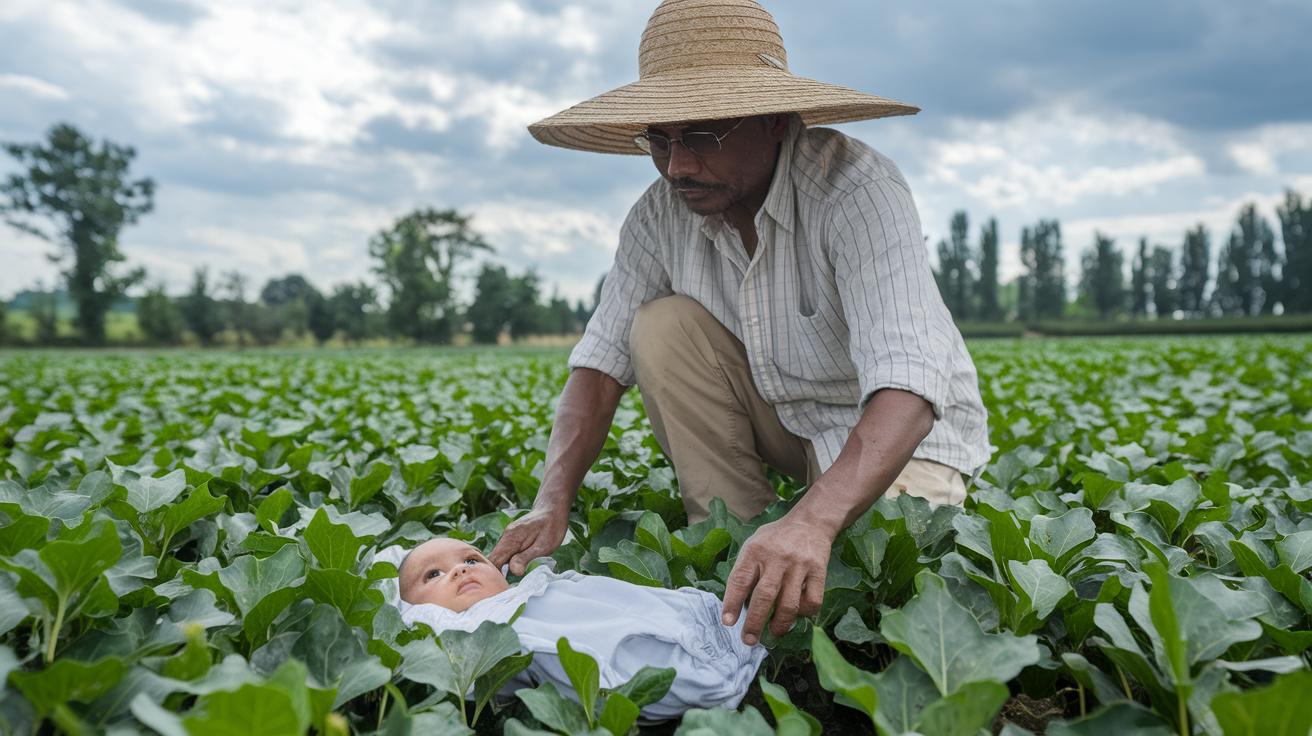
Organic cotton farming is all about caring for nature while creating gentle, safe fabric for your baby's clothes. Farmers use thoughtful practices like rotating crops, using natural fertilizers, hand-weeding, and relying on nature to keep pests at bay. This careful approach not only keeps the soil healthy but also supports a balanced ecosystem. Plus, rain-fed irrigation means that water comes naturally, lowering the impact on our environment. The soft fabric that results is free from harsh chemicals, making it a comforting and sustainable choice for your little one.
On the other hand, conventional cotton farming focuses on quick yields using GMO seeds, these make up more than 90% of global supply. To boost production, growers use synthetic pesticides and chemical fertilizers along with regular irrigation. After the cotton is picked, chemical finishing processes may leave traces that can bother sensitive skin. While this method is efficient and cuts costs, it also means more chemicals in the process and a greater risk for the environment, which can be a concern for parents looking for the safest option for their baby.
| Factor | Organic Practice | Conventional Practice |
|---|---|---|
| Pest Control | Natural pest control using beneficial insects | Synthetic pesticides with chemical additives |
| Fertilizer | Natural fertilizers derived from organic matter | Chemical fertilizers for faster growth |
| Seeds | Non-GMO and naturally sourced seeds | GMO seeds widely used for higher yields |
| Irrigation | Primarily rain-fed, conserving water | Regular irrigation systems to maintain crops |
| Weed Management | Manual weeding and crop rotation | Herbicide application and chemical weed killers |
Environmental Footprint: Organic vs Conventional Cotton Textiles
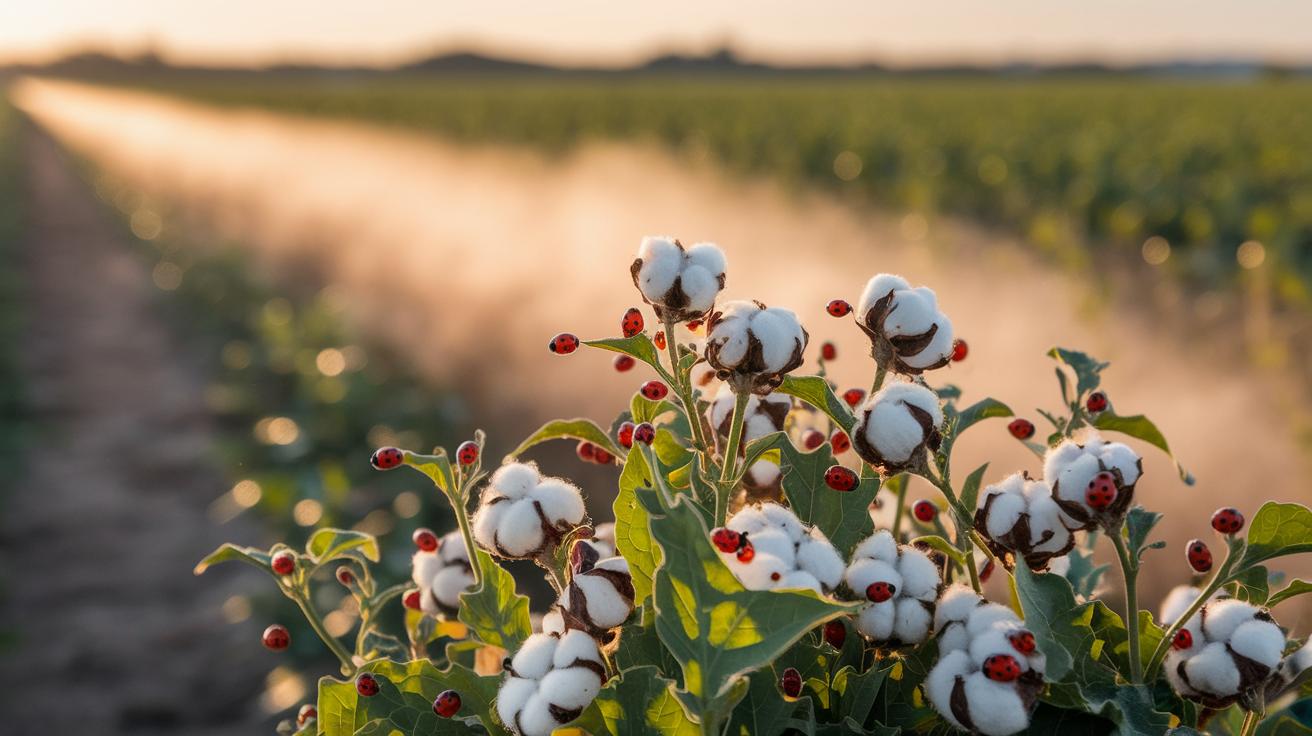
Conventional cotton farming might surprise you. Even though it only takes up 2.5% of the world's farmland, it uses between 10% and 16% of all global pesticides. All those harsh chemicals can trickle into the soil and water, causing pollution that harms nearby wildlife. Sometimes, these toxic substances even end up in the very fabrics we feel against our babies’ skin.
On the other hand, organic cotton farming takes a gentler approach. It skips most synthetic pesticides by using natural ways to control pests and rotating its crops to keep the land balanced. Organic farms often rely on rain instead of heavy irrigation, which means they save water for other important needs. Plus, organic processes use less energy and water to turn fiber into fabric. It’s like taking care of nature while making clothes that are just as kind to your little one as they are to the planet.
For parents looking to choose a kinder option, exploring sustainable baby clothes might be a wonderful next step, giving you peace of mind that your choices help protect the world for our children’s future.
Health and Safety: Chemical Residues and Skin Reactions in Infant Garments
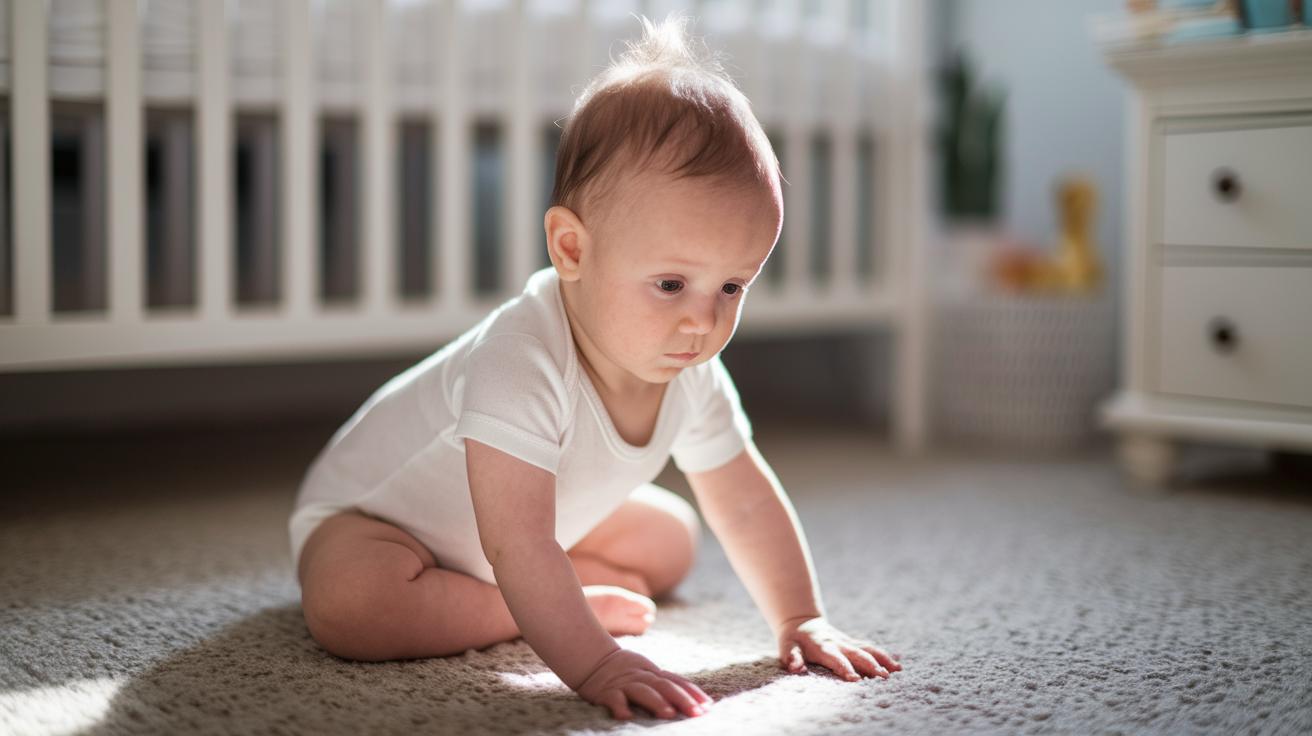
Conventional cotton sometimes carries leftover chemicals that can irritate your baby’s tender skin. Even tiny traces of these substances might lead to rashes, allergies, or raise concerns about hormone balance over time. Organic cotton, grown without these chemicals, offers a naturally gentle touch that soothes and protects delicate skin.
Chemical Hazards in Conventional Cotton
- Pesticide residues can cause rashes and set off allergic reactions.
- Formaldehyde, found in certain dyes and finishes, might irritate both skin and breathing.
- PFAS are linked to skin irritation and have been associated with long-term effects.
- Heavy-metal mordants used in fabric processing may add to toxic exposure.
- Synthetic dyes contain compounds that can cause skin sensitivity.
- Bleaching agents are harsh chemicals that may dry out and irritate a baby’s skin.
Organic cotton skips these chemicals entirely, giving your baby a soft, comforting fabric that feels just right.
Certification and Labeling: Ensuring Authentic Organic Cotton Baby Clothes
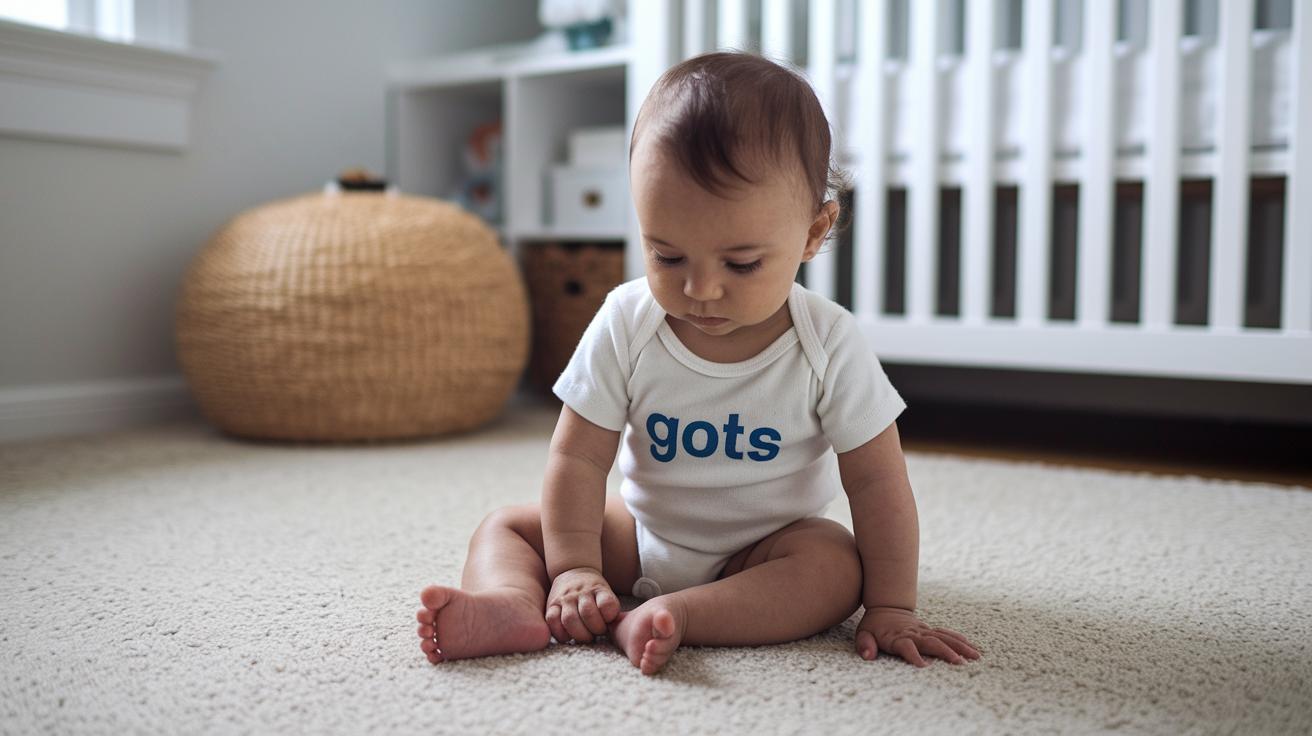
When you're picking organic cotton clothes for your baby, taking a closer look at the certification can bring a real sense of relief. A trusted mark like GOTS tells you that at least 95% of the fibers are organic, and every step of making that fabric meets strict care standards for both people and our planet. This isn't just about softness, it means your baby's outfit is created with thoughtful practices. And if you see labels like OCS or USDA Organic, pause for a moment and ask yourself, “Does this guarantee a process free of harsh chemicals?”
Here are a few tips to watch out for when examining labels:
- Missing well-known certifications like GOTS.
- Vague descriptions that don’t clearly state the percentage of organic fibers.
- Details about processing that don’t explain the environmental or social impact clearly.
Taking the time to read these labels is a simple, caring way to ensure your baby's clothes are as gentle on their skin as they are on our world.
Comparing Costs: Affordability of Organic vs Conventional Baby Clothes
When you shop for organic cotton baby clothes, you often pay a bit more at first. That’s because growing organic cotton takes extra care. Farmers use natural ways to handle pests, change crops to keep the soil healthy, and pull weeds by hand. All this extra attention takes time and adds to the cost, along with fees for getting certified. On the other hand, conventional cotton is usually grown with chemicals that help produce a big harvest, which lowers the overall price.
It might seem hard to justify spending more on organic clothes, but many parents see the real value over time. Organic baby clothes often last longer than their conventional counterparts. The fabric stays soft and strong even after many washes, meaning you don't have to replace them as often.
Let’s look at the differences:
- Upfront Price: Organic clothes cost a little more because of the extra care involved, while conventional clothes are cheaper to start with.
- Durability: Organic fabrics tend to keep their softness and strength longer, giving you more value for your money.
- Health Benefits: Organic cotton means fewer chemicals, which is kinder to your baby’s delicate skin.
When you weigh these points, the higher initial cost of organic clothes can be a wise investment. Their lasting quality and safety benefits make them a smart choice for parents who value both quality and long-term savings.
Durability and Performance: Organic Cotton Longevity and Comfort for Babies
Organic cotton baby clothes are a real blessing for busy parents. They hold up beautifully wash after wash, much like a cherished blanket that only grows softer with time. The natural fibers skip those harsh chemicals, so each piece stays gentle on your baby’s delicate skin while being strong enough for everyday adventures.
Conventional cotton may not keep its charm as well. Bleaching and chemical treatments can make it lose its strength and soften that wonderful touch, leaving it less reliable for all of those playful moments.
Choosing organic cotton means you’re opting for fabric that lasts while being tender and kind. It’s a choice that keeps every cuddle cozy and every outfit ready for the excitement of daily life.
Care Instructions: Maintaining Quality in Organic and Conventional Cotton Baby Clothes
Keeping your baby's clothes soft, shaped, and safe is easier than you might think. With organic cotton, a little extra care goes a long way: wash in cold water with a gentle detergent, and steer clear of bleach or harsh chemicals that can dull colors and weaken the fibers. Whether you choose to handwash or use a delicate machine cycle, air drying is best. This helps preserve that soft, natural texture so every piece remains cozy against your baby's sensitive skin.
For conventional cotton, start with a warm water machine wash, but remember that the special chemical finishes might fade with too much heat. Use a mild detergent and, if you must use a dryer, opt for a low-heat setting. Always follow the care label instructions to keep your baby’s clothes looking bright and lasting longer.
Final Words
In the action, we explored farming differences, environmental impact, and health considerations between organic cotton vs conventional cotton baby clothes. We highlighted how organic materials provide a softer touch and reduce chemical risks while supporting eco-friendly practices. Our guide breaks down key safety certifications, durability benefits, and simple care tips to keep your baby's comfort and health in mind. Thank you for reading and taking the time to make thoughtful choices for your little one. Warm wishes for many safe, soothing snuggles ahead.
FAQ
Q: What is the difference between organic and conventional cotton for baby clothes?
A: The difference between organic and conventional cotton for baby clothes is that organic cotton is grown naturally without synthetic pesticides or fertilizers. This creates a softer fabric with fewer chemical residues, ideal for delicate skin.
Q: How does organic cotton compare to regular cotton in terms of softness and safety?
A: The comparison shows that organic cotton usually feels softer because it avoids harsh chemicals in cultivation. This makes it a safer, gentler choice for baby clothes and t-shirts, reducing the risk of skin irritation.
Q: Is 100% organic cotton the same as 100% cotton?
A: The fact is that while both are purely cotton, 100% organic cotton is grown without synthetic chemicals, whereas 100% cotton may come from conventional methods that involve chemical treatments.
Q: What type of cotton is best for baby clothes?
A: The best cotton for baby clothes is often organic cotton. Its natural growing process produces a softer fabric with fewer irritants, helping keep sensitive baby skin comfortable and safe.