
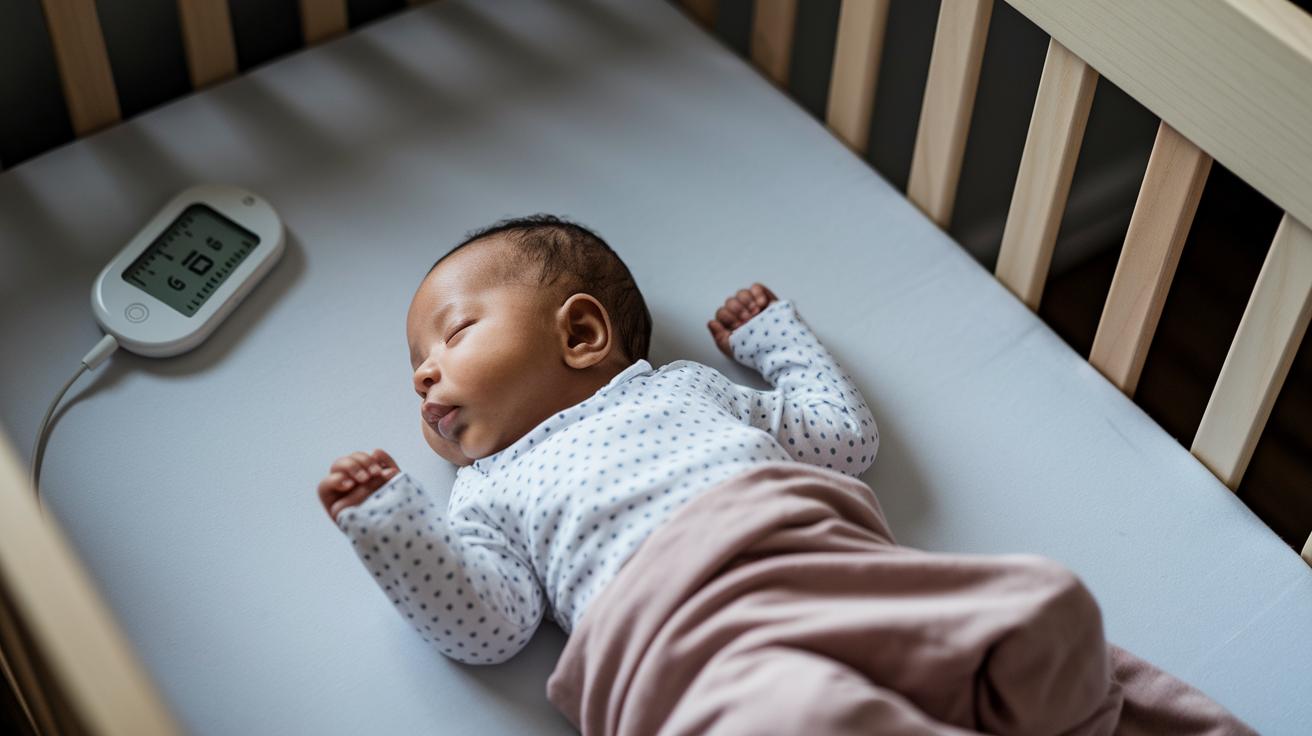
Have you ever wondered if your baby's sleep temperature might affect their rest? The right setting feels like a gentle hug on a cool night, keeping your little one safe and cozy.
Today, I'm excited to share some friendly tips for creating a sleep space just right for your baby, all based on advice from experts you can trust. Picture your child snuggling in a room that's not too hot and not too cold, it’s a small change that can make a big difference in how well they sleep.
Recommended Infant Sleep Temperature Range for Safe Restful Nights
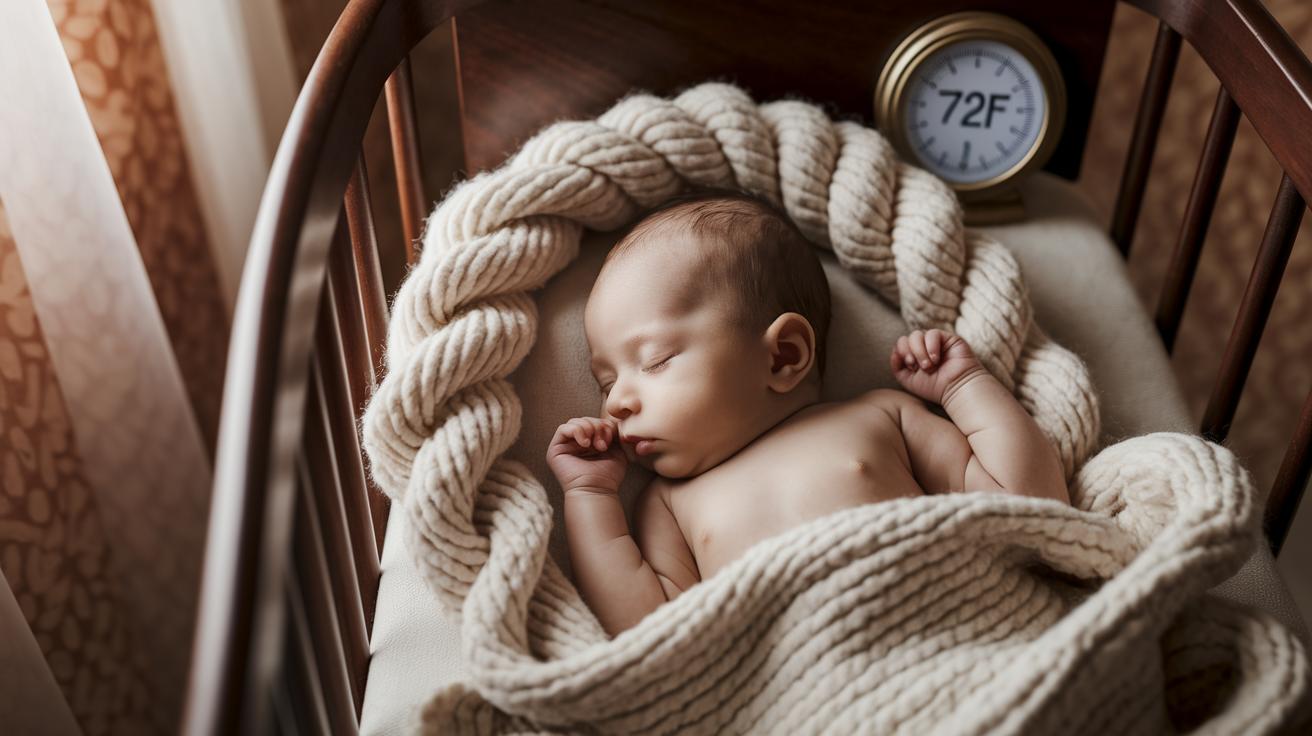
Creating a cozy and safe sleep space for your baby starts with the right room temperature. Experts from the American Academy of Pediatrics suggest keeping the room between 68°F and 72°F (20°C–22°C). This range helps prevent your baby from getting too hot or too cold, ensuring a peaceful night’s sleep.
A baby’s normal body temperature sits between 97.7°F and 100.4°F. Imagine bundling up in a soft blanket on a cool evening, that’s that perfect temperature where you feel comfortable. If your baby’s temperature goes above 100.4°F, it might be a sign they’re overheating, much like feeling too warm during a summer run.
Babies can’t control their own body heat until they’re about 9 to 12 months old, so it’s up to us parents to make sure they’re comfortable. If you see sweat or notice their skin feels damp, try removing a layer of clothing or switch to lighter bedding. A quick check on the baby’s chest or neck often gives a better idea of their comfort level than feeling their hands or feet.
A few small adjustments can make a big difference, helping your little one rest soundly through the night.
Optimizing Infant Sleep Temperature in the Nursery Environment
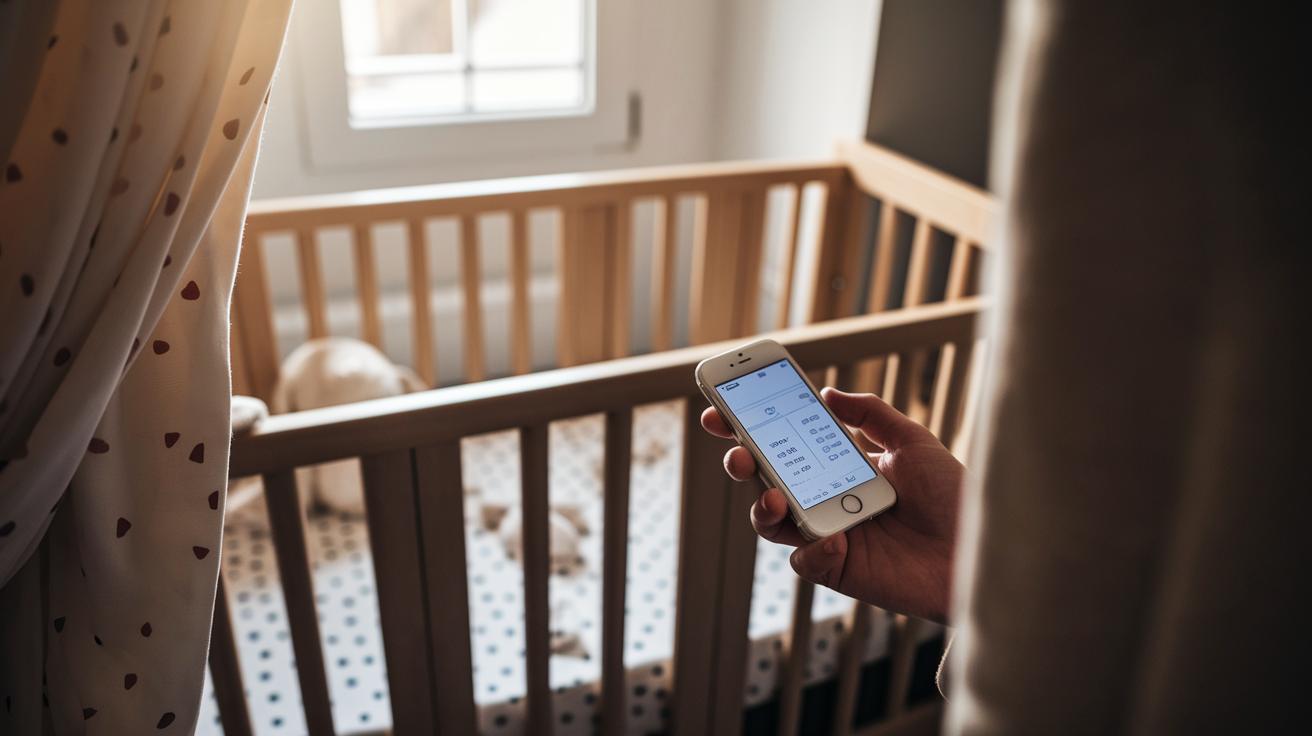
Using a room thermometer can really make a difference. Baby monitor readings aren’t always spot on, so it’s best to have a trusted thermometer at your baby’s crib level. Check the temperature by feeling the mattress, it gives you a true sense of the room’s comfort. Sometimes you might notice the area near a window is a few degrees warmer, and simply moving the crib a few feet can balance things out.
Keep the nursery cozy by maintaining humidity between 40 and 60 percent. This range helps avoid air that’s too dry or too damp. Also, steer clear of direct drafts from vents or windows that might disturb your baby’s sleep. A small change, like shifting the crib away from a radiator or strong sunlight, may be all that’s needed to keep things just right.
Taking these simple steps creates a safer, more comfortable sleeping space for your little one. Every tiny tweak adds up, making bedtime both peaceful and secure. For more helpful tips, you can visit https://bsnuggs.com?p=211.
- Use a dedicated thermometer instead of relying only on baby monitor readings.
- Keep an eye on humidity levels regularly.
- Position the crib away from potential heat sources.
- Manually check the mattress to truly feel the room’s temperature.
These practical tips help ensure your baby’s nursery remains at the perfect temperature for safe, restful sleep.
Choosing Infant Sleepwear to Balance Sleep Temperature
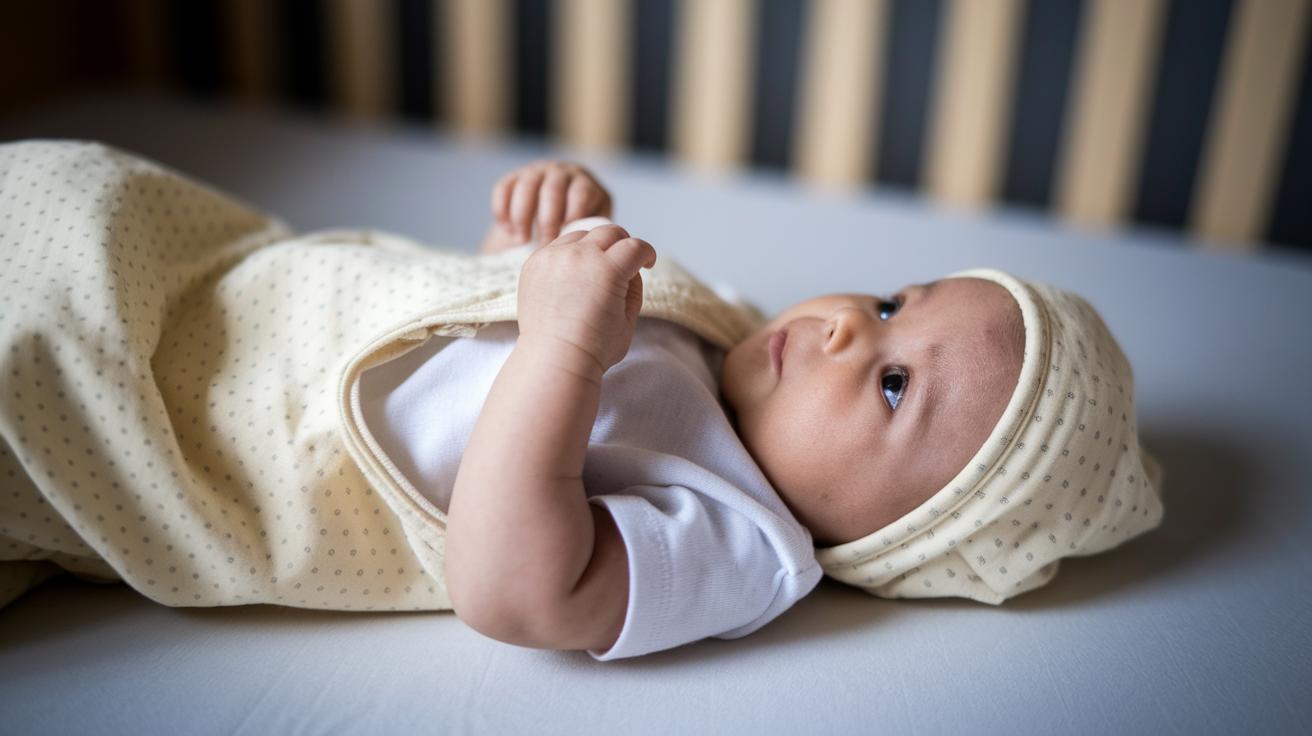
When it comes to your baby's sleep, keeping things just right is key. Start with sleepwear that adds one extra layer compared to what you’d wear in the same room. For example, if you're cozy in a t-shirt and light sweater, imagine your little one snug in a soft cotton onesie and a light sleeper. This extra layer is like a gentle scarf on a cool day, it keeps warmth in without making things too hot.
Breathable, layered outfits work best. Picture a tender cotton onesie that feels like a warm hug, paired with a sleep sack that wraps your baby safely without the risks of loose blankets. Lightweight sleep sacks cover just enough, and you can even pick ones with TOG ratings that suit the room’s feel. Have you ever noticed how a little snugness can help your little one drift off easily?
- Choose fabrics that let air flow gently.
- Dress your baby in one extra layer compared to your outfit.
- Avoid using hats for sleep after the first few hours of life.
For an added touch of comfort and quality, check out the organic cotton infant pajamas at https://bsnuggs.com?p=465. These pajamas are designed to keep your baby at just the right temperature, ensuring a safe and peaceful sleep every night.
Recognizing Overheating and Chilling in Infant Sleep
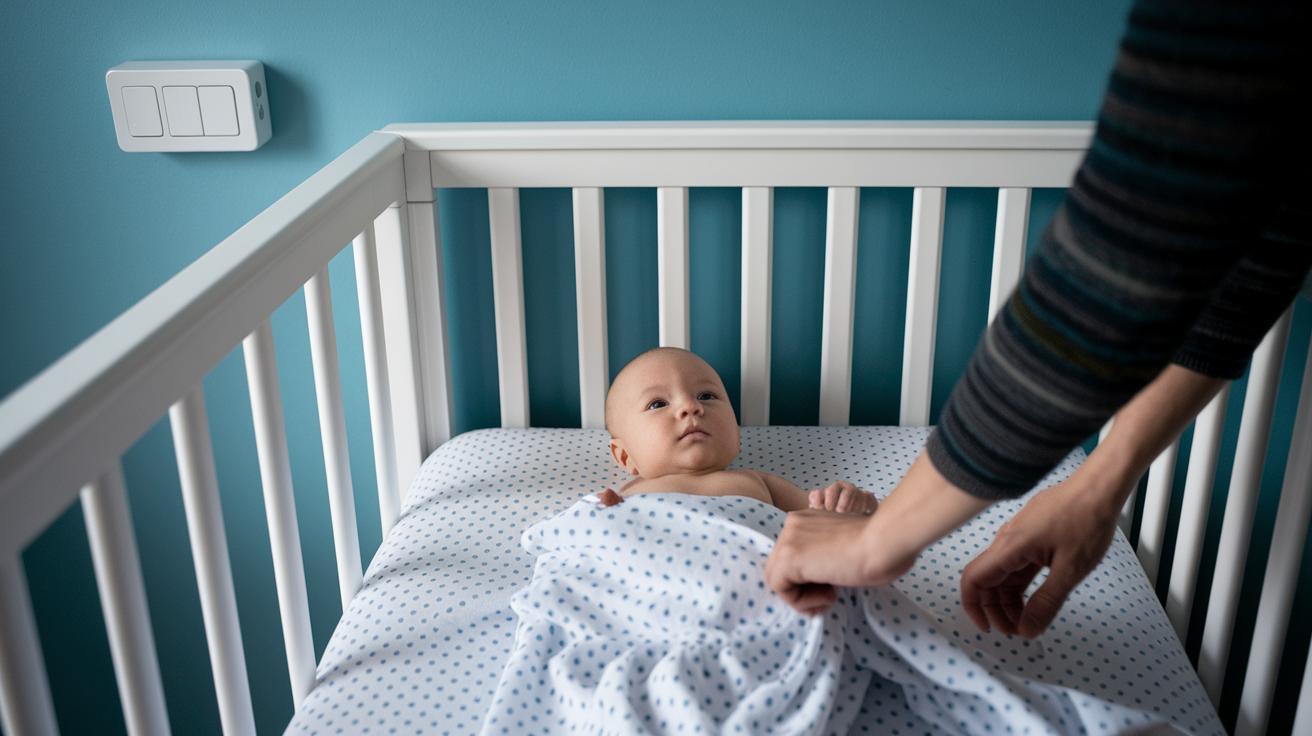
Watching your baby for signs of discomfort is key to keeping them snug and safe. When your little one shows signs like sweating, clammy skin, wet hair, fast breathing, flushed cheeks, or seems unusually sleepy, it might mean they're a bit too warm. A temperature above 100.4°F is a clear signal to check the room temperature or adjust their layers. Think of these hints as a gentle nudge to tweak the setup and keep your baby comfortable.
At the same time, it's just as important to notice when your baby is feeling too chilly. If you see them shivering, notice a pale or cool chest and back, wake up more often, or get upset easily, your baby might be trying to tell you they’re a bit cold. Remember, cool hands and feet are normal and don’t always mean something’s wrong.
Small adjustments can go a long way. If your baby starts sweating or seems restless, try removing a layer or moving them away from a heat source. And if you notice shivering or ongoing fussiness, consider adding a light extra layer. Trust these little cues over just the thermometer readings, every baby is different, and your gentle observations help you make the best choices in real time.
Staying in tune with these signs and acting quickly ensures your baby stays cozy and cared for every time they drift off to sleep.
infant sleep temperature: Safe, Cozy Slumber
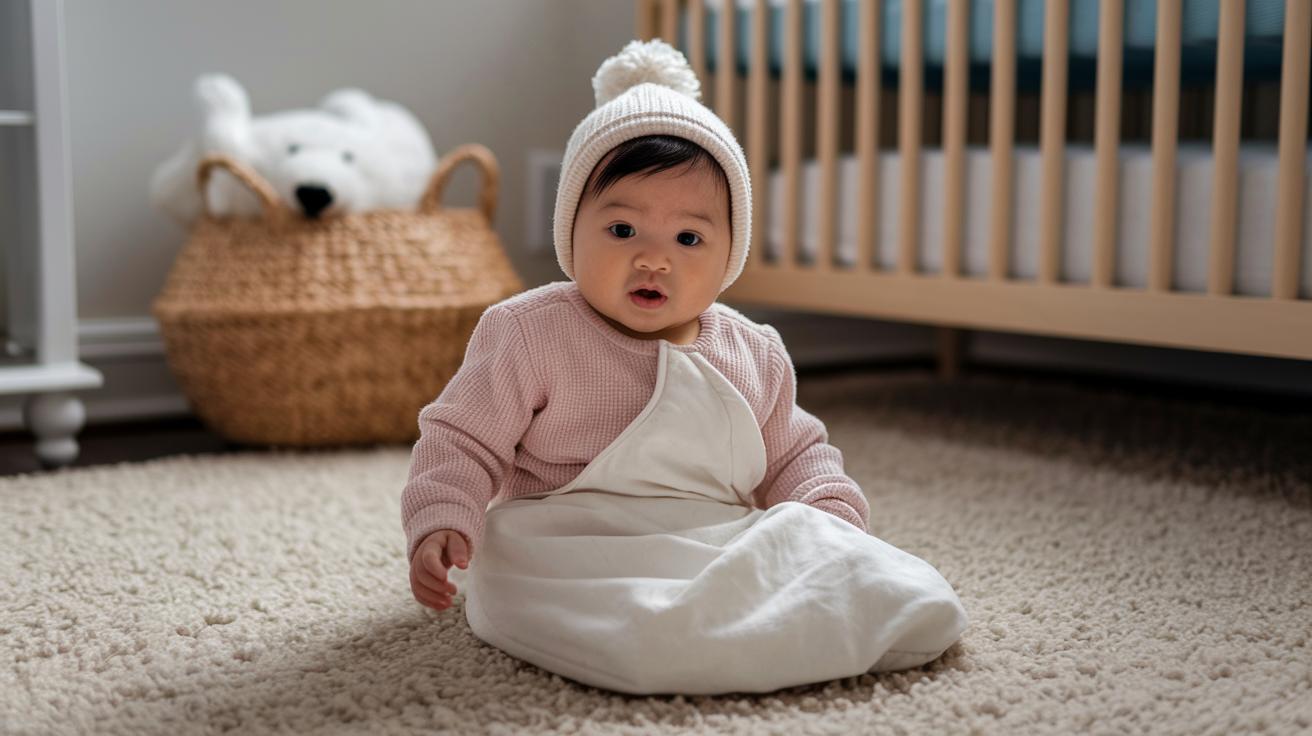
Keeping your baby warm during winter can be as simple as following a cozy routine. Start with a sleep sack rated at 2.5 TOG and add an extra layer during the first few days. Think of it like wrapping your little one in a gentle hug on a cool day, creating a snug environment that feels just right. Aim for a room temperature between 68°F and 72°F, and adjust your window coverings to help hold in that friendly warmth.
When summer comes around, it’s time to switch things up. Use a lightweight sleeper around 0.5–1.0 TOG and dress your baby in fewer layers to keep things breezy. A safely placed fan and adjusted window coverings help block extra heat while letting in natural light, much like choosing a light, airy outfit on a sunny day.
Here are some quick pointers:
- Use a sleep sack rated at 2.5 TOG with an extra layer during winter.
- Keep the room temperature between 68°F and 72°F and adjust window coverings to hold in warmth.
- During summer, opt for a lightweight sleeper with minimal layers and adjust window coverings to minimize heat gain.
Monitoring and Measuring Infant Sleep Temperature Effectively

For the most accurate reading of your baby’s room temperature, use a correctly calibrated thermometer right at crib level. It’s like checking the day’s weather with a tool you know won’t let you down.
Next, gently run your hand over your little one’s chest, neck, and back. This simple touch tells you if their body feels too warm or just right, kind of like checking if you need a light jacket on a cool day.
When it’s time to adjust the room temperature, make small changes by 1 or 2 degrees. Then take 15 to 30 minutes to see if your baby seems more comfortable or if there’s a hint of discomfort.
- Place a trusted thermometer at crib level.
- Gently feel your baby’s chest, neck, and back to sense their warmth.
- Change the thermostat slightly and allow 15–30 minutes to see how your baby responds.
Final Words
In the action, this post offered clear guidance on safe settings, sleepwear, and environmental steps. It broke down how to maintain a balanced infant sleep temperature, from room and body readings to seasonal tweaks. We shared real tips for monitoring and adjusting warmth while noticing signs of overheating or chilling. This info is meant to give every parent a steady hand when caring for their little one. It all boils down to feeling confident in creating a nurturing sleep haven for your baby. Enjoy those calm, secure nights.
FAQ
What does an infant sleep temperature chart show?
The infant sleep temperature chart shows safe temperature ranges—typically 68°F–72°F (20°C–22°C)—to help keep your baby comfortable while sleeping and to avoid overheating or chilling.
How can I tell if my infant’s sleep temperature is too warm?
The infant sleep temperature too warm guideline advises watching for signs like sweating, flushed cheeks, and rapid breathing. These signals mean the room might be too warm, so consider adjusting layers or the thermostat.
What is the ideal room temperature for a baby in both Celsius and Fahrenheit?
The ideal room temperature for a baby is 68°F–72°F, which converts to about 20°C–22°C. Maintaining these temperatures creates a stable, safe sleep environment for your little one.
What are the new safe sleep guidelines for babies?
The new safe sleep guidelines for babies include placing the baby on their back on a firm surface, using a clear sleep space free of loose bedding, and keeping the room in that ideal temperature range.
What is the 5 3 3 rule for baby sleep?
The 5 3 3 rule for baby sleep serves as a routine guideline—suggesting about five hours of wakefulness, three naps during the day, and three hours of nighttime sleep—though individual needs can vary.
What is the best temperature for reducing the risk of SIDS?
The best temperature for reducing the risk of SIDS is keeping the room between 68°F and 72°F (20°C–22°C). This range helps avoid overheating and promotes a safer sleep setting.
How can I tell if my baby is too cold at night?
The guideline for telling if a baby is too cold involves noting signs like shivering, cool or pale skin on the chest and back, and frequent wakings. Checking with a room thermometer and feeling your baby’s body can guide adjustments.
What are common baby sleep patterns by age?
The baby sleep patterns by age vary as your child grows. Newborns often sleep in short bursts, while older infants gradually build longer stretches of nighttime sleep and more predictable naptimes.