

Have you ever thought that your baby's clothes could help save our planet? Organic fabrics, grown without harsh chemicals, save water and keep our soil healthy. Studies tell us that organic cotton uses up to 91% less water, which is a big deal when water is scarce.
In our world where pollution and poor soil health weigh on us, choosing organic goes beyond style. It’s a kind way to look after the Earth and protect our little ones. Read on to learn how these soft, eco-friendly garments can brighten our future.
Assessing Overall Environmental Impact of Organic Baby Clothing

When you compare organic baby clothes with regular ones, there are many important things to consider for our little ones and our planet. Organic fabrics come from cotton grown without harmful chemicals. This means cleaner water and healthier soil where nature can thrive.
Imagine this: did you know that organic cotton farming may lower water use by up to 91%? Such a fact shows how making the switch to organic can help safeguard our environment while keeping your baby safe from toxic residues.
Today, many parents worry about water shortages, chemical spills, and poor soil health. Knowing the clear differences between organic and conventional baby clothing makes it easier to choose products that are gentle on the Earth and perfect for your baby.
| Impact Metric | Organic Baby Clothing | Conventional Baby Clothing |
|---|---|---|
| Water Use | Uses water-smart methods like drip irrigation and rain-fed farming, reducing water use by up to 91%. | Relies on heavy watering practices that waste water and cause runoff. |
| Chemical Pollution | Grown without harsh pesticides, which means less toxic runoff and a lower risk for your baby’s skin. | Often uses synthetic chemicals that can harm both the environment and sensitive skin. |
| Soil Health & Biodiversity | Boosts soil quality naturally through crop rotation and composting, supporting a richer mix of life. | Heavy chemical use can damage soil and reduce the natural variety of plants and animals. |
Organic baby clothing doesn’t just look good, it does good too. By using less water, cutting down on chemicals, and nurturing the soil, organic choices help lower carbon emissions and protect our little ones from harmful substances.
Sustainable Farming Practices in Organic Baby Clothing
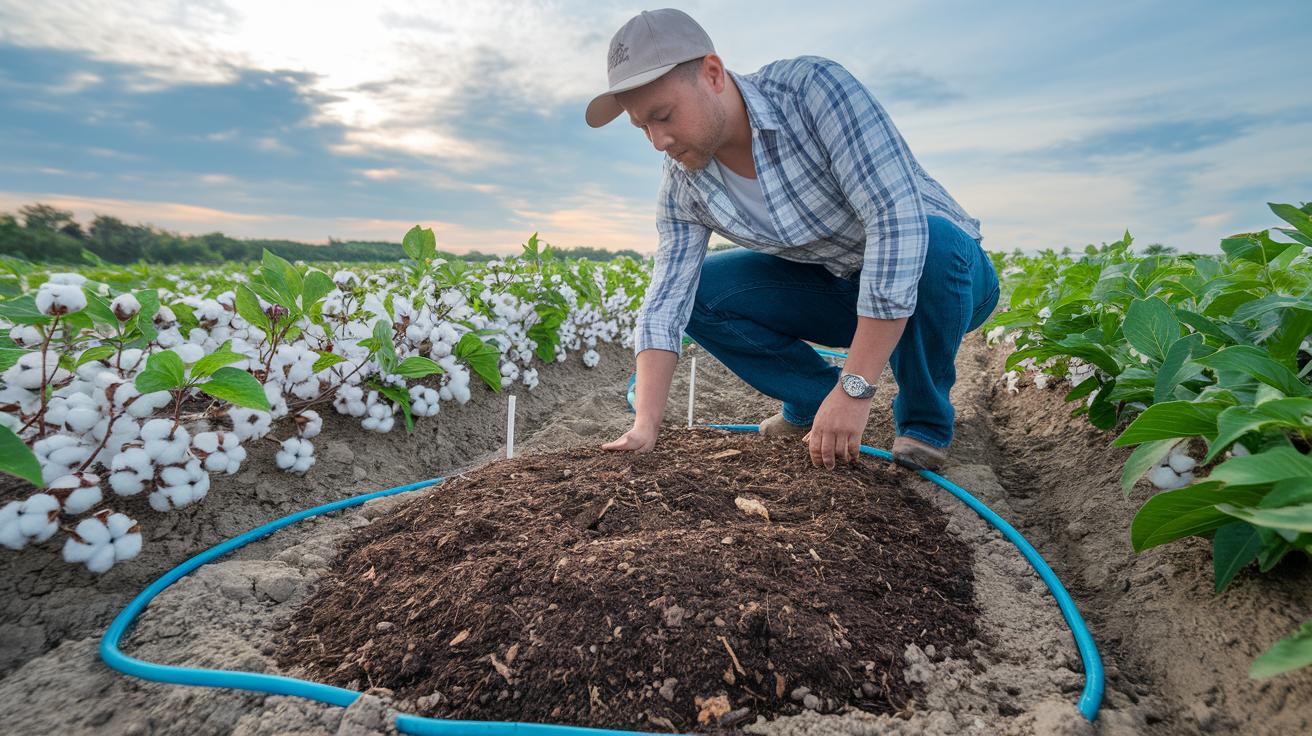
Organic baby clothes start with caring farms that truly love our Earth. Farmers use smart, natural methods that not only make fabrics safe for our little ones but also keep our environment happy and healthy.
Soil Health Management
Farmers take extra care of their soil by avoiding harsh chemicals. They trust nature to refresh the land using ideas like:
- Crop rotation
- Organic composting
- Cover cropping
- Integrated pest management
- Drip irrigation
Each practice helps the soil stay rich and lively. This means the fibers we use for baby clothes are naturally soft on delicate skin and gentle on our planet.
Water Efficiency Techniques
Saving water is a big part of growing organic cotton. Farmers collect rainwater and use precise watering that gives plants just the right amount of water, no more, no less. They even choose cotton varieties that can thrive with less water. It’s like giving our Earth a little break while still taking care of our babies.
Pest Control Without Chemicals
When it comes to pests, organic farms steer clear of chemicals. Instead, they rely on clever tricks like Bt crops, simple mechanical weeding, and encouraging friendly insects to help keep pests away. This natural balance protects the crops and keeps the fabric pure and safe for your baby.
In truth, these thoughtful farming practices mean our organic baby clothing is made with care, from the soil to the soft fabric. It’s all about nurturing both your baby and our beautiful planet.
Certification Standards Ensuring Organic Baby Clothing Integrity
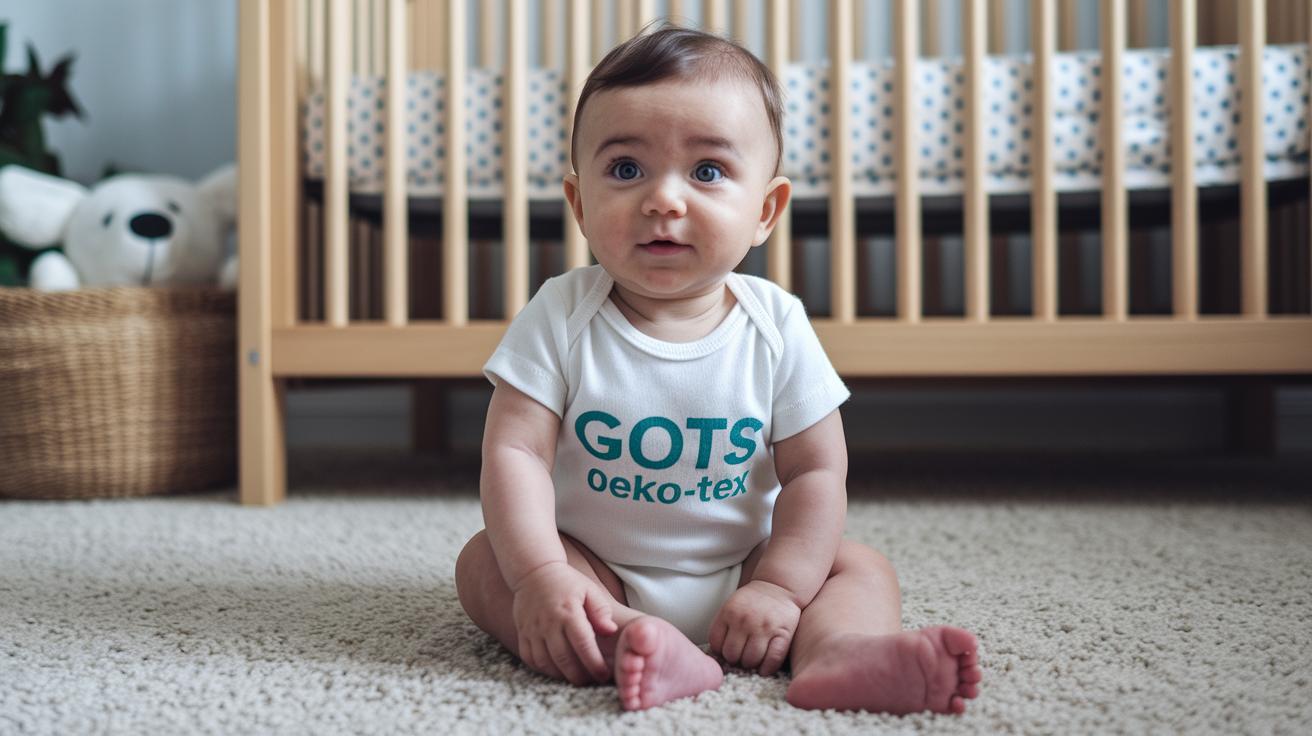
Have you ever noticed a label that reassures you every time you dress your little one? GOTS is one such mark. It means the fabric in your baby's clothes is at least 70% organic fiber and made without harsh chemicals. From growing the cotton to making the garment, every step is carefully watched to protect both your baby and our planet.
And then there's OEKO-TEX Standard 100. Think of it as an extra hug of safety for your baby’s delicate skin. Every piece of clothing gets checked to ensure no harmful substances are lurking around, so you can rest easy knowing your little one is wrapped in care.
Fairtrade certification adds another layer of comfort. When you see this mark, it tells you that the clothes were made with fair wages, safe working conditions, and respect for local communities. This means that not only is your baby safe, but the people who make these clothes are treated kindly too.
Life Cycle Evaluation of Organic Baby Clothing
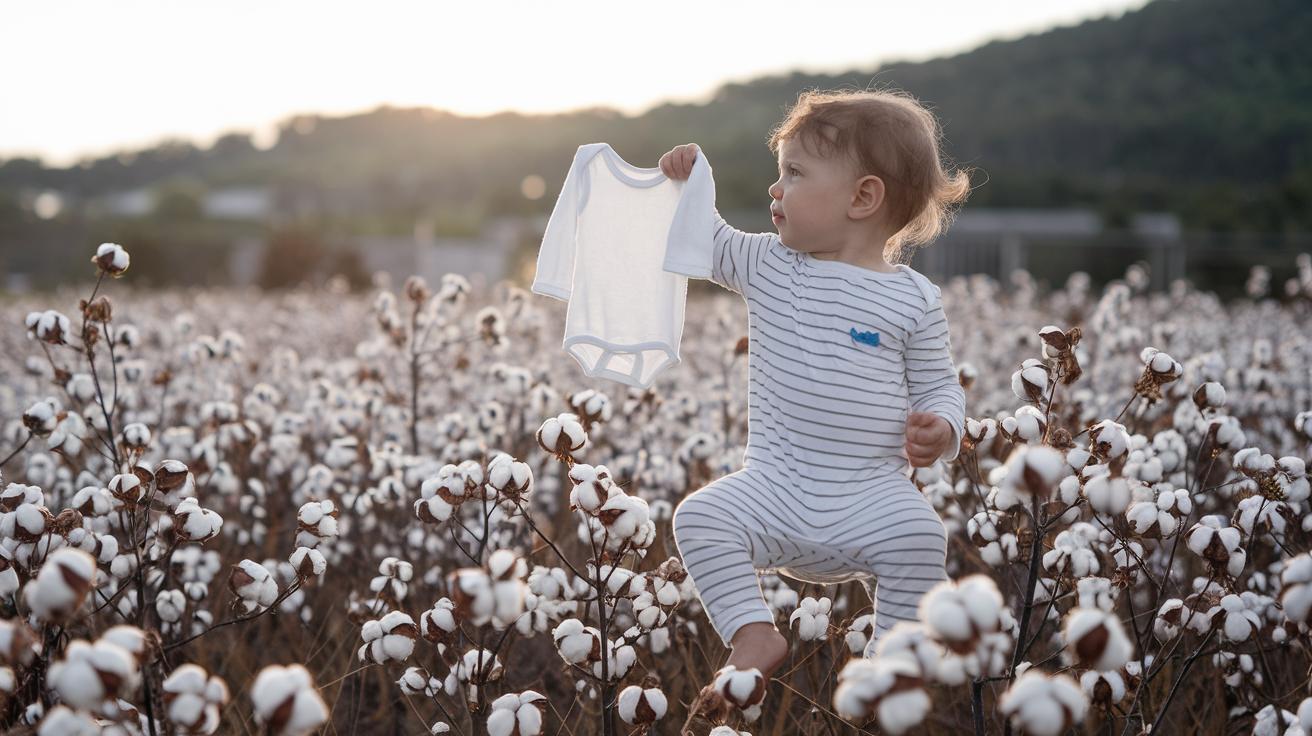
Organic baby clothes start with nature at the heart. They begin as high-quality cotton grown by farmers who use natural, eco-friendly practices. These farmers grow cotton without synthetic chemicals, and they even make use of recycled fibers to ensure every fabric is crafted with care for our environment.
Next, the production process is gentle on the planet too. Factories use energy-saving methods and carefully manage water, keeping waste and emissions low. They even incorporate biodegradable materials and green technologies so every piece is designed with a kind, cradle-to-cradle approach.
When it comes to everyday use, these clothes shine. Parents love that organic baby garments can take lots of washes while still feeling soft and looking bright. It’s like having that perfect family heirloom that gets better with time and helps reduce waste by lasting longer.
And finally, when it’s time to move on, there are bright options for recycling and composting. Many brands now run take-back programs that reprocess old clothes into new fibers or turn them into compost. This smart, closed-loop system keeps our landfills lighter and our planet happier.
Transparency in Organic Baby Clothing Supply Chains
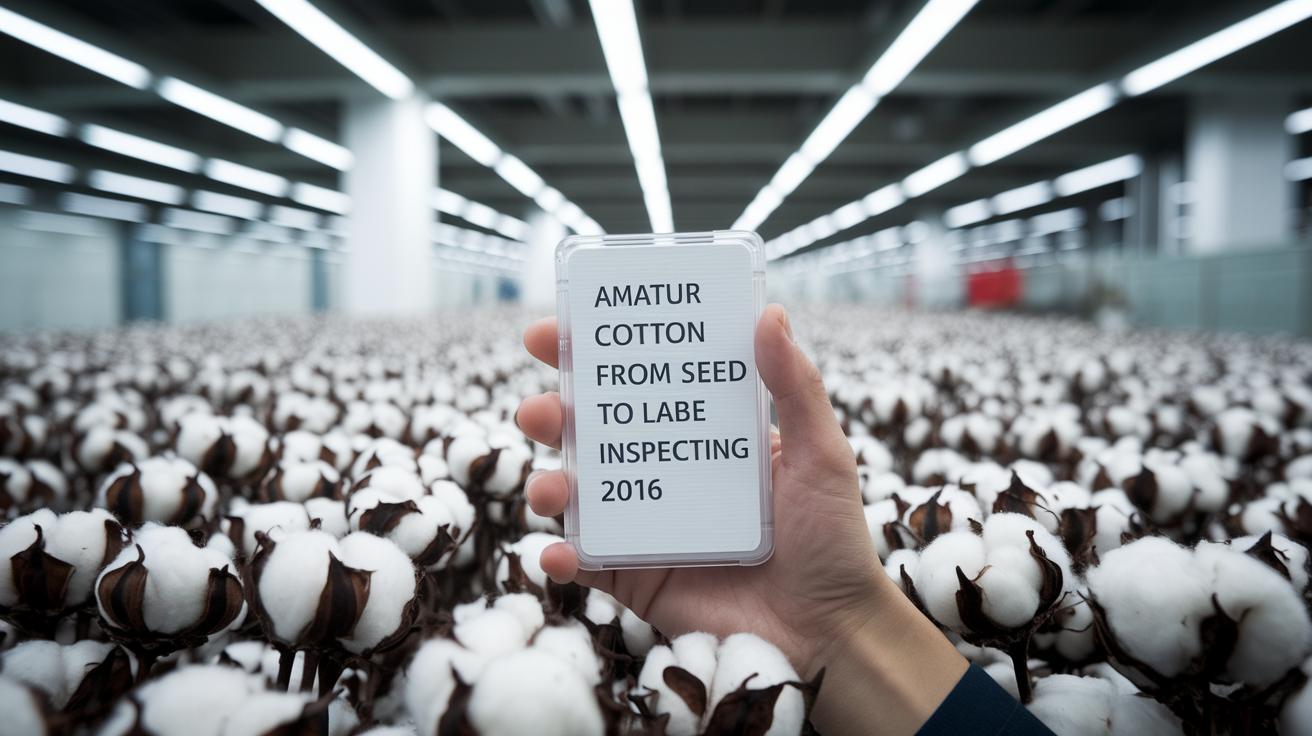
Many brands are making it easier for parents to know exactly where their little one's clothes come from. They use smart tracking methods that follow the cotton's journey from the field right to the gentle fabric in stores. Imagine a label that tells the whole story, from the very first seed to the soft, cuddly material that wraps your baby in comfort.
Audit and reporting practices are a big part of keeping the supply chain green. Third-party checks make sure everyone involved is treated fairly and safely, and detailed reports show how much water and energy is used, along with careful chemical management. This means you can trust that each piece of clothing is made with care for both your baby and our planet.
Consumer-facing tools also give you a clear peek into production practices. Many brands share complete supplier lists and audit summaries so you can easily see the story behind each purchase. Knowing where every thread comes from can make you feel warm and confident about your choices as a parent.
Innovations Driving the Future of Organic Baby Clothing

Green textile breakthroughs are now making room for fresh fibers that are gentle on our planet and perfect for little ones. Bio-based fibers teamed with recycled cotton help cut down on the need for new resources. It’s like watching your baby’s outfit wrap them in a soft, eco-friendly hug.
Clean chemistry is lighting the way for safer, eco-friendly methods, especially when it comes to finishing touches. New dyeing techniques use less water and steer clear of harmful waste. This means every piece is safe for your baby and kind to the world around us.
Renewable energy is also changing how we make our clothes. Factories run on clean power lower their carbon footprints while using earth-friendly materials. In truth, the future of organic baby clothing is bright, with every stitch helping to care for our planet.
Final Words
In the action, this article mapped out how organic baby clothing supports safe manufacturing, cleaner soils, and water conservation. It compared eco-friendly fabrics with conventional options, looked at sustainable farming, and reviewed trusted certifications that back quality and care.
We explored how lifecycle evaluation and transparent supply chains empower parents to choose smart, safe solutions. Focusing on the environmental impact of organic baby clothing reminds us that every choice today can nurture a healthier world tomorrow.
FAQ
Are organic baby clothes pesticide free?
Organic baby clothes are crafted from cotton grown without synthetic pesticides. They help keep fabric free of harmful chemicals, offering a gentler option for your little one’s sensitive skin.
Should babies wear organic?
Choosing organic baby clothing means your child benefits from fabrics produced without synthetic chemicals. This choice protects delicate skin while promoting a safer, cleaner environment for your family.
What are the environmental impacts of organic cotton?
Organic cotton cultivation reduces water use, lowers chemical runoff, and improves soil health. Its eco-friendly practices benefit the planet and support a healthier future for every generation.
Are Gerber clothes non-toxic?
Gerber clothes are designed to be non-toxic, using safe materials that help keep your baby secure. Look for trusted labels and certifications to confirm their commitment to safety.