
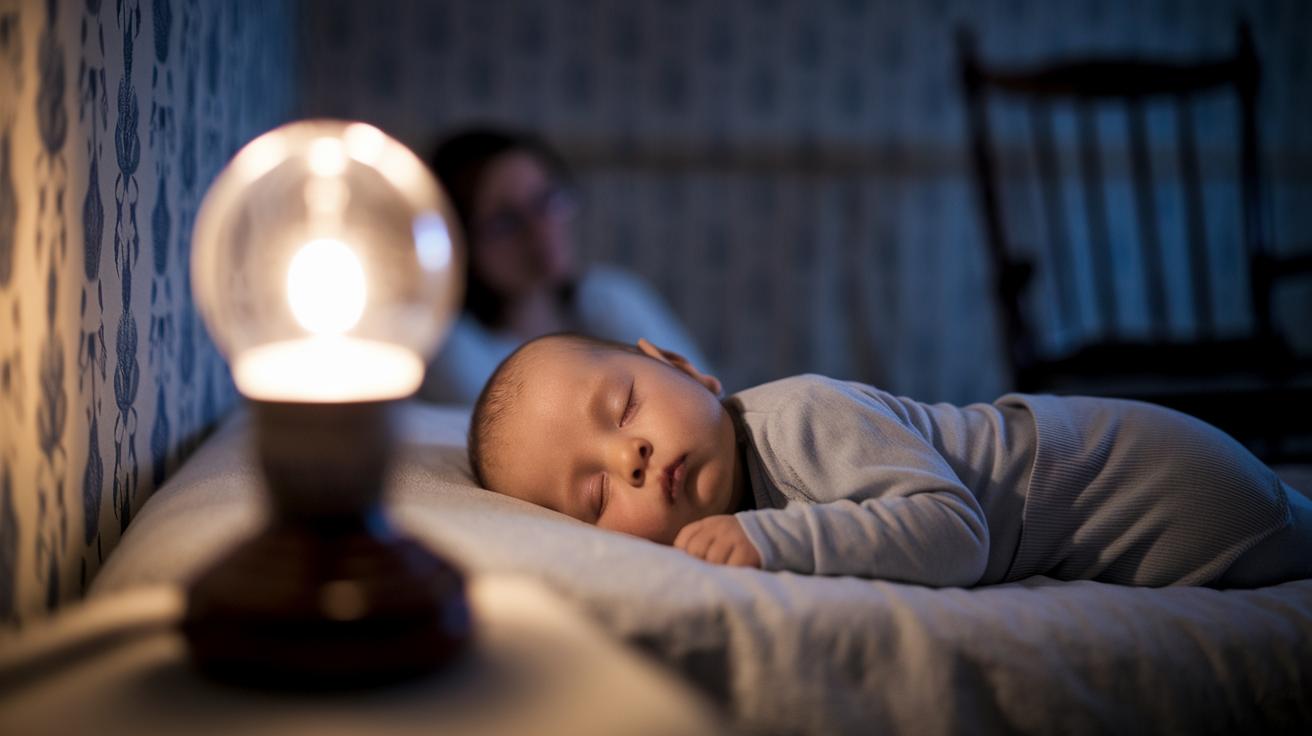
Have you ever wondered if you could change those restless nights with your 11‑month‑old? Picture your baby drifting off as gently as a soft breeze, giving you both a little break. Sleep training doesn’t mean strict rules, it can be a tender, comforting routine that brings calm to your evenings. This easy guide walks you step by step, showing how a steady bedtime ritual can help your baby learn to settle on their own and bring true peace at night. Ready for more calm nights?
Step-by-Step Sleep Training Guide for Your 11-Month-Old

Begin by setting a calm stage for your little one. Each evening, choose a quiet time to transform the baby’s room into a peaceful retreat. Think of it like arranging a cozy nest where your baby feels safe. During this phase, gently ease your baby away from feedings, rocking, or excessive patting and help them start learning to soothe themselves. This early preparation lays a foundation so that, when the training begins, your baby is ready to feel secure and cared for.
Then, focus on bedtime. At 11 months, your baby is at a great point to build self-soothing habits. Stick to the nighttime routine so your child can settle and connect their sleep cycles without distractions. With time, watching your baby learn to drift off on their own builds confidence for both of you. Picture a soft lullaby and a dim, gentle light signaling that it’s time to calm down, this is what helps your baby gradually learn to relax.
Once you notice steady progress during bedtime, gently extend these routines to daytime naps and handling night wakings. By keeping the same soothing habits throughout the day, your little one learns to find comfort and rest on their own at all hours. Consistency is the magic here, helping your baby enjoy longer, more refreshing sleep whether it’s day or night.
Understanding 11-Month-Old Sleep Patterns and Needs

At 11 months, your baby’s sleep starts to settle into a sweet, steady routine. Their wake-up times generally stretch to about 3 to 4 hours before they need a nap. This makes it easier to plan for around 10 to 12 hours of sleep at night and about 2.5 to 3 hours through two naps in the day. It’s like finding the perfect rhythm for them.
Imagine dimming the lights in a cozy, quiet room when you see those first signs of tiredness. It’s almost as if you’re syncing with your baby’s own little clock, helping them get deep, refreshing sleep.
Sometimes, as your little one grows, their sleep changes too. Around 8 to 10 months, and again near 12 months, you might notice some hiccups in their sleep, little regressions when they’re mastering new skills or feeling a bit anxious about being away from you. Keeping an eye on wake times and sticking to a gentle routine can really help, even when things seem a bit off.
Establishing a Consistent Bedtime Routine for an 11-Month-Old

Every evening, aim to settle your little one around 7 to 8 PM. A soft, cozy environment with muted lights helps signal that it's time to calm down and get ready for sleep.
Imagine the gentle glow of a dim room and quiet play that slowly eases your baby from their day’s adventures to a peaceful rest. Here’s a simple plan to try:
- Dim lights
- Quiet play
- A warm bath
- A diaper change
- Feeding
- A soothing lullaby or story
Following these six steps each night builds a sense of safety and routine, letting your baby find comfort on their own. This consistency not only helps prevent overtired moments, it makes bedtime a smoother, more pleasant transition for the whole family.
Sleep Training 11 Month Old: Calm Nights Ahead

When it comes to sleep training your 11-month-old, you’ve got friendly options to explore. Some methods slowly help your baby learn to calm down on their own, while others let you step back and check in at set times. It’s all about finding the method that feels just right for your little one and your family.
| Method | Description | Intervention Style |
|---|---|---|
| Pick-up/Put-down | This gentle approach gradually reduces your help, offering comfort as your baby learns to settle. | Incremental soothing |
| Chair Method | You stay in the room, keeping a quiet presence while your baby figures out how to calm down. | Minimal parental intervention |
| Ferber (Graduated Extinction) | With timed check-ins, starting every 3–5 minutes and slowly extending them, you offer steady reassurance. | Timed reassurance |
| Cry It Out | This method lets your baby cry for a bit, encouraging independent self-soothing. | Hands-off |
Every method has its own benefits and little challenges. Some parents love the gentle, reassuring nature of Pick-up/Put-down, while others appreciate the clear steps in the Ferber way. In the end, consistency and a loving, caring environment are the secrets to warm, peaceful nights. Every small step you take helps your baby build healthy sleep habits, doesn’t that feel like a little win every day?
Structured Nap Planning and Daytime Sleep Strategies for 11-Month-Olds

Planning your baby's day by setting up tender, timed naps helps pave the way for calm nights. At 11 months, your little one thrives on two naps, a morning snooze about two hours after waking and an afternoon rest roughly 3.5 to 4 hours later, adding up to about 2.5 to 3 hours of daytime sleep.
Unlike nighttime sleep, the urge to nap during the day isn’t as strong, so it might take a bit of time and gentle guidance to nurture a smooth routine. Think of it as helping your baby discover a quiet, cozy moment between bursts of playful activity.
Keeping wake times under four hours is key to avoiding those overtired moments that can lead to fussiness. If your baby seems extra restless, try trimming the wake period a little or adding a calm, wind-down moment before nap time. These small adjustments help your child follow a natural, predictable rhythm during the day, setting the stage for more peaceful nights.
Creating a Safe Sleep Environment for 11-Month Sleep Training

Creating a safe space for sleep sets the stage for a gentle, successful routine. Imagine the room kept cozy at a perfect temperature of 68 to 72°F, it's like wrapping your baby in a soft, warm hug. Dim the lights with blackout curtains and add a white noise machine to create a calm background, just like a lullaby that soothes any pesky sounds. And for the crib, stick to a firm mattress with a snug fitted sheet only. This simple, loving setup helps your little one learn to settle down on their own while keeping them safe.
Keeping things the same every night builds reassuring sleep habits. When the quiet room, secure crib, and gentle sounds become a nightly routine, your baby learns that it's time for rest. It feels safe, feels like home, and makes those long, peaceful moments possible. In the end, it’s all about creating a warm, nurturing environment that helps your baby feel secure and grow, one sweet nap at a time.
Managing Sleep Regression Phases in 11-Month-Olds

Sleep regressions can catch you off guard, especially during your baby’s big growth moments. Around 8 to 10 months, as your little one starts moving around and might feel a bit of separation anxiety, sleep can get unpredictable. Then, around 12 months, exciting brain changes can lead to more night wakings and even some nap resistance. These shifts are normal and usually pass quickly. If you see your baby extra fussy or restless, it might be a sign they need a bit more comfort and a steady routine.
During these transitions, staying true to your sleep routine is really important. Sticking with the method you trust can help get things back on track in just one to two weeks, even if the regression feels overwhelming at times. Small, consistent routines, like a familiar bedtime ritual, can reassure your baby and gently guide them back to a peaceful sleep. It’s all about offering that stable, comforting environment so both you and your baby can enjoy calmer nights ahead.
Tracking Progress and Adjusting Your 11-Month Sleep Strategy
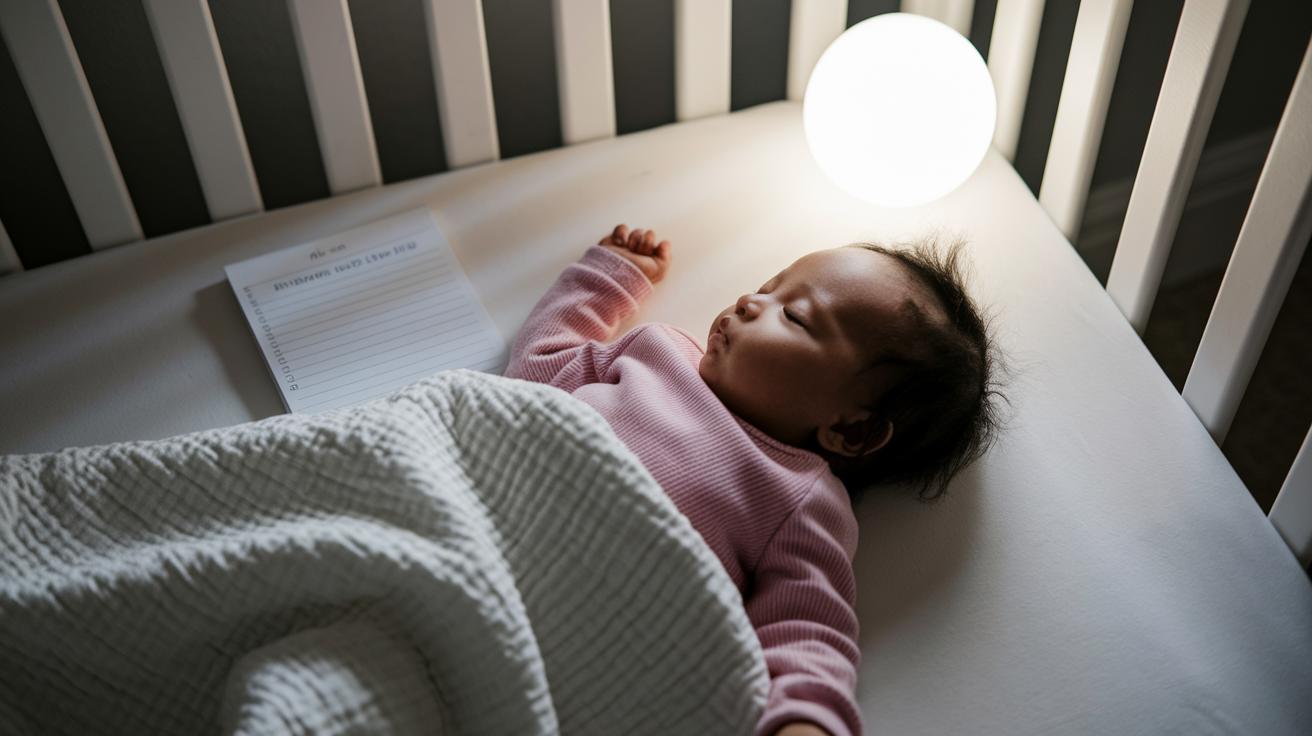
Keeping a sleep log is a simple way to notice what works and what doesn't for your baby’s sleep. Write down when your little one goes to bed, wakes up, or has a night waking, and even note how long their naps last. It’s like having a friendly guide that shows you little areas you can tweak for better sleep. Think of it as fine-tuning a favorite song, adjusting bedtime or nap times by just 10 or 15 minutes can really help your baby drift off more easily.
Take a moment each week to look over your sleep log. This helps you pick out trends and decide if a small change is needed. Maybe a tiny shift will smooth out the routine and make nights more peaceful. By adjusting the schedule based on your baby’s unique patterns, you're setting the stage for happier days and a more well-rested little one.
Final Words
In the action, we've explored a step-by-step sleep training guide for your baby, diving into everything from pre-training setup to safe sleep environments and gentle regression management. Every section offered clear tips on implementing routines and methods that let your little one gradually learn to self-soothe.
We've seen that sleep training 11 month old can be a rewarding process leading to longer, healthier sleep patterns. With patience and consistency, these insights help create a nurturing nighttime routine that turns sleep time into a peaceful, positive experience.
FAQ
Frequently Asked Questions
What are effective sleep training methods for an 11-month-old at night and during naps?
Sleep training at night and for naps means teaching your baby to settle independently by gradually extending time without intervention. Parents often share helpful tips on forums like Reddit from their own experiences.
How do sleep training techniques differ for a breastfed 11-month-old?
Sleep training for a breastfed baby may involve slightly adjusted routines that account for feeding comfort. Using consistent bedtime cues and slowly reducing nighttime feeds can help your baby learn to fall asleep on their own.
What is the approach behind cry it out and the Ferber method for an 11-month-old?
The cry it out and Ferber methods encourage self-soothing by introducing timed check-ins. For an 11-month-old, these methods help monitor crying intervals while gradually guiding them to settle without continuous intervention.
How long should I let my 11-month-old cry, and what do the 3-5-10 and 3-3-3 sleep training rules mean?
The 3-5-10 rule increases wait times for check-ins, while the 3-3-3 rule uses consistent intervals. Begin with a few minutes and progressively extend the time based on your baby’s comfort and progress in settling.
Is it too late to start sleep training at one year, and should I have started around six months?
Sleep training can be successful at various ages. Many parents find that starting around six months may ease progress, yet a one-year-old is still developmentally ready for learning independent sleep skills.
What sleep schedule works best for an 11-month-old?
An 11-month-old typically needs about 13–15 hours of sleep daily, with 10–12 hours at night and two naps during the day. Keeping a regular schedule helps support longer, peaceful sleep periods.