
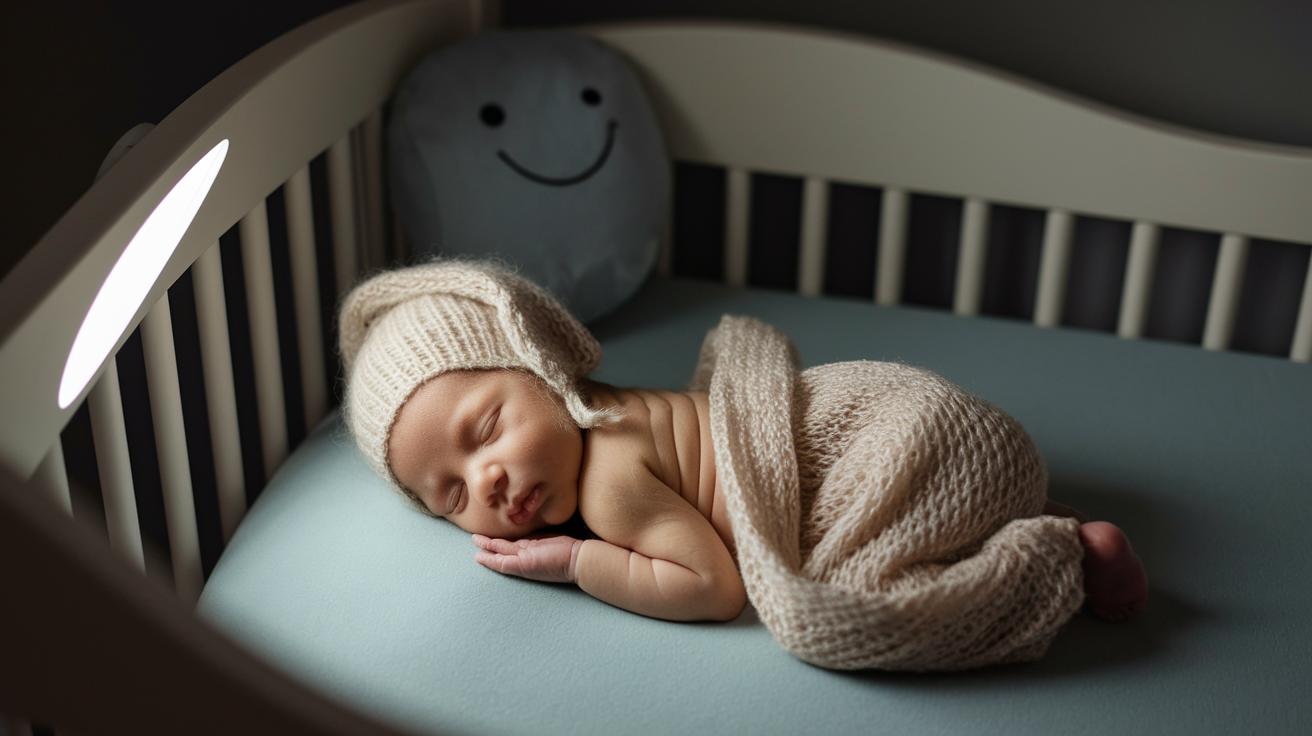
Feeling frustrated with your newborn’s sleep schedule? It might help to know that sleep training isn’t a one-size-fits-all solution. Instead of rushing into set routines, give your baby time to naturally learn gentle sleep habits.
Many sleep experts recommend waiting until your little one is around five months old. At that age, babies often start to show signs they can soothe themselves. Building a calm, reassuring sleep routine can make a big difference for the whole family.
In this guide, we’ll talk about when to start sleep training and share simple tips to create a soothing bedtime ritual. Let’s work together to help your baby, and you, enjoy more peaceful nights.
When to Sleep Train Newborn: Embrace peaceful nights
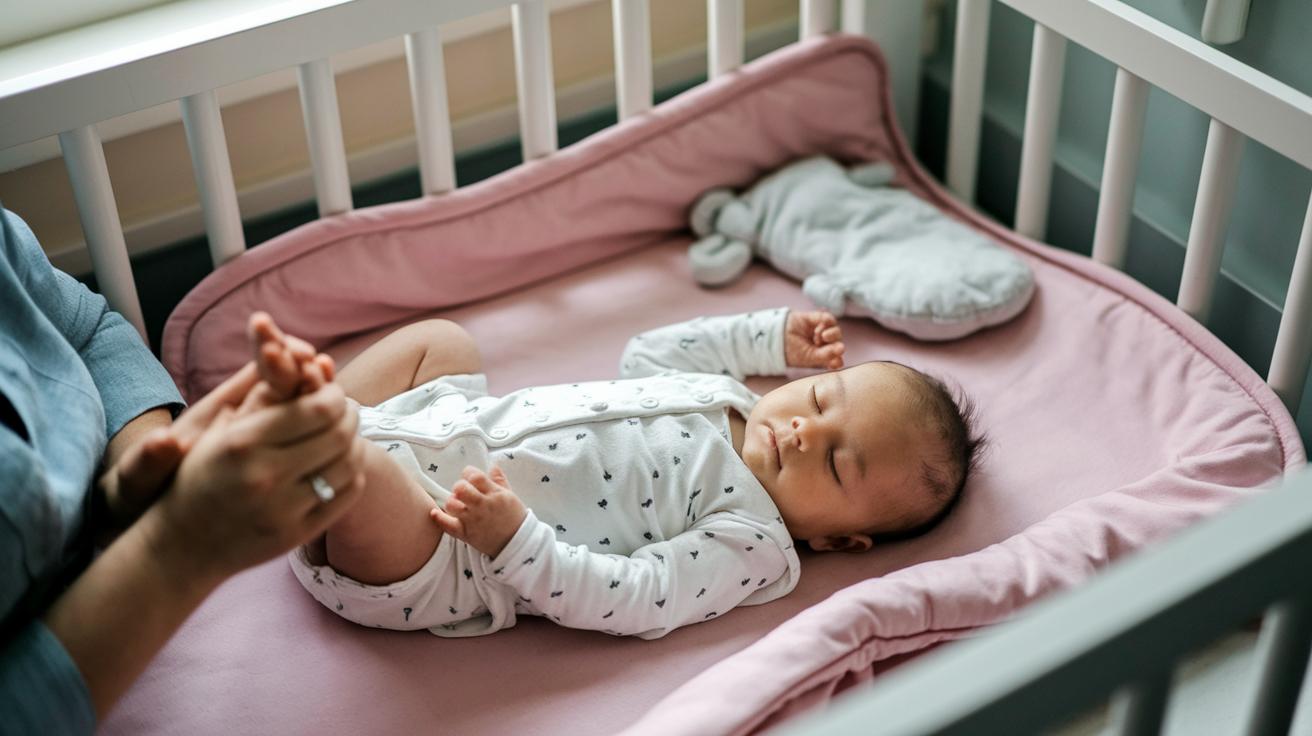
When your little one is just starting out, sleep training isn’t really about formal methods, it’s more about building gentle habits. In those early months, from zero to around four months, babies are just learning the basics of sleep. Their natural body clocks are still waking up, and what they really need is a calm, cozy space and a steady routine that says, "It’s time to rest."
Many caring sleep experts suggest holding off on formal sleep training until your baby is at least five months old and weighs roughly 12 pounds. At that age, your baby is usually ready to try some self-soothing techniques. This can help them sleep for longer periods at night. While naps are important too, finding a consistent nighttime sleep pattern often works best. And during the day, you can focus on feeding and other needs, which helps your baby naturally adjust their sleep routine.
For example, imagine this: "By five months, many babies start showing signs of self-soothing, much like older siblings learning to ride a bike without training wheels." It’s all about letting your little one grow into their sleep in a gentle, loving way.
Recognizing Sleep Readiness Signals in Your Newborn

Your little one gives gentle hints when it's time to rest. You might notice soft yawning, little eye-rubs, or even a bit of fussiness when they’re tired. Sometimes, they may turn away from smiling faces or play, quietly telling you it's time to wind down.
Remember, babies under 3 or 4 months often need your help to settle down, so their signals might be a bit subtle. If you see your newborn yawning again and again or starting to look drowsy, it's a kind reminder to start your calm bedtime routine.
Think of it like waiting for your favorite lullaby that tells you bedtime is near, a warm signal that sleep will soon wrap them up in its gentle arms. Just keep in mind that leaning too much on things like constant rocking or feeding right before sleep can sometimes make it harder for them to settle later on.
So, trust these natural cues, adjust your routine a bit, and let your baby’s little signals guide you toward more peaceful nights.
Establishing Gentle Sleep Routines for Your Newborn

From the moment your baby is born until around 4 months old, it's important to create a simple bedtime routine that feels safe and soothing. Routine signals help let your little one know it’s time to sleep. In those first few weeks, many parents find that a calm and predictable environment gently guides their baby into rest. And as your baby’s natural rhythm starts to settle, these small, consistent practices work even better.
Imagine a warm bath, softly dimmed lights, and a quiet room filled with gentle white noise, it’s like tucking your baby into a hug of comfort. This tender approach isn’t about strict sleep training; it’s about simple acts of care. Instead of chasing after complicated methods, focus on little, heartwarming activities that help your baby feel secure and self-soothe. By doing this, you naturally align nighttime feedings with your baby’s sleep cues, easing them into a peaceful slumber.
Sometimes all it takes is a sweet lullaby or a gentle rocking session to show that bedtime is near. These small routines can eventually help your baby enjoy longer, more independent sleep stretches without the pressure of early structured training.
- Wear a swaddle to bring a sense of security.
- Dim the lights to help calm your baby’s senses.
- Use soft white noise to mimic soothing sounds.
- Give a warm bath for a cozy start.
- Feed to ease into sleep mode.
- Sing gentle lullabies to soothe the mind.
- Rock your baby gently to help them drift off.
Comparing Newborn Sleep Training Methods
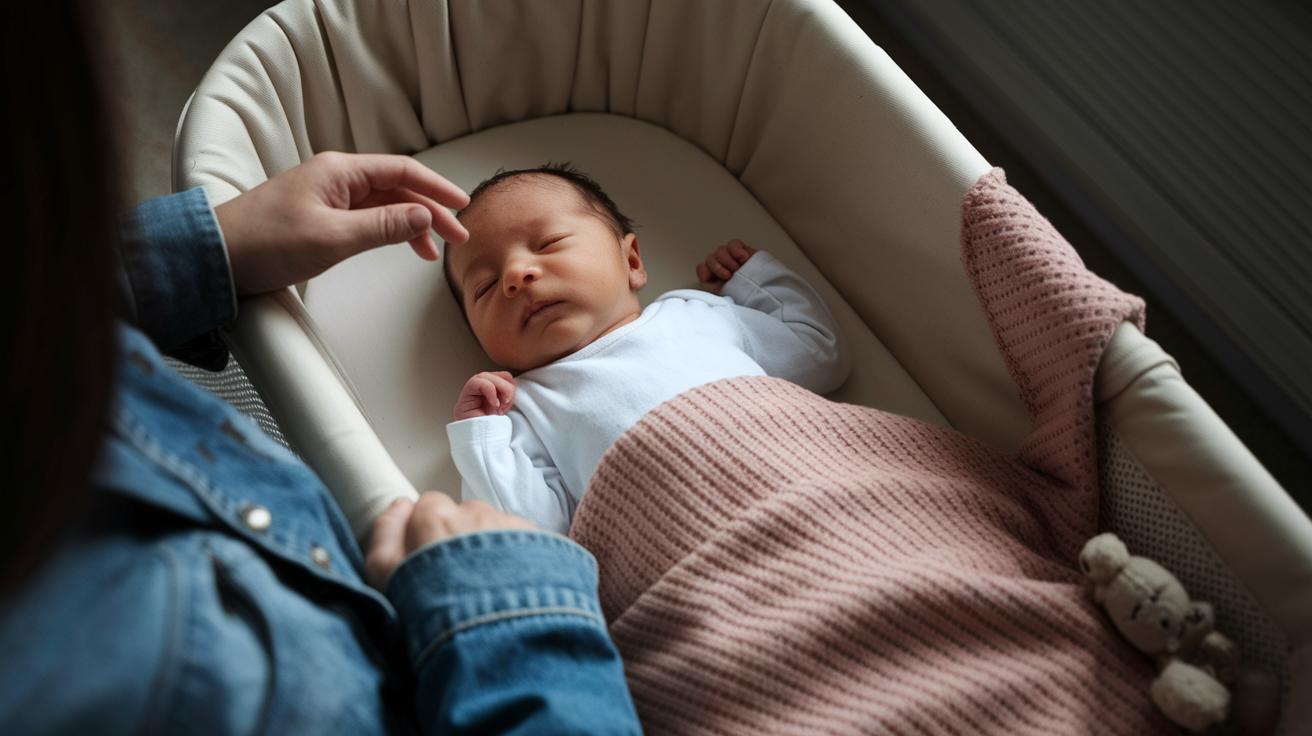
Newborns are just starting to figure out how to drift off to sleep. Gentle infant sleep coaching offers supportive methods that comfort your baby without upsetting them. In contrast, traditional methods like crying it out or Ferber involve leaving your baby to cry for long stretches, which isn’t a good fit for newborns. Their sleep is so delicate, they need warmth and care rather than being left alone too quickly.
Non-cry sleep methods, such as bedtime fading, camping out, and pick-up/put-down, work by slowly guiding your baby toward soothing themselves. These techniques let you stay close while you ease out of the routine step by step, helping build a happy sleep habit. Many parents have seen their little ones sleep 10 to 12 hours a night within days or weeks when the approach fits with how they parent. More complex nap training usually comes later, often after the five-month mark, once nighttime routines are set.
These fresh techniques honor the fact that every baby is unique. By tuning into your baby’s own signals and mood, you can make the shift to independent sleep much smoother. It makes bedtime less stressful for both you and your baby, creating a loving, connected experience.
| Method | Description | Recommended Age | Key Benefit |
|---|---|---|---|
| Cry It Out | Leaving baby to cry until they settle on their own. | Not advised for newborns | Quick sleep start (but not gentle) |
| Ferber | Gradually increasing the time before comforting the baby. | Later infancy | Builds gradual independence |
| Bedtime Fading | Slowly adjusting bedtime to match baby’s natural sleepiness. | 5+ months | Eases bedtime struggles |
| Camping Out | Staying close to your baby as you slowly step back. | 5+ months | Keeps the bond strong |
| Pick-Up/Put-Down | Comforting by holding the baby when upset and gently laying them down once calm. | 5+ months | Helps baby learn to self-soothe |
Ensuring Safe Sleep Environments for Newborns
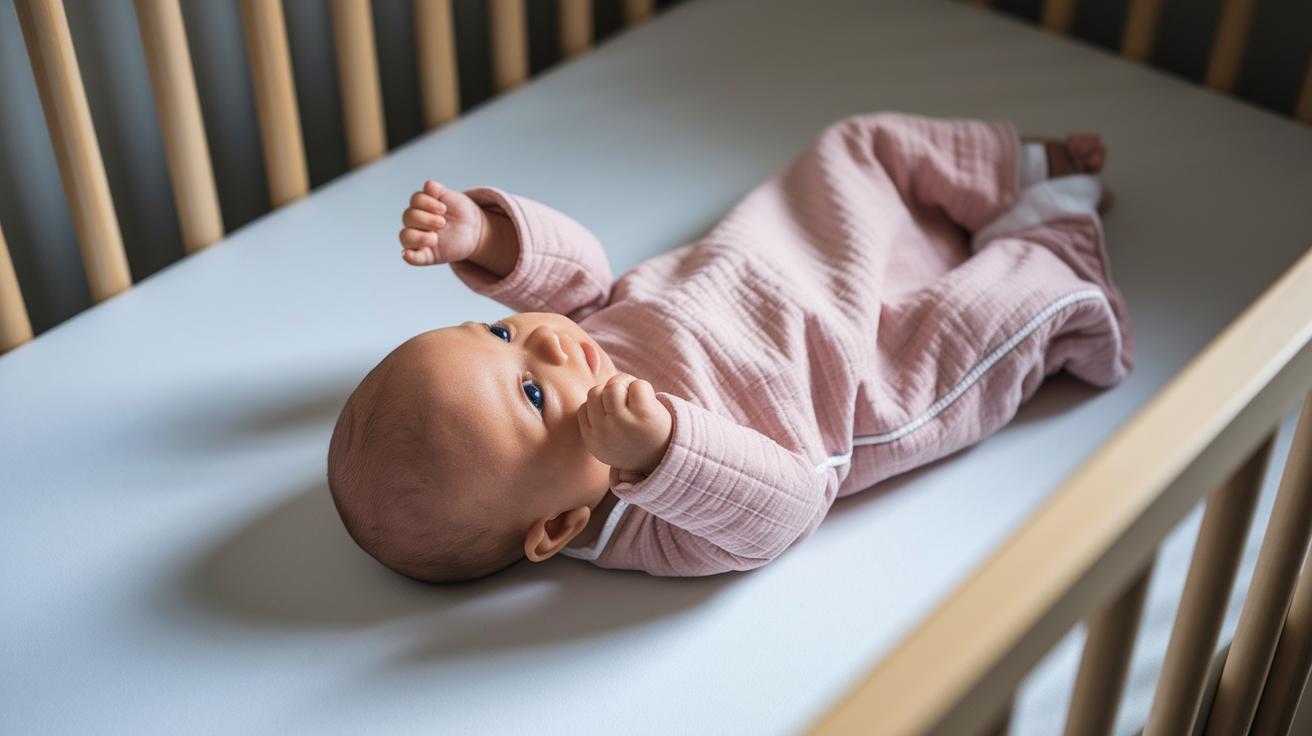
Making sure your baby has a safe place to sleep can feel like a warm hug for both of you. A cozy crib starts with a simple, firm, flat surface topped with a snug fitted sheet. This helps reduce sleep risks and gives your little one a steady place to rest. It’s best to keep the crib free of loose bedding, pillows, and toys because these items can sometimes become a hazard.
A sleep-friendly nursery is also about creating just the right atmosphere. Keeping the room between 68 and 72 °F helps maintain a gentle environment. Rather than using loose blankets, think about a wearable blanket that hugs your baby snugly and safely. Picture a calm room with a crisp, clean crib, where every little detail, from the smooth fitted sheet to the refreshing air, works together to invite deep, safe sleep. It’s these thoughtful touches that help your baby sleep well and keep you feeling at ease.
Working with Pediatricians on Newborn Sleep Training
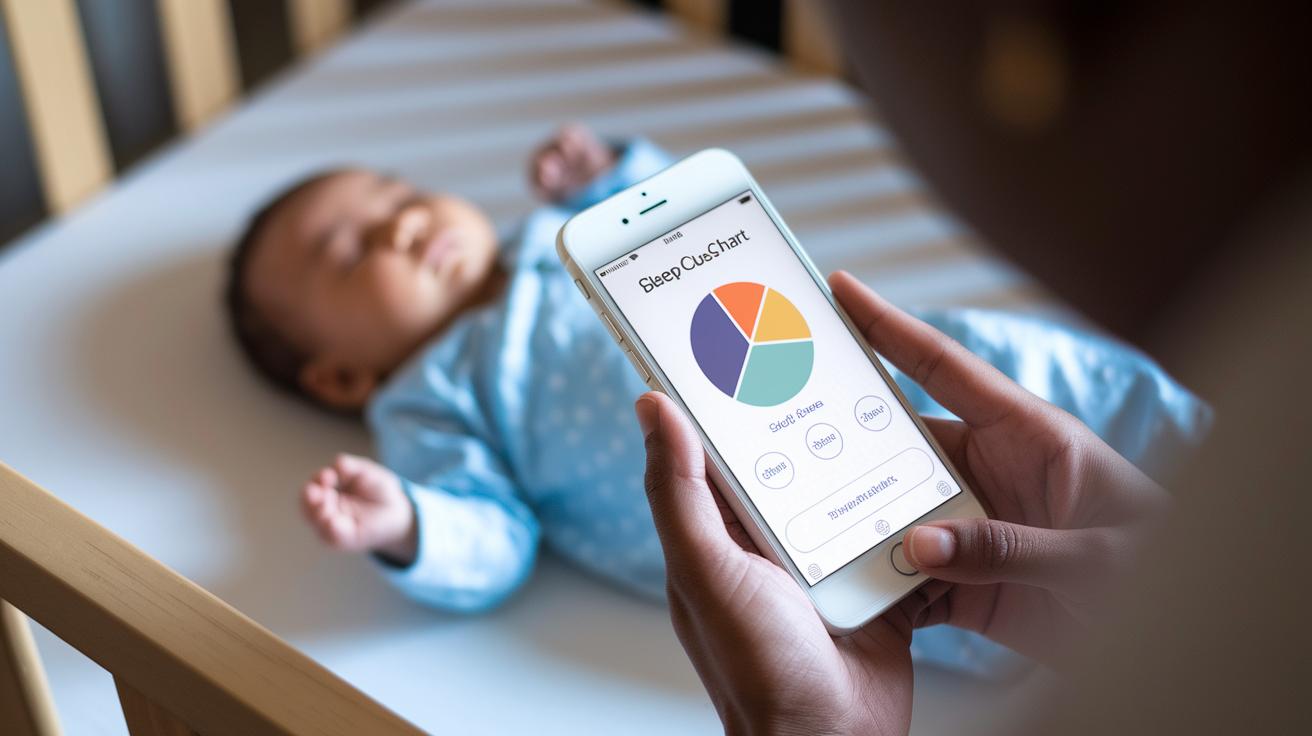
Pediatricians share friendly advice on when your baby might be ready for sleep training. Every little one grows at their own pace, and simple milestones along with feeding needs help guide this process. Sometimes, if your baby has issues like reflux or is still building weight, it might mean holding off on sleep training just a little longer.
Working closely with your doctor gives you reassurance that your baby’s weight, feeding schedule, and overall health are on track. And if you ever feel you need more guidance, a certified sleep consultant can craft a plan just for your little one. Their personalized approach makes sure the plan fits your baby’s unique progress.
Imagine hearing a caring voice say, "We're here to help tailor your baby's sleep plan as they grow." That kind of comfort and practical support can be just what you need to turn sleepless nights into peaceful ones.
Adjusting Sleep Training as Your Newborn Grows
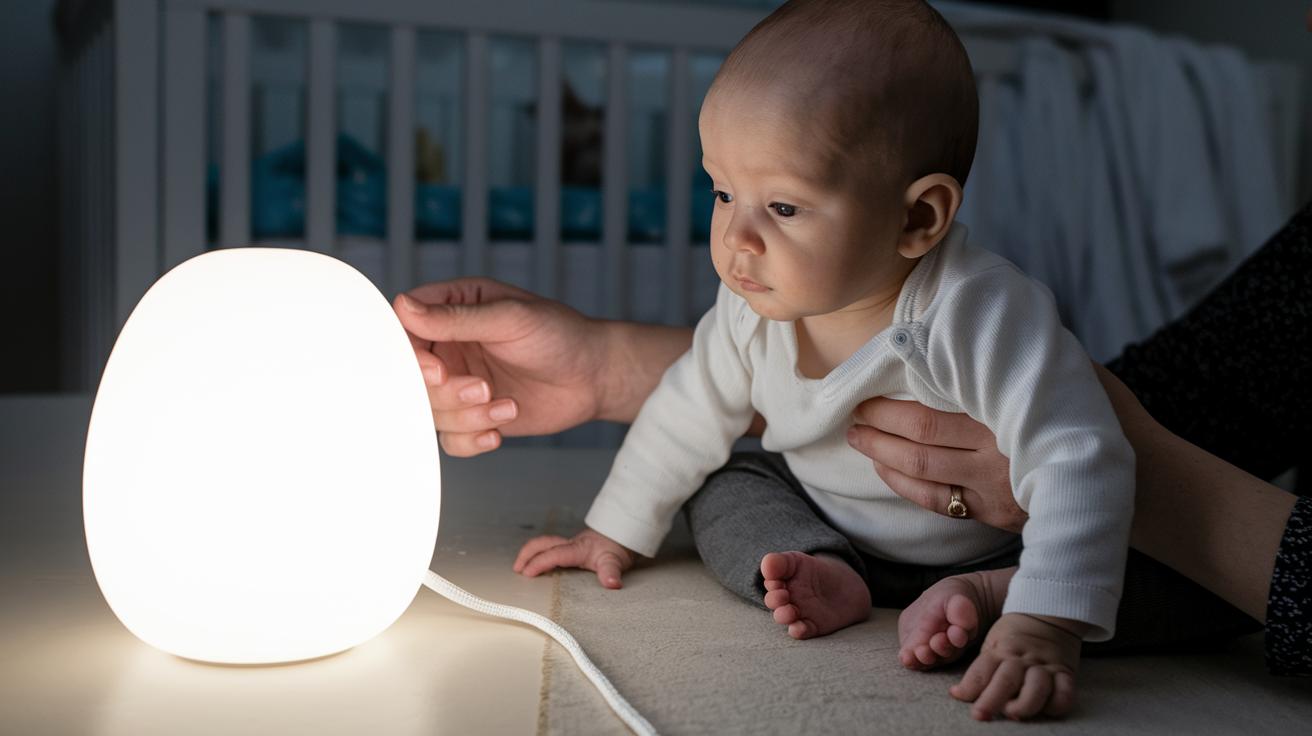
When your baby hits around 4 months, you might notice a sleep regression. This means that little one’s sleep pattern can change, leading to more wakefulness or fussiness around bedtime. It’s a normal part of growing up, and a chance to adjust your routine to help your baby feel more comfortable.
By the time your baby is about 6 months old, many start to sleep through the night and take 2 or 3 naps during the day. Small changes, like moving bedtime just 15 minutes earlier or letting them stay awake a bit longer, can make a big difference. It’s a bit like adjusting the brightness on a lamp, you find the perfect setting as your baby grows.
Sometimes, growth spurts, teething, or changes in daytime sleep can cause just a few bumps along the way. But sticking to a consistent routine usually helps smooth things out in no time. Even tiny tweaks in the schedule can lead to peaceful nights for both you and your little one.
Final Words
In the action, we walked through finding that perfect moment to sleep train newborn, exploring gentle cues, calming bedtime routines, and safe sleep arrangements. We compared sleep methods, trusted expert advice, and noted how routines adjust as little ones grow. Every step supports a secure and soothing environment for your baby. With thoughtful consistency, you can build healthy habits that feel right for both of you. Here’s to many peaceful nights and joyful mornings ahead!