

Are you finding your six-month-old's sleep routine a bit puzzling? Don’t worry, you’re not the only one. Many parents discover that creating peaceful nights feels like a mix of learning and sweet surprises.
At six months, your little one might need around 14.5 hours of sleep. You’ll notice gentle hints telling you when it’s time for a nap or bedtime. This guide offers an easy schedule that you can adjust to fit your family’s rhythm so that both you and your baby enjoy a restful night.
Let’s explore together how to create warm, calm evenings that turn bedtime into a beloved routine.
6 month old sleep schedule: Happy Cozy Nights

At six months, your baby usually needs about 14.5 hours of sleep each day. That means around 12 restful hours at night and roughly 2.5 hours of daytime naps. Every little one is unique, so don’t be surprised if your baby sometimes enjoys an 8-hour stretch of sleep. It’s all about what feels right for your family.
Often, you might notice a pattern of three naps: a quick one in the morning, a longer, deeper nap at midday, and sometimes a short nap in the late afternoon as a bridge to bedtime. Bedtime typically falls between 7:00 and 8:00 PM, which is about 12–13 hours after waking up. Think of this schedule as a cozy guideline that you can adjust based on your baby’s cues.
| Time | Activity | Duration / Details |
|---|---|---|
| 7:00 AM | Wake-Up | Start the day gently with playful moments |
| 9:00 AM | Morning Nap | Enjoy 60–90 minutes of calm rest |
| 12:00 PM | Midday Nap | Relax with a deeper sleep for about 60–90 minutes |
| 3:15 PM | Afternoon Nap | Choose a soothing 10–15 minute power nap or a longer 30–45 minute rest |
| 7:00–8:00 PM | Bedtime | Ease into a calming routine for 20–30 minutes to welcome a long night’s sleep |
Use this schedule as a gentle starting point. If your baby shows signs of sleepiness a bit earlier or later, feel free to adjust wake times and nap lengths. These little tweaks will help create happy, cozy nights for both you and your little one.
Managing Wake Windows and Nap Timing in a 6 Month Old Sleep Schedule

At 6 months, your little one starts to show signs that their wake time is as important as their nap time. Most babies do well when they're awake for about 2.5 to 4 hours at a stretch. In the morning, when you notice quick yawns or tiny eye rubs, it’s a gentle hint that a nap is near. A cozy morning nap of around 60 to 90 minutes can really set a peaceful tone for the day.
Then, as the day moves on, you can stretch that awake period up to about 4 hours before the evening nap. A longer nap in the middle of the day of 60 to 90 minutes helps recharge their tiny batteries. And sometimes a short nap of 10 to 15 minutes in the late afternoon works perfectly as a soft bridge into bedtime.
Watch your baby’s little cues, they’re sending you messages with every yawn and stretch. Being flexible and mindful of these signs helps prevent overtiredness and keeps their sleep cycles steady. Every tiny signal is a sweet reminder that your baby knows just when to rest.
Crafting a Consistent Bedtime Routine for Your Six-Month-Old

A steady bedtime routine can really make a difference in calming your little one and setting the stage for a peaceful night. When you follow the same gentle steps each evening, your baby starts to understand that it's time to wind down. Begin around 7:00 pm so that by about 8:00 pm, the lights go out naturally. A 20 to 30 minute routine is just right, it gives your baby plenty of time to relax without feeling rushed.
Imagine starting the evening with a warm bath that feels like a soft, comforting hug. After the bath, slip your baby into cozy pajamas that wrap them in gentle comfort. Next, offer a feeding that feeds both body and heart. Then, finish with a short story or a sweet lullaby that whispers it’s time for rest. These familiar steps help build trust and signal that nighttime is near.
| Step | Description |
|---|---|
| Bath | A warm, welcoming bath to relax and refresh |
| Pajamas | Snug, soft outfits that cuddle your baby |
| Feeding | Nourishing both body and spirit |
| Story or Lullaby | Calming words or a sweet tune to ease into sleep |
By keeping this cozy routine every night, your baby learns that bedtime is a safe, soothing time, a lovely way to end the day and welcome a good night's sleep.
Sleep Training Techniques to Encourage Independent Sleep

Around six months, many little ones are ready to try falling asleep on their own. You can help by slowly lessening the rocking or feeding that usually happens at bedtime. This change can allow your baby to start connecting their own sleep cycles, leading to longer naps and fewer night awakenings. Soon, you may both enjoy about 10 to 12 hours of peaceful nighttime sleep.
One gentle method to try is the pick-up-put-down technique. This approach lets your baby feel safe while learning to calm themselves. If you need a bit more help, check out some handy first-time parent tips on bsnuggs.com. Some parents mix this method with a milder version of the Ferber-style technique, giving a quick cuddle before stepping back so their little one practices self-settling.
Remember, every baby is unique. Watch for your baby's cues and adjust the wake times if needed. And if your baby gets too upset, a short, comforting pause might work best. With patience and steady practice, these gentle sleep coaching methods can help your child build healthy sleep habits. Experiment with these ideas and find the balance that fits your baby's personality, so they can gradually learn to sleep on their own in a calm and caring environment.
Troubleshooting Common Challenges in a 6 Month Old Sleep Schedule
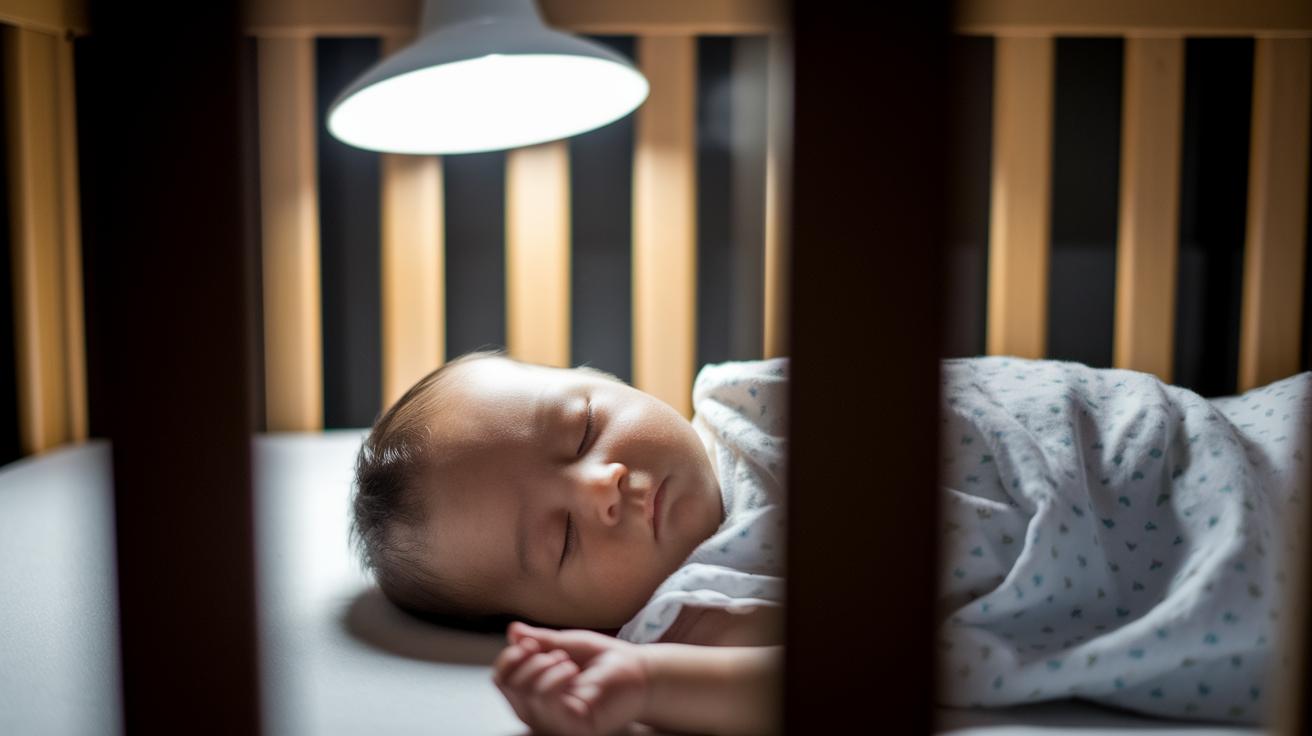
When your baby starts taking very brief naps, it might mean they’re having trouble moving smoothly from one sleep cycle to the next. This can happen when they’re not tired enough or are too tired. Pay close attention to your little one’s signals and consider gently adjusting the time they stay awake before a nap.
If your baby wakes up at night, it may be because they’ve grown used to needing help like rocking or feeding to fall asleep. When they start their sleep with these aids, they might expect the same comfort when they stir during the night. Changing these habits slowly can guide them to settle on their own.
Sometimes, when a tried-and-true routine gets off track, it might be an early sign of sleep regression. In these moments, shifting bedtime a bit earlier or tweaking how long your baby stays awake can make a big difference. Small adjustments can help get things back to a smoother routine.
Often, a slight change in the schedule can bring back better sleep for baby. Experiment with little shifts to see what helps your child settle more easily into sleep, leading to more peaceful nights for both of you.
Optimizing Sleep Environment and Aligning Feeding Patterns

Creating a gentle, safe space for sleep is a wonderful way to help your six-month-old rest easier. Try to keep the room cool, around 65 to 70°F, with soft lighting that whispers, "It's bedtime." A simple white-noise machine can fill the room with a steady hum, like a quiet lullaby that eases your little one into sleep.
It's also a good idea to sync feeding times with nap moments. A small feed just before naptime can feel like a warm hug, calming your baby and stopping hunger from interrupting sleep. Watch for sleepy cues and try to keep a regular schedule, so your child feels comforted by the routine.
As your baby grows and starts to roll over, gradually easing off swaddling while keeping a safe sleeping zone is important. With a thoughtfully arranged room and well-timed feeds, you'll help set up a balanced day, nurturing your baby's natural sleep patterns with love and care.
Final Words
In the action, we’ve explored everything from setting daily sleep targets to fine-tuning wake windows and crafting a calming bedtime routine. We’ve reviewed ways to gently encourage self-settling skills and provided fixes for common sleep challenges. By optimizing the sleep environment and coordinating feeds with naps, the guide offers practical steps for smooth transitions. Embracing these tips can bring comfort and peace, paving the way for a more restful night for you and your baby. Enjoy planning your 6 month old sleep schedule with newfound confidence!
FAQ
What is the normal sleep schedule for a 6 month old?
The normal sleep schedule for a 6‑month‑old includes about 14.5 hours of total sleep—roughly 12 hours at night plus 2.5 hours across naps. Adjust the routine as needed for your baby’s unique cues.
What does a two‐nap schedule look like for a 6 month old?
A two‐nap schedule for a 6‑month‑old typically features a morning nap (60–90 minutes) and a midday nap (60–90 minutes), sometimes with an optional brief 10–15 minute “bridge” nap, with wake windows lasting 2.5 to 4 hours.
What is the 5 3 3 rule for baby sleep?
The 5 3 3 rule for baby sleep is an informal guideline some parents reference for structuring sleep routines, but most experts advise tuning into your baby’s natural sleep cues rather than strictly following any set rule.
How does sleep regression affect a 6 month old’s schedule and wake windows?
Sleep regression in a 6‑month‑old may temporarily alter nap lengths and wake windows. Babies may show increased fussiness as they adjust, so watch for sleepy cues and stick to a comforting routine.
What is a suitable sleep and feeding schedule for a 6 month old?
A suitable schedule for a 6‑month‑old includes a consistent wake‑up time, 2 naps spread through the day, a bedtime around 7:00–8:00 p.m., and balanced feeds that match the baby’s hunger and sleep cues.
What does a 5 month old sleep schedule look like?
A 5‑month‑old sleep schedule often involves several shorter naps throughout the day with a similar total sleep time as older infants, though wake windows and nap lengths may differ as each baby grows and adjusts.
What are ideal wake windows for a 6 month old?
Ideal wake windows for a 6‑month‑old range from 2.5 to 4 hours. Shorter gaps occur in the morning, and longer intervals form before bedtime, helping to keep your baby well‑rested and content.
What do discussions on Reddit say about 6 month old sleep schedules?
Reddit users commonly share that 6‑month‑olds generally obtain 14–15 hours of sleep daily with two naps, stressing that flexibility and responding to your baby’s individual patterns are key.