

Have you ever noticed that some babies drift off peacefully while others seem so full of energy? It might be all about finding the right balance in a 10-month sleep schedule.
Imagine a day filled with calming naps and a long, cozy nighttime sleep that together wrap your little one in a gentle hug. This routine works like a soft lullaby, easing them into rest and keeping overtiredness at bay.
In this guide, we'll share practical tips that are easy to follow and perfect for your growing baby. We’re here to help you create a night filled with sweet dreams and days that feel a little smoother.
10 month old sleep schedule: Sweet Sleep Bliss

At 10 months, your little one needs about 13.5 hours of sleep each day. That usually means around 11 to 12 hours at night with two naps adding up to 2 to 3 hours. Keeping track of these sleep and wake times can really help you understand your baby’s unique rhythm, each baby is different, and even small changes can make a big difference.
Here’s an easy guide for a typical 10-month-old’s day:
| Sleep Type | Duration |
|---|---|
| Nighttime Sleep | 11–12 hours |
| Each Nap | 60–120 minutes |
| Awake Windows | 3–3.75 hours |
This routine helps prevent overtiredness while creating a safe, cozy sleep environment. For example, having a wake period of about 3 to 3.75 hours filled with play and feeding before a nap can really set the stage for sweet, peaceful sleep. It feels a bit like crafting a lullaby throughout the day, gentle and just right for growing minds and bodies.
By matching the sleep schedule to your baby’s natural clock, you’re setting a nurturing rhythm that supports every stage of development. And when bedtime finally rolls around, you’ll witness the pure magic of sweet sleep bliss.
Sample 10 Month Old Nap and Bedtime Timetable

This little schedule shows one way your 10-month-old might enjoy a day full of gentle wake-ups, playful moments, and sweet rest. The day starts with a soft morning wake-up, followed by a refreshing nap that recharges little energy for fun playtime. Later, an afternoon nap gives your baby a chance to rest and smile through the day. Then comes a calm feeding time before bed that helps set the mood for a gentle, quiet night. Feel free to adjust these times by about 15 to 30 minutes to match your baby's natural rhythm.
| Time | Activity |
|---|---|
| 7:00 AM | Wake Up & Morning Cuddles |
| 9:30-10:45 AM | Morning Nap |
| 2:00-3:30 PM | Afternoon Nap |
| 7:00 PM | Pre-bed Feeding & Wind Down |
| 7:30 PM | Bedtime |
This routine is like a gentle dance, where each part helps your baby feel happy and well-rested. Remember, every child is different, so tweak the times just a little to match your baby’s unique cues. Enjoy each cozy moment!
Managing Sleep Regressions in Your 10 Month Old

At around 10 months, you might notice changes in your baby's sleep as they become more mobile and reach new milestones. Perhaps your little one starts waking up earlier or their sleep becomes a bit spotty. These early morning wake-ups and broken sleep patterns are common signs of sleep regression. It might feel a little overwhelming at first, but a few gentle tweaks to your routine can make a big difference.
During this period, consider a few simple steps:
- Watch for signs like early wake-ups and restless sleep bursts.
- Tweak nap times a little so they match your baby's evolving needs.
- Stick to your tried-and-true bedtime routine to keep things familiar.
- When sleep starts to settle down, gradually return to your usual schedule.
For instance, if you see your baby waking several times at night or if naps start lasting longer than usual, it might be time to adjust their awake periods just a bit. Keep the bedtime routine calm and predictable, it signals that it's time for sleep. With a little consistency and gentle fine-tuning, many families find that their baby’s sleep gets back on track in one or two weeks. Remember, this phase is a normal part of development and an opportunity to discover what works best for both you and your little one.
Creating a Sleep-Friendly Environment for 10 Month Olds

Have you ever noticed how a cool, dark room can work wonders for your baby’s sleep? Keeping the room between 65 and 72°F makes it extra comfy. Simple touches like blackout curtains or room darkeners block out any distracting light. And a gentle white noise machine, quietly humming soft sounds, can be just like a lullaby, soothing your little one into a deeper sleep.
Next, try a calming pre-sleep routine that tells your baby it’s time to wind down. Dim the lights, play a soft lullaby or instrumental music, and maybe share a warm cuddle before bed. Simple moments like these help set the stage for a peaceful night’s sleep. It’s perfectly okay if your baby still uses a pacifier; over time, they might also learn a little bit of self-soothing on their own, with some patient encouragement.
Creating this sleep-friendly space not only helps your baby rest better but also lines up with safe sleep guidelines. You can check out the safe sleep tips for infants here: https://bsnuggs.com?p=. With a few thoughtful adjustments and by keeping an eye on your baby’s cues, you’ll discover the perfect balance that brings calm, sweet sleep. This gentle environment nurtures both their growing body and curious little mind.
Long-Term Strategies for 10 Month Old Sleep Schedule Consistency

Keeping a steady sleep plan for your 10-month-old is all about a nurturing routine that grows as they do. Start with an easy cycle: feed, play, then wind down. Imagine feeding them, allowing some lively playtime, and then settling into a quiet moment that signals bedtime. It’s a simple routine that gently guides your little one into sound sleep.
Here are some friendly tips:
- Put your baby in bed when they're sleepy but still awake. This little step helps them learn to settle on their own, it’s like a gentle push toward discovering comfort.
- Keep awake times around 3 to 3.75 hours. This gives just enough playtime without overwhelming your baby.
- If your baby is used to being rocked or fed to sleep, try a kind sleep-training method like the Ferber or Fading technique. This gentle change can help them learn to sleep independently.
- Stick with the same bedtime routine each night. A familiar cuddle or a soothing lullaby sets a comforting stage for sleep.
- When travel or a mild illness upsets the schedule, gradually ease back into your usual routine. This steady approach reassures your baby and builds a strong, reliable sleep pattern.
Each of these steps builds a caring routine your baby can trust. Over time, these habits help them settle into peaceful sleep, even when little schedule hiccups pop up.
Balancing Feeding and Sleep in a 10 Month Old Schedule
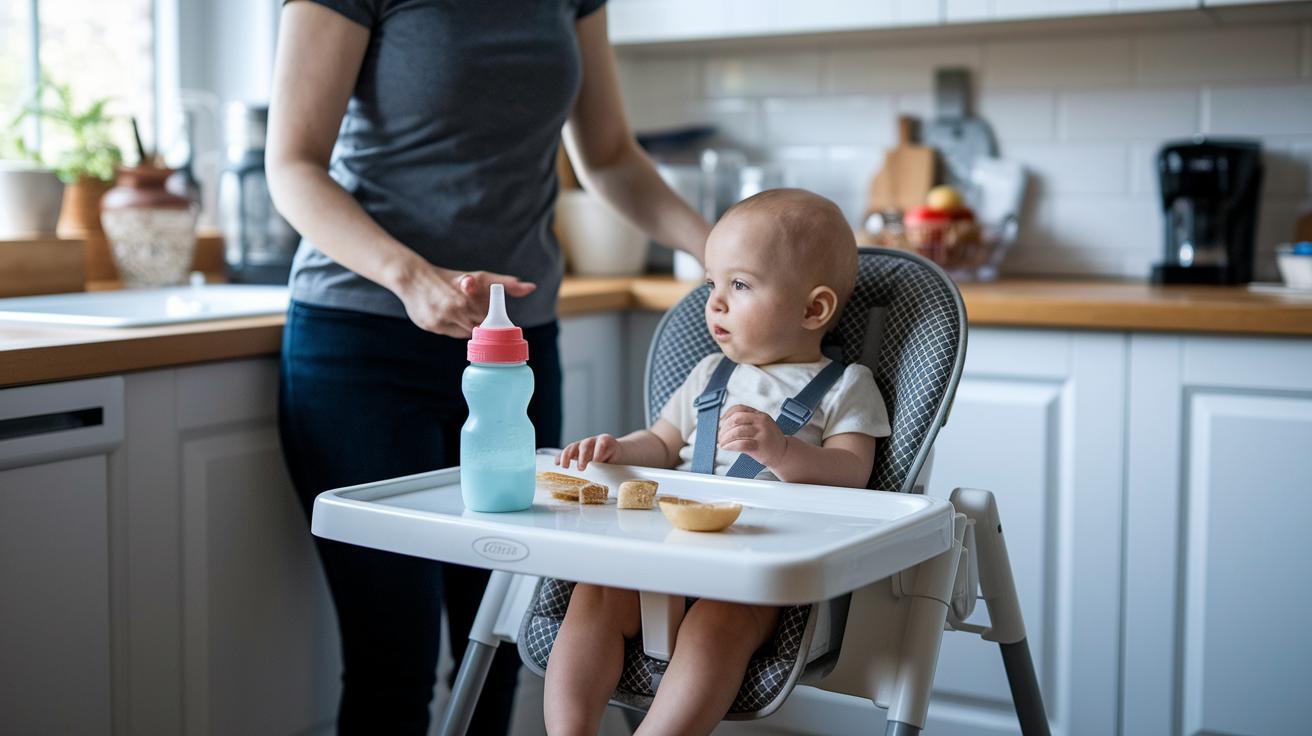
Feeding times are a big part of how well your little one sleeps. Planning meals around naps and bedtime can set a calming rhythm for the day. For instance, try to serve solid foods about 30 minutes before a nap or bedtime so your baby doesn’t feel too full or uncomfortable when it's time to rest.
Imagine your baby’s day like a gentle, balanced routine. A mid-morning snack of 4–6 oz of a drink along with some finger foods helps keep hunger away, which can mean fewer early wake-ups. Later, a light snack in the late afternoon can give them steady energy for playing and resting. Adjusting bottle or breastfeeding sessions to fit these meal times guides them smoothly into sleep.
Watch for those little signs of hunger, especially before a nap you know usually goes well. If your baby seems fussy or uneasy, it might be their quiet way of asking for a bit more food. These small shifts can help create a natural sleep and feeding routine that feels both comforting and familiar.
Final Words
In the action of setting up routines, we covered a sample timetable, cues for a sleep-friendly environment, and strategies to manage regressions. We also looked at how feeding timing gracefully fits into the sleep routine. Every tip supports a nurturing 10 month old sleep schedule that brings calm and assurance. Small adjustments can create big results, building a foundation for more peaceful nights and joyful mornings. Enjoy the comforting changes that come with each restful night.
FAQ
What are the typical sleep schedules for 10, 11, and 12‑month‑olds?
The typical sleep schedule for infants aged 10 to 12 months includes about 13.5 hours of sleep per day. This consists of approximately 11–12 hours at night plus two naps totaling 2–3 hours.
What is the optimal bedtime and wake‑up time for a 10‑month‑old?
The optimal routine for a 10‑month‑old usually involves waking around 7–8 AM and going to bed roughly 12–13 hours later. This timing helps support consistent sleep cycles and overall development.
How does introducing solids influence a 10‑month sleep schedule?
The introduction of solids can affect a 10‑month‑old’s sleep schedule by prompting meals at least 30 minutes before naps or bedtime, allowing proper digestion and helping to maintain quality rest through the night.
What sleep regressions occur at 10 months and how can they be managed?
The 10‑month sleep regression often appears as more frequent night wakings and shorter naps due to developmental milestones. Maintaining a steady routine and making small adjustments to nap times can help restore balance in a couple of weeks.
What is the 10 5 3 2 1 rule for sleep and how does it compare to the 5‑3‑3 rule for babies?
The 10 5 3 2 1 and 5‑3‑3 rules provide structured guidelines for balancing wake times and sleep periods. These rules help create predictable routines that support an infant’s sleep patterns and developmental needs.
What does a two‑nap sleep schedule for a 10‑month‑old look like?
A typical two‑nap schedule for a 10‑month‑old involves a morning nap roughly 2 hours after waking and an early afternoon nap. This routine balances awake windows and supports a consistent, quality nighttime sleep.