
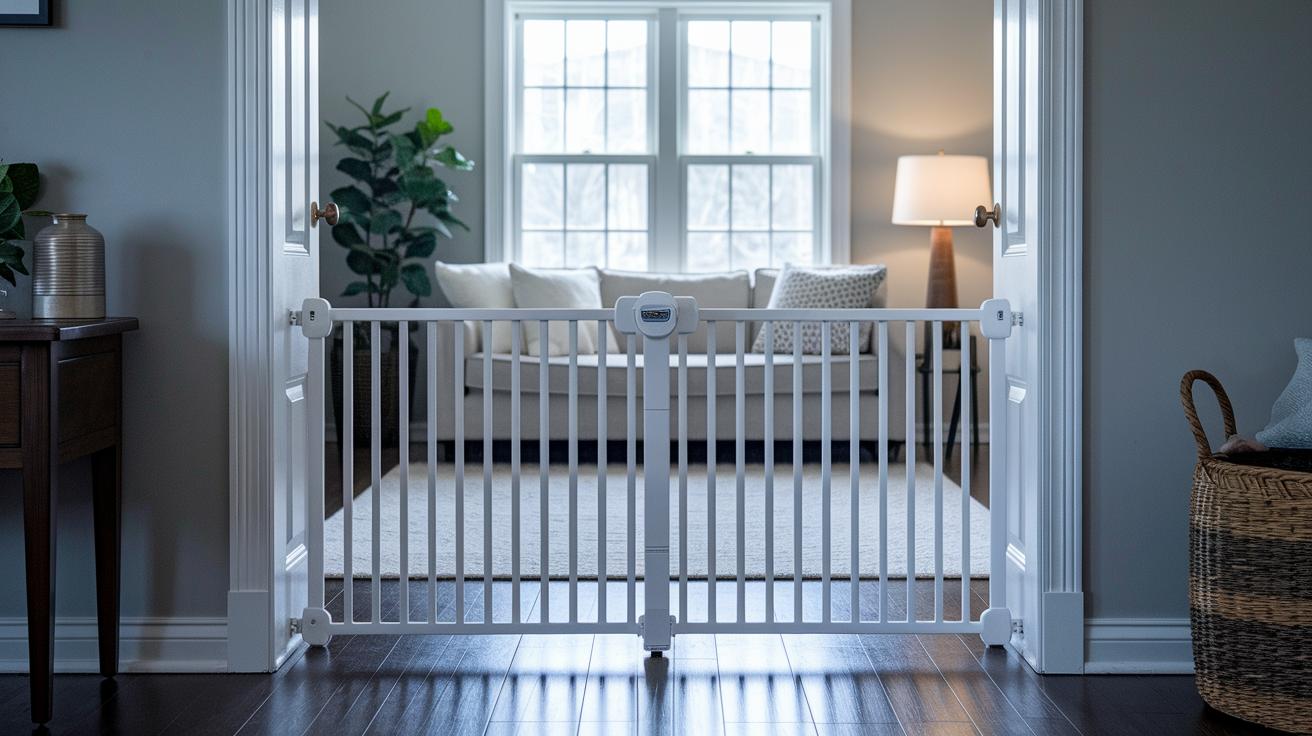
Have you ever wondered if your baby gate is truly keeping your little one safe? Even a tiny design flaw can put your child at risk.
We’re here to help you understand what to look for in a quality gate. Think about secure mounting, the right space between the bars, and a latch that works easily with one hand. It’s like putting together a puzzle where every piece plays an important role.
Choosing the right baby gate can make your busy parenting days a bit easier. Let’s walk through these key features together.
Essential Baby Gate Features for Safety and Setup
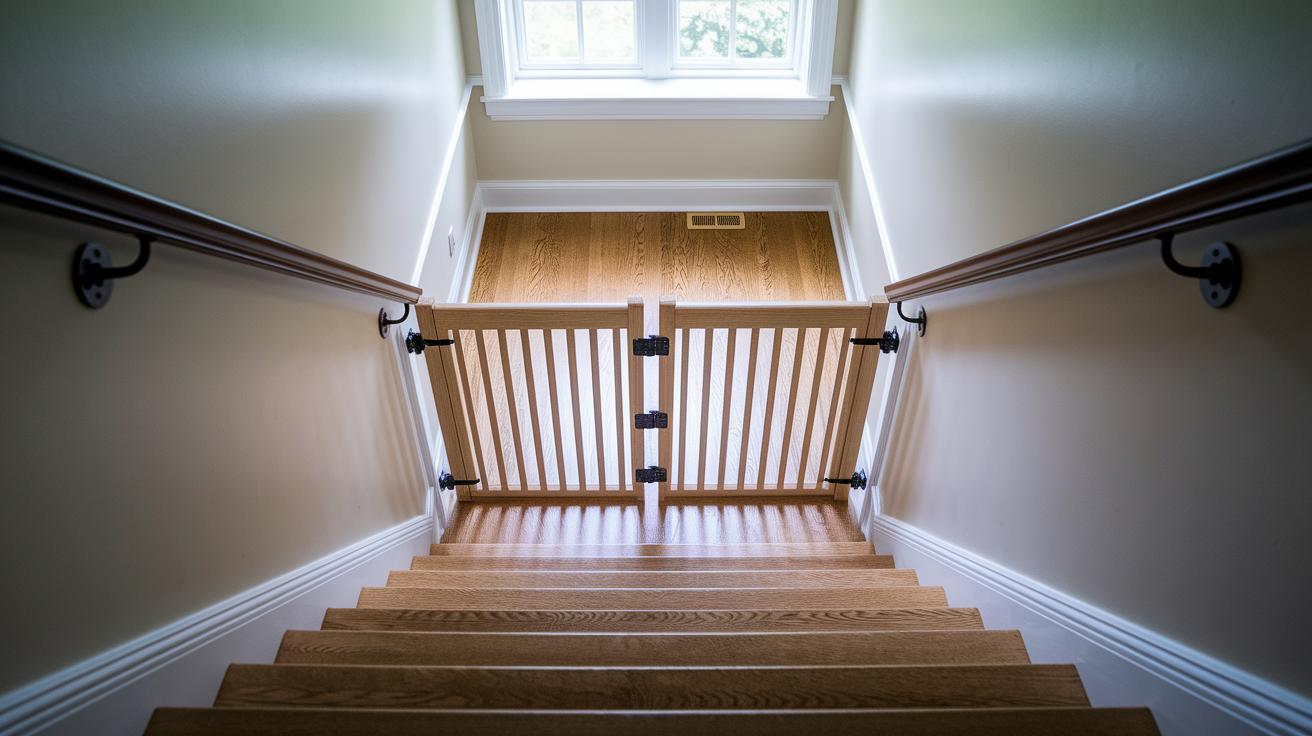
When picking out a baby safety gate, the strength and smart design are what really count. A sturdy, hardware-mounted gate is perfect for the top of stairs because it bolts securely to a wall or door frame, giving you that extra sense of security.
Take the Cardinal Gates SS30 as an example. It adjusts from 27 inches to 42.5 inches and sits at a 30° angle with a built-in stop bracket that keeps it from swinging over the stairs. This thoughtful detail helps the gate stay in place during your busy day.
Another key point to keep in mind is the spacing of the vertical slats. They should be no wider than 2 3/8 inches apart to prevent any risk of head entrapment. Also, a gate at least 23 inches tall, about three-quarters of your child’s height, helps keep curious little hands and feet safely inside. A one-handed latch is a must, too, so you can open the door quickly while keeping toddlers from figuring it out, and a bottom-bar gap of roughly 3/4 inch helps avoid tripping hazards.
Think of choosing your safety gate like putting together a puzzle. Every piece, from the right slat spacing to a reliable latch, plays its part in creating a secure space for your child. If you're new to childproofing, you might want to check out some handy tips at https://babyhalfoff.com?p= or visit https://bsnuggs.com?p= for more advice. This careful setup, blending smart design with dependable materials, gives you the peace of mind every parent deserves.
Comparing Baby Gate Types: Pressure-Mounted, Hardware-Mounted, and Retractable Styles
Hardware-Mounted Gates: Secure attachment, stair-safe designs
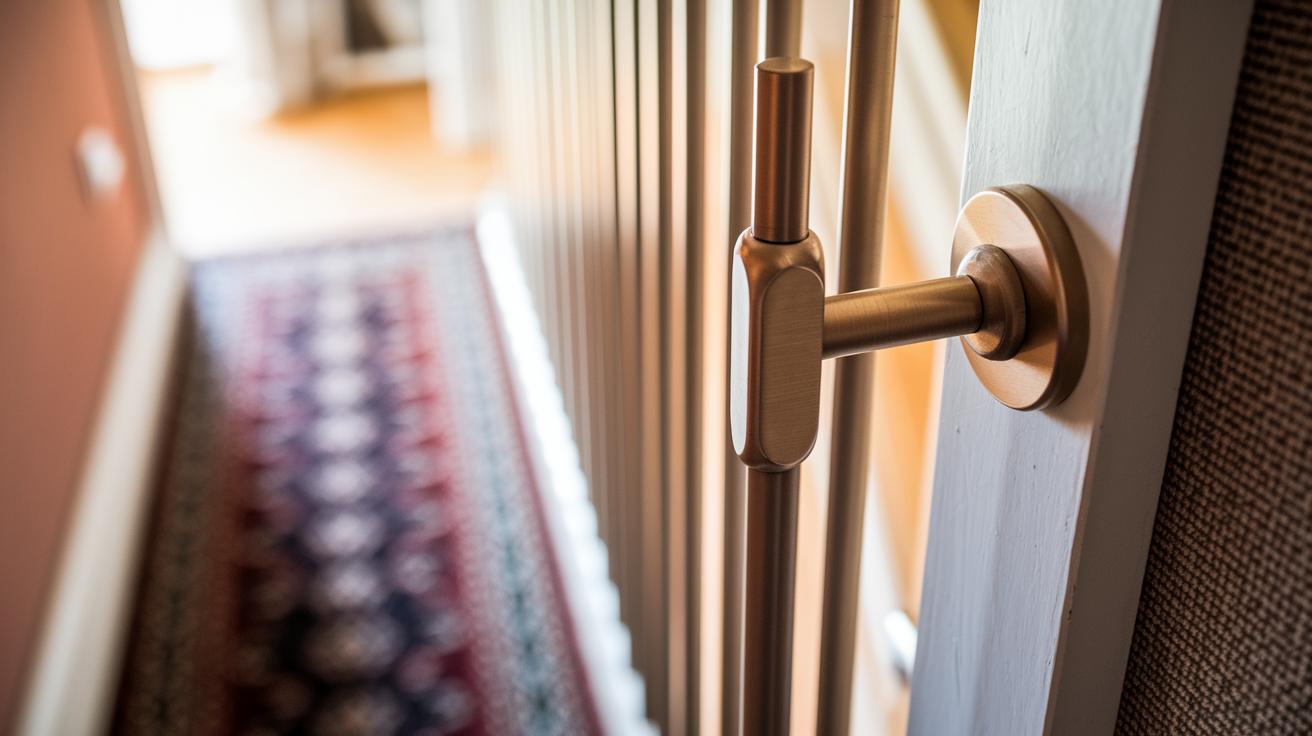
Hardware-mounted gates, like the Cardinal Gates SS30, offer that rock-solid security we all look for when it comes to stair safety. They stretch from 27 inches up to 42.5 inches and attach securely to your wall or door frame with a clever stop bracket. This extra touch stops the gate from swinging over stairs and gives you the peace of mind you need during your busy mornings. It’s like having a sturdy, reliable guardian watching over your little one.
Pressure-Mounted Gates: No-drill setup for doorways
Pressure-mounted gates are a parent’s dream when you’re looking for a quick, no-drill solution. These gates use tension screws and wall adapters to snugly fit doorways and hallways, making adjustments or removals super easy without leaving marks on your walls. Many, like the Regalo 2-in-1 Extra Tall, can even double as a playpen. Just remember, while they work great on flat surfaces, they aren’t the best choice for stairs where extra stability is a must.
Retractable Baby Gates: Low-profile retraction for occasional use
Retractable gates, such as the Cumbor model, add a modern twist to keeping your little one safe. They roll away when you need extra space, perfect for rooms where a permanent barrier isn’t essential. They don’t have the fixed strength of other types, so they’re best used in areas where flexibility is more important than constant coverage. For instance, the Munchkin Loft gate swings both ways and even removes the bottom bar, reducing the chance of trips. It’s like having a door that disappears when you need to open up your space.
| Gate Type | Ideal Location | Width Range (in) | Installation Method |
|---|---|---|---|
| Hardware-Mounted | Stairways and high-traffic areas | 27 – 42.5 | Wall/door frame mounting |
| Pressure-Mounted | Doorways and hallways | 28.5 – 48 | Tension screws and wall adapters |
| Retractable | Open areas needing flexibility | 29 – 60 | Recoil mechanism |
Baby Gate: Safe and Smart Picks
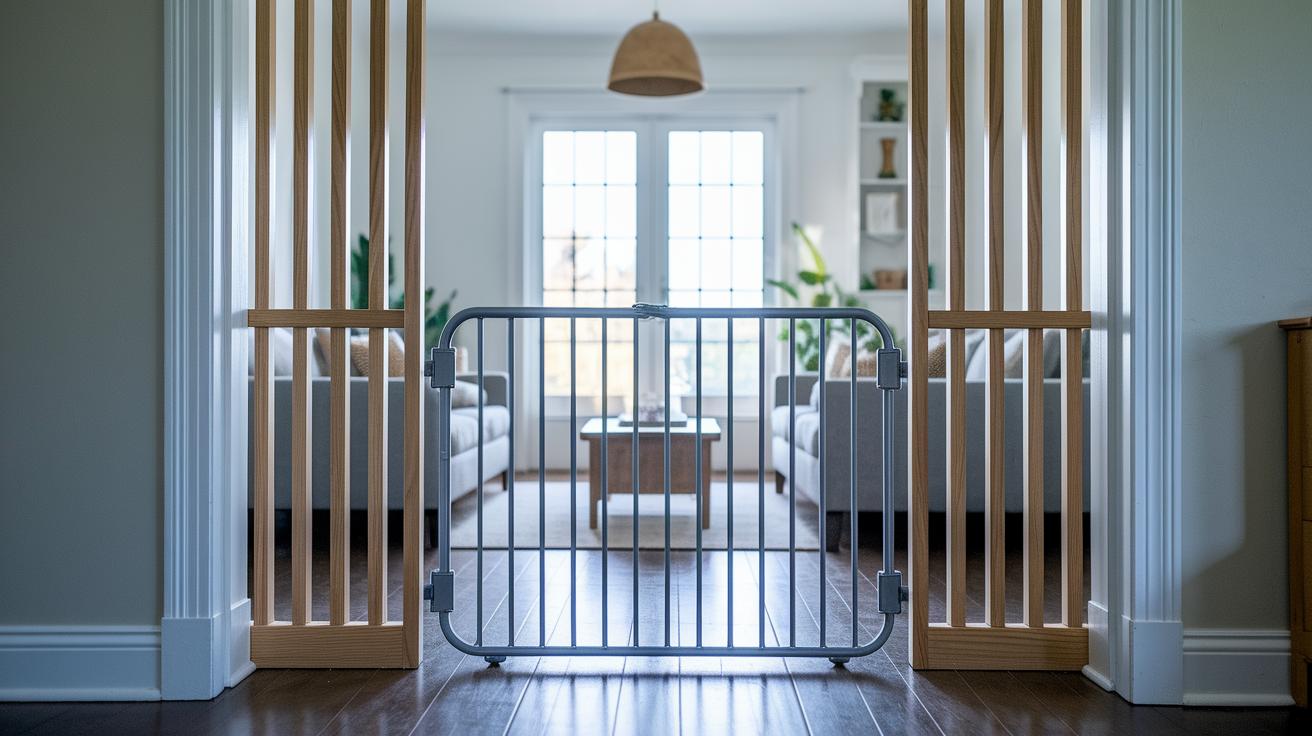
When choosing a baby gate, the right material and design really matter, it’s not just about looking good, but also keeping your little one safe. Metal gates, for example, give off a strong and sleek vibe. They’re built tough, so you can feel secure when you set them up in busy spots around your home.
Wooden dividers add a warm, natural feel to any room. Their earth-toned finishes blend so nicely with home décor, making your nursery cozy while keeping your baby safe. They’re charming to look at and strong enough for everyday use.
If you’re looking for a budget-friendly option, consider a plastic shield. They’re lightweight and come in fun, bright colors that add a pop of cheer to any room. They bring a playful touch to safety without costing a fortune.
For parents who care about the planet, there are eco-friendly options too. These dividers are made from FSC-certified wood or recycled materials and mix green practices with safety. Some designs even include stylish fabric panels to brighten up the space. Models like the Toddleroo Deluxe from North States work well for wide openings, and Summer Infant’s Multi-Use line offers four lovely finishes, black, bronze, espresso, and white, with a 36-inch tall profile that fits nicely in many settings.
How to Measure and Install Your Baby Gate Correctly
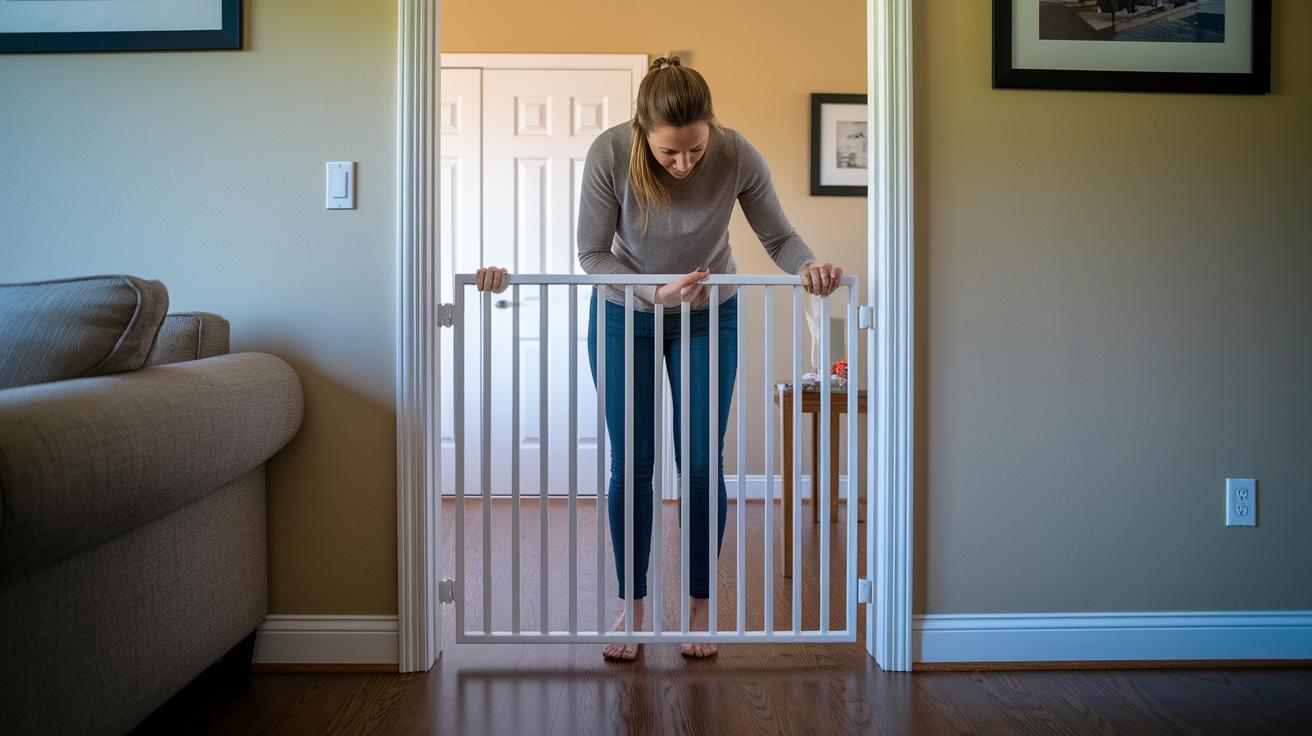
Getting your baby gate set up can be a warm conversation about keeping your little one safe. Here’s a simple guide to help you design a secure area in your home with care and confidence.
-
Start by measuring the opening. Check the width at the top, middle, and bottom, and use the smallest measurement. This way, your gate fits snugly and safely.
-
Next, make sure the gate is at least 23 inches tall. That extra height is like a little extra hug, helping keep your curious one contained.
-
If you’re mounting your gate to a wall, first locate the wall studs for a strong hold. Then, attach the brackets firmly and add the stop block, especially on stair tops, to reduce any swinging and ensure stability.
-
For pressure-mounted gates, position the tension pads and wall cups in your doorway. Tighten the screws evenly so the gate sits securely without leaving marks on your walls.
-
Finally, test the latch by opening it with one hand and giving the gate a gentle shake. This little check ensures everything is safe and sound before you really need it.
Every step is designed to work for both no-drill mounting systems and adjustable width guard panels. Taking your time with each detail brings you peace of mind and a secure, welcoming space for your little explorer.
Choosing the Right Size: Width and Height Guidelines for Baby Gates
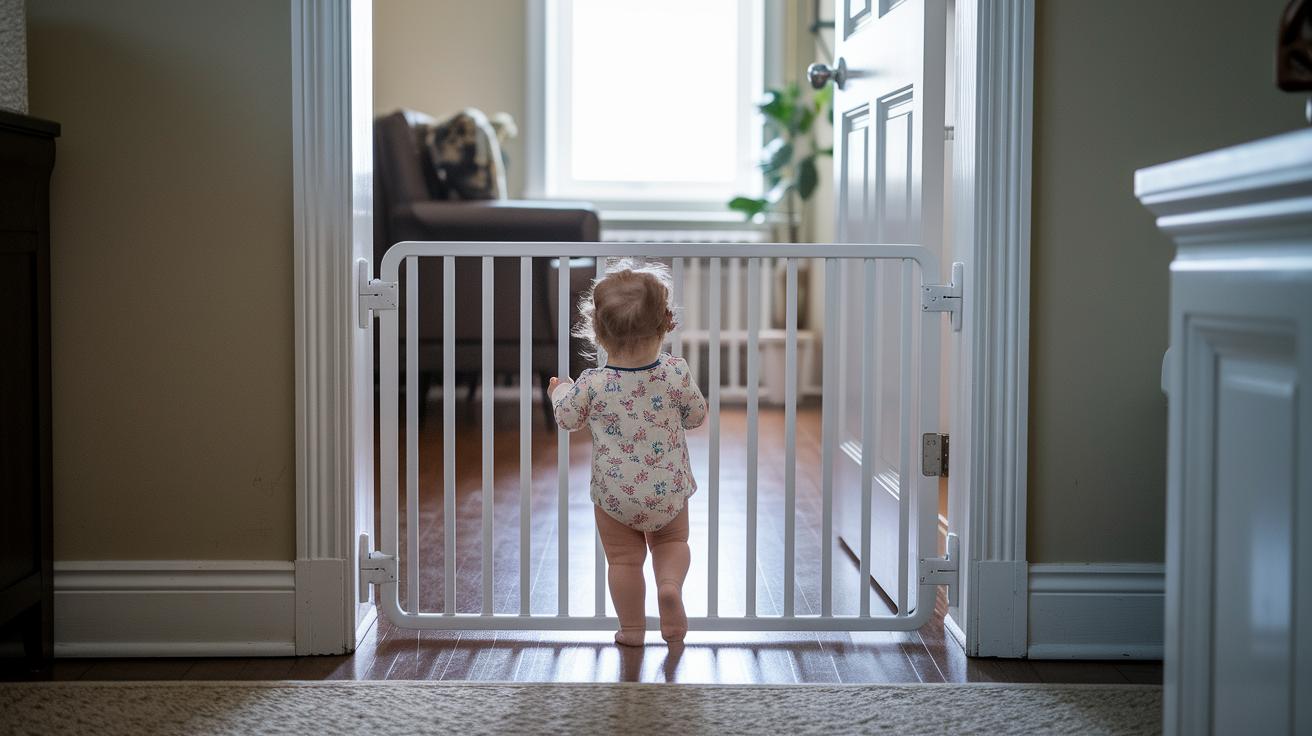
When picking out a baby gate, it's important to make sure it fits safely in your home. Most gates range in width from 28.5 to 48 inches, which works well for many spaces. If you have a wider opening, special models like Regalo Super Wide or Toddleroo Deluxe are available to give you that extra room.
The gate should be at least 23 inches tall, roughly matching three-quarters of your child’s height, to keep your little one secure. Also, allow for a small 0.75-inch gap at the bottom to ensure safety. If your walls aren’t perfectly straight, adjust the fittings so the gate fits snugly.
Measurement tips:
- Measure the narrowest part of your opening.
- Make sure the width is between 28.5 and 48 inches.
- Consider special models if your space is wider.
- Ensure the gate is at least 23 inches tall.
- Leave a 0.75-inch clearance under the gate and adjust for any angled walls.
Top Baby Gate Recommendations and Price Comparison

When it comes to picking the right baby gate, it’s really about balancing safety with smart design. For busy parents, you need a gate that not only keeps your little one secure but also fits your budget. Take the Cardinal Gates SS30, for example. It’s hardware-mounted and made specially for stair safety with stop brackets that keep the gate in place, so every step feels a bit safer.
Then there's the Regalo 2-in-1 Extra Tall, which is super versatile. This pressure-mounted gate works as a safe shield for your stairs and easily converts into a playpen, offering you two helpful features in one. And if you sometimes need an open space, a retractable gate like the Cumbor Retractable is a smart solution. It stays out of the way when you need more room, but still keeps your child safe. Plus, the Munchkin Loft is known for its sleek design and thoughtful removal of the bottom bar to reduce trip risks.
Other great choices are the Toddleroo Deluxe by North States, which adapts well to wider spaces, and the Summer Infant Multi-Use that comes with charming finishes to match your home decor. Each of these options has its own special benefits, making it easier for you to find the perfect mix of function and style.
| Model | Type | Width Range (in) | Height (in) | Price |
|---|---|---|---|---|
| Cardinal Gates SS30 | Hardware-mounted | 27 – 42.5 | 30 | $89.99 |
| Regalo 2-in-1 Extra Tall | Pressure-mounted | 28.5 – 48 | 30 | $64.99 |
| Cumbor Retractable | Retractable | 29 – 60 | 32 | $49.99 |
| Munchkin Loft | Hardware-mounted | 29 – 38.5 | 30 | $69.99 |
| Toddleroo Deluxe by North States | Pressure-mounted | Up to 72 | 30 | $65.00 |
| Summer Infant Multi-Use | Hardware-mounted | 28.5 – 48 | 36 | $79.99 |
Baby Gate Safety Standards and FAQs
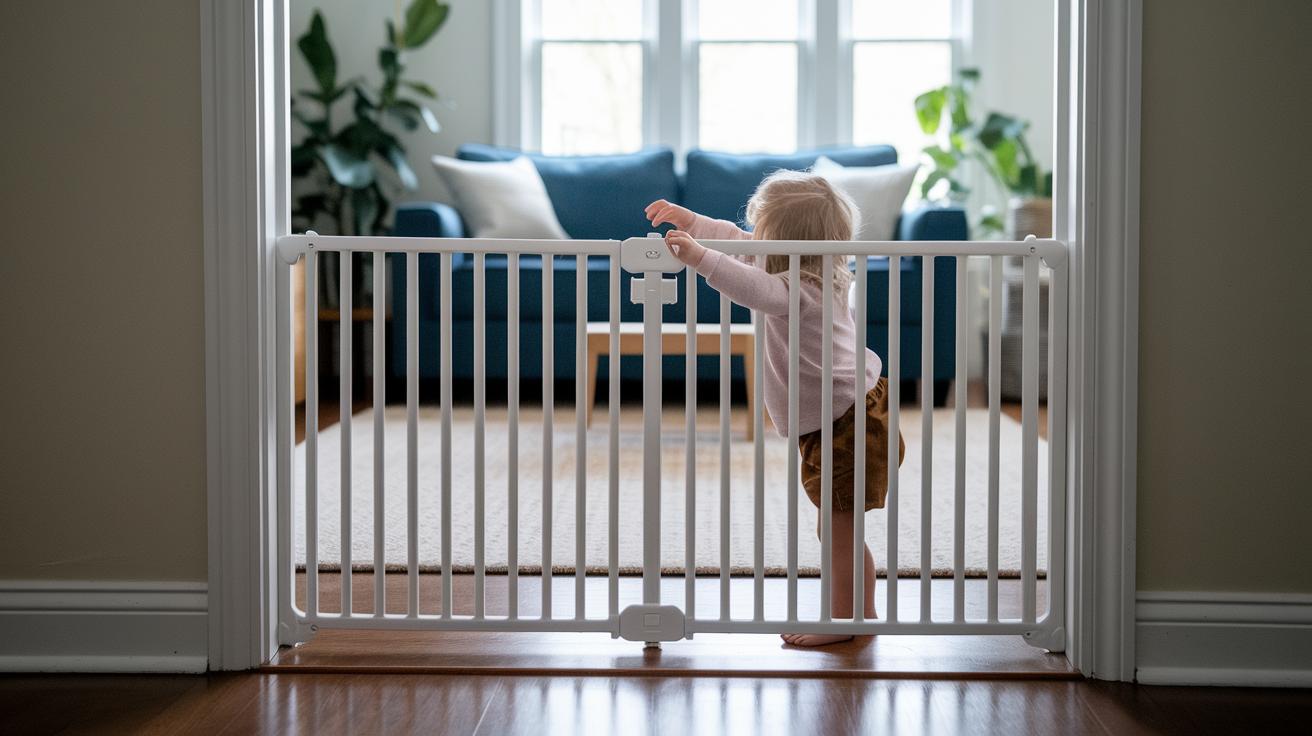
Our full safety guidelines have all the details you need. They cover things like meeting ASTM F1004, keeping the slat gaps at 2 3/8 inches or less, ensuring the gate stands at least 23 inches tall, and featuring a latch you can open with one hand. Below, you'll find answers to a few common questions that add a personal touch to these standards.
Can I use the gate on carpet or uneven floors?
Yes, you can! Just add a non-slip pad under the gate leg to keep it firmly in place. It’s a simple trick, like giving your gate a little extra grip.
What about using it outdoors?
Some models are made for outdoor setups. Always check the product details to be sure the gate is built to handle the weather. It’s similar to picking outdoor furniture; you want something that can take on the elements.
Do I need tools for installation?
Not in every case. Many pressure-mounted options come with a tool-free tension system that makes setup a breeze. It’s as easy as pie!
When should I upgrade to a toddler-proof barrier?
Once you notice your little one starting to climb, it’s time to switch to a barrier designed for toddlers. Think of it as stepping up to the next level when your child is ready for a little extra adventure.
Final Words
In the action, we explored the essential features of a baby gate, from secure hardware-mounted systems to pressure- and retractable styles, demonstrating how clear measurements and quality materials protect and style your home.
We shared easy steps to measure and install your baby gate while also highlighting trusted safety standards with practical tips. Every detail was chosen with care to help you feel confident and at ease while keeping your little one safe. Enjoy the peace of mind and a bright tomorrow.
FAQ
Frequently Asked Questions
What do baby gates for stairs offer for safety?
Baby gates for stairs are designed to be hardware-mounted to provide maximum safety. They secure using bolts and stop brackets, helping to prevent accidental falls on staircases.
How does a baby gate with a door improve access?
The baby gate with door includes a swing or latch mechanism that allows adults to move through easily while keeping toddlers safely contained in restricted areas.
Where can I purchase baby gates, such as from Amazon or Target?
Baby gates are available at major retailers like Target, on online platforms like Amazon, and at local baby stores, giving you various options to match your style and safety needs.
What is a retractable baby gate and its benefits?
A retractable baby gate rolls away when not in use, providing a flexible barrier that frees up space. It is ideal for occasional use, though it may not be as sturdy as hardware-mounted options.
Are plastic baby gates safe and practical?
A plastic baby gate is a lightweight, budget-friendly option available in bright colors. It is great for smooth indoor surfaces, though you should always check that it offers proper stability for your space.
How long should a baby gate be for proper fit?
A baby gate should securely cover your intended opening. Typical models span between 28.5 and 48 inches, with larger options available to suit wider spaces, ensuring your child stays safe.
What alternatives can be used instead of a baby gate?
Alternatives to a baby gate include a playpen, a furniture guard, or a dedicated nursery door barrier. Use these options with care to match the safety level of a standard baby gate.
At what age is it acceptable to stop using baby gates?
Baby gates are generally used until your child can easily climb over or bypass them, usually around ages 2 to 3 or once they outgrow three-quarters of their height. Always consider your child’s ability.
How can I make a homemade baby gate safely?
To make a homemade baby gate, use sturdy materials like quality wood and secure latches. Measure your opening accurately and install the gate firmly to ensure it keeps your little one safely contained.
Is it possible to get free baby gates?
Free baby gates might be available through safety programs, community exchanges, or online giveaways. Checking local parenting groups can also uncover opportunities for complimentary or discounted baby safety products.