

Have you ever thought that baby clothes could fill your day with a little eco joy? It might sound unusual, but fabrics like organic cotton and bamboo are soft on your baby’s skin and kind to our planet. They’re made with care and respect for nature and the people who sew each little outfit. Plus, by using less water and avoiding harsh chemicals, these clothes wrap your little one in a gentle hug while showing us how small choices can make a big, kind difference.
Why Choose Sustainable Baby Clothes
Sustainable baby clothes are made from materials like organic cotton or bamboo that grow naturally without harsh chemicals. These gentle fabrics feel soft and breathable on tiny skin, giving your little one a cozy and safe start. They’re produced under trusted ethical standards, meaning fair working conditions and audits by groups like GOTS or Fairtrade. You can feel confident knowing that every piece comes from a clear, responsible supply chain, caring for both your baby and our planet.
Organic farming for these clothes uses techniques that can save up to 91% of the water used by traditional cotton. Plus, bamboo is a favorite because it grows back naturally, helping keep our Earth healthy. Many parents love that this selection isn’t just stylish, they’re also affordable and built to last through playful days and snug nights. When you choose these outfits, you’re investing in thoughtful, well-made clothing that supports a safe, sustainable future for your baby and the environment.
Comparing Eco-Friendly Fabrics for Infant Apparel
Finding the right fabric for your baby is a bit like choosing a favorite lullaby, it should bring comfort and care with every touch. Organic cotton onesies feel soft and natural, grown without harsh chemicals, so you know your little one is wrapped in gentle love. Bamboo fabric is a treat too, keeping germs away naturally while whisking moisture off delicate skin. Hemp bodysuits are a smart choice, using much less water and getting softer with every wash. Then there’s recycled polyester, which turns old plastic bottles into adorable baby clothes, though sometimes it might shed tiny fibers.
Let's check out a quick snapshot of these fabrics:
| Fabric | Source | Water Use | Pros/Cons |
|---|---|---|---|
| Organic Cotton | Grown without synthetic pesticides | Standard water use |
|
| Bamboo | Bamboo grass | Uses less water |
|
| Hemp | Hemp plants | 50% less than cotton |
|
| Recycled Polyester | Repurposed plastic bottles | Varies by process |
|
Every choice you make builds a sustainable wardrobe that cares for your baby and our planet, just like a warm hug on a chilly day.
Certification Marks and Ethical Production of Baby Garments
When you’re picking out baby clothes, look for labels that honestly show how they’re made. Certifications like GOTS mean that at least 95% of the fibers are organic and that strict steps are taken to control wastewater. It’s a bit like getting a gentle nod of approval, assuring you that every piece is as nurturing as a warm embrace.
Fairtrade certification is another sign of care. It means the people making your baby’s outfits earn fair wages and work in safe conditions. When you see this mark, you can feel confident that each garment is part of fair trade baby fashions that look after everyone involved.
Then there’s the OEKO-TEX Standard 100, which tests finished textiles for any harmful substances. This extra check guarantees that the clothing is hypoallergenic and safe for delicate skin, so you know your little one is wrapped in non-toxic comfort.
Together, these ethical marks create a promise of sustainability and care. Every tag offers a quiet assurance that your baby garments aren’t just stylish, they’re thoughtfully made with safety and kindness in mind for a better, greener future.
Budget-Friendly Strategies for Green Baby Outfits
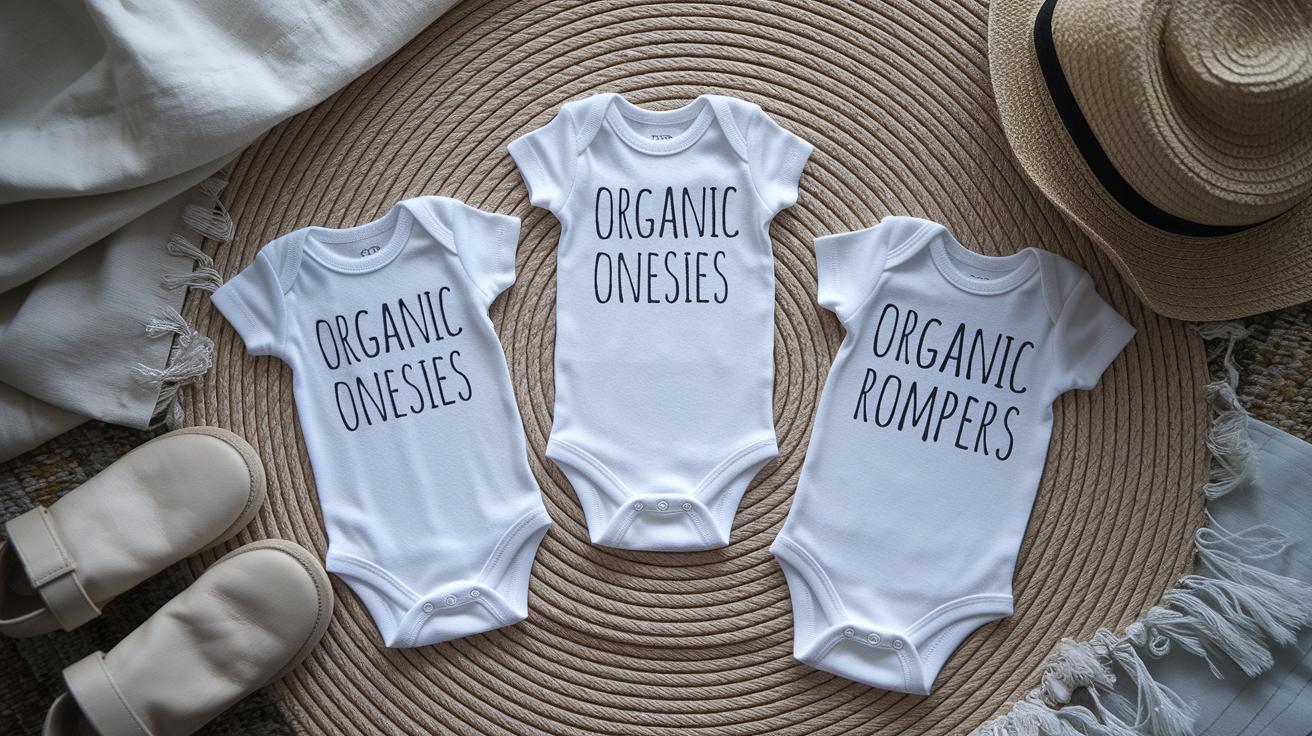
Planning an eco-friendly baby wardrobe can be both wallet-friendly and kind to the earth. Imagine soft organic onesies, usually priced between $18 and $30, and bamboo rompers, which run around $25 to $40. They’re gentle on your baby's skin and built to last, making them a lovely everyday choice.
You might also love the idea of exploring second-hand finds. These gently used pieces can cost 50 to 70 percent less than new ones while still offering plenty of charm. And if you enjoy a bit of variety, rental or subscription services offer a rotating wardrobe for about $25 to $35 a month, perfect for keeping your baby’s style fresh without overspending.
Remember, bundle deals and end-of-season sales can drop prices by 20 to 40 percent. By investing in durable pieces, you won’t need to replace outfits as often, saving you money in the long run.
| Item | Price Range |
|---|---|
| Organic cotton onesies | $18–$30 |
| Bamboo rompers | $25–$40 |
| Rental services | $25–$35 per month |
Every smart purchase builds a greener, budget-friendly wardrobe that cares for both your baby and the planet. Enjoy the journey of finding those perfect pieces that make your heart smile.
Eco-Friendly Care for Natural Baby Clothing
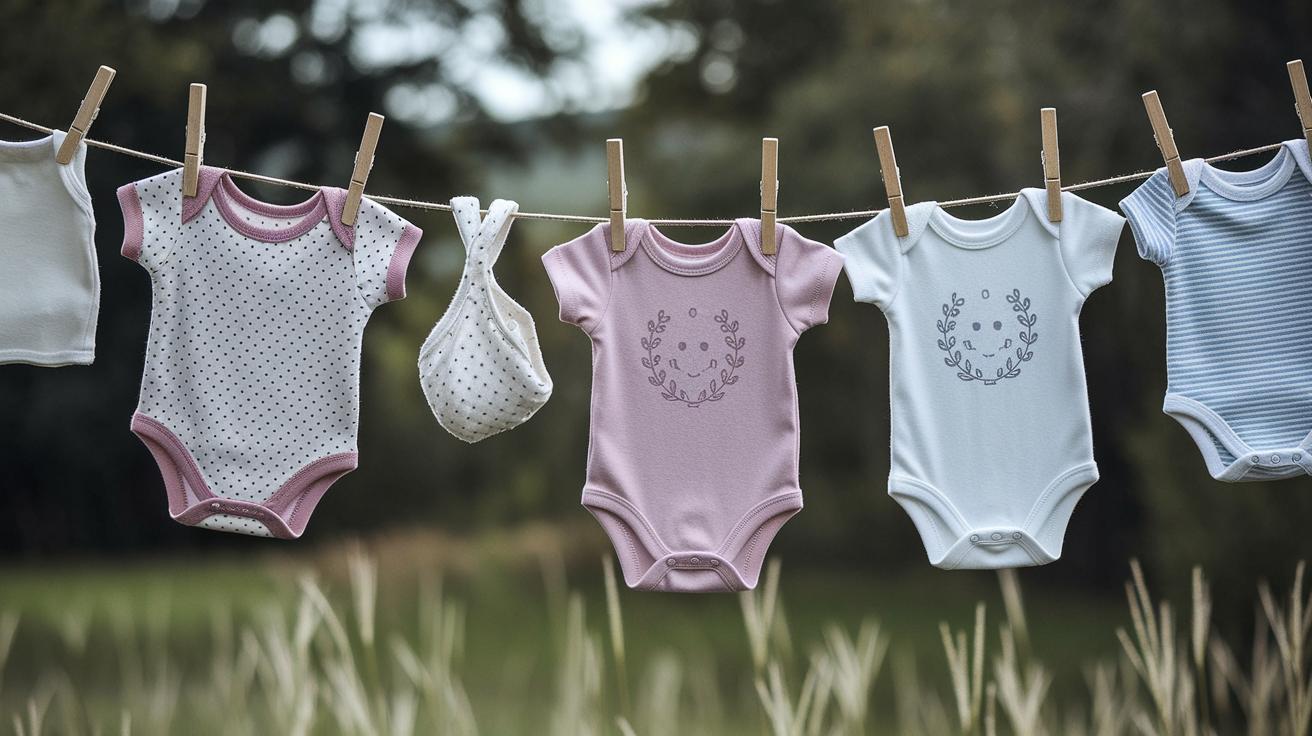
When it comes to caring for your baby’s clothes, gentle is always best. Wash natural sleepwear and organic cotton onesies in cold water (around 60°F/15°C) using a biodegradable, fragrance-free detergent. It’s like giving your little one a soothing, natural bath that protects the soft fibers without any harsh chemicals.
Use a gentle or delicate cycle to help keep textures soft and reduce wear and tear on each piece. When drying, line-drying outdoors is ideal, or choose a low heat setting on your tumble dryer to prevent shrinkage. Instead of bleach or fabric softeners that can leave unwanted traces, try white vinegar, it naturally softens fabrics without extra chemicals.
For stains, a little pre-treatment goes a long way. A dab of baking soda paste or castile soap can work wonders, keeping a favorite onesie as charming as ever. And storing clothes in breathable cotton bags helps keep mold and odors away, ensuring everything stays fresh and ready for your baby.
Following these eco-friendly care tips means every piece lasts longer, keeping your baby’s clothes safe on their skin and kind to our planet.
Emerging Trends in Sustainable Infant Fashion
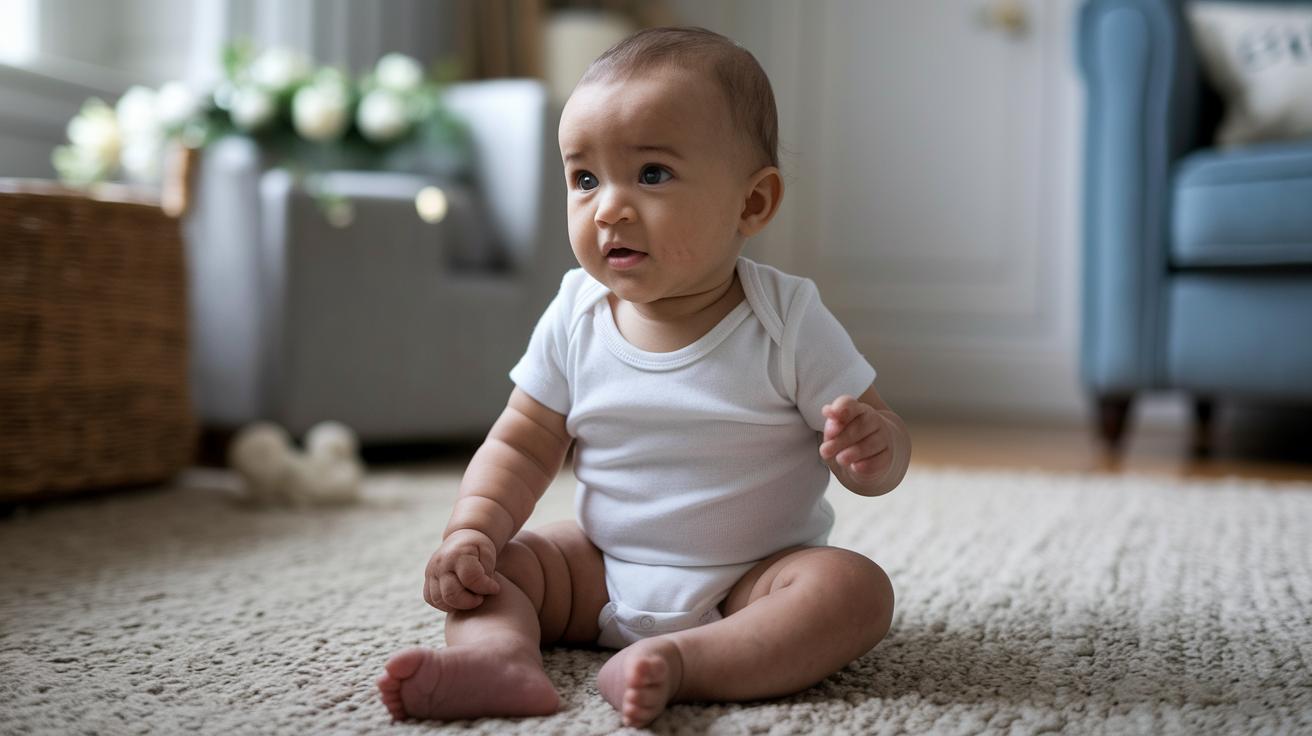
New, exciting changes are reshaping baby clothes by blending style with care for our planet. Think of plant-based dyes, like turmeric and indigo, that help lower water pollution by almost a third. And imagine your little one wearing a cute outfit printed with modern techniques that use a lot less water than old-fashioned methods. These advances in eco-friendly fabrics make baby outfits that are both gentle and truly stylish.
Materials like TENCEL and modal, made from wood pulp harvested responsibly, are becoming favorites. They feel silky-smooth on your baby's skin and support a kinder way of making clothes. Plus, innovative upcycled fabrics give a second life to materials that might otherwise go to waste. These clever ideas not only cut down on waste, they also add a special, unique touch to every piece.
A small, curated baby wardrobe is emerging as a smart way to avoid unnecessary buying. Choosing a few well-loved pieces can simplify your mornings and ensure your baby wears a range of high-quality, ethical outfits. On top of that, sourcing materials from regenerative farms helps rebuild soil health, nurturing the natural fibers in your child’s clothes. New tech like RFID tags even lets you track each garment’s life cycle, making recycling easier and giving you clear insight into its journey.
Imagine for a moment: every baby outfit carries a promise. A promise that care for our planet is stitched into every thread.
Final Words
In the action, we've explored what makes sustainable baby clothes a smart choice for modern families. We talked about the benefits of eco-friendly infant apparel, compared different fabrics, and looked at how certification marks back our choices. We even shared ways to stretch your budget while caring for your baby’s delicate garments. These tips and facts can help you feel confident in your buying decisions, knowing you're supporting ethical and eco-friendly practices. Keep making choices that bring safety, comfort, and joy to your little one.
FAQ
What sustainable baby clothes brands are available?
Sustainable baby clothes brands offer infant apparel made from organic materials like cotton and bamboo. They focus on gentle production practices and fair labor, giving parents peace of mind while dressing their little ones.
How can I find sustainable baby clothes for boys?
Sustainable baby clothes for boys are crafted using eco-friendly materials and ethical labor practices. They often come in gender-neutral designs, ensuring both style and comfort for active, playful boys.
What makes organic cotton baby clothes made in the USA special?
Organic cotton baby clothes made in the USA benefit from locally sourced materials and strict domestic standards. They provide soft, chemical-free fabrics that are gentle on sensitive skin and supportive of ethical production.
What are the best sustainable baby clothes options?
The best sustainable baby clothes options combine eco-friendly materials with comfort and durability. They feature natural fibers and certified ethical production methods, making them a smart and safe choice for your baby.
Where can I find a sustainable baby clothes boutique?
A sustainable baby clothes boutique curates eco-friendly selections, featuring organic and natural infant wear. These boutiques highlight transparency in sourcing and ethical manufacturing, making shopping both simple and reliable.
Are there 100% sustainable baby clothes available?
Yes, 100% sustainable baby clothes are crafted entirely from organic, natural fibers. They emphasize minimal water use and non-toxic processes to deliver safe, durable garments for your little one.