
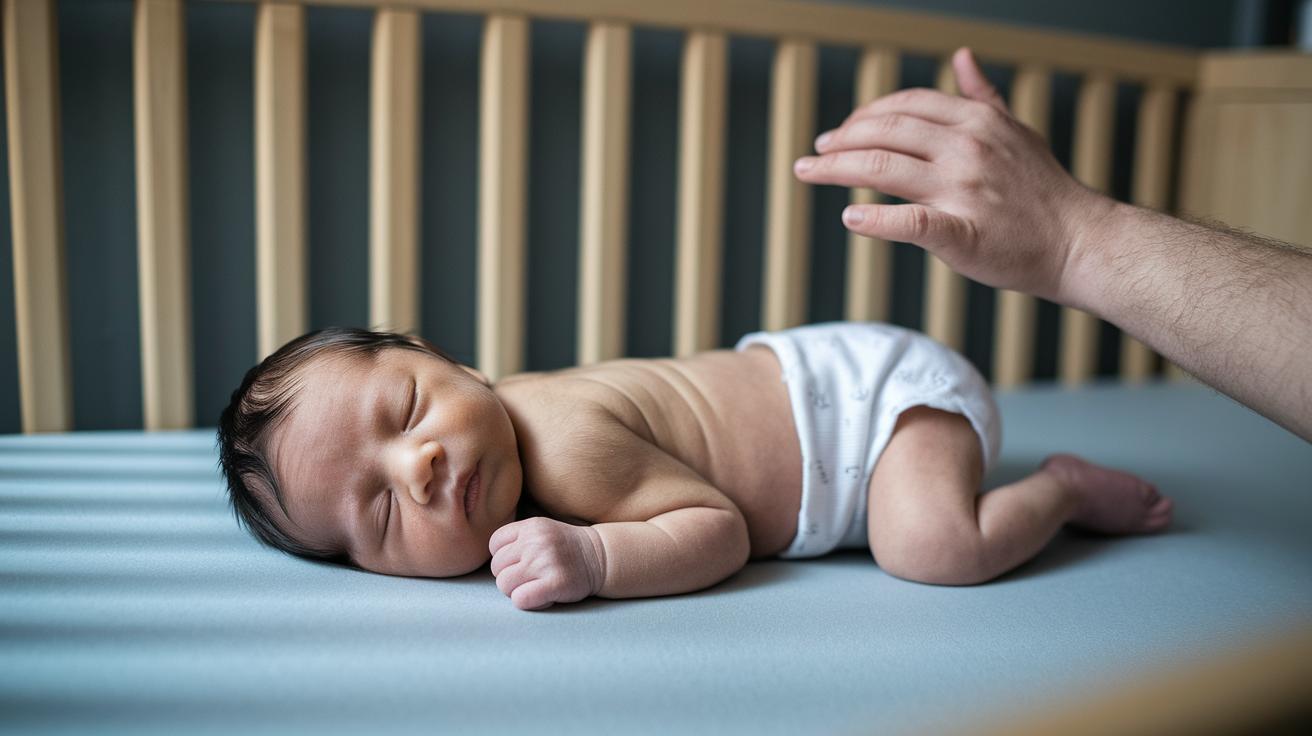
Have you ever wondered if a soft pillow might be more than just gentle for your newborn? Experts say that keeping pillows out of the crib is the safest choice for our little ones. Even a small pillow can raise risks during sleep, so a bare, firm mattress is best.
Imagine your baby snugly resting on a firm mattress, feeling a secure, cozy hug from a perfectly set up sleep space. No fluffy distractions, just the pure, calming comfort they need for a peaceful sleep.
In this blog, we share clear and trusted advice to help you create a secure sleeping environment for your baby’s first precious months. We know how important it is to feel confident and at ease when setting up your little one's sleep space.
We’re here to support you every step of the way as you make your baby’s room a safe and loving retreat.
Newborn Pillow Safety: Can a Baby Sleep on a Pillow?
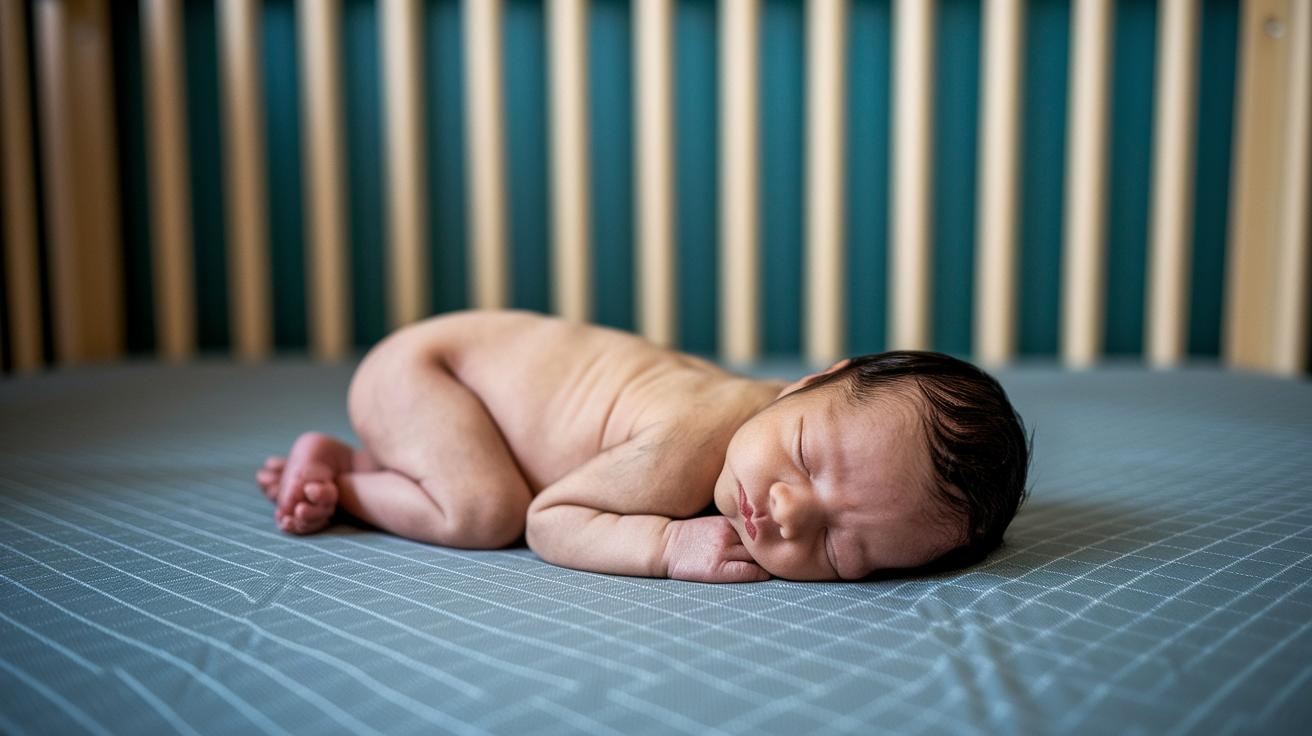
Pillows beneath a newborn’s head aren’t safe. Doctors and trusted health experts tell us that adding pillows, blankets, bumpers, or toys in a crib can greatly raise the risk of SIDS, sometimes by as much as 50%. That’s why little ones should only sleep on a firm mattress with a snug, fitted sheet. These safe sleep practices come straight from trusted pediatric guidelines, reminding us that a crib free of soft items is key during those first 12 precious months.
The American Academy of Pediatrics also says that keeping the sleep area clear is essential for your baby’s safety. For more details, check out the safe sleep guidelines at https://bsnuggs.com?p=. It’s best to hold off on any pillow use until your child is mature enough to handle it safely. This advice, backed by solid medical research, can help ensure your baby enjoys a healthier, safer sleep routine.
Key Risks of Pillow Use in Newborn Sleep
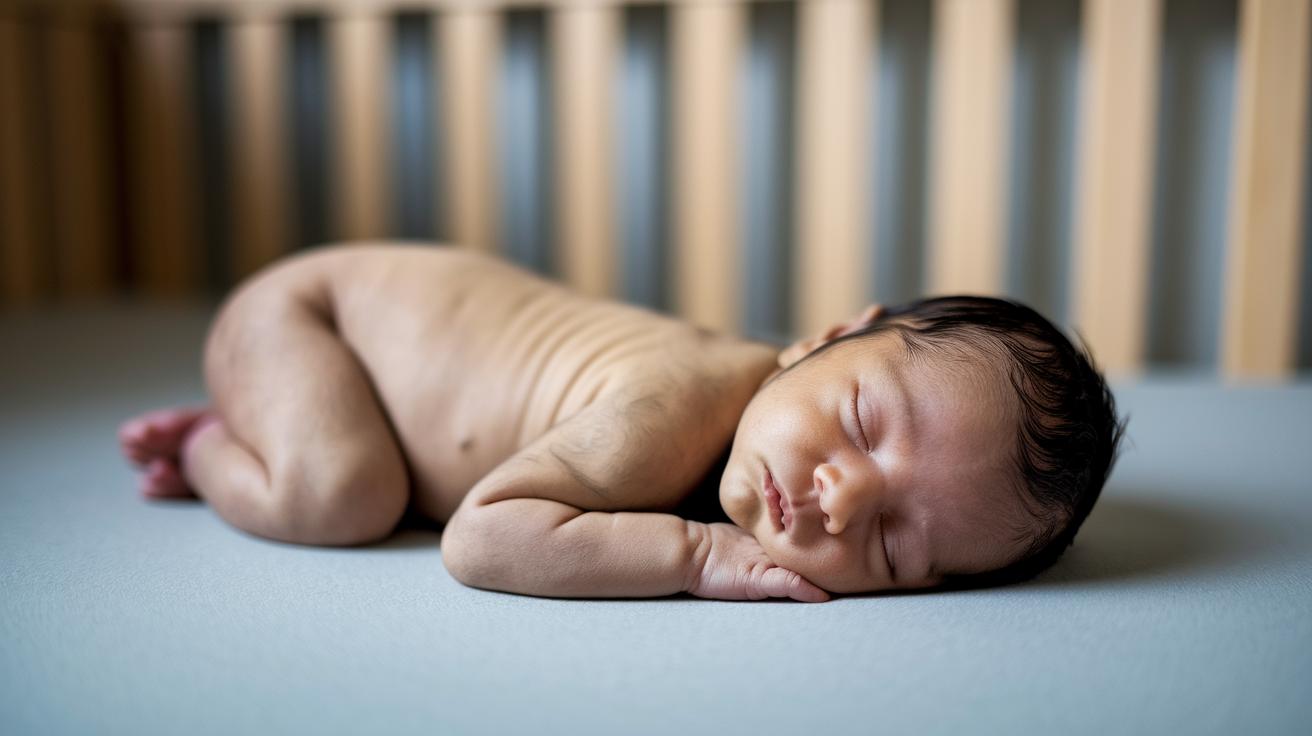
When babies sleep with a pillow, it can lead to serious safety issues. Newborns have little neck control, so soft bedding may accidentally block their breathing. In fact, experts warn that a pillow resting too near a baby’s face could easily become a suffocation risk.
Using a pillow might also increase the chance of flat-head syndrome, where a baby’s head doesn’t form evenly. That’s why many professionals recommend plenty of supervised tummy time, it helps strengthen those tiny neck muscles and guides proper head shaping.
• Soft materials can block a baby’s airway, causing breathing challenges.
• A pillow might cover a baby’s face, raising suffocation risks.
• Flat-head syndrome can occur, which is why tummy time is so important.
For your little one’s safety, keeping the sleep area free of soft objects remains the best choice.
AAP-Endorsed Safe Sleep Environment for Newborns
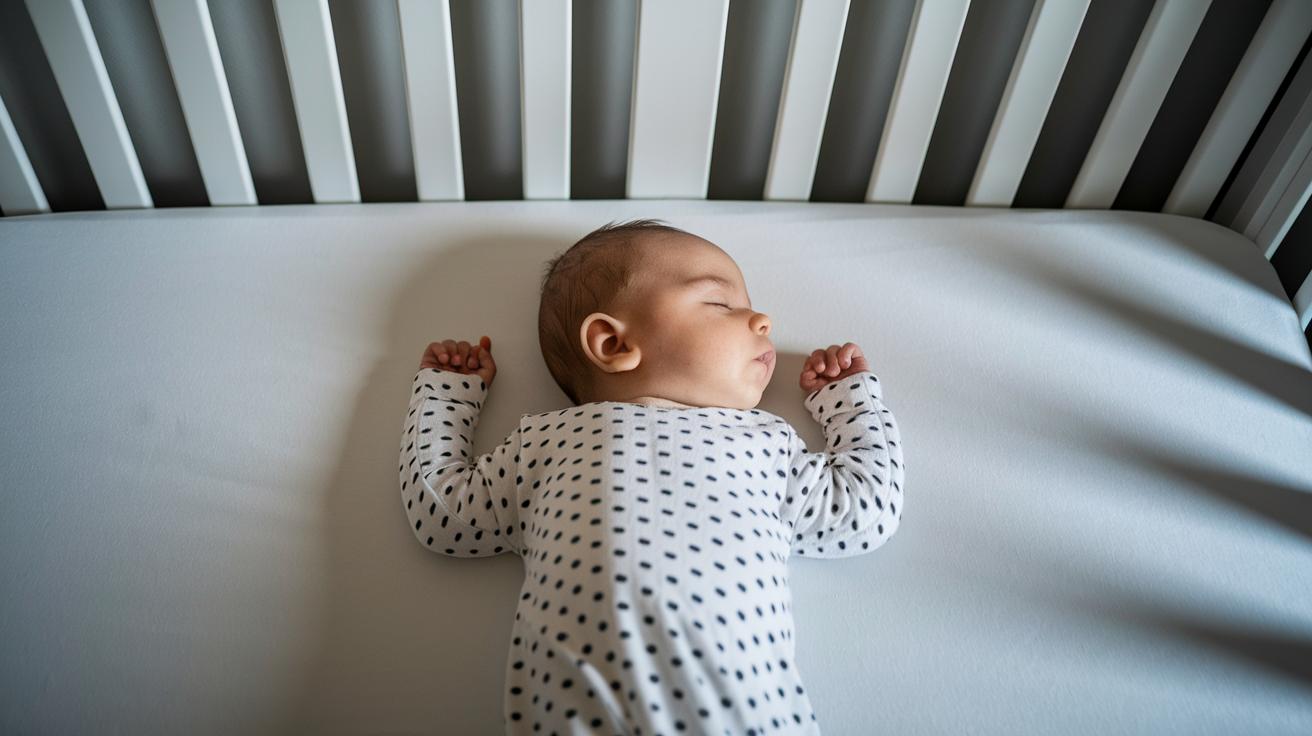
Making sure your baby has a safe and cozy sleep space is one of the best gifts you can give them. Experts advise that babies under one year should sleep on a firm, flat mattress with only a snug fitted sheet. This simple setup helps reduce the risk of breathing problems and keeps their airways clear.
Here are a few easy steps to keep the crib safe:
- Use a firm, flat mattress with a snug, well-fitted sheet.
- Keep soft items like pillows, loose blankets, bumper pads, and stuffed toys out of the crib.
- Remove electrical cords, baby monitors, and any loose items from near the crib.
- Avoid placing shelves or mirrors close to the crib.
- Check the sleep area regularly to ensure it stays safe.
By following these friendly tips, you'll create a sleep space that not only meets expert recommendations but also gives you peace of mind every time you tuck your little one in.
Safe Sleep Alternatives: Supporting Newborn Head Without a Pillow
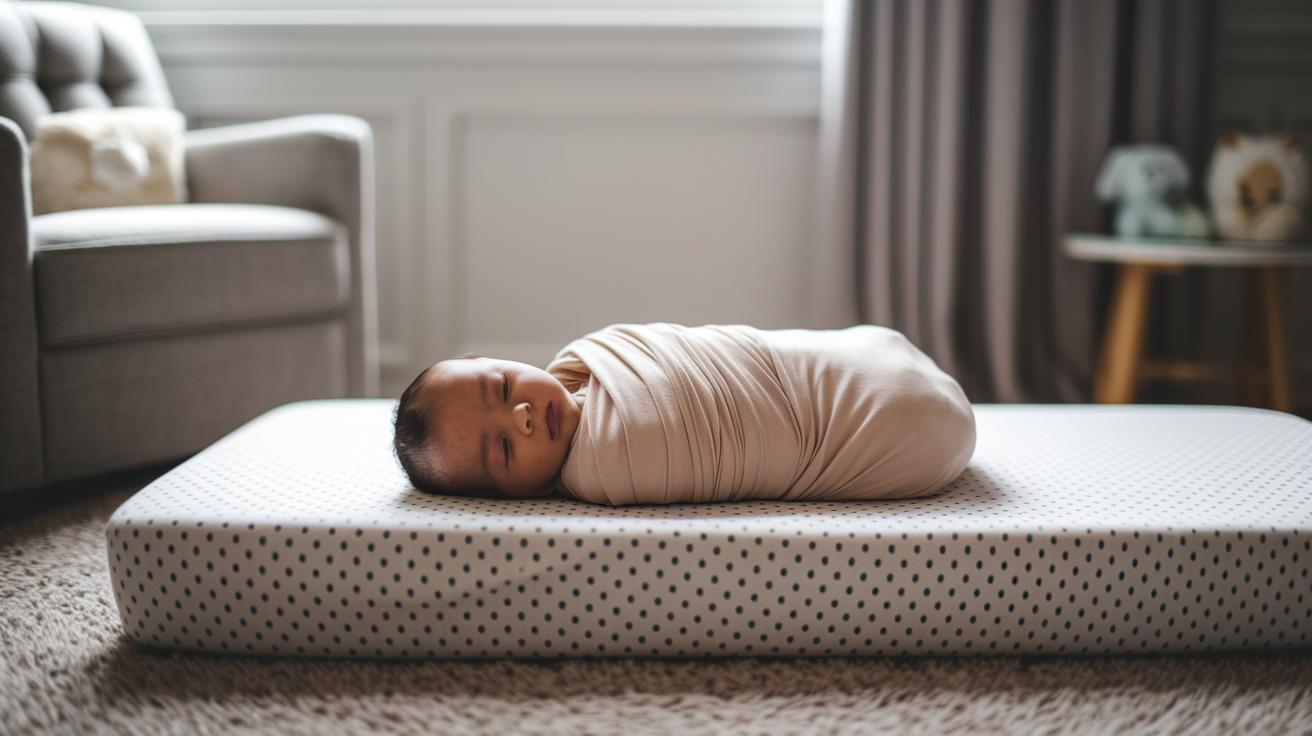
When it’s time for your little one to sleep, choosing a safe, pillow-free option makes all the difference. Instead of traditional pillows, soft swaddles and cozy sleep sacks help keep your baby snug and cradled with care. A firm mattress with a well-fitted sheet gives steady, even support and helps create a calm sleep space. Devices that claim to support the head can pose the same risks as pillows, so it’s best to stick with these trusted alternatives. Sleeping flat on the back remains the easiest and safest way to keep your baby’s airways clear.
| Alternative | Description | Safety Notes |
|---|---|---|
| Swaddle | A gentle wrap that feels like a warm hug, keeping those tiny arms and legs secure. | Helps prevent loose fabric from covering your baby’s face. |
| Sleep Sack | A wearable blanket that keeps your baby warmly enclosed without the need for extra bedding. | Keeps your baby safe by reducing the risk of suffocation while allowing free arm movement. |
| Firm Mattress | A steady, flat surface covered with a snug fitted sheet that distributes your baby’s weight evenly. | Supports even weight distribution and allows for safe, clear breathing views. |
These alternatives let you support your baby’s head safely, without the risks of traditional pillows. They create a stable, secure environment so your child can rest soundly, giving you peace of mind with every quiet nap.
Introducing Pillows: Age and Developmental Guidelines
Age Recommendations
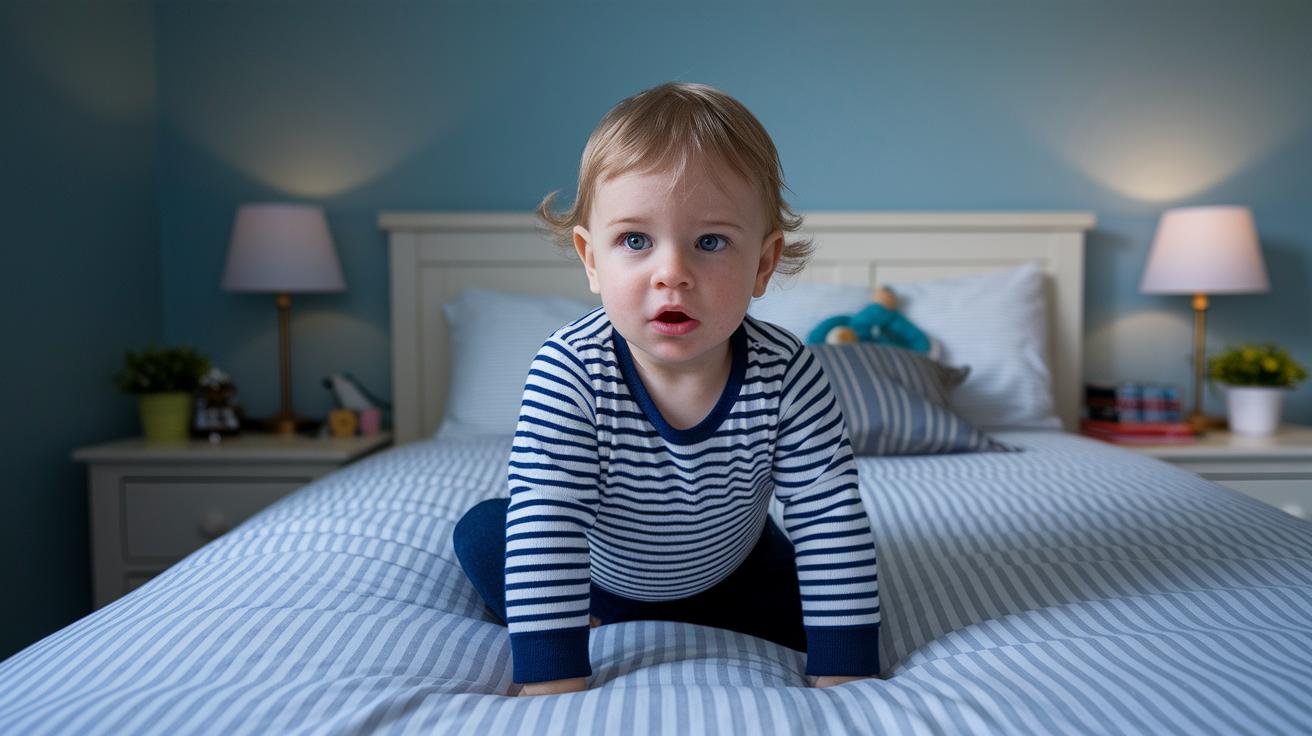
Before adding a pillow to your little one’s sleep space, it’s best to wait until they are at least 12 months old. Doctors and experts agree that a baby under one year simply isn’t ready; their neck muscles aren’t strong enough for soft bedding. Think of it like a firm crib mattress with a snug fitted sheet, that’s all a newborn needs. Waiting until their first birthday helps ensure they can adjust if something feels off, keeping their sleep spot safe and steady.
Developmental Milestones
Around one year old, you’ll start to notice your baby gaining better neck control. They might even begin turning from back to side without much fuss. These little wins are a sign they’re ready for a toddler pillow. At this stage, a foam-filled pillow with a low loft (no more than 2.5 cm) works best to keep their airways clear and support proper alignment during sleep. When you see these skills developing consistently, it’s a gentle cue that you can begin transitioning to a softer, kid-friendly pillow.
Selecting the Right Toddler Pillow When Age Appropriate
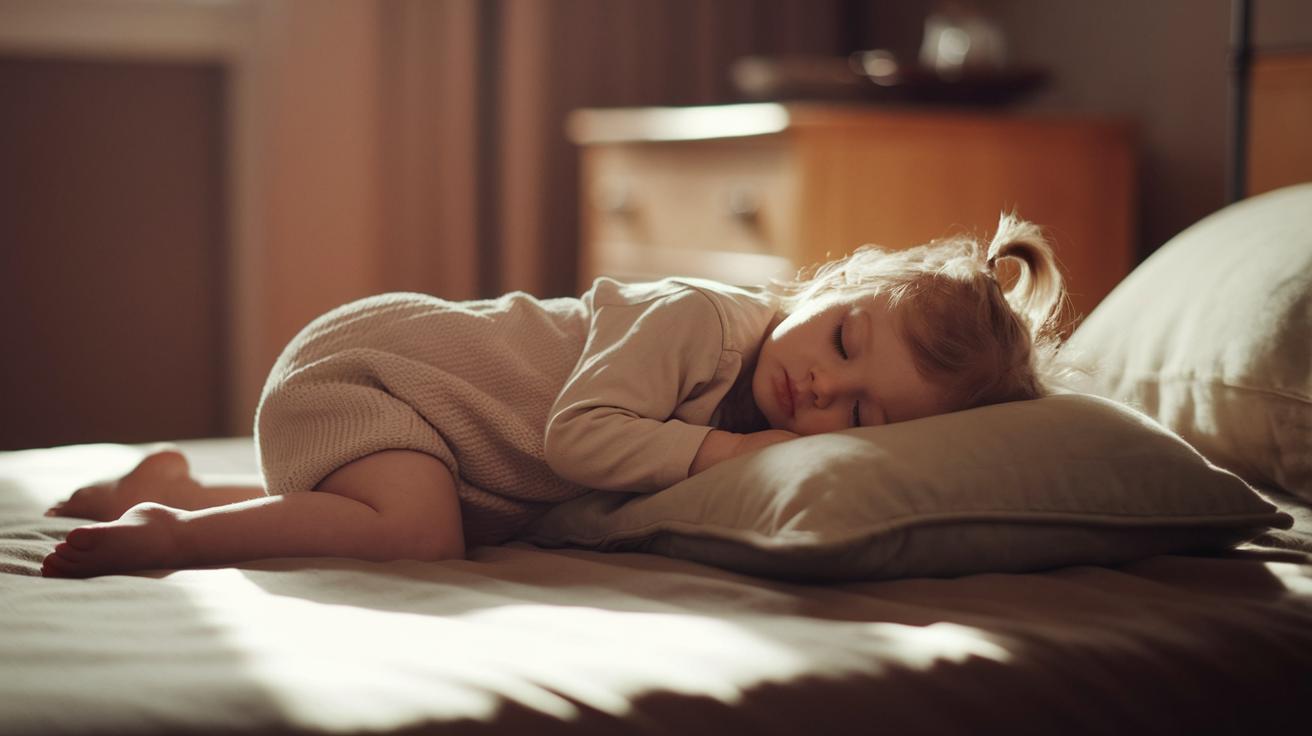
When your little one turns around 12 months old and their head and neck are steadier, it might be just the right time to try a toddler pillow. A well-chosen pillow supports your child's head in a gentle way while helping keep their growing body aligned correctly. Look for one that’s filled with good-quality foam, offering just the right mix of firmness and softness, with a low profile, around 2.5 centimeters, to support healthy sleep posture.
It’s also important to pick a design made with breathable materials so your child stays cool and cozy all night. Some pillows even come with dual-height options that grow along with your tot, which means you won’t have to worry about replacing it too soon.
Here's a simple guide to help you choose the best option:
| Feature | What to Look For |
|---|---|
| Material | High-quality foam that feels firm yet gentle |
| Height | A low profile, ideally around 2.5 centimeters for proper support |
| Breathability | Designs that promote good airflow for extra comfort |
| Safety | Certifications that meet trusted pediatric sleep accessory standards |
Choosing the right pillow isn’t just about sleep, it’s about giving you peace of mind while your little one rests safely and soundly.
Final Words
In the action, we reviewed newborn pillow safety, highlighting key risks like suffocation and SIDS. We discussed why a firm mattress with a tight‐fitted sheet is best until at least 12 months. We also offered safe sleep alternatives that give gentle head support while keeping your baby secure. Most importantly, our talk showed that proper newborn sleep set-up gives peace of mind. Remember, can newborn sleep on pillow? Not until they’re older, making it a smart step in caring for your little one’s safety and comfort.
FAQ
Can newborns use pillows safely, and for how long?
The use of pillows for newborns increases risks like suffocation and SIDS. Experts advise avoiding pillows entirely until after 12 months to maintain a safe and clear sleep environment.
Does using a pillow put a baby’s back at risk?
The presence of a pillow can affect a baby’s delicate spine and neck, potentially causing improper support during sleep. A firm, flat sleep surface is always recommended.
When is it safe to introduce a pillow for a baby, such as a 7-month-old?
Even for a 7-month-old, using a pillow is not recommended. Health experts agree that pillow use should be delayed until after 12 months when neck strength and mobility are better developed.
Is elevating a baby’s head while sleeping or having them sleep propped up safe?
Elevating a baby’s head with a pillow or propping them up is unsafe. A flat, firm sleep surface is best for keeping airways clear and reducing the risk of breathing difficulties.
Can a baby sleep on a pillow in a bassinet?
The placement of any soft items, including pillows, in a bassinet is unsafe. For proper sleep safety, cribs and bassinets should remain free of pillows, blankets, and toys.