
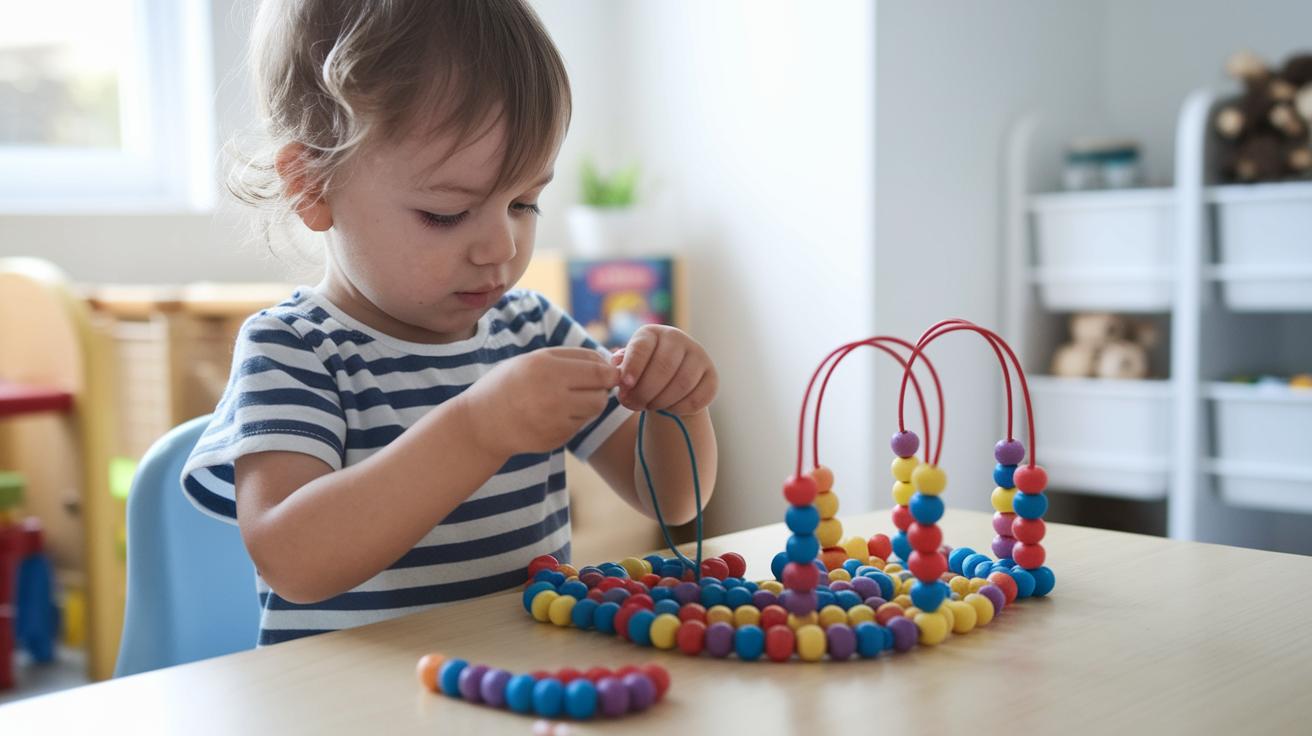
Have you ever thought that playtime might do more than just spark giggles? When your little one touches toys that help build fine motor skills, they’re not only having fun, they’re also building strength for everyday tasks like buttoning a shirt or tying a shoe.
Imagine each toy turning a simple move into a giant leap in your child's growth. It's a bit like switching from chunky crayons to drawing detailed pictures, where every little touch helps pave the way to a bright future full of skills. With every small win, you can see your child's confidence blossom right along with those tiny hands.
How Fine Motor Skills Toys Benefit Early Development
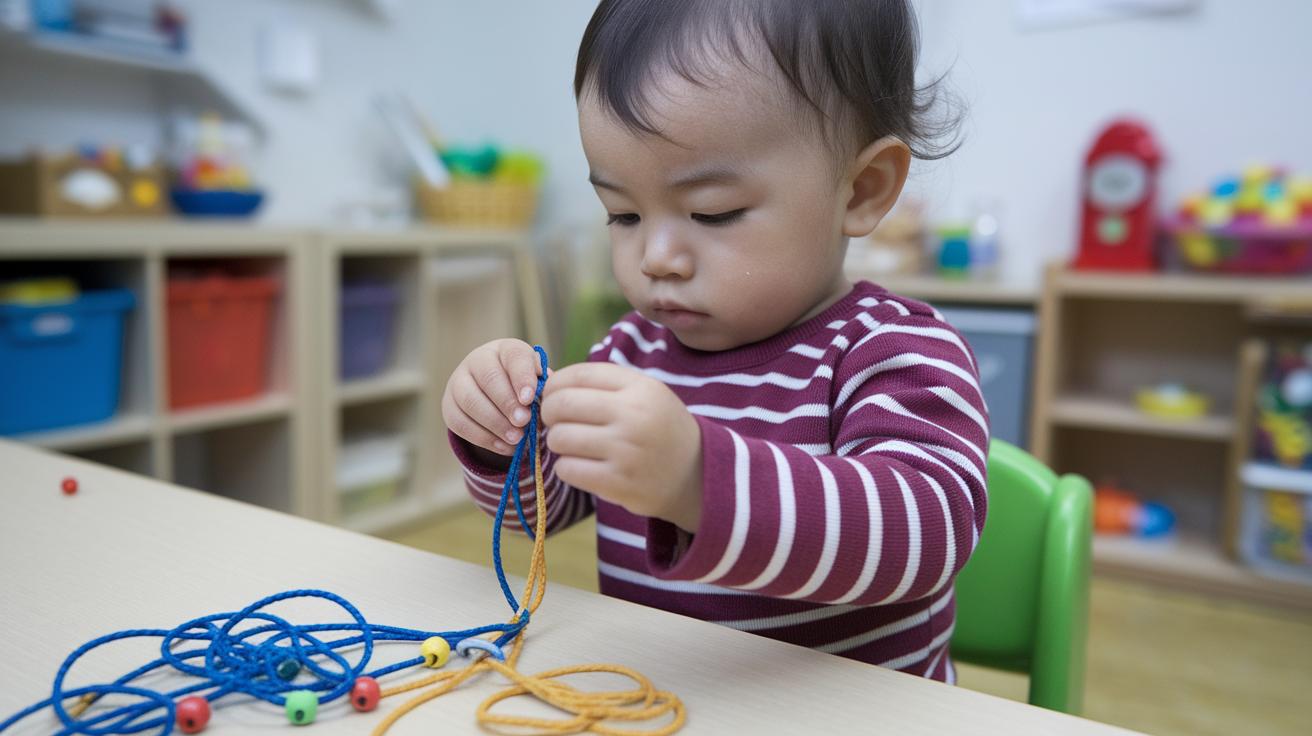
Fine motor skills toys help little ones grow by making their tiny hand muscles stronger. They turn everyday tasks, like buttoning a shirt or tying a shoe, into fun playtime. These toys give parents and occupational therapists a way to let kids learn without any pressure, making playtime both safe and exciting.
Playing with these toys also builds hand-eye coordination and encourages careful movements. Imagine a child threading colorful beads with little laces while giggling at every small success. It’s a bit like starting with chunky crayons on a big piece of paper, a simple step that eventually leads to great skills. Every touch builds confidence and makes those small hands even sharper.
As kids play, they're learning to use both hands together. This makes their bilateral coordination stronger, which is a big step toward handling more challenging tasks as they grow. Every day, these playful moments help their capabilities blossom, turning simple play into lifelong skills.
Age-Specific Fine Motor Skills Toys: From Infants to Preschoolers
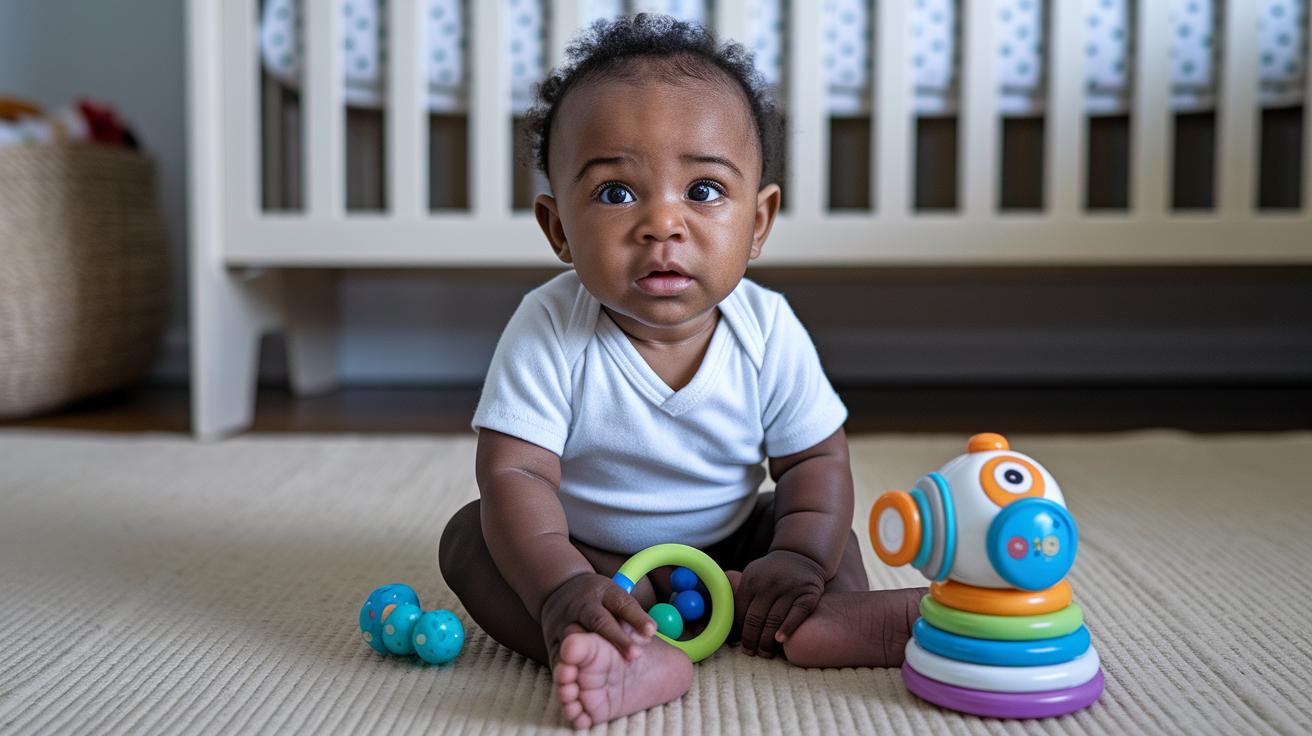
For little ones aged 3 to 6 months, the Winkel Rattle & Teether is a gentle introduction to play. It encourages infants to grab and explore by bringing it to their mouth, helping build early hand strength with every touch.
Around 6 months, the Baby Einstein Musical Toy is perfect for budding explorers. It lets babies practice grasping and button-pressing so that by 8 or 9 months, their skills naturally grow while they have a blast.
At 9 months, try a Pop-Up Toy that turns playtime into an active lesson in coordination. With knobs to twist and flaps to slide and pull, it reveals little surprises that invite curious hands to explore again and again.
When your child turns 12 months, Honeysticks chunky crayons are a delightful way to introduce a proper scribble grip. Think of it like drawing those first squiggly lines that slowly blossom into confident doodles.
For toddlers around 18 months, the See & Say toy is a fun way to practice using both hands at once. One hand holds a handle while the other pulls a lever, mirroring the everyday tasks they start to manage.
By the age of 2, the Melissa & Doug Cutting Fruit set comes in handy as a playful tool to build coordination. Its Velcro "cut" play mimics real-life actions, making it a safe and engaging way to practice new skills.
At 3 years old, a fun game with counting dinosaurs, colorful cups, and tongs helps preschoolers match colors and shapes. It also improves their grip and precision, turning learning into an enjoyable adventure.
Every toy here is thoughtfully selected by occupational therapists. They are designed to grow with your child, supporting key milestones while keeping playtime joyful and full of discovery.
Top 10 Fine Motor Skills Toys by Category
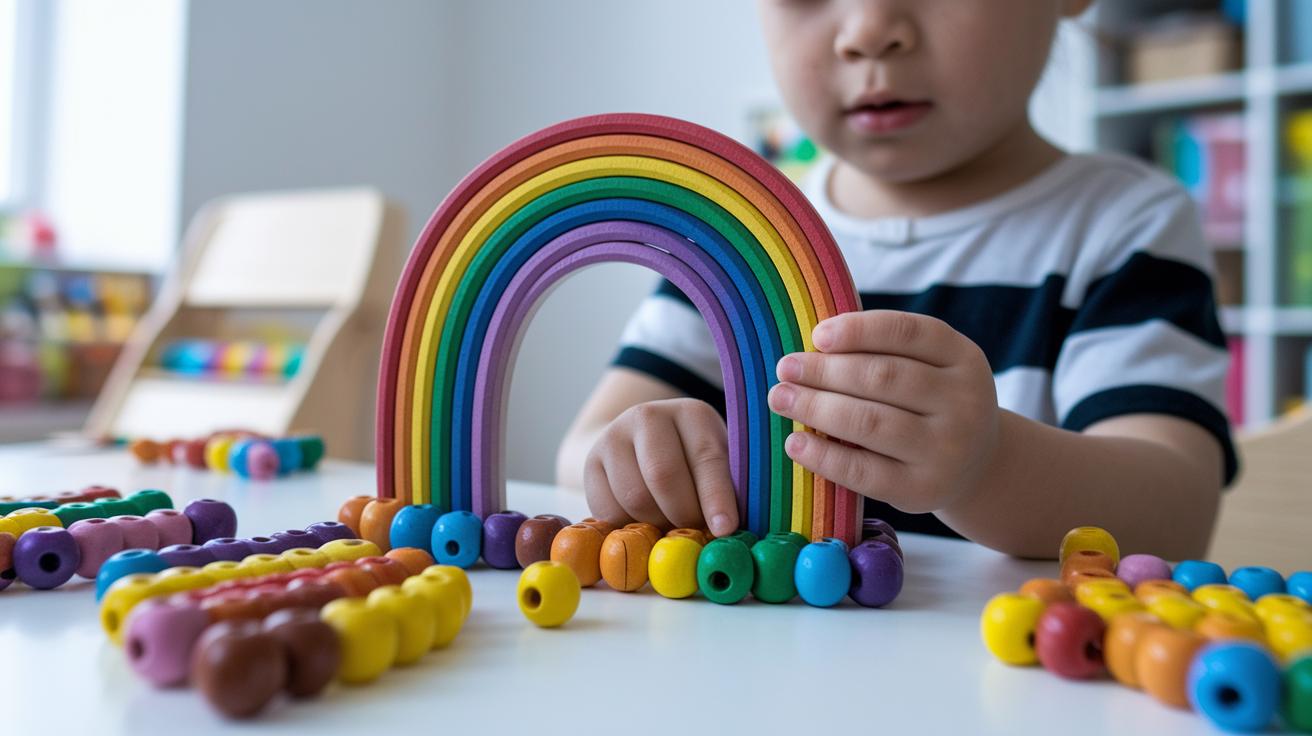
Wooden Beads & Laces invite little ones to enjoy threading fun. Each bead becomes a delightful chance to explore creativity. Kids practice hand-eye coordination by arranging beads into colorful patterns. Picture a child carefully lining up beads in a rainbow order, it’s a sweet way to build focus and fine motor skills.
Play-Doh Modeling Clay gives children a soft, squishy tool for imaginative play. As they roll, mold, and squish the clay, their little hands grow stronger and more nimble. It’s like making tiny shapes that feel as gentle as a whisper. Every squeeze is a small step toward better muscle control.
Squigz Silicone Suction Toys add a playful pop-apart twist that challenges finger control. Children delight in pulling pieces apart and snapping them back together, turning playtime into a fun exercise in precision.
Magna-Tiles Magnetic Tiles bring geometry into everyday adventures. As kids create both flat designs and little 3D structures, they boost their sense of space and practice careful manual skills while exploring different configurations.
Learning Resources Handy Scoopers turn moving tiny objects into a cheerful challenge. Scooping beans or beads with these fun tools helps kids refine their precision and gentle hand movements with every try.
Melissa & Doug Cutting Food sparks an imaginative pretend-cutting experience using Velcro pieces. Every snip-like gesture is a fun way to sharpen hand-eye coordination while keeping the play safe and engaging.
Bilibo Open-Ended Shell invites creative stacking and nesting. This versatile toy encourages various motor challenges and nurtures imaginative play in a warm, playful way.
LEGO Duplo Blocks are made just right for little hands. Their oversized design makes every gentle build a confidence booster, helping kids develop strength and creativity.
Tobbly Wobbly Egg offers delightful sticker placement fun. Kids learn to steady their fingers as they carefully dress the egg with charming accessories, making play both fun and precise.
Wooden Pattern Blocks & Boards challenge children to match specific designs. This engaging activity builds pattern recognition and manual control, all while keeping play vibrant and full of creative possibilities.
Choosing Safe and Effective Fine Motor Skills Toys
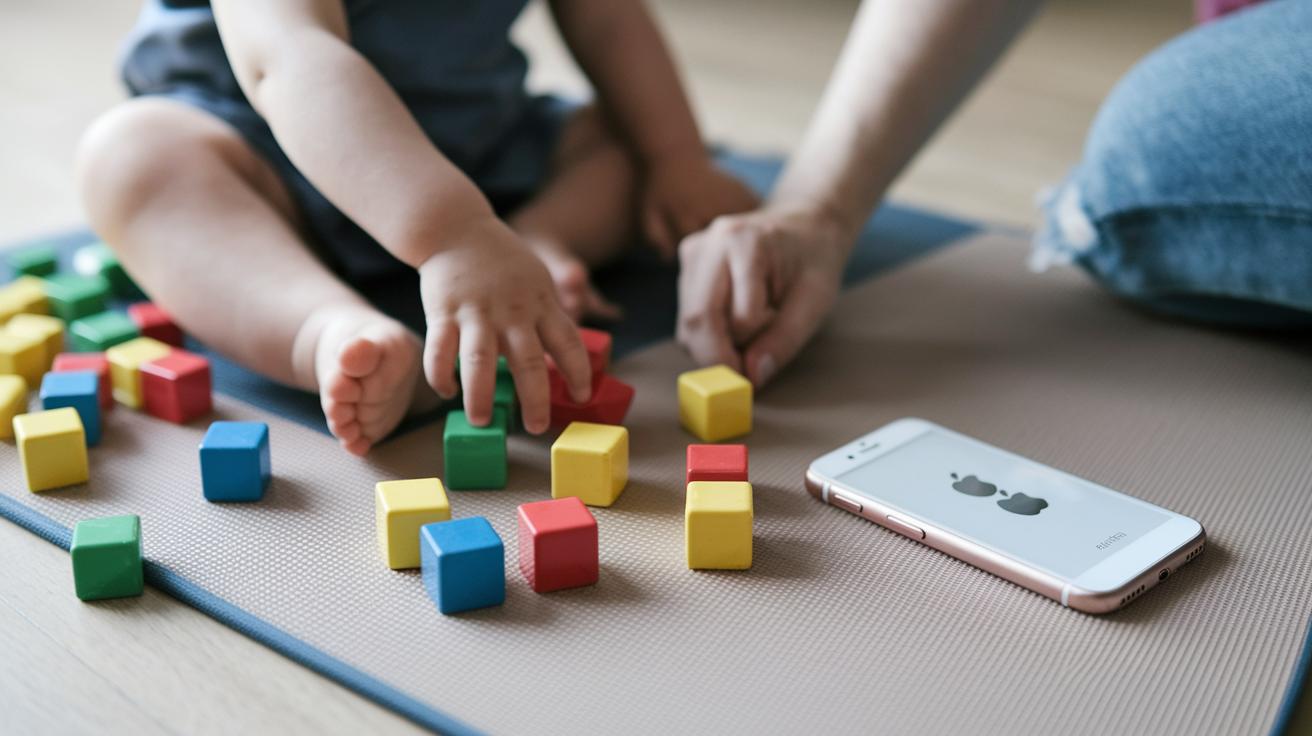
When you’re picking toys for little hands, safety always comes first. It helps to choose items made from non-toxic materials that you trust. Many toys even proudly say "Non Toxic Toys" on their labels, promising chemical-free play that keeps your child's delicate skin safe.
It’s also important that the toys are just the right size for your child. Age-appropriate toys are designed to fit small hands safely, reducing any risk of choking while letting your child explore comfortably. Clear age labeling makes it easy to find the perfect match for your little one’s growing skills.
Durability is another big factor. Toys that help build fine motor skills need to handle lots of playtime without falling apart. Many therapists suggest selecting toys with smooth, rounded edges and easy-to-clean surfaces. These simple design choices not only make cleanup a breeze but also help prevent accidents during play.
Lastly, check for safety certifications like CE or ASTM. These marks are like little seals of approval that give you extra confidence in your choice. With careful attention to these little details, you’re setting up a fun, safe play experience that helps your child learn and grow.
Integrating Fine Motor Skills Toys into Daily Learning and Play
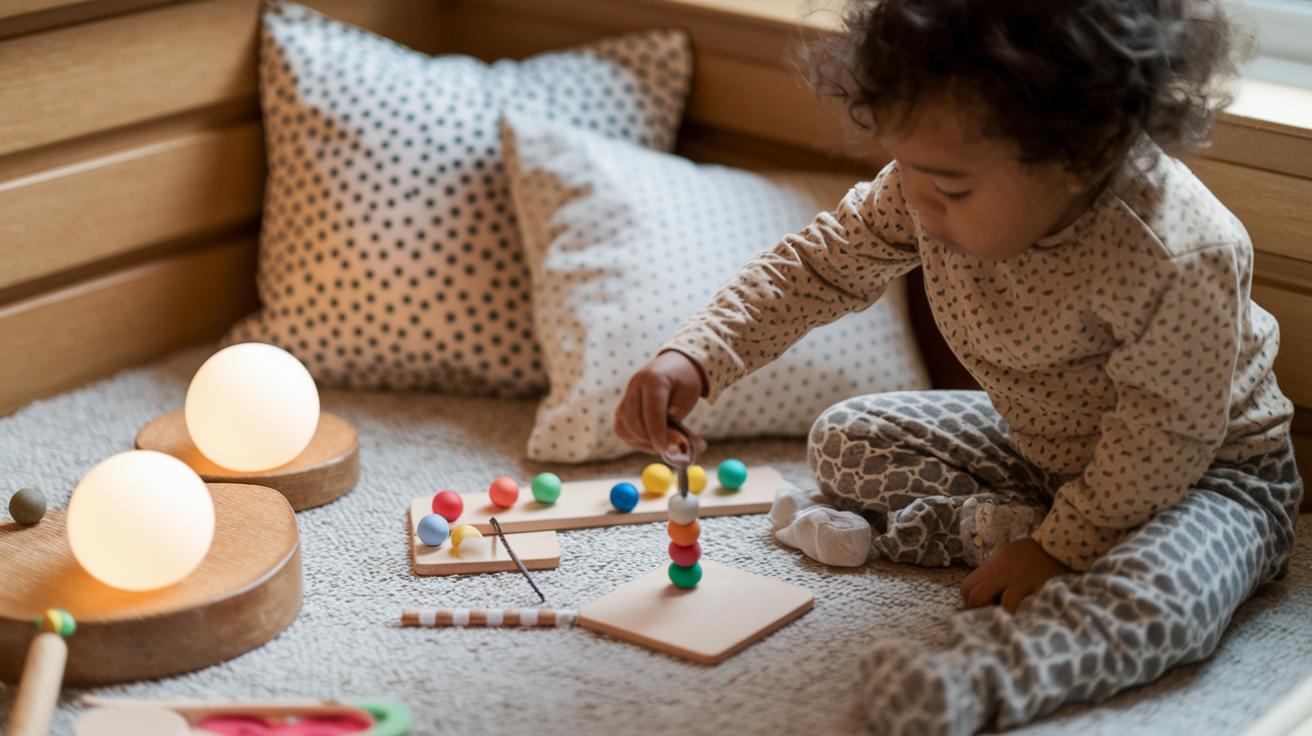
Create a little play nook for your child where they can explore fun hand games. Think of a cozy area filled with age-appropriate toys that invite tiny hands to move and play. Picture a spot with small tongs, bead threading sets, and patterned boards waiting to be discovered. It’s all about letting your child experiment while you cheer them on.
You can also blend these toys into everyday moments. During storytime, let your child handle small objects that echo the pictures in the book. And after a snack, why not set up a quick challenge with a few puzzles or mini building blocks? Ask something playful like, “Can you stack these until they reach your chin?” It’s a sweet mix of cuddles, learning, and hands-on fun.
Keep things fresh by rotating the toy sets every week. Try a small-group dexterity drill or use a simple reward chart to celebrate little wins. With each new setup, daily routines turn into chances for creative play and delightful learning.
Final Words
In the action, we explored how fine motor skills toys support early growth, from encouraging grasp reflexes in infants to boosting hand-eye coordination in preschoolers. We looked at therapist-approved options, safe materials, and fun routines that make learning both engaging and secure.
Every idea shared can help create a play environment that feels safe and nurturing. Let each toy spark joy, making daily play a warm, positive experience for both baby and parent.
FAQ
Fine motor skills toys for 2 year olds
Fine motor skills toys for 2 year olds support hand coordination by using activities like cutting fruit play. Such toys help build strength, encourage bilateral control, and turn daily play into a fun learning experience.
Fine motor skills toys for 5 year olds
Fine motor skills toys for 5 year olds promote precision and creativity. They often include building sets and threading kits that boost hand strength and refine fine movements, giving a playful boost to everyday tasks.
Fine motor skills toys for 1 year olds
Fine motor skills toys for 1 year olds focus on gentle grasping skills. For instance, chunky crayons encourage proper scribbling grip and help improve hand control during early play.
Fine motor skills toys for 7 year olds
Fine motor skills toys for 7 year olds often feature bead threading sets or more challenging puzzles. These toys refine dexterity and encourage attention to detail, supporting creative and precise hand movements.
Fine motor skills toys for 12-18 months
Fine motor skills toys for 12-18 months include items like pop-up toys and chunky crayons. These toys promote grasping, turning, and sliding, laying the groundwork for improved hand-eye coordination.
Fine motor skills toys for 3 year olds
Fine motor skills toys for 3 year olds can include interactive play kits like Counting Dinosaurs. Such toys use tools like tongs and colored cups, helping develop precision and matching skills in a fun way.
Fine motor skills toys for 4 year olds
Fine motor skills toys for 4 year olds typically encourage building and threading. Items like wooden beads and laces help improve hand strength and confidence, making play both engaging and developmentally supportive.
Fine motor skills toys for toddlers
Fine motor skills toys for toddlers introduce basic skills such as grasping and reaching. Simple toys like musical instruments and pop-up examples encourage movement and control during early years.
What toys promote fine motor skills?
Toys like wooden beads, play-doh, and stacking blocks promote fine motor skills by encouraging grasping, squeezing, and applying precise hand movements through active play.
What are 5 fine motor skills?
They include grasping, pinching, handwriting, hand-eye coordination, and object manipulation. Each helps children develop the precise movements needed for daily activities.
What are the big 6 fine motor skills?
The big 6 fine motor skills are grasping, pinching, cutting, writing, object manipulation, and bilateral coordination. Each builds a foundation of hand control beneficial for everyday routines.
Do children with ADHD struggle with fine motor skills?
Children with ADHD sometimes struggle with fine motor skills. Engaging play with supportive toys can help them practice and improve hand coordination in a fun, pressure-free way.