
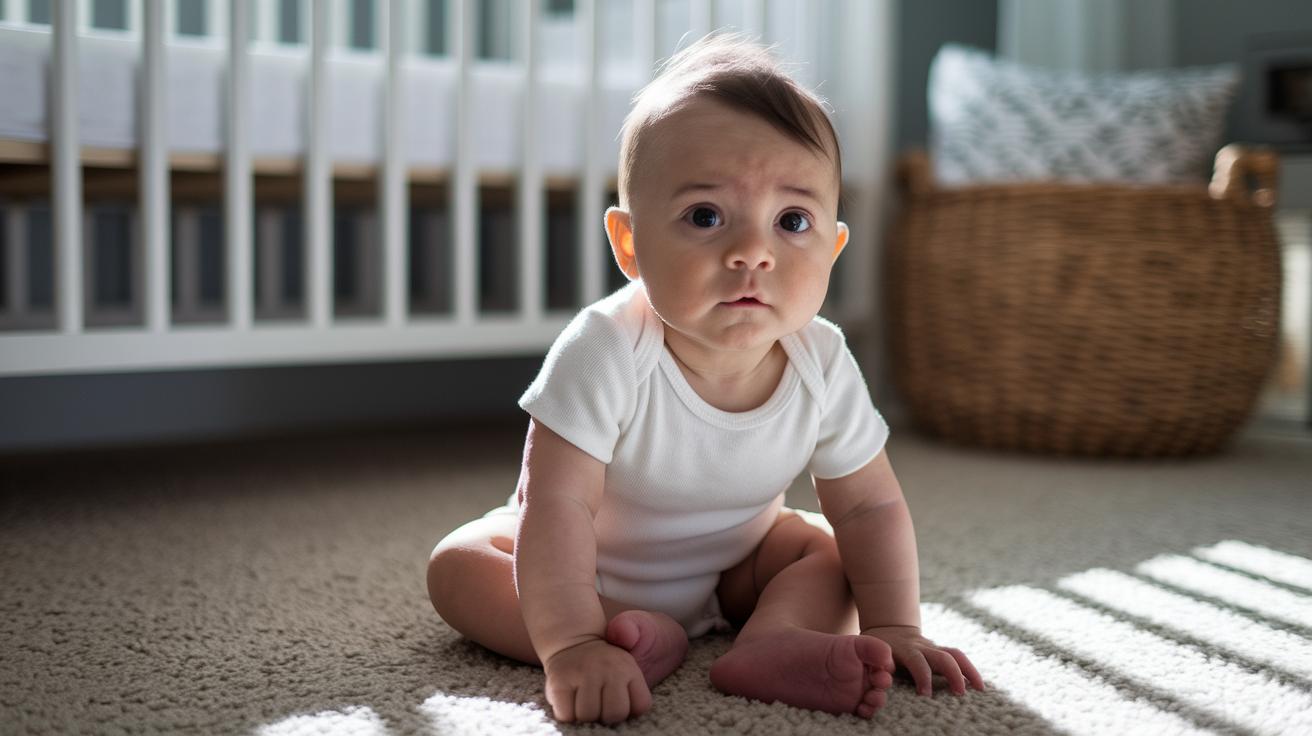
Have you ever thought that your baby's clothes might help calm their allergy symptoms? Organic baby outfits aren't just adorable, they act like a gentle barrier against harsh chemicals that could irritate delicate skin.
Many parents have noticed that these soft, natural fibers feel like a warm hug against their little one’s skin. When you choose organic pieces made without unwanted additives, you’re giving your baby pure comfort and daily protection.
It’s a simple, caring way to help guard against allergies and keep your baby cozy and safe.
Organic Baby Clothing and Allergies: Pure Comfort
Organic baby clothing helps lower allergy risks by using fabrics grown without synthetic pesticides, herbicides, or harsh chemicals. This means each piece acts like a gentle shield, protecting your little one's delicate skin. Imagine clothing so soft it feels like it was crafted with extra love. Many parents have shared how choosing organic options has eased irritating skin reactions in their babies.
Organic materials like cotton and bamboo feel buttery-soft, let your baby breathe, and help keep moisture away. Think of it as a cool, soft cloud that keeps your baby comfortable, even on warm days. The natural fibers let fresh air circulate, which helps reduce rashes or eczema. Not only do these fabrics protect the skin, but they also create a safe, worry-free environment for your baby.
When clothing is certified organic, it means every garment has been carefully checked to ensure there are no harmful chemicals. This safe approach lowers the risk of allergies like eczema and dermatitis. By choosing certified organic apparel, you’re giving your baby the best start in a loving, natural, and nurturing way.
Natural Fabrics for Allergy-Prone Baby Clothing
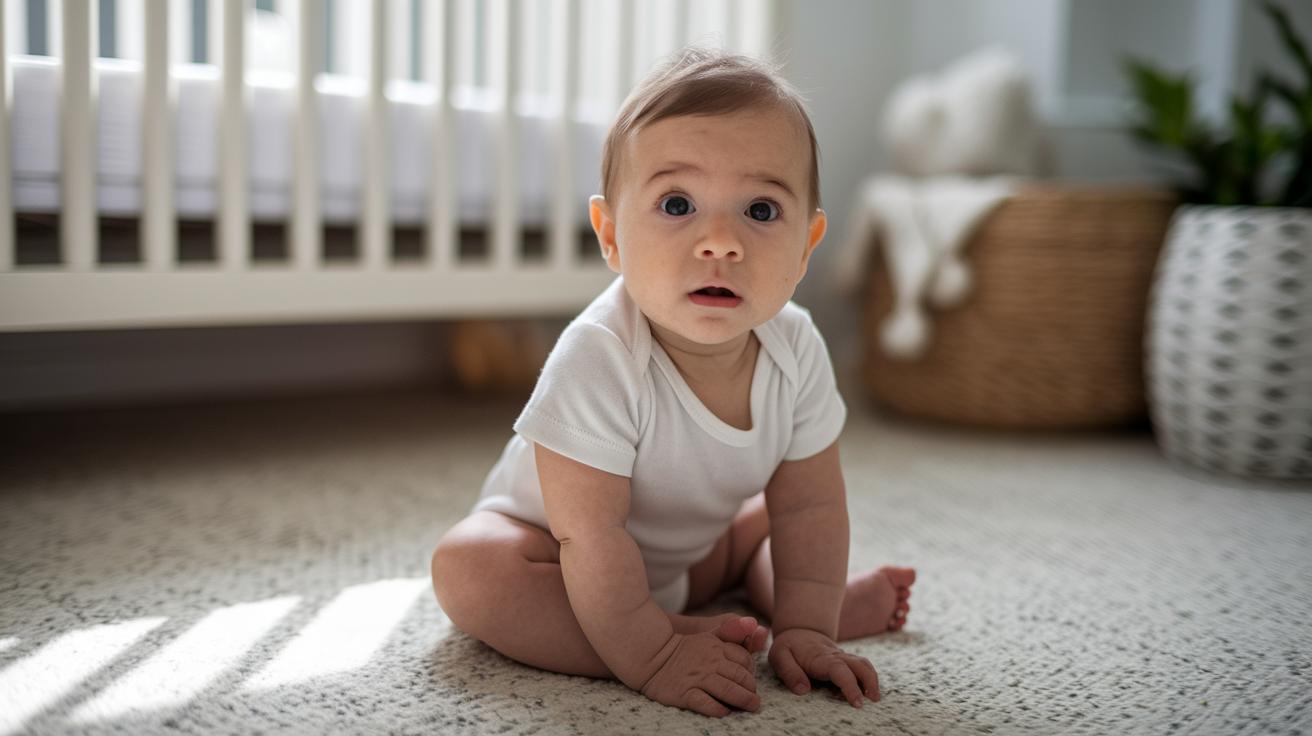
Organic cotton is a friendly choice for babies with sensitive skin. Grown without harsh chemicals, it only gets softer with each wash, like a warm hug that grows along with your little one. Imagine your baby wrapped in a fabric that keeps getting better, day after day. Check out our selection of organic cotton newborn onesies to give your baby the care they deserve.
Bamboo is another wonderful option. This fabric naturally fights off germs and works to keep your baby comfy, cool during playtime and cozy at nap time. It’s like having a little breeze on a sunny day, balancing fun and rest perfectly.
Hemp brings its own special charm. It’s strong and breathable, so you don’t have to worry about skin reactions. Think of hemp as a reliable, soft friend that stands up to everyday adventures while keeping your baby extra comfortable. Mixing hemp pieces into your baby’s wardrobe can add a layer of gentle, durable protection.
By choosing these natural fabrics, you’re building a hypoallergenic wardrobe that truly cares for sensitive skin. Simple choices like layering these pieces can help keep your baby safe and snug all day long.
Certifications Ensuring Hypoallergenic Baby Clothing
When you’re shopping for your little one’s clothes, certifications offer a comforting promise. They show that the outfit is truly free of dangerous chemicals and safe for delicate skin. Look for trusted marks like Global Organic Textile Standard (GOTS) or USDA Organic. These labels mean the fabrics were made without synthetic pesticides or harsh chemicals, and they’ve passed third-party tests for any leftover pesticides or heavy metals. That little mark on the tag is like a gentle whisper, saying, “We care for your baby and our planet.”
Another key certification is OEKO-TEX Standard 100. This mark tells you that the dyes and finishes used are non-toxic. In simpler terms, the colors on the fabric won’t upset your baby’s sensitive skin, giving you extra peace of mind. Certifications like these help ensure that every piece is designed for real-world allergy challenges, confirmed by independent testing.
Here’s a quick checklist to guide your shopping:
- Check for GOTS or USDA Organic logos.
- Look for the OEKO-TEX Standard 100 mark.
- See if the label mentions third-party testing for residual chemicals.
With these assurances in hand, you can pick baby clothing that not only keeps your child safe but also supports a kinder, more sustainable way of living.
Chemical Irritants in Conventional Baby Clothing to Avoid
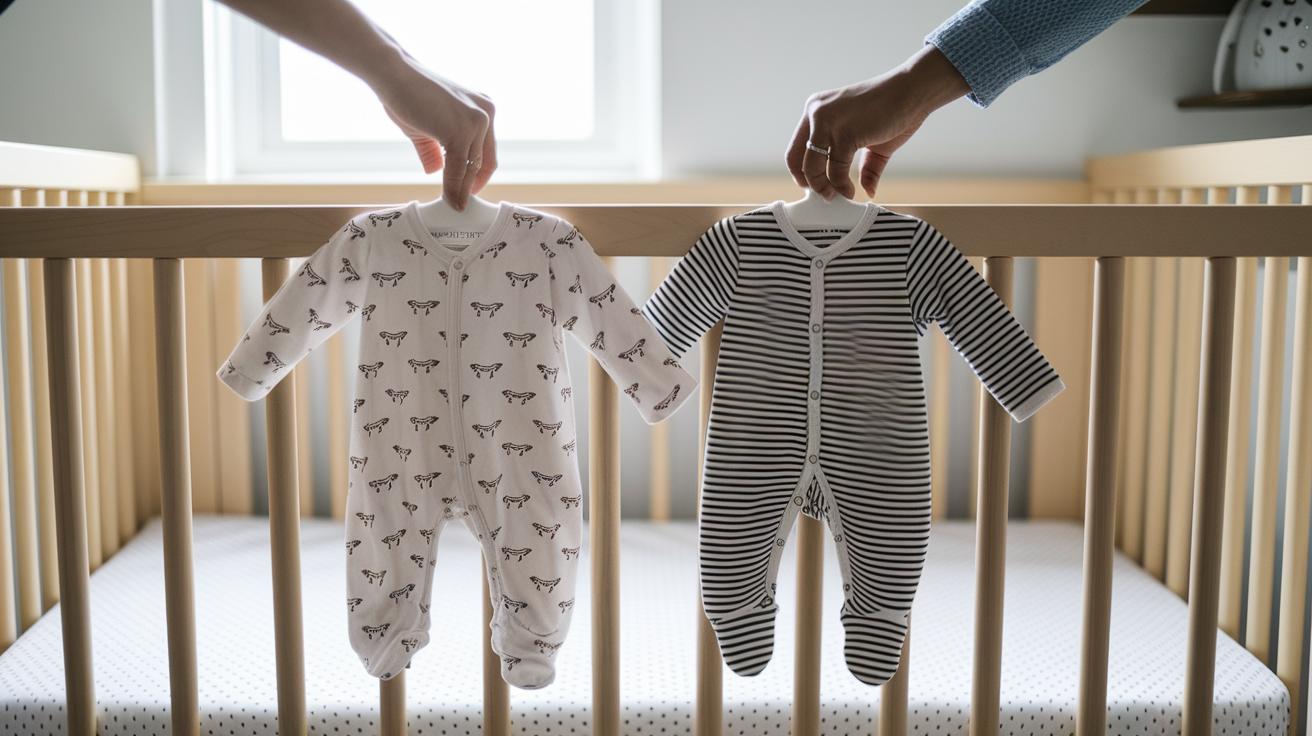
When you're picking out clothes for your little one, it pays to be aware of hidden chemicals. Many everyday fabrics treat baby clothes with substances that may be tough on delicate skin. These chemicals can sometimes cause redness, itching, or even allergic reactions in tiny bodies. Choosing items made with organic methods means steering clear of such risks and embracing safer, gentler alternatives.
Conventional baby clothes might carry pesticide residues from non-organic cotton or have been finished with formaldehyde to keep them looking neat. Even synthetic colorants and preservatives, added to boost durability and brightness, can irritate sensitive skin. Many parents now want to know exactly what’s in the clothes their child wears because it helps reduce the chances of unwanted allergic responses.
It’s always a smart idea to read labels and spot any harmful ingredients. Keep an eye out for these five common chemical hazards:
- Pesticide residues
- Formaldehyde finishes
- Azo dyes
- Chlorine bleach
- Synthetic preservatives and colorants
By choosing garments crafted with organic practices, you’re taking a thoughtful step that not only shields your baby’s skin but also limits their overall chemical exposure right from the start.
Tips for Building an Eco-Friendly, Allergy-Safe Baby Wardrobe
Start with GOTS-certified basics. These soft, trusted essentials are like a gentle hug for your little one. Imagine a certified organic onesie softly saying, "You're safe and cared for."
Next, add breathable fabrics that keep your baby comfy all day, from playtime to nap time. Try mixing organic cotton with bamboo. It naturally balances temperature and feels light against delicate skin. And before the first wear, give each piece a wash with a gentle, fragrance-free detergent to clear any leftover residues.
Keep things simple with a capsule wardrobe. Choose a few versatile, high-quality items that stay soft wash after wash. This approach means less over-washing and wear-and-tear, making busy mornings so much easier.
Pick brands that are clear about where every fabric comes from. Knowing the story behind each garment builds trust and shows that each piece was made with care. Plus, organic cotton only gets softer with every wash, a comforting thought for any busy parent looking for long-lasting, safe choices.
When you choose wisely, care for your clothes gently, and focus on what matters, you create an eco-friendly baby wardrobe that is comfy, safe, and stylish every day.
Recommended Organic Baby Clothing & Accessories for Allergy Prevention
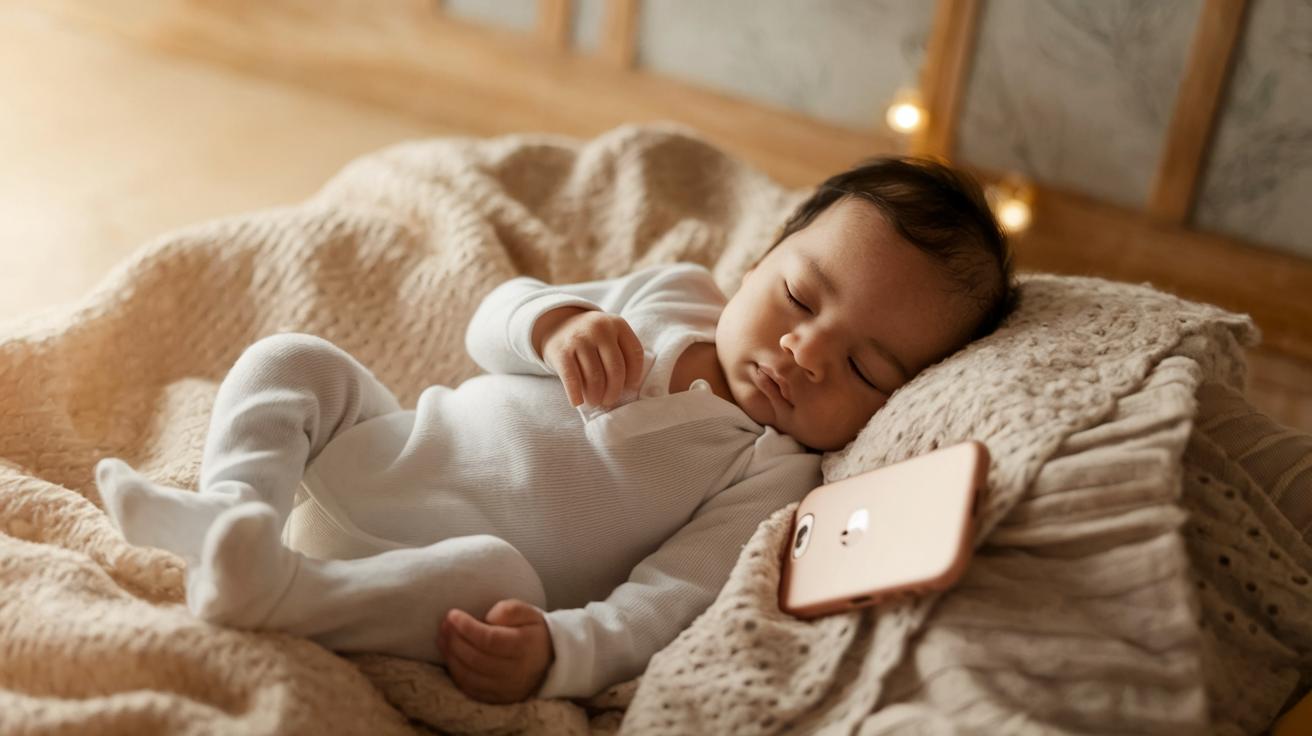
Seeing your little one in a soft, cozy outfit really warms your heart. GOTS-certified organic cotton onesies are a great pick. They’re made to be allergen-free, giving your baby pure comfort day and night. And then there are bamboo pajamas, they feel cool, help keep moisture away, and even have natural antibacterial benefits.
A few hypoallergenic blankets add a friendly cuddle during nap time. Accessories matter too. Non-toxic-dyed hats, soft organic cotton socks, and seamless-finish garments round out a safe, complete look. Each of these items helps keep your baby’s temperature just right and minimizes any irritation.
Plus, consider safe sensory play items. Food-grade silicone teething rings and organic cotton loveys are perfect for curious little hands and mouths. With these thoughtful choices, you create a collection designed to keep your baby free from irritants and comfortable all day long, while also caring for our precious planet.
Final Words
In the action, we explored how organic baby clothing lowers allergy risks with natural fibers and certified safety. We touched on the gentle benefits of organic cotton and bamboo, and the importance of careful testing to reduce irritants. We shared tips for assembling an eco-friendly, minimal wardrobe that cares for delicate skin. Remember, choosing organic baby clothing and allergies-safe options means giving your little one comfort and security every day. Stay positive and enjoy the peaceful feeling of caring for your baby.
FAQ
Q: What are some top-rated organic baby clothing brands suited for allergy prevention?
A: Top-rated organic baby clothing brands offer GOTS-certified options that use natural fibers. These brands combine quality, safe materials, and comfortable designs to help reduce irritation and allergic reactions in sensitive skin.
Q: Do organic baby clothes help prevent allergies?
A: Organic baby clothes help prevent allergies by using natural fibers grown without harsh chemicals, reducing skin irritants and lowering the risk of eczema flare-ups, which benefits delicate, sensitive skin.
Q: Are organic baby clothes pesticide free?
A: Organic baby clothes are pesticide free as they are grown without synthetic pesticides or herbicides, ensuring a gentler fabric that minimizes chemical exposure and irritation for your little one’s skin.
Q: Can you be allergic to organic cotton?
A: While organic cotton is known for its soft, chemical-free properties, some children may still have rare sensitivities. It’s best to monitor your baby when trying a new fabric.
Q: Is 100% organic cotton hypoallergenic?
A: Although 100% organic cotton is designed to be hypoallergenic and gentle on skin, very sensitive children might still exhibit a reaction, so testing a small area first can be helpful.