
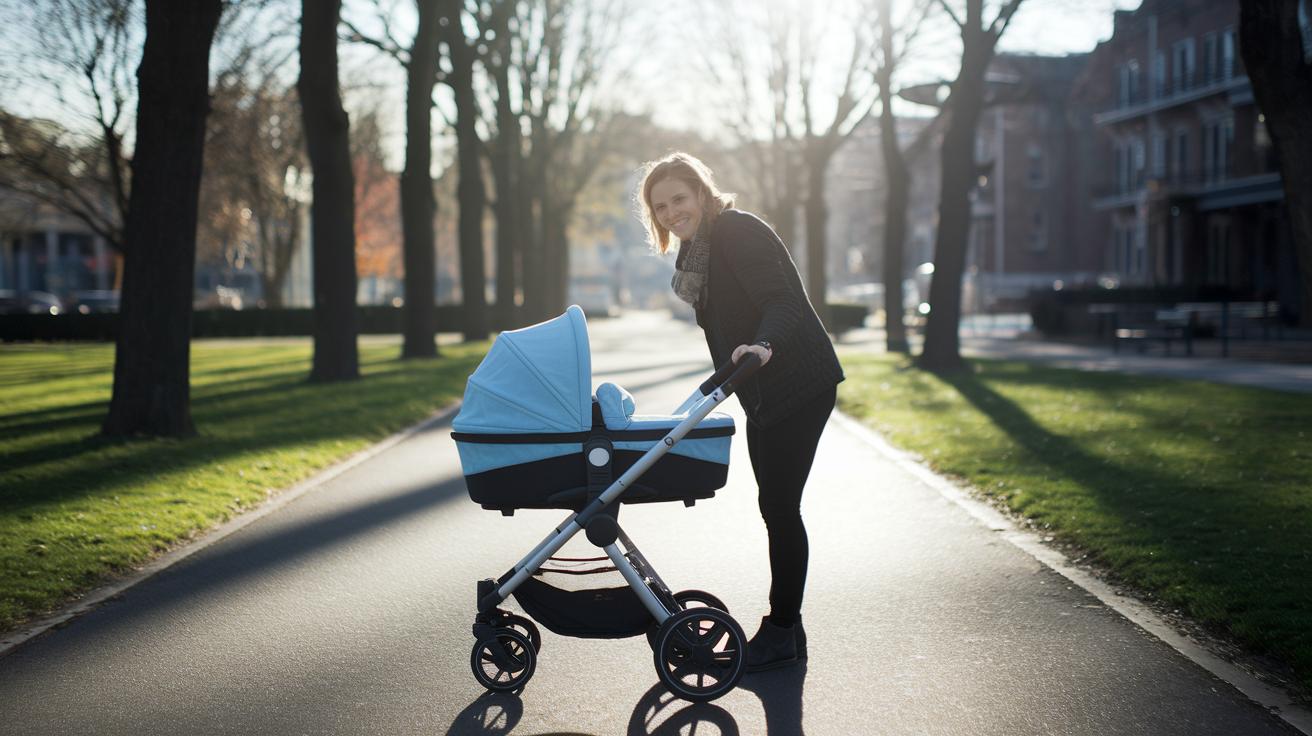
Sometimes it feels like baby care just never stops, leaving little time to focus on yourself. We know that as a new parent, those few quiet moments can make all the difference.
Picture this: your baby is sound asleep, and you grab that chance to take a deep, calming breath. It’s a simple pause that brings peace to your busy day.
In this post, we're sharing warm, practical tips and heartfelt advice to help you look after your mental well-being. A few easy self-care habits can lighten the load and brighten the journey for both you and your baby.
Key Mental Health Tips Every New Parent Needs

Becoming a new parent is both an exciting and sometimes overwhelming journey. Sleepless nights, erratic feeding times, and ever-changing routines can leave you feeling out of sorts. It’s normal to experience low moods in these early days, and sometimes those feelings can grow if you don’t take a moment for yourself. Imagine this: your baby is napping, and you steal a quiet minute just for you. That brief pause can bring a sense of calm to help you get through the next busy hour. Research shows that nearly 13% of new moms deal with anxiety, and about 21% notice depressive moods during the first year. Many dads feel similar pressures.
Taking care of yourself is just as important as caring for your little one. Simple self-care routines can ease stress and nurture your mental well-being, much like the gentle warmth of a soft, cozy blanket on a cold day. Try fitting in these small, practical habits:
- Sync naps with your baby’s sleep
- Ask family or friends for a short break
- Practice quick 5-minute mindfulness activities
- Jot down your mood changes in a simple journal
- Celebrate every small parenting win
By embracing these gentle practices, you can keep stress at bay and build a strong foundation for lasting mental health. Remember, caring for your own emotional needs is a big part of being the nurturing parent your baby looks up to.
Crafting a Self-Care Routine for New Parent Well-Being

Have you ever felt like you needed just a little break, even on the busiest days? Even a few quiet minutes can make a big difference. Picture taking a short walk, trying a bit of meditation, or reading a few comforting lines from your favorite book, especially during your baby’s longest nap when you can catch a pause from daily tasks.
Nourishing yourself is essential too. Think of adding bright vegetables, lean proteins, and whole grains to your meals for a touch of color and energy. And isn’t it amazing how a cool, refreshing glass of water can boost your day? Even a bit of light exercise, like gentle yoga or a leisurely stroll, can help you feel more balanced and keep your energy up.
Building your self-care routine is really about setting small, realistic goals and being kind to yourself. Whether it’s a five-minute breathing exercise or a short reading break, these little steps can help you create a flexible routine that supports both you and your baby. For more ideas, you might explore some helpful first time parent tips.
Planning ahead with simple time management tricks can turn even a quick self-care moment into a bright spot in your day, giving you the strength and calm to enjoy these precious moments of parenthood.
Managing Sleep Deprivation and Stress for New Parent Mental Health

When your baby’s sleep patterns are all over the place, it can feel really overwhelming. Even small changes can bring a huge relief. One cozy trick is to rest when your little one sleeps. It might sound simple, but syncing your sleep with your baby's cycle can lighten your tiredness and lift your mood.
Sometimes, it helps to ask for a hand during those long nights. Maybe a partner or a trusted family member can take turns with feedings or diaper changes. Sharing these tasks can give you back much-needed sleep and help you feel more recharged.
Another idea is to create a gentle pre-sleep routine. Dimming the lights and playing soft music tells your brain it’s time to relax. Keeping a regular schedule, even one designed for a 3-month-old, can gently guide you toward a better night’s rest.
Changing just a few habits can really make a difference. These small sleep strategies can help ease the stress and keep exhaustion at bay, making even the tough nights a bit easier to manage.
| Strategy | Description | Benefit |
|---|---|---|
| Synchronized Naps | Rest when your baby is asleep | Improves alertness and mood |
| Shared Night Duties | Take turns with feedings and diaper changes | Helps keep longer sleep stretches |
| Relaxing Pre-Sleep Rituals | Dim lights and play soft music | Eases you into a restful night |
Building a Support Network to Prevent New Parent Burnout

Sometimes, parenting can feel overwhelming, as if you're juggling endless tasks on your own. It helps to find a group of other parents, whether in your neighborhood or online, who can share advice and real-life tips. These connections offer a warm space where ideas and practical solutions float around like friendly whispers.
Imagine joining a small postnatal class or a casual support group where you can freely share your thoughts, knowing someone truly listens. Isn’t it nice to have a few people who get it and add a little sunshine to your day?
At home, your partner, family, and friends can be a big help too. Whether it’s lending a hand with errands or babysitting for a bit, these gestures give you precious time to refuel. Every little help counts.
Setting clear boundaries is another gentle reminder that asking for help is not only okay, it’s essential. When you protect your energy, you create space for a supportive circle where every worry feels heard and every little victory is celebrated.
Building this network makes the challenging early days a bit brighter. Remember, you’re not alone, and together, the journey of parenthood becomes a little lighter and a lot more heartwarming.
Balancing Partner Communication for New Parent Mental Health

Every day, try to find ten quiet minutes for just you and your partner. That simple chat can help keep stress at bay. It’s a chance to share how you’re feeling, plan for the day ahead, and simply connect even on the busiest days.
Working together with daily chores and baby duties makes a big difference. When you split tasks fairly, it lightens the load and helps you both feel supported. You might even create a short daily list, deciding who handles what, making things feel more manageable.
Being honest about your feelings is another key part of staying connected. Sharing both happy moments and challenges keeps you close and stops small worries from growing. A little heart-to-heart can truly balance family life with your own well-being.
Recognizing and Addressing Postpartum Depression and Anxiety for New Parent Mental Health

Becoming a new parent is such a beautiful journey, but it can also feel like an emotional rollercoaster. Sometimes you might feel a bit down for a few days, those little baby blues that usually fade away within two weeks. However, if you find yourself crying more often, losing interest in the things you loved, or pulling away from friends and family, it could be more than just a passing mood. You might even feel an overwhelming sense of guilt that’s hard to shake off. Studies show that about one in seven women experiences postpartum depression, nearly 13% feel anxious, and one out of ten dads might face depression too. Recognizing these signs early can really help in finding the right support and care to get you through these early days of parenthood.
Differentiating Baby Blues from Postpartum Depression
Think of baby blues as those mild, fleeting mood swings that settle down with a little rest and time. They can feel like tiny bumps on an otherwise smooth road. But postpartum depression is a bit more serious. It often shows up as a deep, constant sadness, trouble sleeping (even more than what you’d expect with a newborn around), and a noticeable drop in energy or joy in your everyday activities. If these feelings just don’t seem to go away, it might be time to talk with someone who understands.
When and How to Seek Professional Help
One simple way to start is by keeping a mood journal. Jot down what you’re feeling day by day, it can be a real eye-opener. And if everything starts to feel too heavy, remember, it’s perfectly okay to ask for help. Whether it’s talking to a counselor, trying cognitive behavioral therapy, or joining a community support group, professional guidance can make all the difference. You might even consider reaching out to a parenting coach (https://babyhalfoff.com?p=392) for that extra bit of support when you need it most.
Final Words
In the action, you’ve found practical ideas to balance sleep, reduce stress, and build a caring support network. These easy-to-use strategies, like syncing naps and short mindfulness breaks, can lighten the load and boost your mood on those busy days. Remember, little steps make a big difference, and new parent mental health tips help set the stage for a happier, healthier home. Keep embracing these moments, and let every small victory fill you with hope and warmth.
FAQ
What is the 5 5 5 rule for new moms?
The 5 5 5 rule for new moms suggests taking five-minute breaks every five hours. This practice helps create small moments of calm, reducing stress and refocusing your energy throughout the day.
What are the 5 C’s of mental health?
The 5 C’s of mental health refer to core areas like connection, coping, communication, self-care, and confidence. These elements help build a stronger emotional foundation and support overall well-being.
What is the 3 month rule in mental health?
The 3 month rule in mental health means that if feelings of anxiety or depression linger for about three months after a major change, it might be time to consider professional help to improve your mood.
Why am I struggling mentally after having a baby?
Struggles after having a baby can stem from sleep loss, hormonal shifts, and added demands. Focusing on self-care and reaching out for support can help ease these challenges and improve your emotional balance.