

Have you ever thought that a simple toy might ease those early steps? It may seem surprising, but the right little buddy can boost your child's balance and strength while lighting up their face with a smile.
Each step becomes a joyful discovery, turning playtime into a safe and exciting journey. In this guide, we're sharing our favorite toys that spark toddler joy and gently support those important first steps.
With just a little push, your little one can take big, confident strides ahead.
Best Toys to Encourage Walking: Top Picks for Toddler First Steps
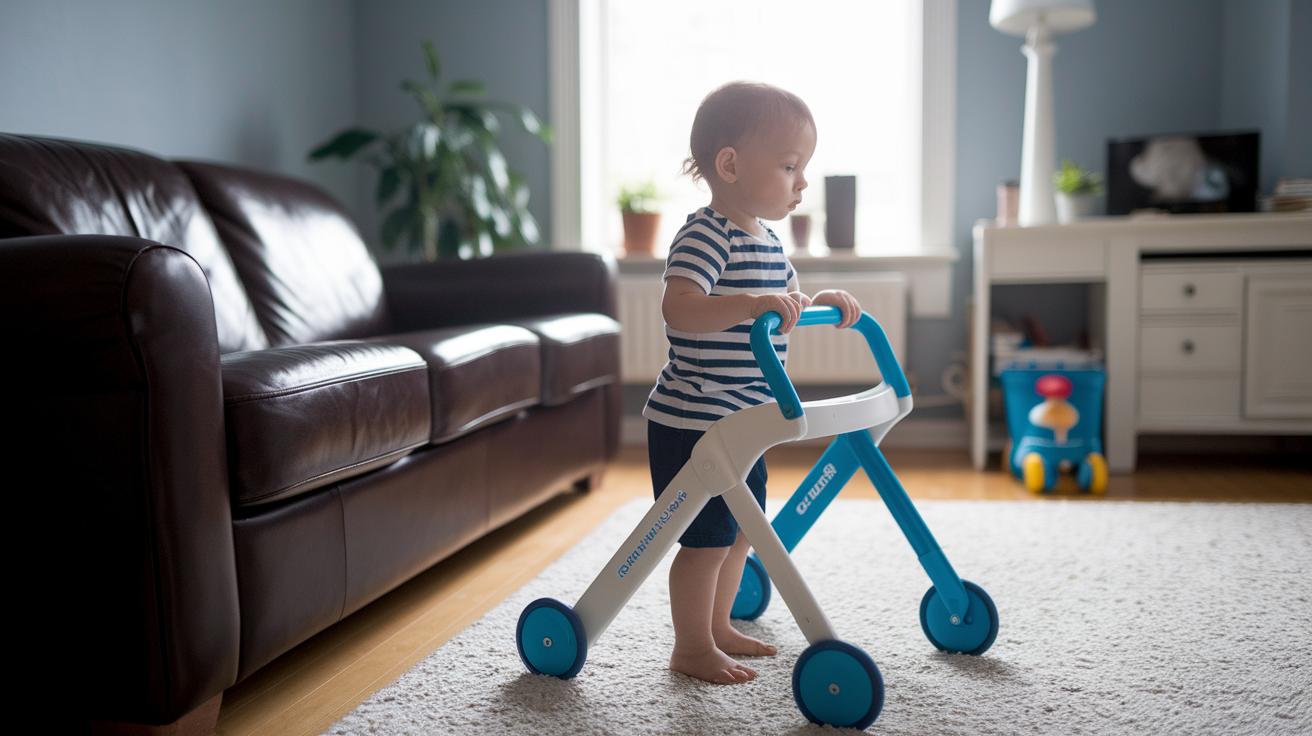
Choosing the right toy to support your little one’s first steps can really boost their confidence. When you find a toy that gently helps with balance and builds leg strength, every step becomes a small adventure. These selected toys mix safety with playful features to give your toddler the perfect push towards new discoveries.
- Push Walker – adjustable handle: This toy helps improve balance and coordination, making it a great choice for little ones around 9 to 15 months.
- Ride-On Toy – sturdy wheels: Designed to boost leg strength through self-propelled movement, it’s ideal for toddlers between 12 and 18 months.
- Walker Wagon – wide base: With a spread-out design that supports steady posture, this toy is perfect for toddlers aged 10 to 16 months.
- Activity Walker – multi-textured surfaces: This option offers interesting textures that spark sensory feedback and boost motor planning, suitable for 9 to 15 months.
- Balance Trainer – low center of gravity: For kids around 12 to 18 months, it helps build overall coordination and gives them a confidence boost.
- Walker Push Car – easy-grip steering: With a focus on enhancing motor planning and maneuvering skills, it’s just right for children between 10 and 16 months.
Each of these toys is thoughtfully designed to help your child take their first steps with joy and safety. Whether it’s a push walker with an adjustable handle or a ride-on toy with sturdy wheels, these fun options celebrate the wonder of early walking and each tiny step along the way.
Choosing Effective Toys That Encourage Walking: A Parent’s Buying Guide
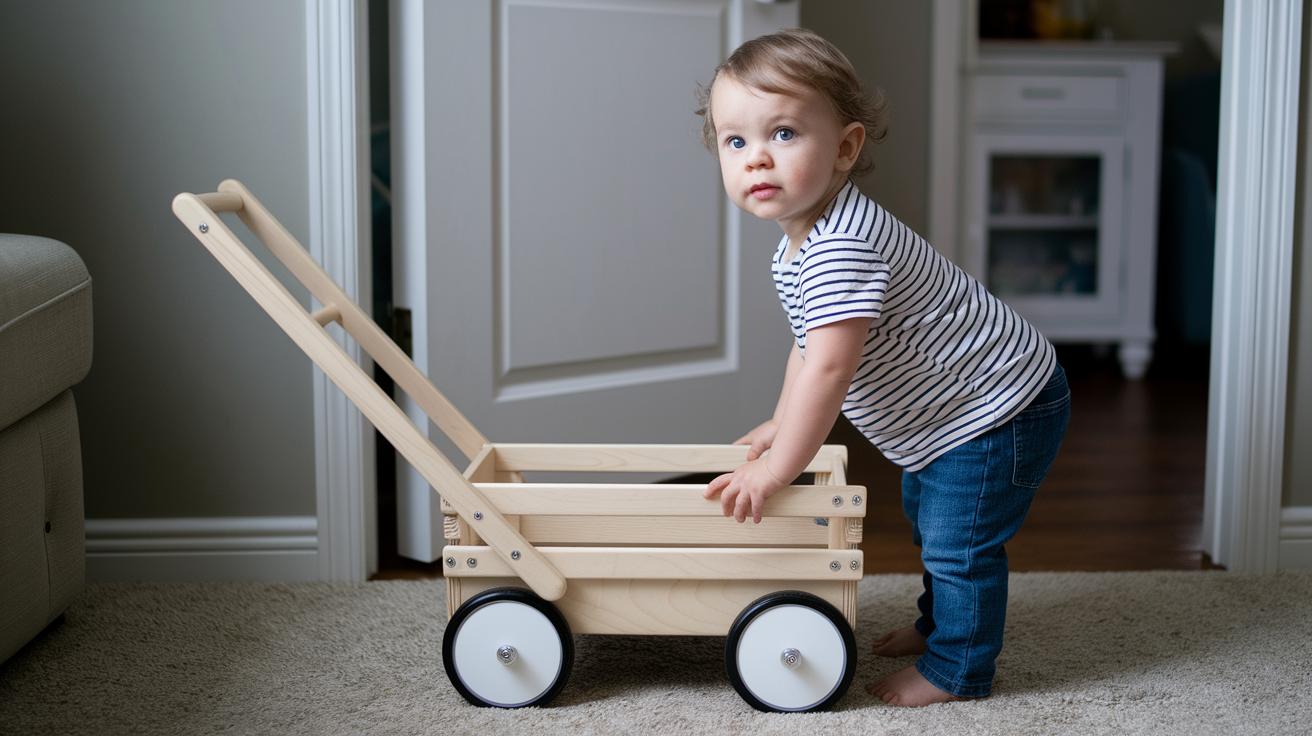
When you're picking out toys that help your little one learn to walk, it's all about finding what truly matters. Look for toys that not only bring a smile to your child's face but also support safe growth and help build important skills like balance and motor control.
Stability and durability should be your top priorities. Find toys with a strong, steady base and top-notch materials that can handle all the playful moments. A well-built toy keeps things steady and helps prevent tipping, giving your toddler the confidence they need to take those brave first steps.
Safety features are essential, too. Choose toys that include simple brake systems, smooth rounded edges, and non-toxic finishes to keep tiny hands safe. These thoughtful details work like a soft safety net, letting you relax as your child practices moving around in a secure space.
It’s also smart to pick toys that can grow with your child. Look for options with adjustable resistance or multiple play stages. This way, the toy can start off easy and slowly become a bit more challenging, helping to improve balance and coordination as your child gains strength.
And don’t forget about usability for busy parents. Toys that are portable, easy to clean, and simple to store make daily playtime a breeze. This means you get to enjoy watching your little one explore and develop those precious first steps without extra hassle.
Safety Considerations for Toys That Encourage Walking

First, give the toy a careful once-over. Check every part to be sure nothing is loose and that every edge is smooth. If you spot a small screw that isn’t tight enough, fix it or keep the toy aside until you can repair it. This little extra time can help avoid any unexpected mishaps during play.
Next, set up a safe and welcoming spot for your child. Look for a flat place with a firm, non-slip surface. Think of it like creating a cozy, open space in your living room where hard floors keep everything steady. Clearing away small toys and stray rugs means your little one won’t trip on anything unexpected.
Finally, always keep an eye on your toddler as they explore. Regular supervision helps catch any issues before they become a problem. After play, a quick clean-up, wiping down the toy and putting it away correctly, will keep it safe and ready for the next adventure. A little care goes a long way in making sure playtime stays both fun and secure.
Developmental Benefits of Toys That Encourage Walking
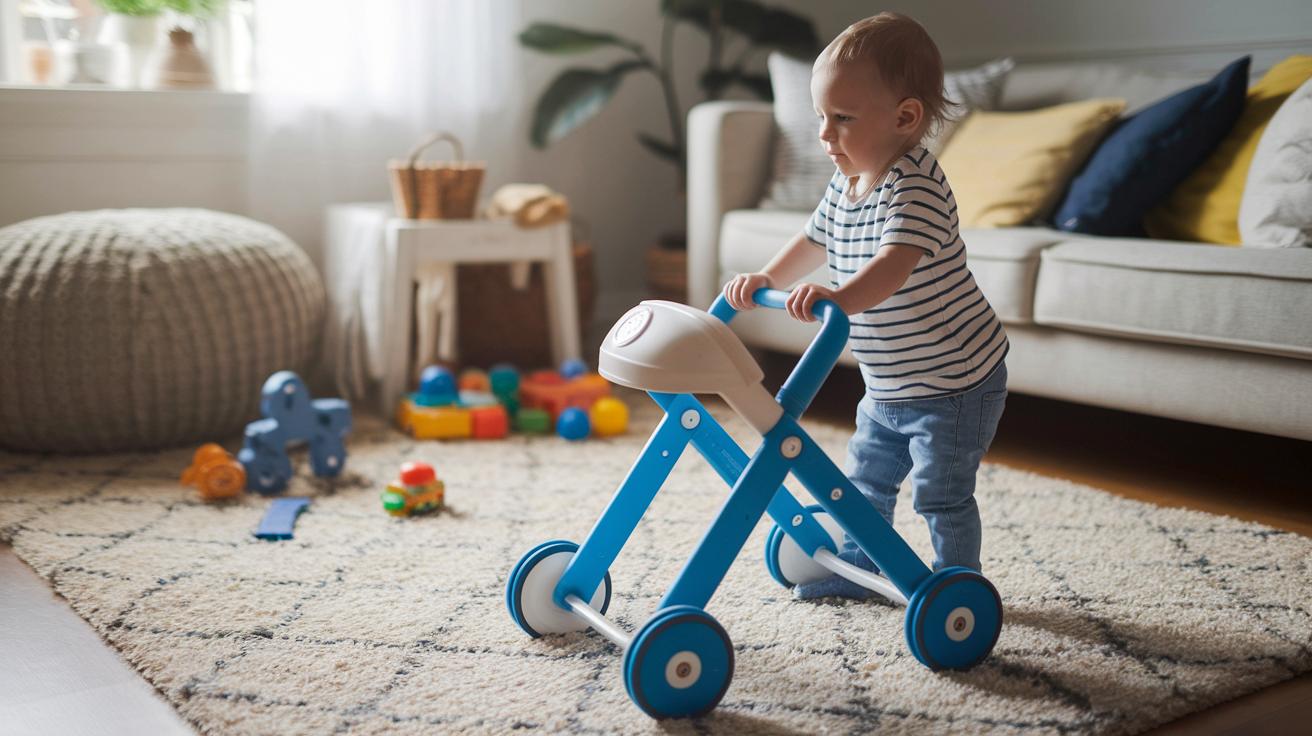
Toys that inspire a little one to walk are like tiny adventure buddies. They help build strong leg muscles and smooth out coordination, making every step a little victory. Picture your child pushing a walker or riding a push car, using their legs like a mini engine as they grow ever more confident.
These special toys also guide balance. With a low center and a sturdy base, they gently remind your child to stand tall and steady. It’s a bit like having a playful yoga session where fun and gentle exercise blend together naturally.
Every little stroll turns into a mini adventure for the mind too. As your toddler navigates play zones and soft obstacles, they get to explore and solve little puzzles. Have you ever seen that moment when they pause to decide on the best path? It’s a small, proud win that boosts their confidence.
Plus, these toys encourage sharing and smiles. When toddlers join in group play around a favorite walking toy, it becomes a moment of heartwarming social connection. It's playtime filled with gentle giggles and shared joy, making each step a bit more memorable.
Age Recommendations and Usage Tips for Toys That Encourage Walking

For babies aged 8 to 12 months, each step is a little adventure. This is the time when your baby moves from crawling to trying out walking. A push-walker toy that offers gentle support works wonders here. It gives your little one a safe little base to explore, and yes, always keep a watchful eye while they're learning.
Between 12 and 18 months, toddlers start noticing just how strong they are. Here, a toy that nudges them toward independent walking can be a game-changer. Look for options with adjustable resistance so you can match the toy to your child's growing skills. You're there to guide them, watching each toddling step become a mini celebration.
By 18 to 24 months, your child might be ready for playsets that mix walking with pretend play. At this stage, toys that encourage creative scenarios can turn walking into an exciting adventure. They not only help with physical skills but also spark the imagination, making every step part of a bigger, playful story.
Comparing Popular Walking Encouragement Playsets
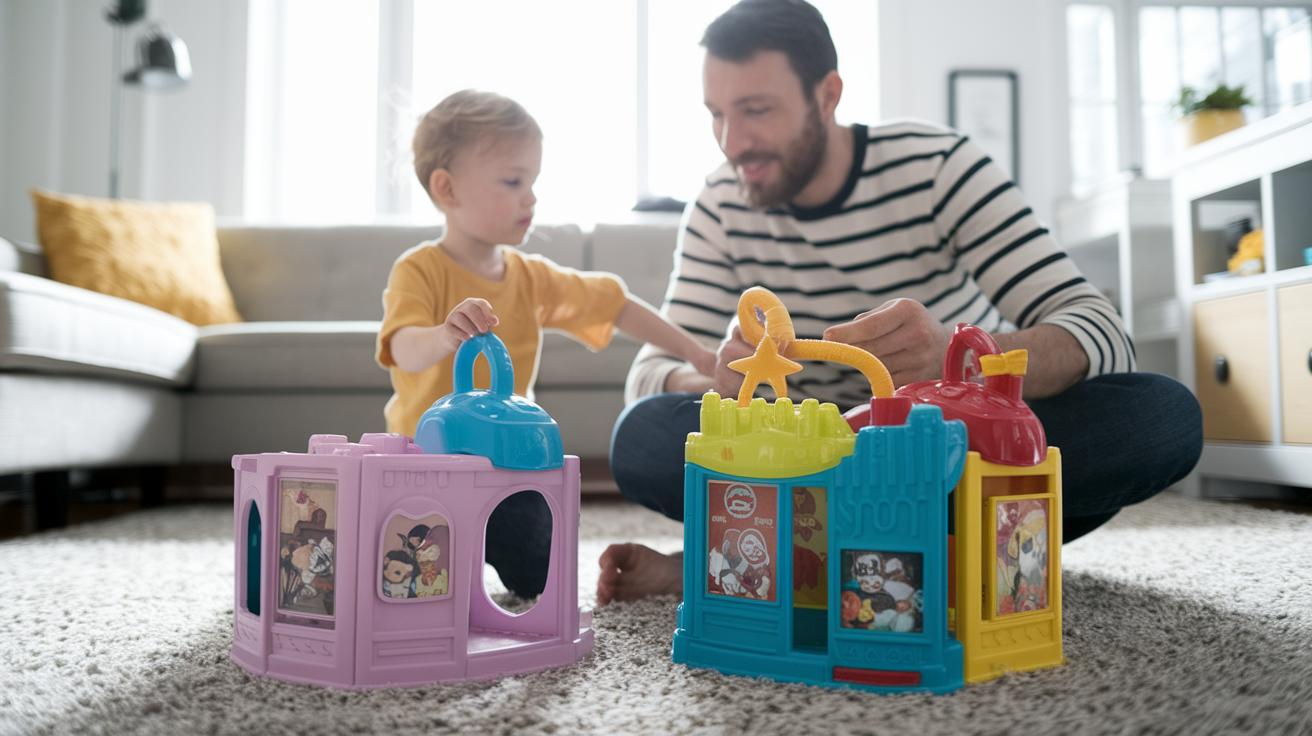
When you compare different playsets side-by-side, it becomes easy to see what each one offers. Look at details like the materials, special features, and price range, and you can quickly decide which playset feels just right. Imagine a toy with adjustable handles and sturdy wheels, much like choosing a favorite snack that fits both your taste and your budget. This way of looking at the details helps you find a playset that grows with your little one, keeping both safety and fun in mind.
| Toy Model | Key Features | Price Range | Growth Adaptability |
|---|---|---|---|
| Model A | Adjustable handle and durable wheels | $50 – $70 | Supports early walkers to growing toddlers |
| Model B | Wide base with non-slip grip | $60 – $80 | Ideal for infants transitioning to toddlers |
| Model C | Multi-stage play and lightweight build | $70 – $90 | Fits beginners who are active learners |
| Model D | Ergonomic design with robust construction | $55 – $75 | Adapts as your child’s play expands |
The table above makes it clear what really matters for your family. Look for the playset whose features and price work best for your needs. With the right choice, early walking turns into a joyful, supportive adventure that grows with your child.
Final Words
In the action of selecting the best toys that encourage walking, we shared practical tips for safety, quality, and developmental benefits. We discussed features that support stability, ease of use, and age-appropriate design to guide confident choices.
Every choice was made with care to help toddlers take those first steps comfortably. This advice aims to bring peace of mind and joy as you watch your little one grow and explore.
FAQ
What should I look for in toys that encourage walking?
When choosing walking toys, consider stability, safety features, skill progression, and ease of cleaning. These qualities help build balance, leg strength, and confidence in your toddler’s first steps.
How do push walkers, ride-on toys, and walker wagons help toddlers take their first steps?
Push walkers, ride-on toys, and walker wagons aid first steps by promoting balance and leg strength while offering tactile, engaging support. Their design encourages safe, natural movement and builds your toddler’s confidence.
What safety precautions should I take with walking toys?
Safety with walking toys starts with checking for loose parts and sharp edges before use. Use them on smooth, non-slip floors, and always supervise play to keep your toddler safe during every step.
How can walking toys improve my toddler’s overall development?
Walking toys boost development by enhancing gross motor skills, balance, and coordination. They also stimulate problem-solving and social interactions, making playtime both fun and beneficial for early growth.
Which walking-encouragement toys are ideal for different age groups?
For 8–12 months, gentle push walkers work best; for 12–18 months, choose toys that encourage independent steps; for 18–24 months, consider advanced playsets that combine movement practice with imaginative play.