

Ever wonder if there's an easier way to help your little one snooze through the night? Many parents feel lost when trying out different sleep routines.
In this chat, we'll explore simple techniques like the Ferber method, the chair method, and the pick-up/put-down approach. Each one is broken down into clear, easy steps, just like following a favorite bedtime story.
We're here to share gentle ideas that build trust and help your baby learn to drift off comfortably. Let's find what works best for your family, one cozy sleep at a time.
Essential Sleep Training Methods for Your 7-Month-Old
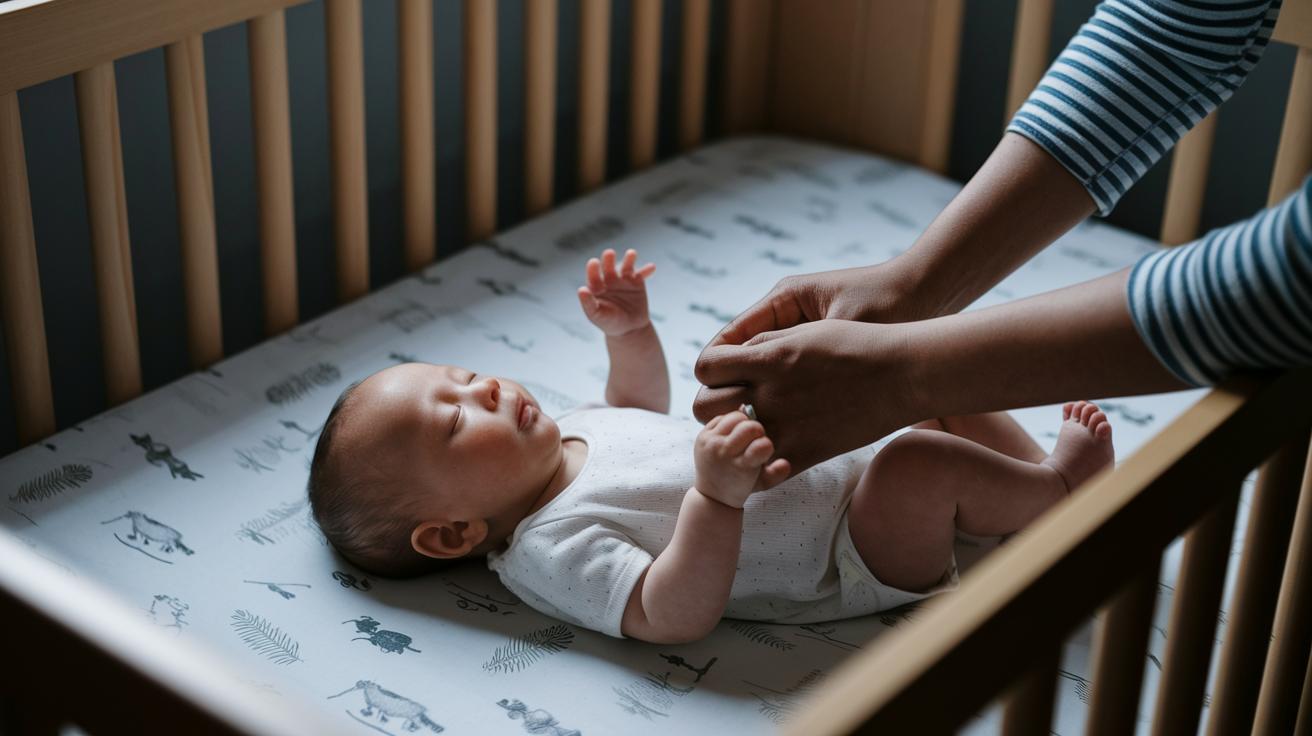
Sleep training is a gentle way to help your little one learn to settle themselves down for sleep. Many parents start this process when their baby is between 4 and 6 months old, often when a baby can sleep for around six hours straight. It can feel a bit daunting at first, but with a little patience and consistency, you’ll both soon adjust.
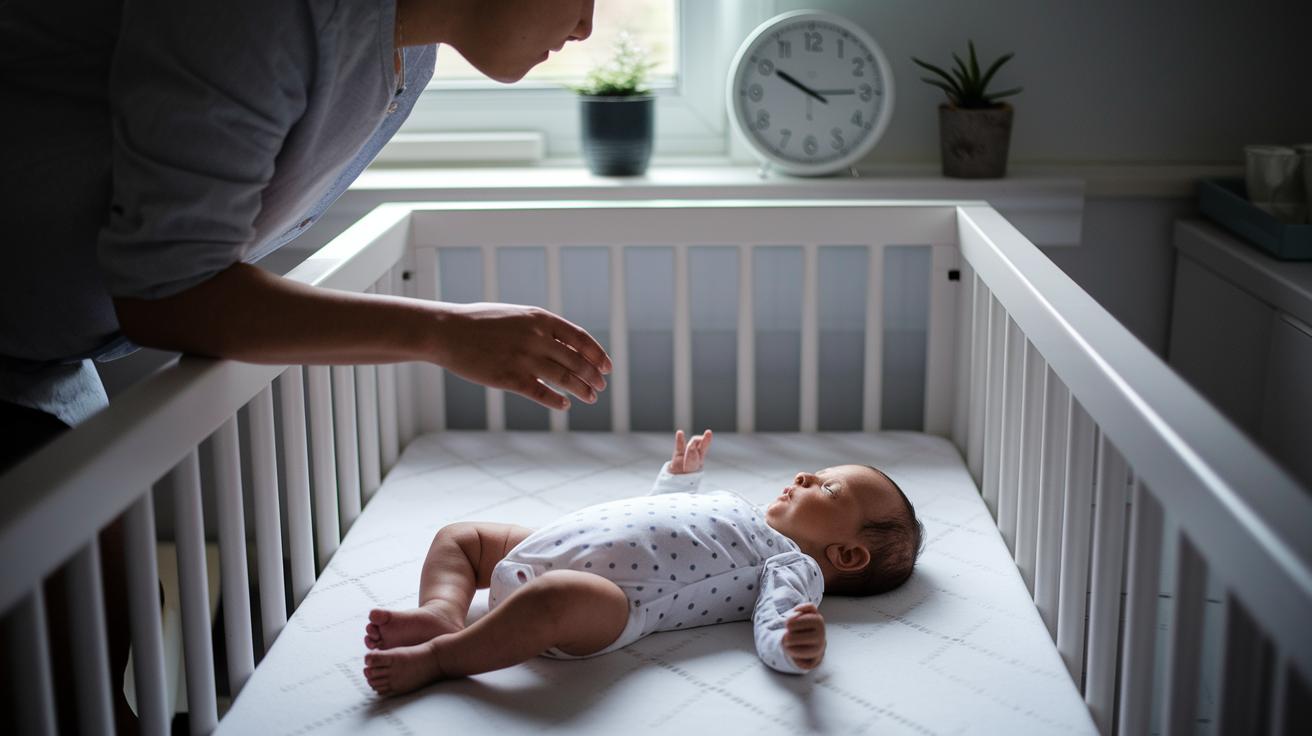
One method that many parents find helpful is the Ferber method. With this technique, you place your baby in the crib when they’re drowsy but still awake. Then, you let them fuss for short periods before quickly offering some reassurance. For example, you might set a timer for 3 minutes, check on your baby briefly, and then step back. Over time, these intervals grow, allowing your baby to learn how to self-soothe.
Another approach you might consider is the chair technique. Here, you sit right by the crib, providing a comforting presence while your baby drifts off. Each night, you gradually move your seat a little further away until you’re no longer right next to the crib. This step-by-step change helps your baby feel secure as they build the confidence to fall asleep on their own.
There’s also the pick-up/put-down method, a tender option where you gently pick up your baby when they become upset and then return them to their crib once they’re calm. This method reassures your little one that you’re there, even as they learn to settle on their own.
Other strategies include the fading method (sometimes called Minimal Tears), which slowly reduces sleep supports like rocking or nursing, and the cry-it-out method, where you step back just enough to let your baby learn to settle independently. No matter which technique you choose, the idea is the same: place your baby in a safe sleep space while they’re drowsy and encourage them to fall asleep without needing constant help.
In just a few nights, typically between 3 to 7, many parents notice their baby growing more comfortable with the routine. Remember, consistency is key. Each small step you take together builds the lasting sleep habits that will benefit both you and your little one.
Building a Consistent Sleep Environment for Your 7-Month-Old

When bedtime is calm, it makes life a little easier for both you and your baby. Try keeping the room at a cozy 68 to 72°F. That perfect temperature helps your little one settle down and sleep soundly.
Keep the lights soft and gentle. Whether you use blackout shades or dimmable bulbs, these choices help signal that it's time for snooze. Think of it as setting the stage for a soothing lullaby, not too bright, but warm and inviting.
Also, remember crib safety. The American Academy of Pediatrics suggests placing your baby on their back on a firm mattress, and avoiding pillows or loose blankets. This tip helps ensure the crib is a safe and snug place. For more details, you can check out safe sleep guidelines for infants.
A little white noise can also work wonders. It helps mask household sounds that might startle your baby, creating a steady, soothing background that encourages deep sleep. This gentle setup helps your 7-month-old relax and drift into a peaceful night’s rest.
Crafting Bedtime and Nap Routines for a 7-Month-Old
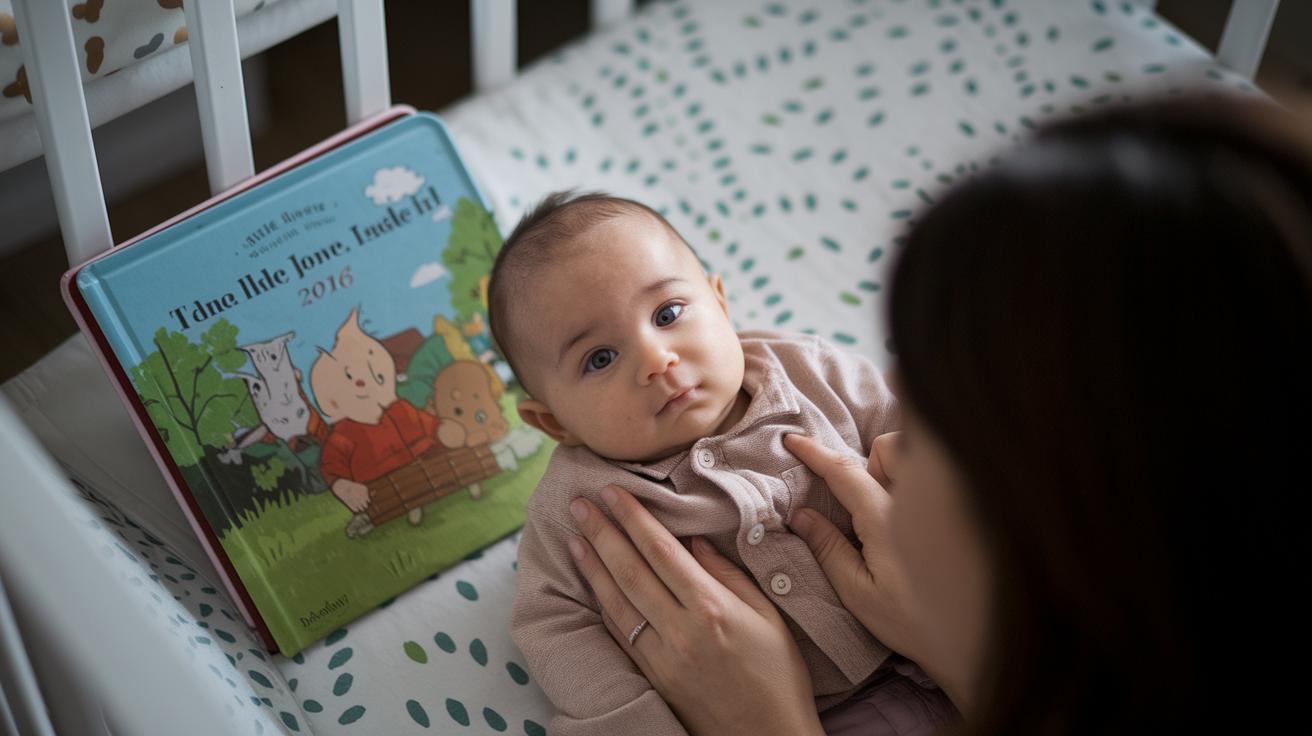
A bedtime ritual can really help your baby feel safe and settle into a steady sleep pattern. Try a gentle routine that might include a warm bath, a soft massage, a feeding, and a quiet story. This soothing sequence not only helps your little one drift off into sleep but also builds a warm connection between each comforting step and bedtime. For instance, you might say, "After a bubbly bath and a soft lullaby, you're off to dreamland."
Daytime naps are just as important. At seven months, most babies do well with two or three naps during the day. A good plan might be one nap around 9–10 AM, another around noon or 1 PM, and sometimes a shorter nap in the late afternoon. Start sleep training by focusing on one nap at a time – beginning with the first nap – to help set up a natural rhythm. You can learn more about this approach on the 7 month old sleep schedule page.
Keep awake periods to about 2 to 2.5 hours so your baby doesn't get overtired. Every evening, try laying your baby down when they're drowsy but still awake. This little step helps them learn the art of self-soothing. With a calming pre-sleep routine and a thoughtful nighttime plan, your baby will gradually learn to fall asleep independently, leading to a healthier sleep pattern.
Comparing Sleep Training Techniques for 7-Month-Old Babies

Below is a friendly, side-by-side look at different ways to help your little one sleep better. You’ll see each method’s timeline, what you’ll need to do, and a few ups and downs based on what other parents have shared.
| Technique | Timeline | Parent Role | Pros | Cons |
|---|---|---|---|---|
| Ferber Method | 3–5 nights | Set times for checking | Easy to follow; works quickly | Follows a strict schedule; might feel stressful |
| Chair Method | 5–14 days | Slowly distance yourself | Soothes your baby while you gradually step back | Takes time; needs steady consistency |
| Pick-up/Put-down | Changes happen slowly over days | Comfort and pick up when needed | Very gentle; builds trust | Might take a bit longer; requires patience |
| Fading Method | Pace varies | Reduce support step by step | Soft transition with fewer sudden changes | May call for adjustments to routines |
| Cry-It-Out | 3–4 nights | Minimal involvement | Quick results; clear finish line | Can mean long bouts of crying |
One parent shared, "I tried the chair method and really appreciated how it kept my baby feeling secure while I gradually stepped back. It reassured me that we were moving in the right direction without feeling overwhelmed."
When it comes to choosing a sleep training method, here are some simple steps:
- Think about how much help you want to give your baby.
- For example, "If a gentle touch feels right, try the pick-up/put-down method."
- Consider your baby’s personality.
- For example, "A baby who loves a steady routine might do well with the Ferber method."
- Look at the ups and downs of each method in the context of your daily life.
- For example, "If you need change fast, the cry-it-out method might work even if it means a few rough moments."
- Try it out for a little while to see which way fits best.
These ideas can help you pick the method that suits both your family and your little one the best.
Troubleshooting Sleep Challenges with Your 7-Month-Old
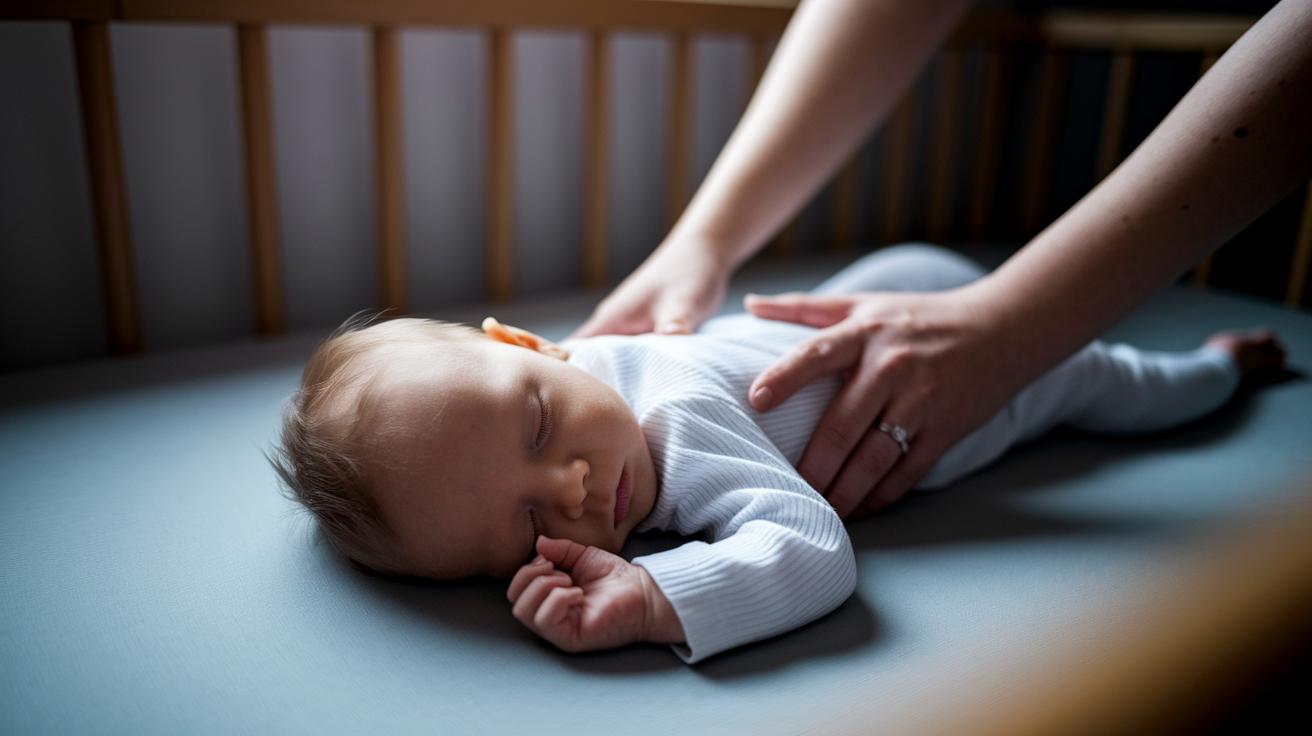
Often, your baby naturally wakes up because their sleep cycles last about 20 to 50 minutes, and at seven months, waking during transitions is perfectly normal. If your little one seems extra fussy lately, it might be a sleep regression. This happens as they start mastering new skills. For example, many parents have noticed that as their baby begins to crawl, vivid dreams can briefly shake up their sleep patterns.
Teething can also cause restless nights. The discomfort might make your baby extra irritable, making it harder for them to settle back to sleep. You might try a gentle massage or offer a soothing teething toy before bedtime to help ease the pain and bring comfort.
If you feel that sleep training isn’t moving forward as planned, make sure your baby is learning to fall asleep on their own every night. A quick, soft check-in for a minute or two when they wake up can work wonders, offering warmth and reassurance while still encouraging self-soothing.
Here are some simple steps to help guide you through these challenges:
- Watch for natural wake cycles and see if your baby’s waking times match these 20–50 minute intervals.
- Look out for signs of sleep regression, like extra fussiness or changes in nap patterns.
- Ease teething discomfort with gentle soothing methods, such as a light massage or a teething toy.
When you address these sleep challenges with care, you’re keeping your sleep routine on track. Even if there are some unexpected wake-ups or brief regressions, remember, you’re doing a great job helping your baby feel safe and loved.
Tracking Progress and Adjusting Your 7-Month-Old's Sleep Training Plan
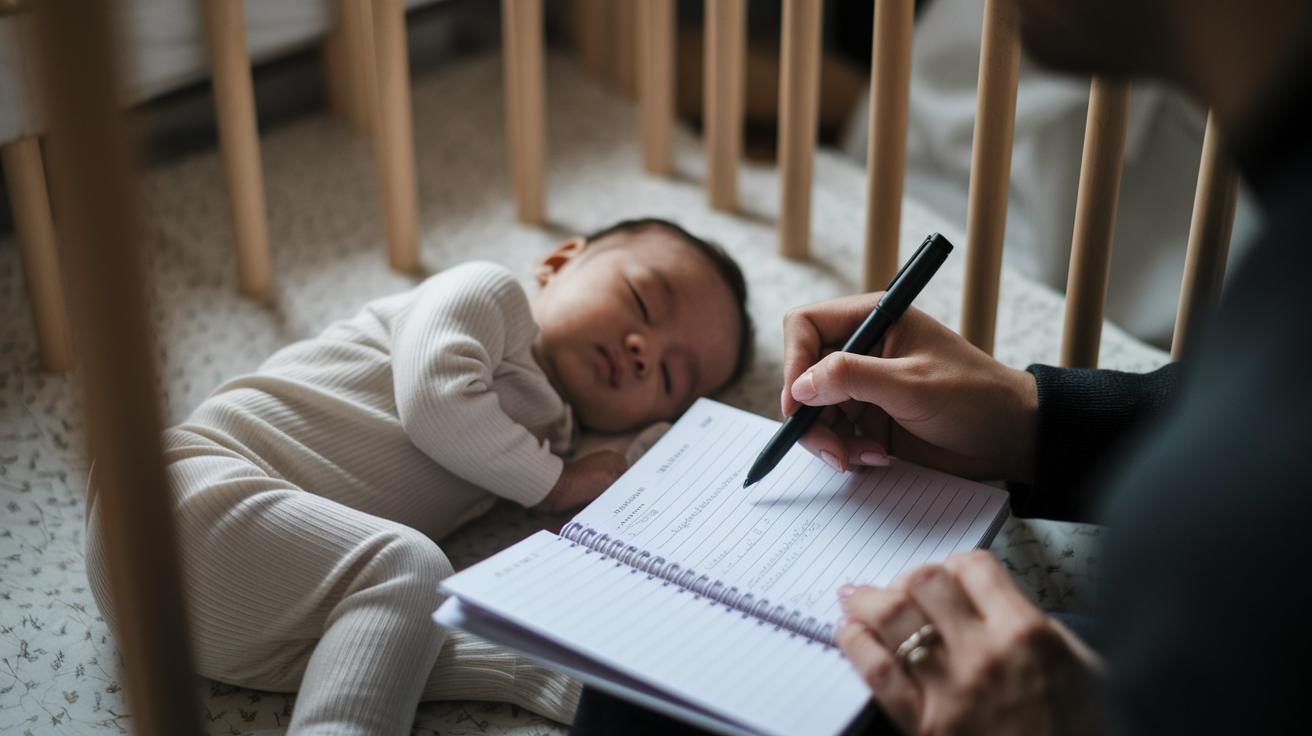
Keeping an eye on your baby's sleep can really show you how well the training plan is working. Some methods seem to make changes in just a few nights, while gentler, gradual approaches might take a bit longer. One easy and friendly way to track this is by keeping a sleep log. Simply write down the time your baby goes to bed, when they wake up, and note any nighttime wake-ups. For example, you might note, "At 8:00 p.m., baby fell asleep; woke briefly at 10:30 p.m., then settled back down." This little log lets you see patterns and feel confident about your progress.
Take some time to review your notes every now and then. Ask yourself if your routine still fits your baby’s needs. Here are a few ideas that might help:
- Write down any changes when new milestones appear, like crawling or teething.
- Adjust how often you check on your baby if it seems they settle faster or take longer.
- Change the timing of the routine if your baby's wake windows seem to shift as they grow.
If you haven’t noticed any progress after two weeks, it may be time to tweak your method or chat with a sleep expert for a fresh perspective.
Expert Recommendations and Evidence-Based Strategies for 7-Month-Olds
Recent studies show that slowly shifting feeding times can help your 7-month-old sleep more soundly. Experts say that by making small adjustments day-by-day, you might see fewer night feedings and longer periods of rest. One study in Pediatrics found that these gentle changes added about 30 minutes of uninterrupted sleep. One parent shared, "After three weeks of nudging our morning feed earlier, our baby had longer, more peaceful sleeps."
Parents have also shared stories that warm the heart. One case revealed that trimming a late-night feed by just 10 minutes each night over two weeks led to longer sleep stretches. Another parent noted, "I saw a real change, my baby started waking up looking refreshed after we fine-tuned the feeding schedule." These experiences show that syncing feed times with your baby's natural hunger can work beautifully with other sleep strategies.
| Case | Outcome |
|---|---|
| Gradual Reduction | Extended uninterrupted sleep over 2 weeks |
| Feeding Interval Adjustment | Improved morning alertness and calm nights |
Final Words
In the action, we broke down a few simple steps to help you calm your baby’s nightly rest. You learned about setting up a safe sleep space, creating soothing routines, and comparing various sleep training methods for your 7-month-old. These insights blend tried-and-true sleep training methods for 7 month old with easy-to-follow tips. It's a small shift that leads to peaceful nights. Remember, each baby finds their own rhythm, keep the process light and positive, and you'll see those little improvements brighten your days.
FAQ
Q: What are the common sleep training methods for a 7-month-old as mentioned on Reddit and NHS sites?
A: The sleep training methods for a 7-month-old include techniques like the Ferber method, pick-up/put-down, and even cry-it-out. They teach babies to self-soothe, often showing results within about a week.
Q: What does the Ferber method involve for sleep training a 7-month-old?
A: The Ferber method involves gradually extending the time between check-ins as your baby learns to comfort themselves. Parents see improvements typically in 3–5 nights of consistent practice.
Q: What free sleep training methods are available for a 7-month-old?
A: Free sleep training methods include gentle approaches such as the pick-up/put-down and fading techniques. These encourage your baby to settle on their own using methods that don’t require extra tools.
Q: How do I effectively sleep train my 7-month-old at night, including for breastfed babies?
A: Effective night sleep training for a 7-month-old, whether breastfed or not, relies on a consistent bedtime routine, safe sleep environment, and methods like cry-it-out or gradual approaches that foster self-soothing skills.
Q: What is the pick-up/put-down method for sleep training?
A: The pick-up/put-down method involves gently comforting your baby by picking them up when upset and then returning them to the crib once they calm down, helping them independently learn to fall asleep.
Q: Is it too late to sleep train my 7-month-old?
A: It’s not too late to introduce sleep training at 7 months. Many parents find that at this stage, gentle sleep training methods effectively encourage self-soothing and establish healthy sleep habits.
Q: What is the 5 3 3 rule for sleep training?
A: The 5 3 3 rule for sleep training typically outlines specific time intervals to soothe your baby. While details can vary, it generally helps structure check-ins to build consistent, independent sleep habits.
Q: How long should I let my 7-month-old cry it out during sleep training?
A: When using the cry-it-out method, brief, scheduled intervals of crying are recommended. Your approach may vary, but many parents start with short periods between check-ins to gradually build self-settling skills.
Q: What is the 5 10 15 rule for baby sleep?
A: The 5 10 15 rule usually refers to gradually increasing check-in intervals—starting with 5 minutes, then 10, and finally 15 minutes. This method gives your baby time to learn to self-soothe while you gently reassure them.