
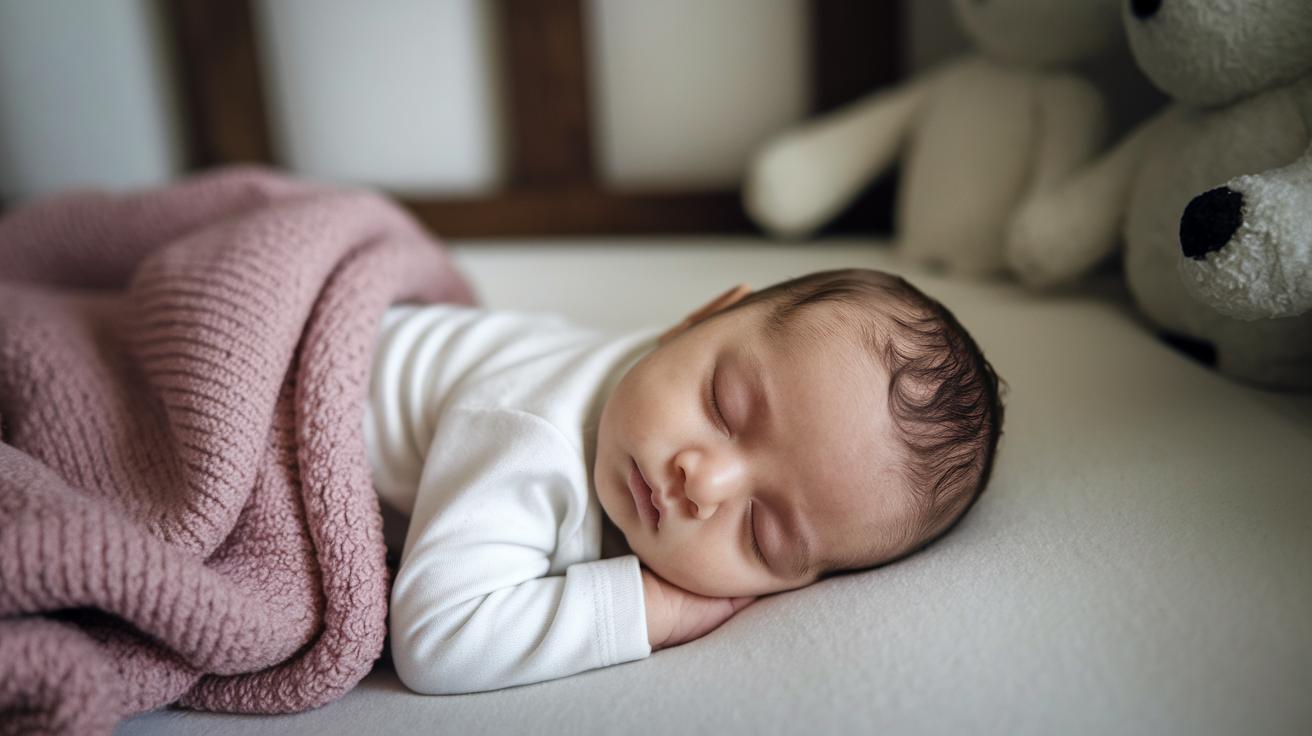
Have you ever wondered if a gentle sound machine or a cozy swaddle might help your baby drift off to sleep? Many parents have shared heartfelt stories about how the right sleep aids can create a safe, calming bedtime routine.
Imagine your little one snug in a soft, rocking bassinet or resting while a quiet sound machine fills the room with soothing hums. These simple products can transform bedtime into a warm, comforting ritual that feels just right.
Sometimes, all it takes is a few thoughtful touches to set the stage for a peaceful night. With a little help from these sleep-friendly products, your baby can settle into a calm, cozy slumber, giving you one less thing to worry about.
Sleep Aids for Infants: Calm, Cozy Slumber
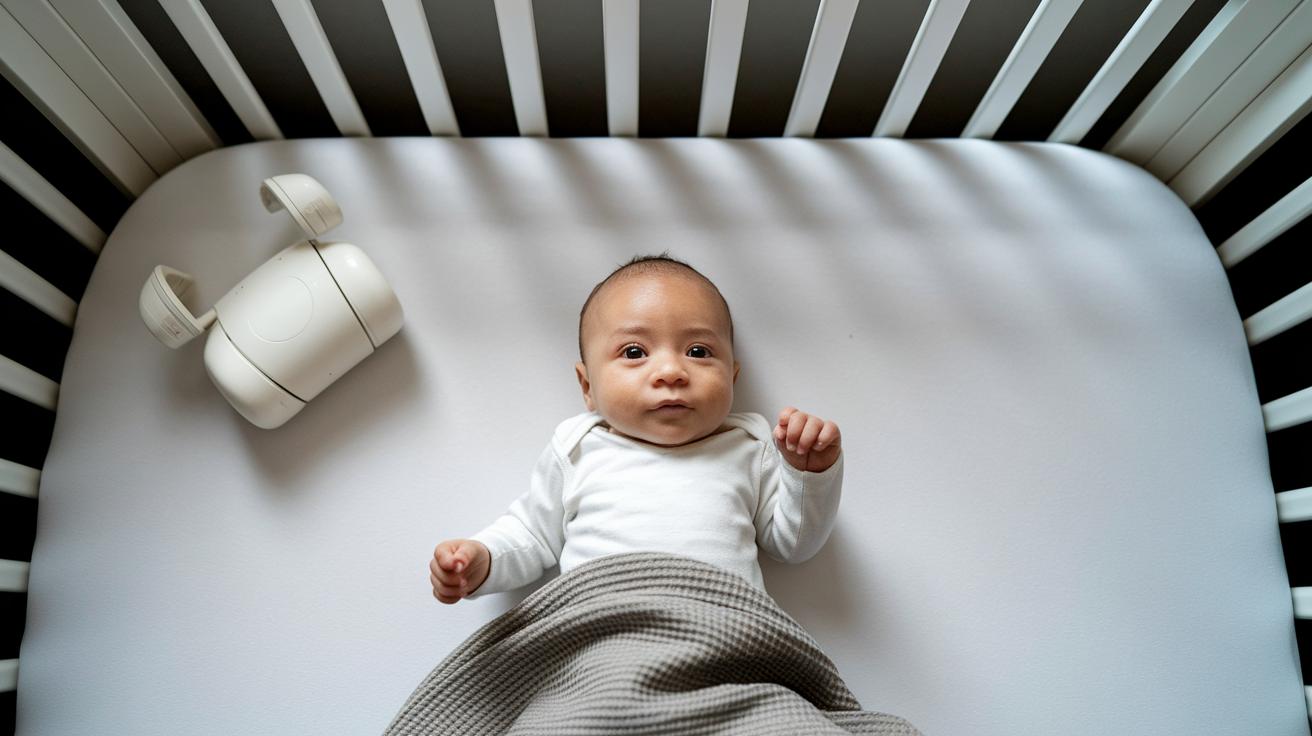
Our safe sleep guidelines call for a simple crib setup, a firm, flat mattress with only a fitted sheet, while avoiding extra bedding like loose blankets, pillows, or stuffed toys. It’s also important to keep white noise below 50 dB, and using a pacifier might even help lower the risk of SIDS. (You can learn more about these safe sleep tips in our detailed guidelines.)
Sleep aids are designed to create a soft, calming atmosphere, much like the gentle sounds of the womb. They help little ones settle down and enjoy longer, more peaceful sleep.
- Rocking bassinets (like Snoo): Gently rock your baby into a soothing sleep.
- White noise machines and shushers: Produce a rhythmic sound that helps many babies doze off in just a few minutes.
- Lights and sound devices (such as Glow Dreaming, Lulla, Ewan the Dream Sheep): Offer a soft glow and calming tunes that brighten bedtime with comfort.
- Pacifiers: Encourage baby’s natural sucking reflex to self-soothe.
- Swaddles (for example, Love to Dream, ErgoCocoon, Miracle Blanket): Wrap your little one snugly, reminiscent of the safety felt back in the womb.
- Sleep sacks: Provide warmth and security without introducing loose bedding.
- Comforters and cuddly toys: Add an extra layer of reassurance when used carefully and in line with safe sleep practices.
When choosing sleep aids, parents mix safety guidelines with their baby’s unique needs. It’s all about finding products that meet standards while bringing that gentle, familiar comfort. Whether it’s a white noise machine that cues sleep quickly or a swaddle that helps reduce startles, each option is a thoughtful step toward a calm and secure sleep environment.
Safety and Age Appropriateness of Infant Sleep Aids
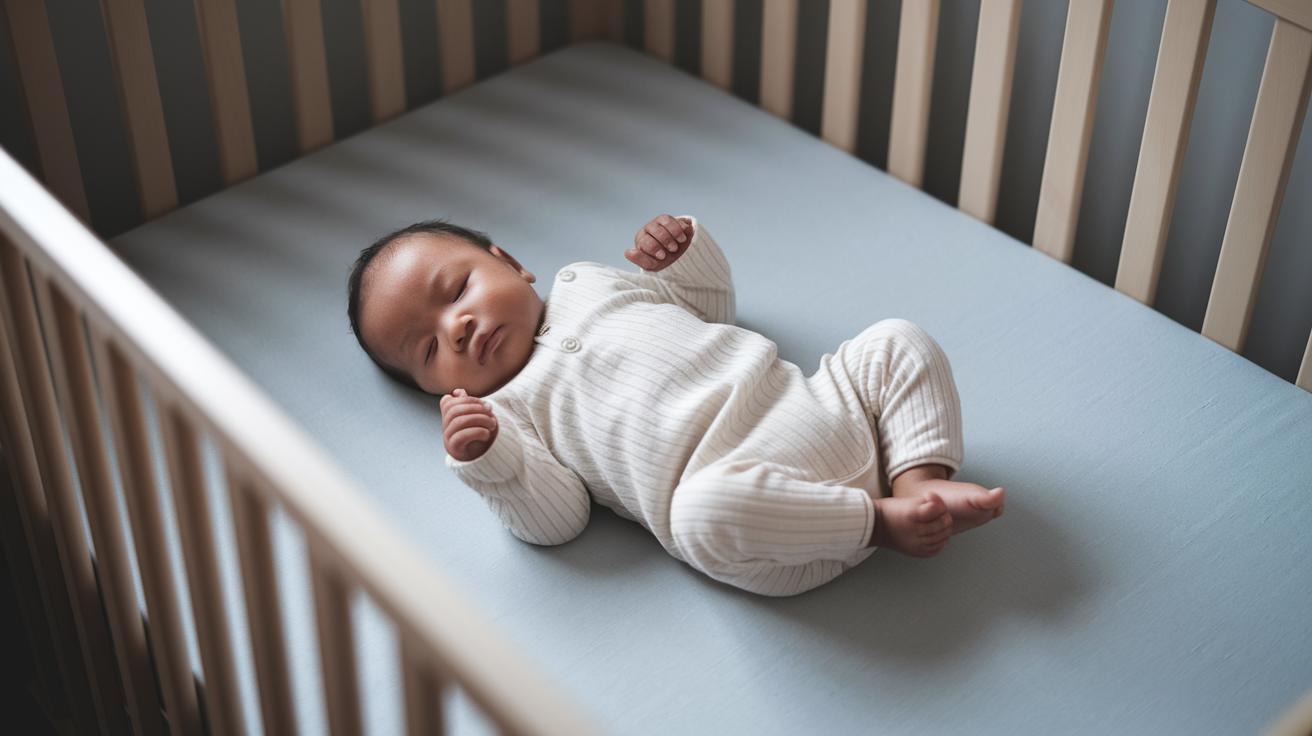
Safety matters when choosing sleep aids for your baby. This guide shares simple, updated tips to help you set up a secure sleep space.
-
Start with a firm, flat crib mattress that fits perfectly. Use only a snug fitted sheet and skip the loose blankets, pillows, or plush toys. This creates a safe and cozy sleep zone for your little one.
-
If you use a white noise machine, keep it below 50 dB. That gentle hum protects your baby's delicate ears while offering a soothing background sound.
-
A pacifier might help reduce the risk of SIDS. While it may not always make your baby fall asleep faster, think of it as a soft, comforting tune that eases them gently into sleep.
-
Always let your baby sleep on their back. Only consider side-sleeping if your pediatrician has given the green light.
-
Avoid unregulated sleep supplements since there aren’t approved dosage guidelines for infants. Stick with trusted sleep aids, it's like following a recipe with all the right measurements.
When in doubt, have a chat with your pediatrician to find the best option for your baby.
Organic Nocturnal Remedies and Herbal Sleep Aids for Infants
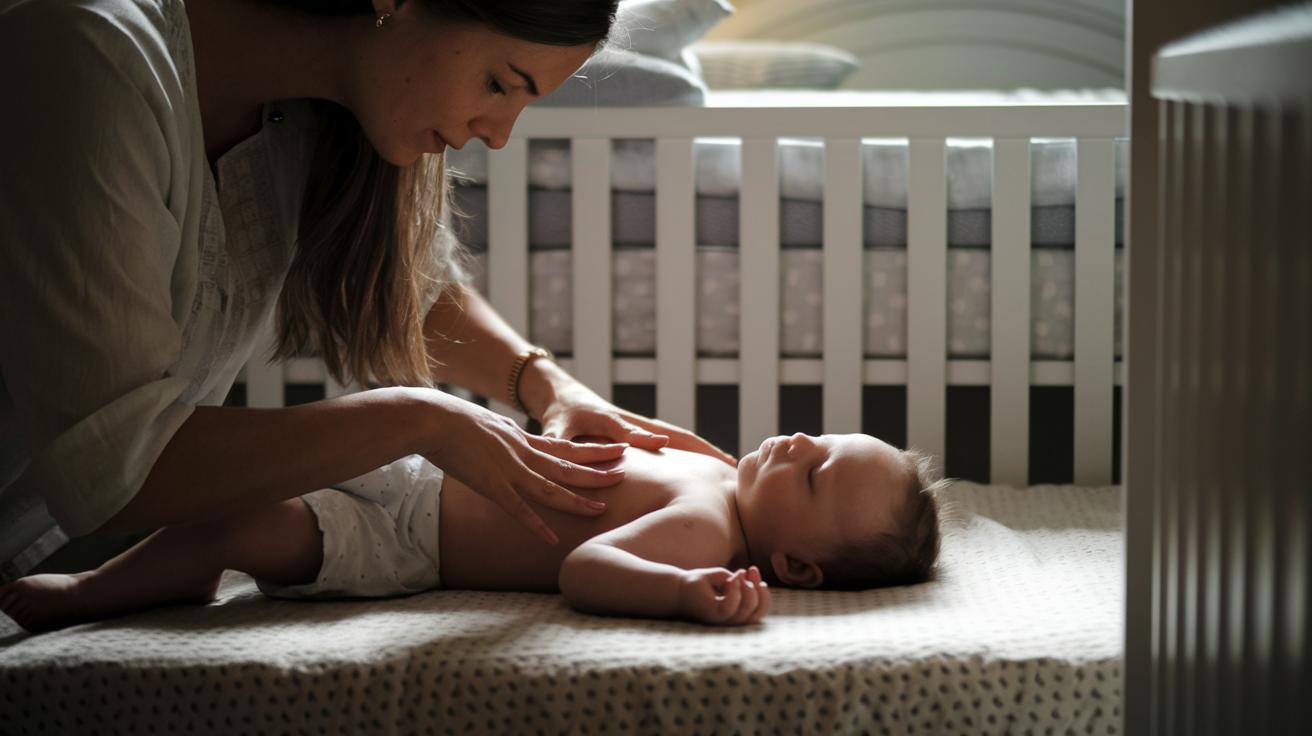
Recent studies suggest that herbal sleep aids might help little ones drift off peacefully, though the research isn’t completely settled. Some parents have noticed that a gentle, lavender-scented massage can lead to fewer night wakings, but results vary. Many moms and dads also love a warm chamomile bath to soothe their babies, even if experts haven’t nailed down the perfect, baby-safe amount yet. Most of what we know comes from parents sharing their experiences, rather than strict scientific tests.
Other natural helpers, like valerian and special herbal drops, are being tried by caring parents in hopes of inspiring a quiet night’s sleep. While these organic options offer a comforting choice instead of synthetic remedies, professionals still advise us to be careful since thorough research on safety and results is still missing.
- Lavender: It might help relax your baby during a massage, though the benefits aren’t clear-cut.
- Chamomile: Many swear by its gentle, soothing effect in baths, but we still don’t have exact guidelines for infants.
- Valerian: A few parents say it calms their little one, though we lack strong clinical evidence for its use in newborns.
- Proprietary Herbal Drops: Promoted as a natural way to encourage sleep, but caution is needed since solid proof of their reliability is still pending.
If you’re thinking about these remedies, it’s important to proceed carefully and always check with a health professional before adding anything new to your baby’s routine.
Non-Prescription Sleep Aids and Nighttime Options for Infants
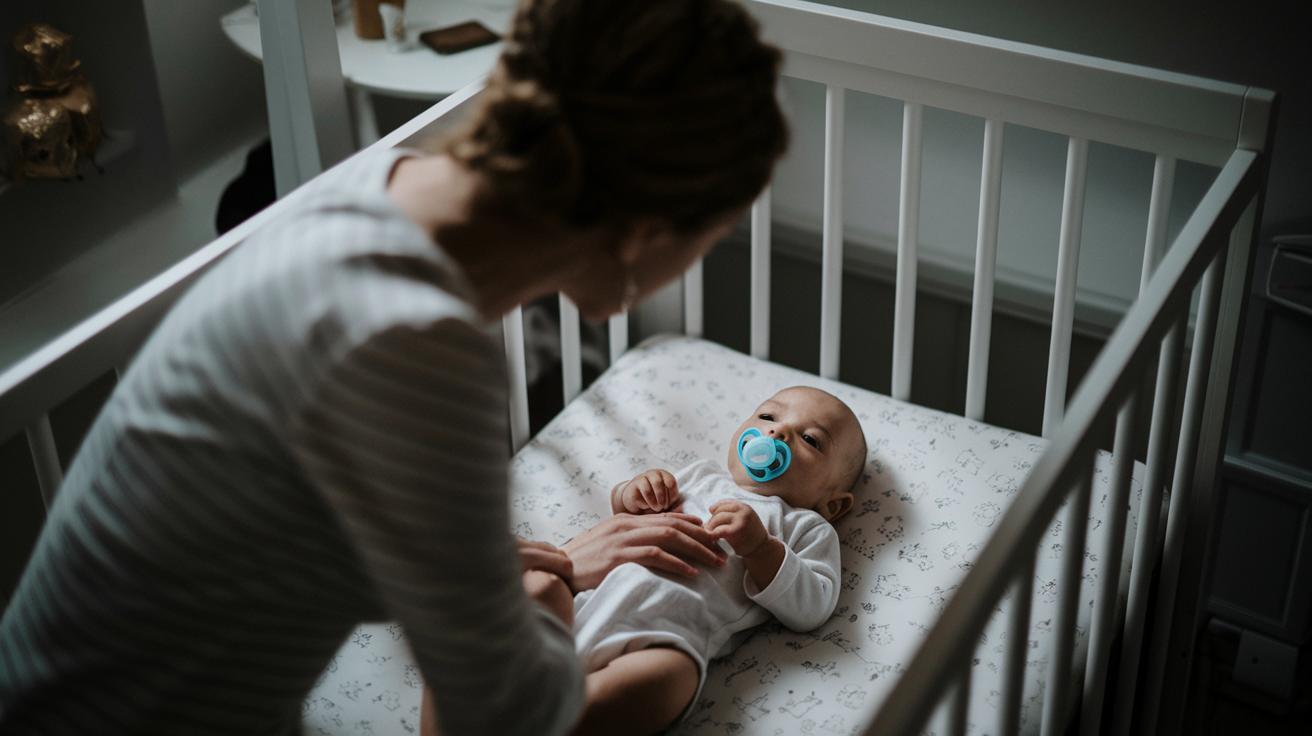
Many parents discover comfort in non-medical sleep aids when helping their little ones settle down at night. These gentle methods let your baby drift into longer, more peaceful sleep without using medications.
-
Pacifier: A pacifier is a popular choice. Research even suggests it might lower the risk of SIDS and help your baby learn to calm themselves when they're tired. Of course, it doesn't necessarily make them fall asleep any faster, so many parents keep its use in check.
-
Dream feeding: This cozy trick means giving your baby a feed right before they fully wake up. For about one in four infants, this can add an extra 30 to 60 minutes of sleep. Just be mindful that if used too often, it might disturb the natural sleep rhythm.
-
Nursing or bottle-feeding: A feeding session before bed is a tried-and-true way to show love and provide comfort. This ritual can create a warm, nurturing moment that helps your baby relax. However, if it becomes a regular need for sleep, some parents find it useful to slowly reduce the habit as their baby grows.
Finding the right mix of these soothing methods, without over-relying on any one, can help create a balanced, healthy sleep routine for your little one.
Evidence-Based Routines and Techniques to Enhance Sleep in Infants
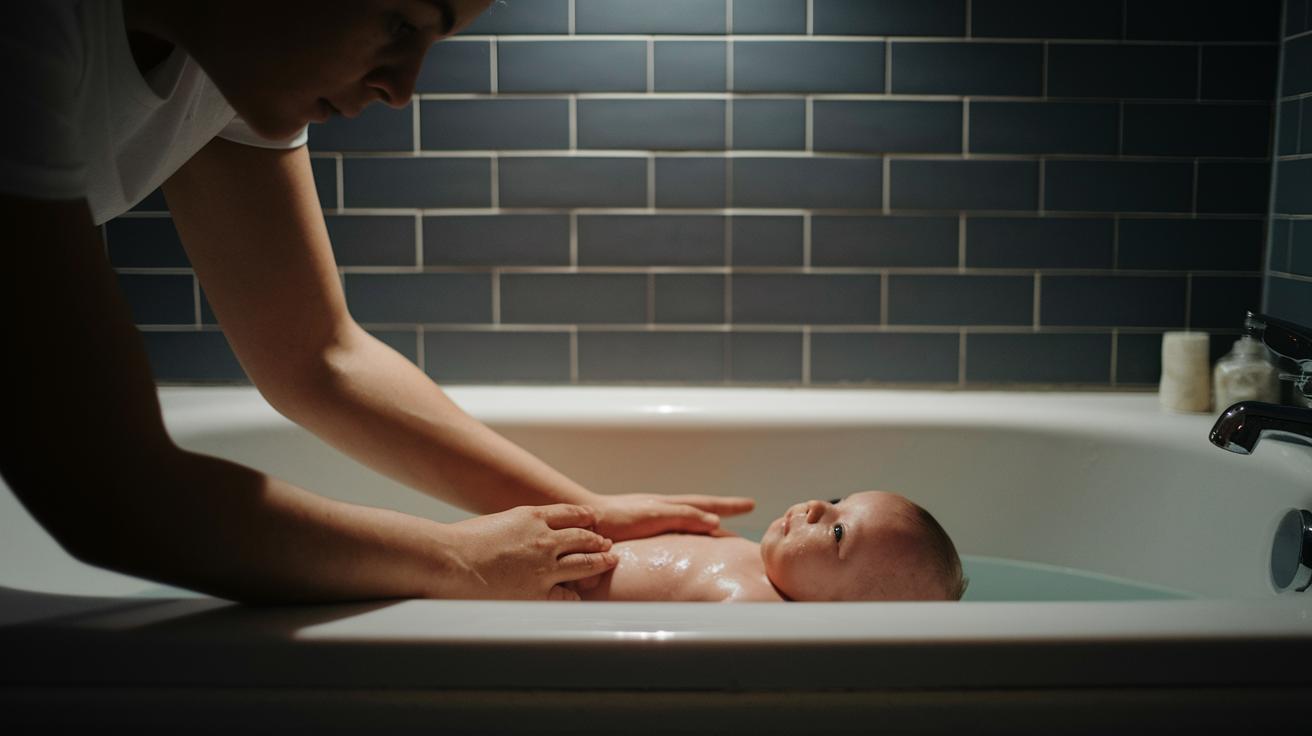
Creating consistency helps your baby sense that it's time to sleep. A regular routine sets a calm stage and supports your little one’s natural sleep patterns.
Bedtime Routine
A simple 20-minute routine can work wonders. Start with a warm bath that relaxes your baby, then gently massage to ease any tension. Next, share a short story that sparks their imagination and sing a soft lullaby in a calm voice. Finally, dim the lights to signal that sleep is near. For example, you might say, "After a bubbly bath, I softly massaged my baby, then read a sweet story, and as the lullaby played, the gentle glow of the nightlight made everything feel secure and cozy."
This five-step routine, bath, massage, story, lullaby, and dim lights, quietly tells your baby that it's time to rest. Many parents notice that as they repeat this special ritual each night, their baby settles faster and enjoys a deeper, more peaceful sleep.
Massage and Skin-to-Skin Contact
A gentle massage can be a comforting touch that helps reduce nighttime wake-ups. Just a few minutes of slow, rhythmic strokes can ease your baby into a peaceful state.
Holding your baby close through skin-to-skin contact adds even more comfort. When your baby feels your warmth against their little body, it helps create a secure feeling that can lead to longer, uninterrupted sleep. These calm moments build a loving bond between you two.
- Morning natural light exposure
- Avoiding blue-spectrum light after early evening
- Utilizing white noise machines as sleep-time cues
- Gentle rocking or walking at sleep onset
- Maintaining consistent feeding and sleep schedules by 3–4 months
- Consistent wake-times
Sticking with a consistent routine and gentle cues creates a nurturing environment that guides your baby to a night of sweet, restful sleep.
Introducing and Phasing Out Sleep Aids in Infant Routines
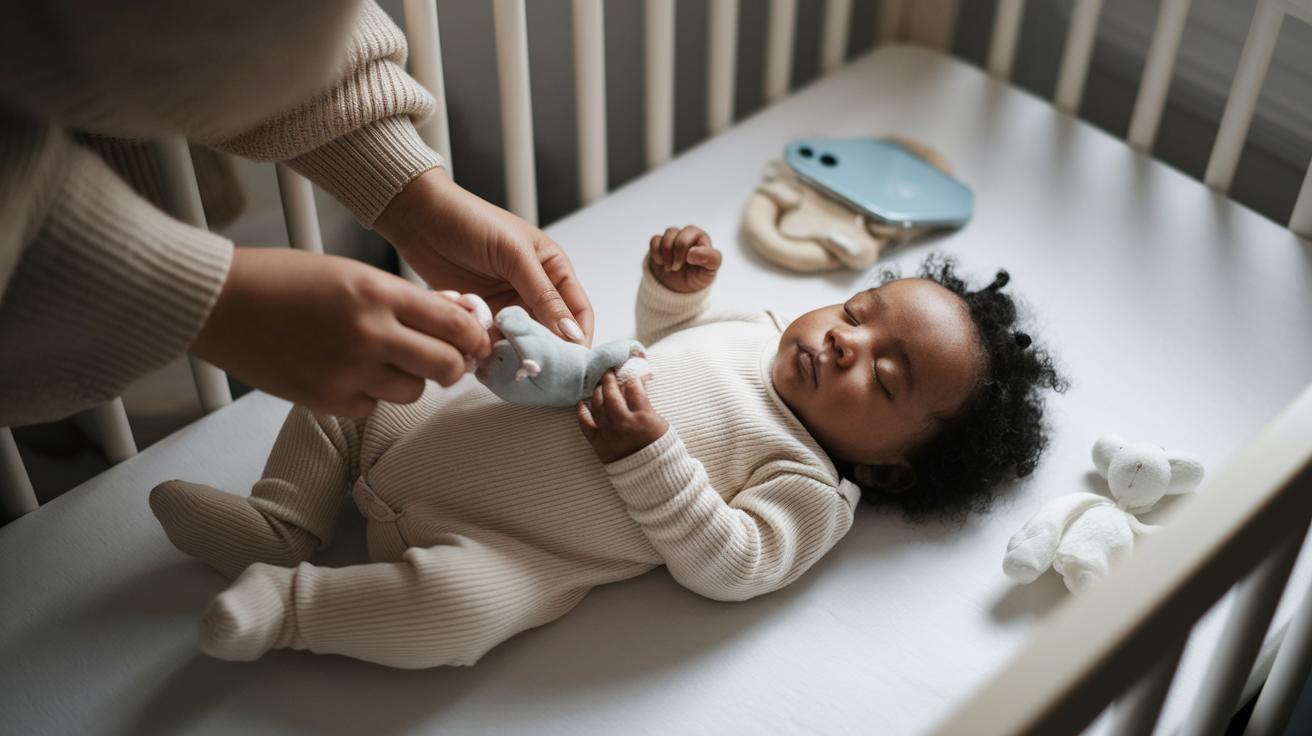
When it’s time to adjust your baby’s sleep aids, take it slow to keep your little one feeling safe. Changing from one sleep aid or routine to another works best when you allow 7 to 14 days for your baby to settle into the new rhythm. A few small, steady changes can help your baby feel secure while learning fresh sleep habits.
- Gradual elimination: Ease out of sleep aids like rocking over one or two weeks. This gives your baby time to adjust without feeling hurried.
- Object swap: Swap a pacifier for a soft, comforting lovey. It’s a familiar touch that gently signals a change in sleep habits.
- Cue introduction: Bring in a new lullaby or introduce a gentle night-light. These new cues can help your baby recognize that it’s time to sleep.
- Routine reinforcement: Stick to a simple and consistent bedtime routine, like a bath, a book, and a song. This creates a warm, predictable environment your baby can rely on.
If you notice a few bumps along the way or a bit of regression, don’t worry. Just go back to the parts of your old routine for a little while longer, and give the new cues some extra time to take hold. With a little patience, both you and your baby will build a cozy, confident sleep routine.
Final Words
In the action of sharing practical insights, we explored safe sleep guidelines and introduced a range of sleep aids, from gentle white noise and rocking bassinets to herbal remedies and non-prescription solutions. We looked at evidence-based routines that bring consistency and calm to nightly rest and discussed gradual strategies for introducing and phasing out these aids. Each section reminds us to keep safety and baby comfort at the forefront. Remember, the right sleep aids for infants can make nighttime a little sweeter for both baby and parent. Enjoy crafting that tender, serene sleep space.
FAQ
Are sleeping medicines safe for babies under 1, under 2, 3 months, 6 months, 1 year, or even 2 months old?
The answer indicates that sleep medicine is generally not advised for infants regardless of age. Pediatric guidance and safe sleep guidelines should always direct any use of sleep aids.
Is baby sleeping medicine recommended for use during flights?
The answer explains that using sleep medicine for air travel isn’t typically advised without professional advice. Parents should focus on comfort and familiar sleep routines during flights.
What natural sleep remedies can help babies sleep better?
The answer shows that natural sleep remedies, like white noise, pacifiers, or swaddling, can create a soothing environment. Always follow safe sleep guidelines and consult your pediatrician.
What can I give my infant to help sleep, and can babies take sleep aids?
The response clarifies that while many natural sleep aids—such as pacifiers or swaddles—are safe options, any sleep medication or supplement should only be used under strict pediatric advice.
What is the 5 3 3 rule for baby sleep?
The answer explains that the 5 3 3 rule suggests allowing a brief period for self-soothing, checking within a few minutes, and then giving the baby time to settle. Adjustments should be made based on your baby’s cues.
What is considered the best baby sleep aid?
The answer states that the best sleep aid varies with each infant’s needs; many parents find that a safe sleep environment with consistent routines, gentle white noise, and comforting swaddles works best.