

Ever find yourself wondering why your little one just won’t settle down for sleep, even when they're so tired? It can feel like you’re caught in a cycle of short naps and frequent wake-ups, leaving both of you a bit worn out. When babies get overtired, their tiny bodies release extra stress hormones, making it hard for them to relax. In this article, I share some gentle, practical tips to help your baby drift into a calm, snug sleep. Whether it’s using a soft swaddle or creating a quiet room, these ideas can turn those tearful moments into peaceful, cozy rest times.
Immediate Soothing Strategies to Help an Overtired Newborn Sleep: Calm Bliss

Sometimes your baby seems so tired but just won’t settle down. You might see short naps, frequent wake-ups, or even little meltdowns. It happens because when babies get overtired, their bodies release extra stress hormones. This can make it hard for them to relax, and soothing can feel like a race against time.
At moments like these, try these gentle, simple steps to help your baby move from a stressed state to a peaceful sleep. Every baby is a bit different, so feel free to try each tip to see which one works best for your little one:
- Swaddle them snugly in a soft wrap that mimics the comforting hug of the womb.
- Play soft white noise that reminds them of the gentle sounds they heard in the womb.
- Offer a pacifier to help satisfy their natural need to suck.
- Use a slow, rhythmic rocking motion to help calm their busy little heart.
- Enjoy skin-to-skin time, which can help balance their temperature and heartbeat.
- Babywear your child in a soft wrap, creating a secure and cozy space.
If one round of these soothing steps doesn’t do the trick, don’t worry. Gently cycle through them again, keeping your approach soft and consistent. Before you know it, your baby will start drifting into a quiet, blissful sleep.
Environmental Adjustments for Overtired Newborn Sleep

Creating a cozy sleep space can really help your baby calm down quickly. Imagine a room kept at a gentle temperature of 68–72°F (20–22°C) with soft lighting measured at less than 3 lux, it feels like a tender hug for your little one. These steady, soothing settings help signal to your baby that it’s time to settle in.
Keeping noise to a minimum is just as important. Try to keep sounds below 40 dB. A white noise machine, set between 50–60 dB, can mask unexpected sounds and remind your baby of the gentle hum they once knew in the womb. Together with a clean, organized crib, free of loose bedding and pillows, this setup creates a safe and comforting haven for your baby.
| Parameter | Recommended Level |
|---|---|
| Temperature | 68–72°F (20–22°C) |
| Ambient Light | Under 3 lux |
| Noise | Below 40 dB (white noise 50–60 dB) |
A safe crib is a must-have, think of a firm mattress with a snug fitted sheet and no extra items that could accidentally disrupt their sleep. For more safety tips, check out the safe sleep guidelines for infants on our website.
Creating a Consistent Sleep Routine to Prevent Overtiredness

Newborns enjoy short wake windows of about 45 to 60 minutes. When we stick to that, it helps avoid stress that can make sleep trickier. Naptime is key, aim for 2 to 4 daytime naps, and try to settle them down with an early bedtime around 6:00 or 6:30 pm. A steady routine gives your little one a sense of comfort and makes bedtime a bit smoother each night.
Here are some simple ideas to try:
- Start with a consistent pre-sleep routine. Begin with a quick diaper change, a gentle feed, and a soothing lullaby.
- Balance lively play with calm, quiet time. This way, your baby isn’t awake so long that they get overtired.
- Stick to the same bedtime every evening. A regular schedule with calming cues tells your baby that it's time to sleep.
Keeping this routine every day helps your baby know what to expect and creates a peaceful environment. Over time, this gentle consistency not only eases nighttime fussiness but also builds healthy sleep habits for your little one.
Recognizing and Responding to Overtired Sleep Cues in Newborns

Newborns tend to show you when they're getting sleepy. Look out for simple signals like yawning, rubbing their eyes, or gazing off blankly. You might also catch softer hints such as fussiness, turning their head, or even a gentle little arch of the back. These cues are clear messages that your baby needs a nap before exhaustion sets in.
When we miss these early signals, it can make sleep time tougher. If a baby's tired cues go unnoticed, their body may start releasing extra stress chemicals that make it hard to relax, even when they seem completely worn out. Catching these signs early helps prevent those unnecessary stress responses and makes bedtime a kinder experience for everyone.
To help your baby drift off more easily, try these two gentle tips. First, softly guide your little one into a quiet space as soon as you spot any signs of sleepiness. Then, create a calm routine with gentle lighting and soft sounds so your baby knows it's time to rest.
Gentle Transition Techniques to Ease an Overtired Newborn into Sleep

Swaddling for Secure Nighttime Ease
Swaddling can help your baby feel safe and cozy by calming sudden startles and encouraging better sleep. Wrap them in soft, breathable fabrics such as organic cotton or bamboo to create a gentle, secure hold that’s also kind to their hips. Watch your baby’s cues closely; if they seem uneasy or start to wake up, try loosening the wrap just a little so they can move comfortably while still feeling hugged. Sometimes, leaving a bit more room around the torso while keeping the arms snug can be just like the perfect mix of a warm embrace and gentle freedom.
Utilizing White Noise and Rhythmic Movement
White noise at about 50–60 dB sets a calm, steady background that helps drown out distracting sounds and makes sleep transitions smoother. You can even experiment with a soft murmur paired with a gentle pulse, it might help your baby slip into a deeper, restful sleep. Try combining these calming sounds with a gentle side-to-side rocking or a slow sway, either by cradling them in your arms or using a baby bouncer. Imagine a smooth, continuous hum punctuated by a soft pause, almost like a natural heartbeat. As you rock, keep an eye on your baby’s signals and adjust the pace or swaddle snugness accordingly to make sure they’re as comfortable as possible.
Feeding and Activity Considerations to Support Newborn Sleep

A gentle feeding plan and daily activity routine help your baby drift into a peaceful sleep at night. Feeding on demand gives your little one the nourishment they need, reducing those hunger wake-ups. Breast milk, filled with natural tryptophan, supports melatonin so sleep comes a bit easier. On-demand feeding is a kind, comforting way to manage nighttime rest, just like many new parents find helpful. Listening to your baby’s natural rhythms, paired with fun playtime and quiet moments, can prevent overtiredness and help your baby settle down when sleep time arrives.
- Try pairing 10 to 15 minutes of tummy time with a short nap to recharge energy and ease any tension.
- Plan lively play earlier in the day so that by evening your baby is gently winding down.
- Mix a soothing feeding session with a calm cuddle to ease into a restful state.
Keep an eye on your baby’s hunger cues throughout the day. Sometimes, a little fuss or slower movements can be their gentle way of saying it’s time to eat.
Knowing When to Seek Professional Advice for Newborn Sleep Concerns
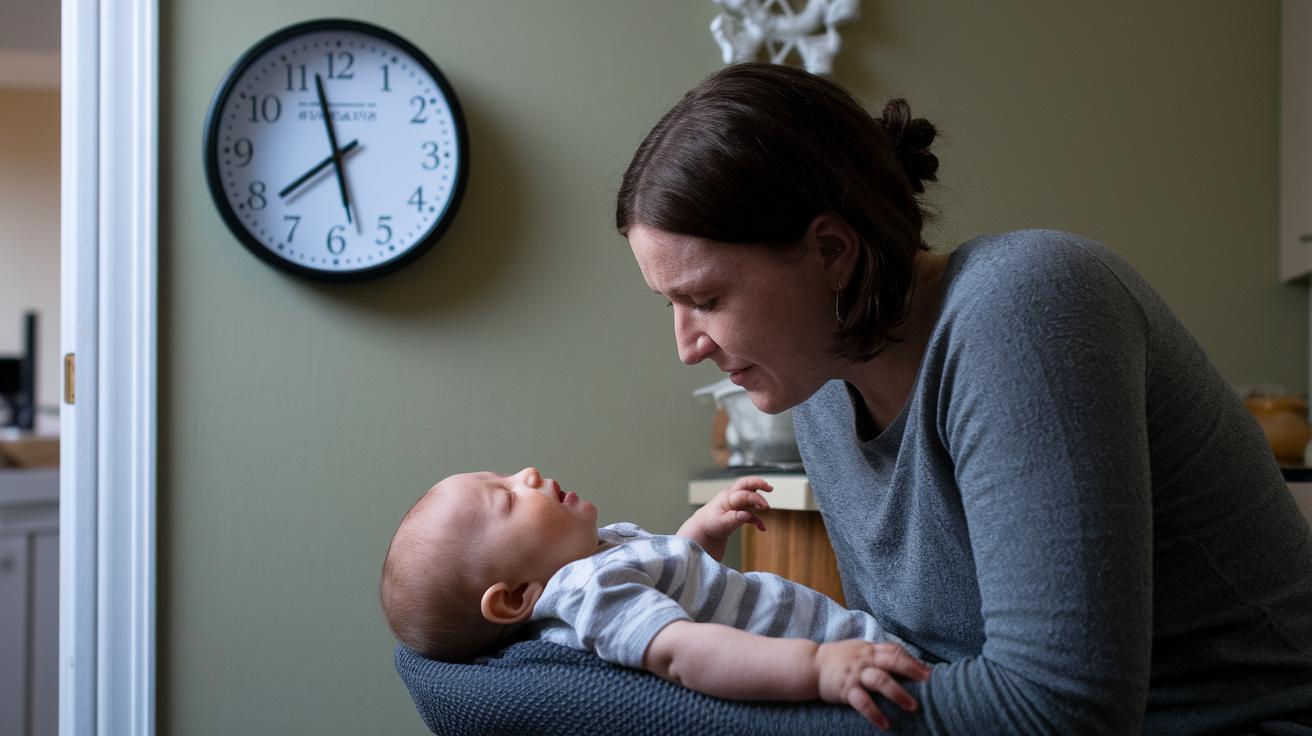
Have you ever felt that pinch of worry when your baby just won't settle, no matter how many gentle cuddles or soft lullabies you try? If your little one stays upset for 30 to 60 minutes of soothing at home, or if you begin to notice persistent fussiness that might come with signs like reflux or feeding troubles, it could be a signal to reach out for professional advice. It’s not just about being overtired, sometimes there's more going on that needs a closer look. Listen to your parental instinct. If what usually works isn’t calming your baby, a little extra help might bring back those peaceful nights.
When over-the-counter remedies and home sleep tips just aren’t cutting it, it might be time to chat with a pediatrician or a certified infant sleep consultant. They can offer warm, reassuring guidance and practical strategies that fit your baby’s unique needs. This expert support not only helps build your confidence but also unearths any underlying issues that might be interrupting your baby's sleep. So, remember, it’s perfectly okay to ask for help when you need it, after all, a good night’s sleep is a gift for both you and your baby.
Final Words
In the action, this article detailed step-by-step ways to soothe an overtired newborn. We talked about immediate tactics like swaddling, white noise, and gentle rocking; setting up a calm environment; and creating consistent routines.
We've shown methods to spot sleep cues and adjust feeding and activities while always keeping safety in mind. Remember, if you're ever wondering how to help overtired newborn sleep, a caring routine and these gentle techniques can make a world of difference. Stay positive and keep trusting your instincts.
FAQ
How can I help an overtired newborn sleep effectively?
Helping an overtired newborn sleep involves using soothing techniques like swaddling, white noise, gentle rocking, and skin-to-skin contact. These steps calm your baby and encourage restful sleep.
What strategies can break the cycle of overtiredness in babies?
Breaking the overtired cycle means creating a calming environment and a consistent sleep routine. Short, regular naps plus a predictable pre-sleep ritual help prevent excessive wakefulness.
Will an overtired baby eventually sleep and catch up on lost sleep?
An overtired baby may sleep eventually, but the quality might be disrupted. Using soothing techniques and keeping a regular sleep schedule can help your baby catch up on rest over time.
What are the signs of a chronically overtired baby?
Signs of chronic overtiredness include short naps, frequent wake-ups, intense fussiness, eye rubbing, and sometimes arching the back. Recognizing these cues early can help in smoothing sleep transitions.
What is the 5 3 3 rule for baby sleep?
The 5 3 3 rule for baby sleep is a simple structure that suggests a brief period of wakefulness, a quick calming routine, and a few consistent steps before sleep. This guideline helps signal that it’s time to rest.
What are the 5 S’s for soothing an overtired baby?
The 5 S’s are five calming techniques invented to help soothe babies: swaddling, side/stomach holding, shushing, swinging, and sucking. These methods can comfort your baby when they’re overtired.
Can overtiredness cause night wakings in babies?
Overtiredness can lead to disrupted sleep, making babies more likely to wake during the night. By keeping soothing routines and sleep-friendly environments, you help reduce these night wakings.