
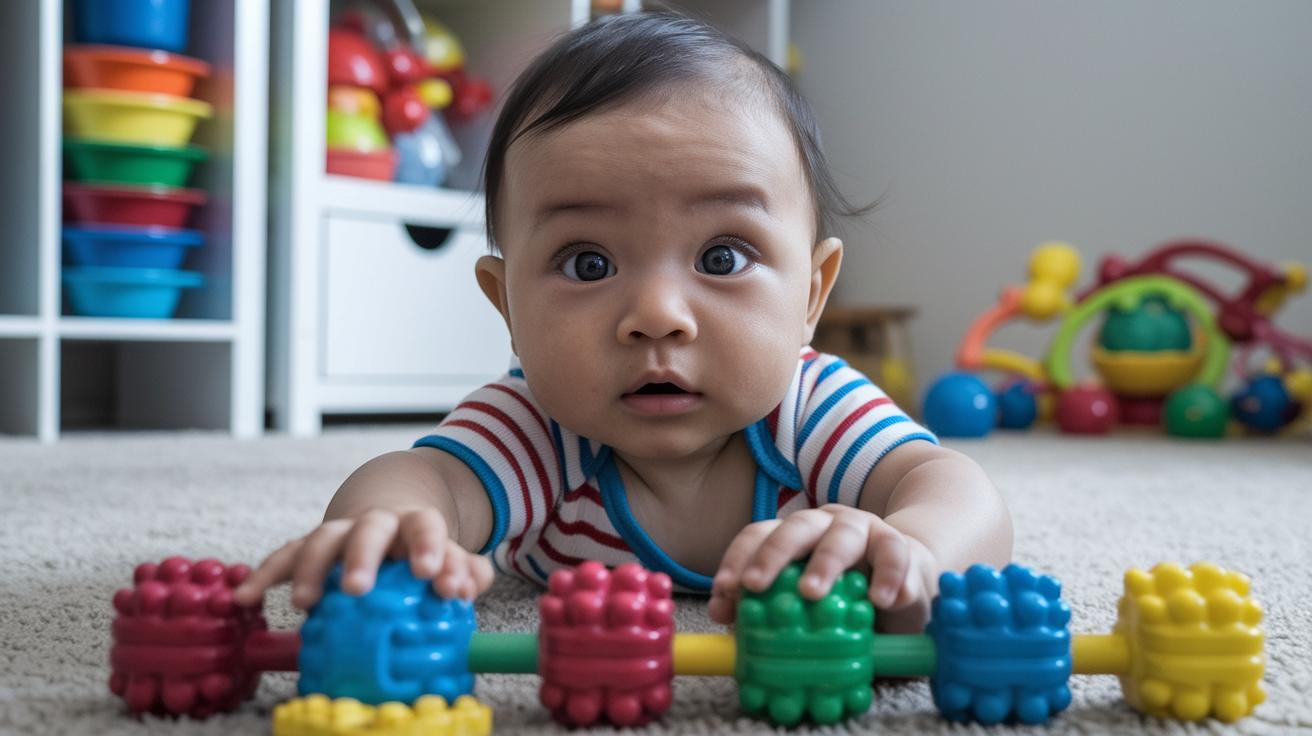
Have you noticed how a baby's little grasp can light up a whole day? When your little one holds a toy, it’s not just about play. It sparks endless joy and helps build strong muscles and a keen sense for hand-eye coordination.
Each smooth silicone ring or textured ball is an invitation for your tiny explorer to discover, touch, and grow. That simple act of play isn’t just fun, it nurtures new skills and turns everyday moments into heartwarming milestones.
How Grasping Toys for Infants Boost Motor Skills and Where to Buy
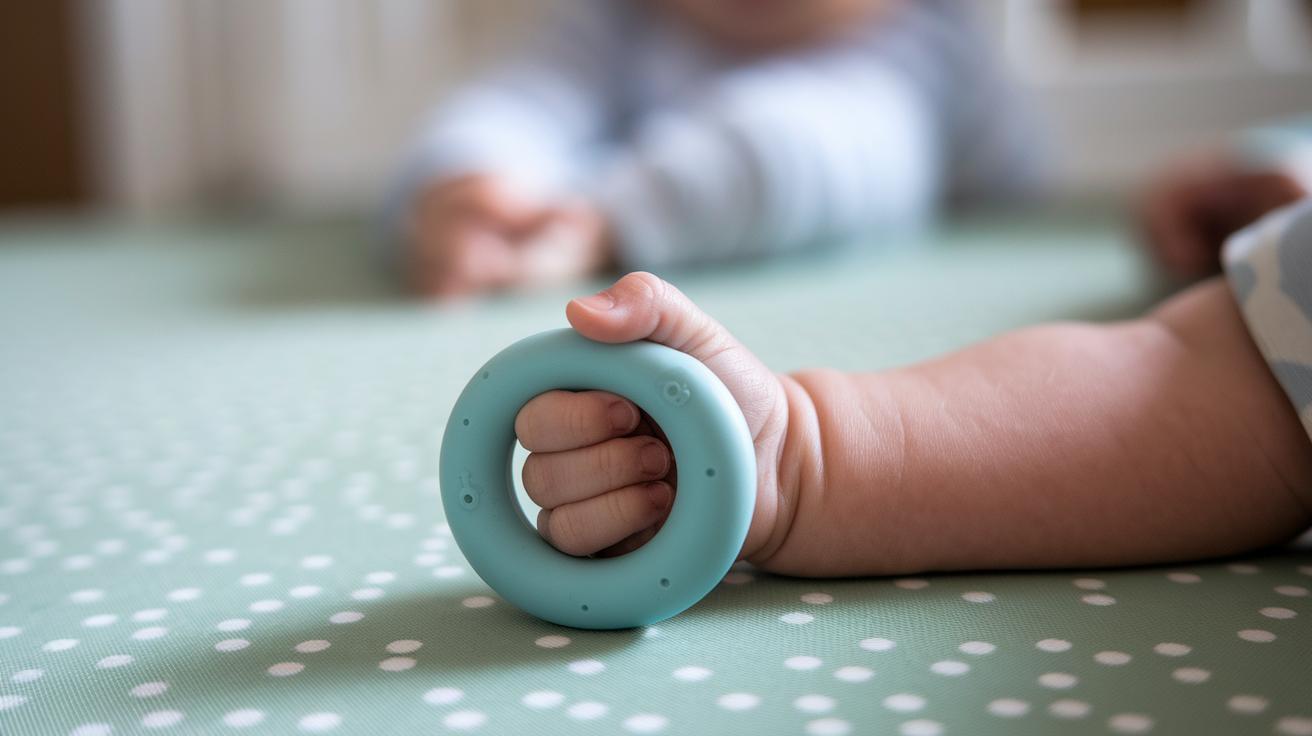
Babies start out with a natural grasp reflex, and by around 3 to 4 months, their little hands begin to hold on purpose. It’s a simple form of play that sets the stage for later skills like finger feeding, drawing, and even writing. Imagine a tiny hand softly clutching a smooth silicone ring, each gentle touch builds the strength and confidence needed for bigger tasks.
Playing with rings, balls, and puzzle shapes is both fun and useful. It gives babies plenty of chances to practice, helping them build muscle strength and improve hand-eye coordination. Every play session is like a mini adventure where a new texture sparks curiosity. Think of it like learning to hold a crayon, it takes time and gentle practice to get it just right.
Toy makers always keep safety in mind by designing products that are just the right size for tiny hands. With smooth edges and safe materials that stand up to lots of play, these toys range from simple silicone rings to textured wooden balls and soft rattles made for everyday fun. Each toy is a little helper, supporting your baby as they reach important milestones.
You can find these special toys at trusted baby stores or reputable online shops. Look for the motor skill development sections where everything is chosen specifically for little ones beginning to explore through touch. Every item is selected to encourage steady improvement and bring a bit of extra joy to your daily playtime.
Grasping Toys for Infants: Tracking Milestones in Hand-Eye Coordination
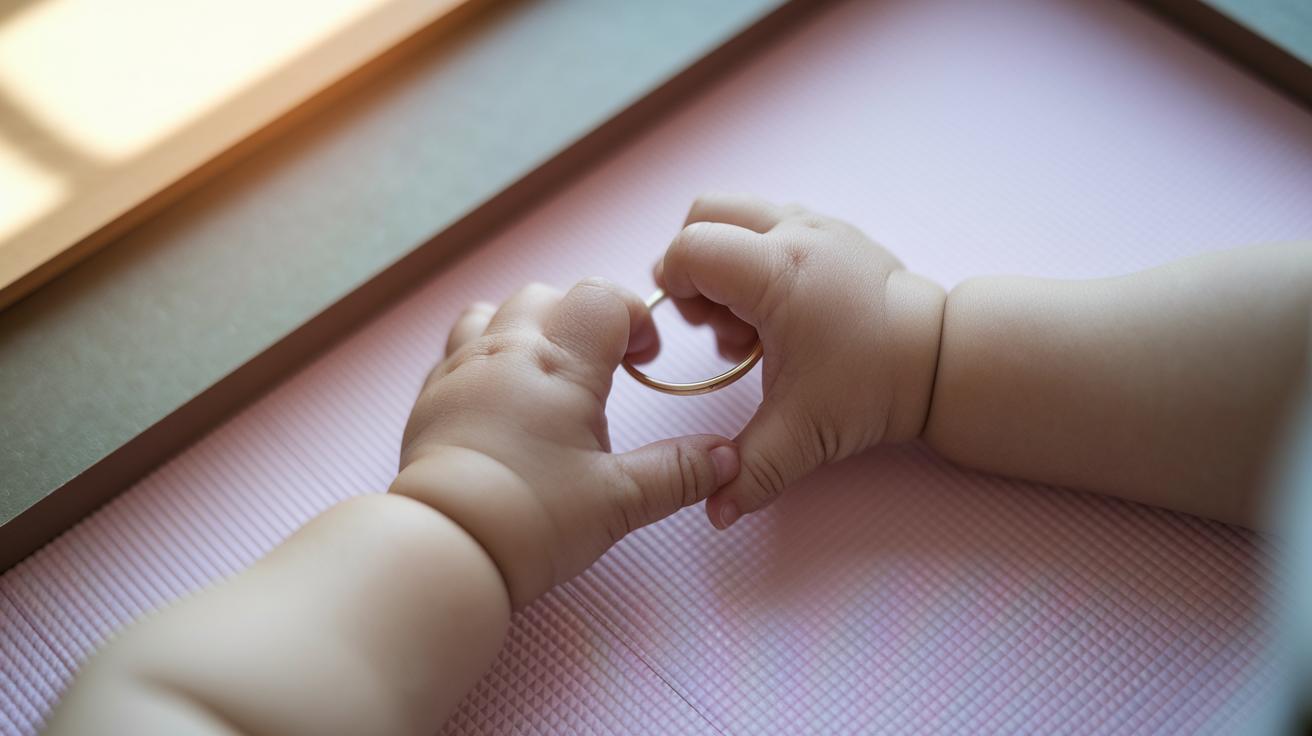
Newborns come into the world with a natural reflex called the palmar grasp. By about five months, this reflex slowly fades, letting way for new skills. Around three months, you might notice your baby reaching out on purpose. It’s a cute moment when they hold a soft rattle or ring with growing control.
By six months, many babies start moving objects from one hand to the other. It’s like watching a gentle dance, with both hands working together. Imagine your little one transferring a soft ring from one palm to the next, a simple playtime activity that builds important skills.
Then, when your baby is around nine or ten months, a new skill often appears: the pincer grasp. With this, they can use their thumb and forefinger to pick up tiny items. Think of a moment when your baby carefully grabs a small bead, exploring its texture with such adorable concentration.
Each of these steps is a wonderful milestone in hand-eye coordination. Age-appropriate grasping toys aren’t just fun to play with, they’re key pieces in your baby’s growing world.
Safety Standards and Materials in Infant Grasping Toys

Baby toys made for little hands are designed with safety first. They’re built to strict standards so that your baby can explore safely. For example, many of these toys have a round shape with a diameter of over 1.5 inches. This careful sizing makes sure your baby won't accidentally swallow the toy, giving you peace of mind during play.
The materials used in these toys are chosen with care. They are lab-tested to be free of harmful chemicals like BPA, phthalates, PVC, and lead. Imagine a gently curved ring that your baby can hold, safe just like a cherished friend.
Every toy is finished smoothly with securely sealed seams to remove any chance of sharp edges or loose parts. Many of these toys are even dishwasher-safe, which makes cleaning them really easy. When you’re picking out non-toxic toys, look for labels such as childrens toy safe or non toxic toys. These labels show that the toy not only meets safety rules but also helps your little one play and explore without worry.
With every design choice, these toys support safe and joyful exploration for tiny hands.
Grasping Toys for Infants: Spark Joy in Play

Choosing a toy that fits your baby's stage turns every play moment into a fun chance to learn and grow. These toys are made just right for tiny hands, helping your little one build new skills in a gentle, playful way.
For babies aged 0–3 months, simple yet captivating toys work wonders. Think of a soft ball with bold, contrasting colors that encourages your baby to follow its movement and practice grasping. A classic wooden rattle gives off a soft, soothing sound that catches their ear and eases them into play.
Between 3–6 months, babies start reaching out more on their own. Montessori-inspired grasping rings, perfectly sized for little hands, invite self-guided exploration. A rolling bell not only makes cheerful sounds but also nudges them to scoot around and experiment with new movements. Changing textures and designs can keep their play time exciting as their coordination continues to develop.
Around 6–9 months, play becomes a bit more challenging. A chunky knob puzzle is just right for tiny fingers, helping them learn how pieces fit together while sharpening their motor skills. A silicone cup made for open-cup practice is also a great tool to boost hand strength while preparing them for bigger tasks down the road.
By 9–12 months, toys start to encourage independent exploration. An object permanence box shows that even if something is hidden, it still exists, a simple, effective early lesson in cause and effect. A treasure basket filled with items of different textures invites your baby to explore and play on their own, sparking curiosity with every touch.
Every toy is chosen to make playtime a delightful, growing adventure for your baby.
Montessori-Inspired Grasping Toys: Sensory Exploration for Infants
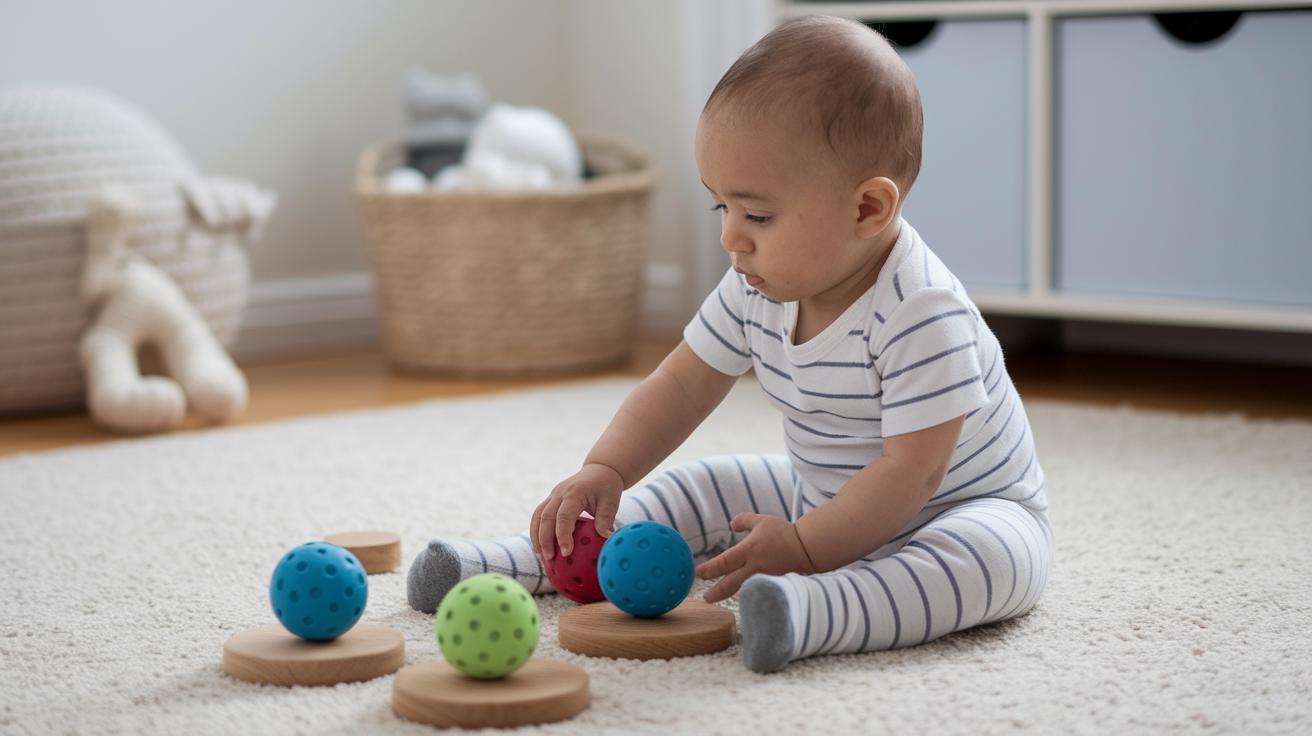
Montessori-based grasping toys add a fun and learning twist to playtime. Soft balls in bold, contrasting colors help your baby track movement with their eyes while learning to grab them. They invite your little one to explore bright hues and textures, all while gently building hand-eye coordination.
Hand-to-hand transfer discs are just right for babies around five to seven months. Imagine your baby passing a disc from one hand to the other, a simple move that grows their motor skills in a big way. Textured wooden rattles and rolling bells mix touch and sound, with gentle clinks that spark both tactile and auditory senses during play.
Switching up ring textures every week keeps things fresh and exciting. Changing the feel of the toys not only holds your baby’s interest but also provides a new kind of tactile experience, like a fresh bedtime story each night. These sensory exploration toys are more than cute playthings, they’re helpful tools that support your child’s everyday discoveries and growing coordination.
Practical Tips for Introducing and Rotating Grasping Toys
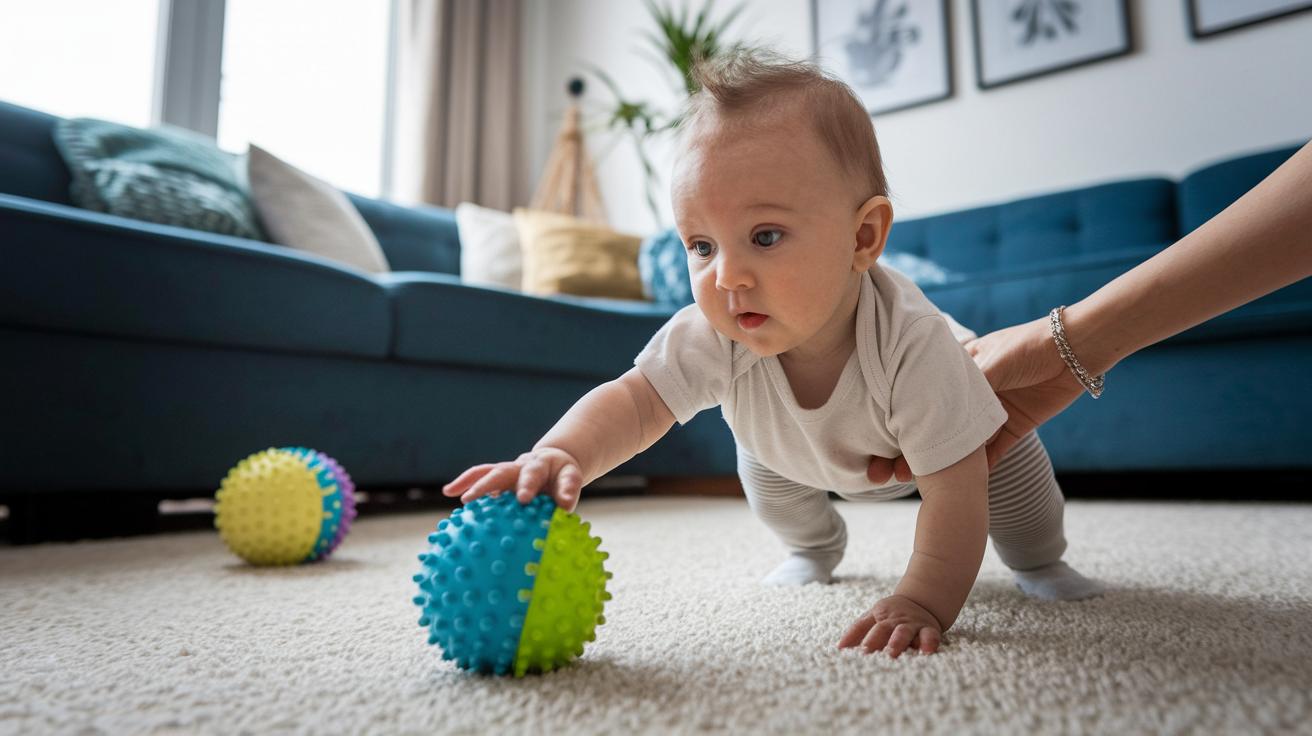
Playtime becomes a real adventure when you switch up your baby's grasping toys each week. Changing the toys lets your little one feel different textures and weights, sparking curiosity and gently challenging those growing skills. Imagine swapping a smooth silicone ring for a textured ball one week, it transforms playtime into a fresh, delightful experience.
You can make exploration extra special by gently placing a toy in your baby's hand. Show them the way by guiding their tiny fingers under the toy, almost like saying, "This is how it's done!" This little moment of hands-on help really builds their confidence.
Try weaving these engaging toys into different parts of your day. Whether it's during bath time, tummy time, or even while changing a diaper, making play a part of everyday routines turns learning into fun. It’s the simple, warm moments that really bond you together.
And don't forget about teething! When those new little teeth start appearing, introducing a chewable silicone ring or another teething-friendly toy not only soothes sore gums but also supports oral-motor and tactile growth.
Here's a quick recap:
| What to Do | Why It Helps |
|---|---|
| Rotate toy sets weekly | Keeps playtime fresh and engaging |
| Demonstrate holding techniques | Builds confidence and skill |
| Include toys in daily routines | Makes learning natural and fun |
| Use teething-safe toys when needed | Soothes gums and boosts tactile development |
Final Words
In the action of exploring key developmental milestones and safety features, this post shows how grasping toys for infants boost motor skills while keeping play safe and exciting. It highlights age-specific picks, eco-friendly materials, and practical tips to bring out the best in tiny hands. The advice blends trust with hands-on parenting tips that help make playtime both fun and beneficial. Every moment with a safe, well-chosen toy is a step toward more confident, joyful growth.
FAQ
FAQ
What are grasping toys and why are they important for infant development?
Grasping toys boost motor skills and hand-eye coordination. They support early feeding and fine motor tasks by encouraging babies to practice holding and manipulating objects.
What grasping toys are best for different infant ages (0–3 months, 3 months, 6–12 months)?
For 0–3 months, high-contrast soft balls and classic rattles work well. At 3 months, a simple silicone ring fits perfectly. For 6–12 months, chunky puzzles or textured objects help build coordination.
When should a baby start using grasping toys?
A baby begins intentional grasping around 3–4 months. Before that, the reflexive grasp is common, but the playful practice starts in early infancy.
How can I encourage my baby to practice grasping?
Encouraging grasping involves guiding your baby’s hand with the toy, rotating different textures, and involving these toys in everyday routines like tummy time or during a diaper change.
What safety features should I look for in infant grasping toys?
Look for toys that are non-toxic and free of harmful chemicals. They should be sized to prevent choking, with smooth finishes and securely sealed parts for safe play.
Where can I find a variety of recommended grasping toys like infant sensory toys, busy boxes, and stroller toys?
You can find a range of trusted, developmentally appropriate options on popular retail sites like Amazon and specialty baby toy stores that offer curated selections for different infant stages.