
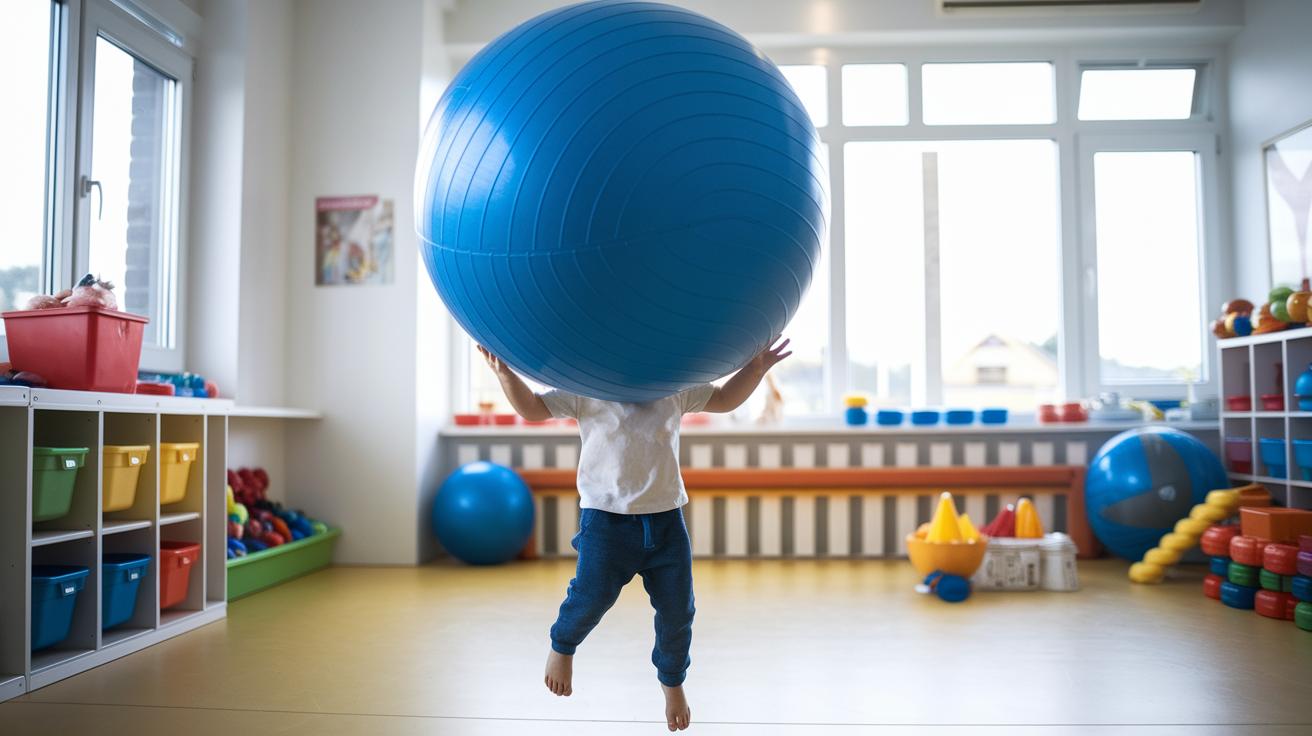
Have you ever noticed how certain toys can spark your child's inner strength? Picture your little one laughing and wiggling as they discover new skills. Gross motor toys help turn play into small celebrations of growth by challenging balance, coordination, and letting fun shine through.
In this piece, we'll look at some exciting toy choices that make movement feel like pure joy. These toys not only encourage playful wiggles but also help build important skills. Get ready to transform playtime into a heartwarming, muscle-building adventure.
Age-Based Top Picks: Toys for Gross Motor Development
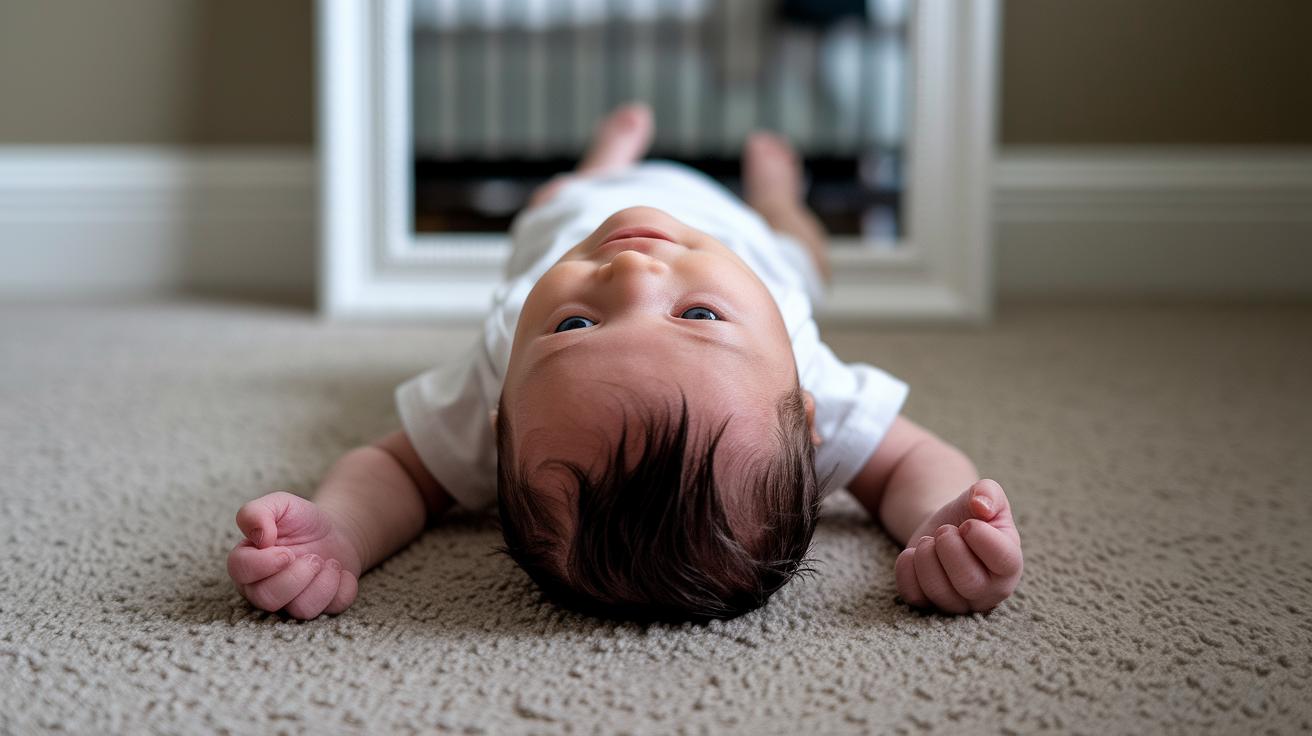
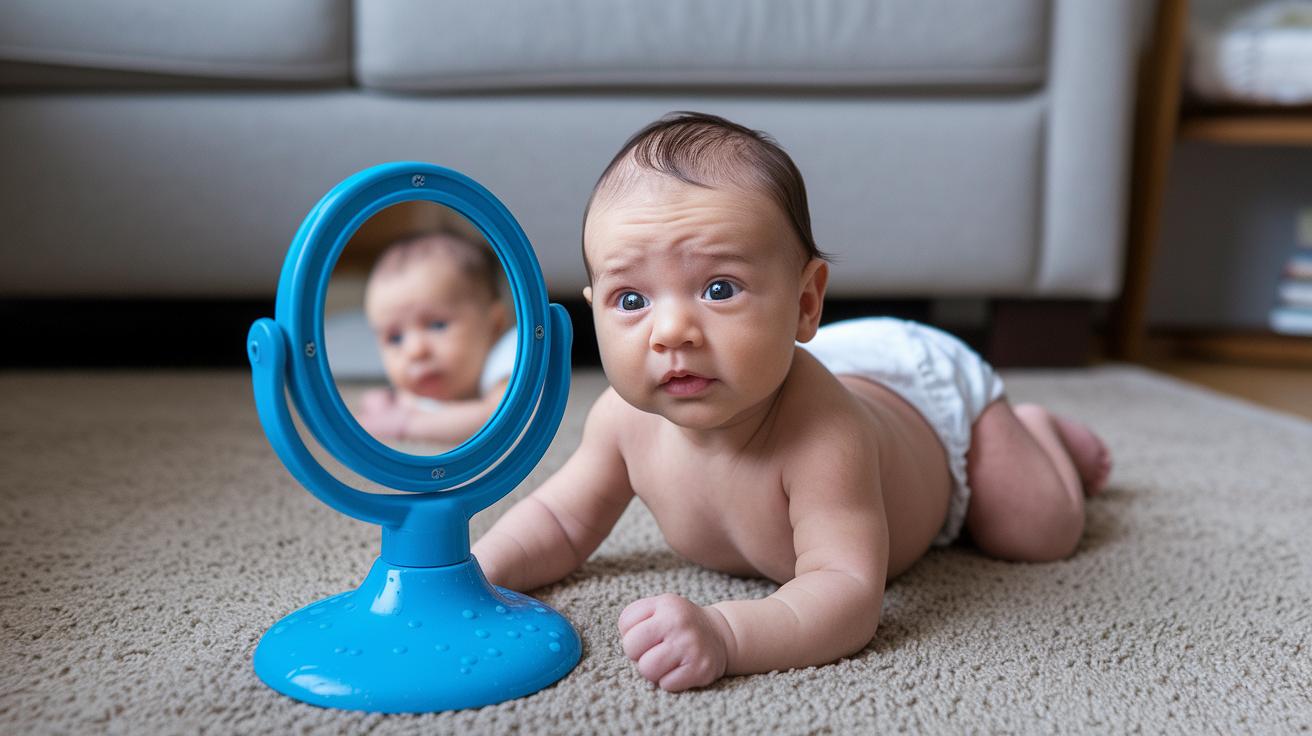
For newborns, the Sassy Tummy Time Floor Mirror is a delightful way to help your little one practice lifting their head and reaching the middle of their body. It’s gentle, vibrant, and sure to catch your baby’s interest. I remember the first time I set it up tummy-up, and my baby’s eyes sparkled as if meeting a delightful new friend. You can explore more details on this toy over at Tummy Time Toys: https://bsnuggs.com?p=370.
At 3 months, the Tummy Time Water Mat becomes a playful guide, inviting your baby to reach out and shift their weight while discovering fun textures. Its interactive design transforms every mat time into a little adventure that both you and your baby can smile about.
When your baby reaches 6 months, the Indestructible Book steps in with a purpose. Specially made to strengthen the arms and core, this lightweight, chewable, and tear-resistant book is a fuss-free friend. Watching a six-month-old hold on to the book, full of determination, reminds you of how every small grasp is a step towards big milestones. Check out more about it on Toys for 6 Months: https://babyhalfoff.com?p=78.
By 9 months, the Playskool Walk ’n’ Ride steps up as a dual-purpose wonder. Not only does it serve as a push walker, but it also transforms into a ride-on toy, turning those first wobbly steps into a fun little adventure that brings out smiles all around.
At 1 year, large trucks offer more than just play, they spark crawling, pushing, and a close connection between parent and child. Their friendly size and appealing design gently motivate your child to move with energy and joy.
For 18-month-olds, the Step2 Sports Climber is a true indoor-outdoor play haven. With its climbing structure, slide, and basketball hoop, it lays out the perfect blend of exercise and fun, helping tiny muscles gain strength with every hop and climb.
For the adventurous 2-year-old, the Playground Ball (all under $10) opens up a world of playful kicking, bowling, and tossing through hula hoop targets. Its cheerful design encourages agile play and lots of giggles along the way.
Finally, at 3 years, the Strider Balance Bike offers an exciting boost in balance and coordination. With an adjustable seat and handlebars, this bike readies your child for the day they’ll pedal on a full-size bike, all while sharing in the joy of discovering movement.
Core Categories of Toys for Gross Motor Skill Building

If you’re searching for toys that boost coordination and build confidence, you’re in the right place. Whether your little one is between 1 and 2 years old or a curious explorer aged 3 to 10, there are plenty of options designed to strengthen muscles and help them feel sure on their feet.
Climbing toys, like fun domes or the charming Montessori Triangle and Arch, invite kids to explore big movements. They get to use their large muscles while learning how their bodies work, all in a safe and exciting way.
Balance toys also make a big difference. Think of a sturdy wooden board or a sensory balance beam that helps your child hone body control and focus. These gentle tools let children experiment with balance, and busy parents love that they’re both fun and safe.
Swings and rockers are another popular pick. They offer a soothing, gentle motion that not only calms but also helps build core strength. Whether placed outside during a sunny day or used indoors when the weather isn’t cooperating, they promise smiles and steady movement.
Then there are playhouses, which mix crawling, climbing, and a splash of imaginative play. They’re perfect for sparking creativity while also giving your little one a solid workout. Many of these clever designs are compact enough for small playrooms while still welcoming babies as young as 8 months.
All these toys work together to nurture balanced gross motor development. Every climb, wiggle, and giggle creates moments of joyful discovery. It’s no wonder parents feel comforted knowing that playtime is also a step toward a stronger, happier child.
Indoor vs Outdoor Toys for Gross Motor Development
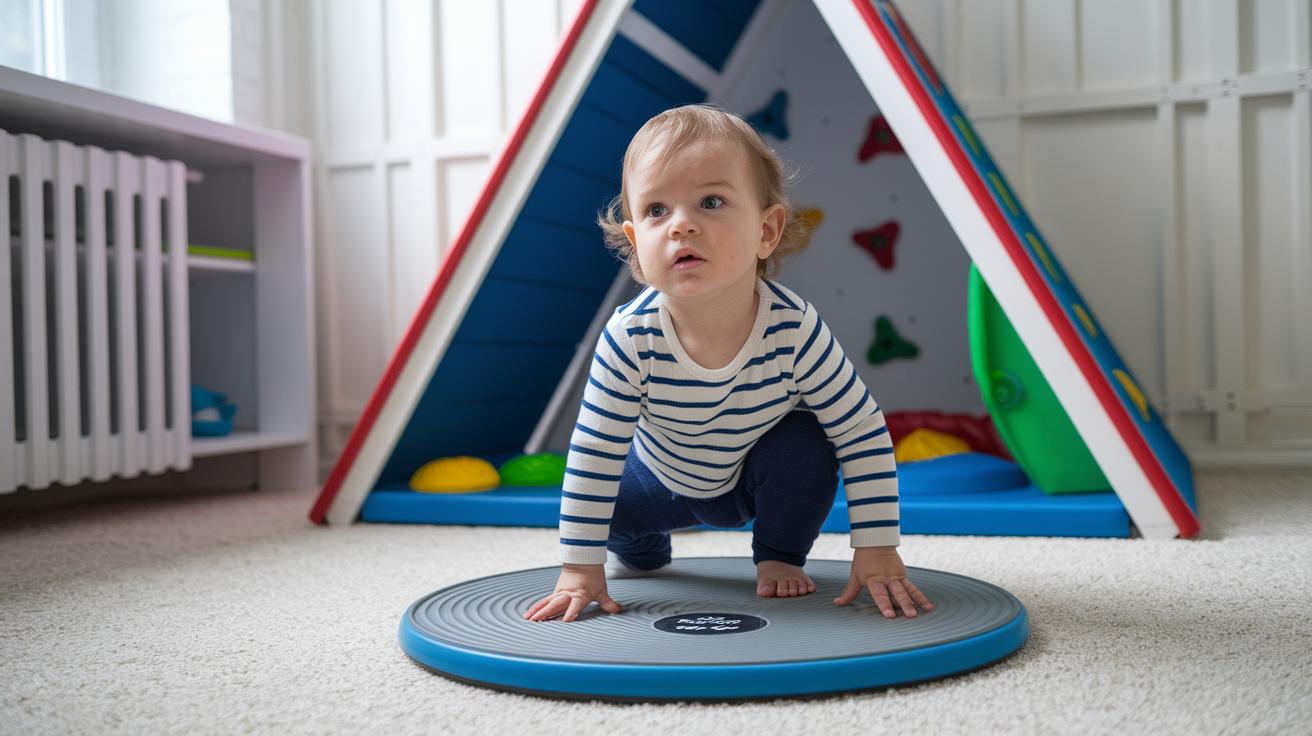
Indoor toys offer a cozy way for little ones to build strength, even when space is tight. In a small playroom, toys like the Montessori Triangle or a Climbing Dome help babies, as young as 8 months, enjoy safe challenges. Imagine a toddler happily using a balance board specially made for a small 3×3 ft space, it's like a mini adventure right at home. Rockers and indoor balance games bring gentle movement that nurtures coordination while keeping playtime secure and fun.
Outside, play becomes a big, joyful journey. Outdoor toys like the colorful Playground Ball are perfect for kids around 18 months and older. Bigger items like the Step2 Sports Climber or classic playhouses require a little more room, about a 5×5 ft space, to let children climb, slide, and explore in a fresh open-air setting. Whether they’re climbing or sliding, these toys boost strength and coordination in a playful, free-form way.
Both indoor and outdoor options offer unique benefits. Indoor toys provide close-up fun and safe challenges when space is limited. Outdoor toys, on the other hand, let kids move freely under sunny skies. Together, these toys create a balanced world of creative play, inspiring happy, heartwarming moments for every family, no matter where the adventure takes place.
Ensuring Safety with Gross Motor Play Gear
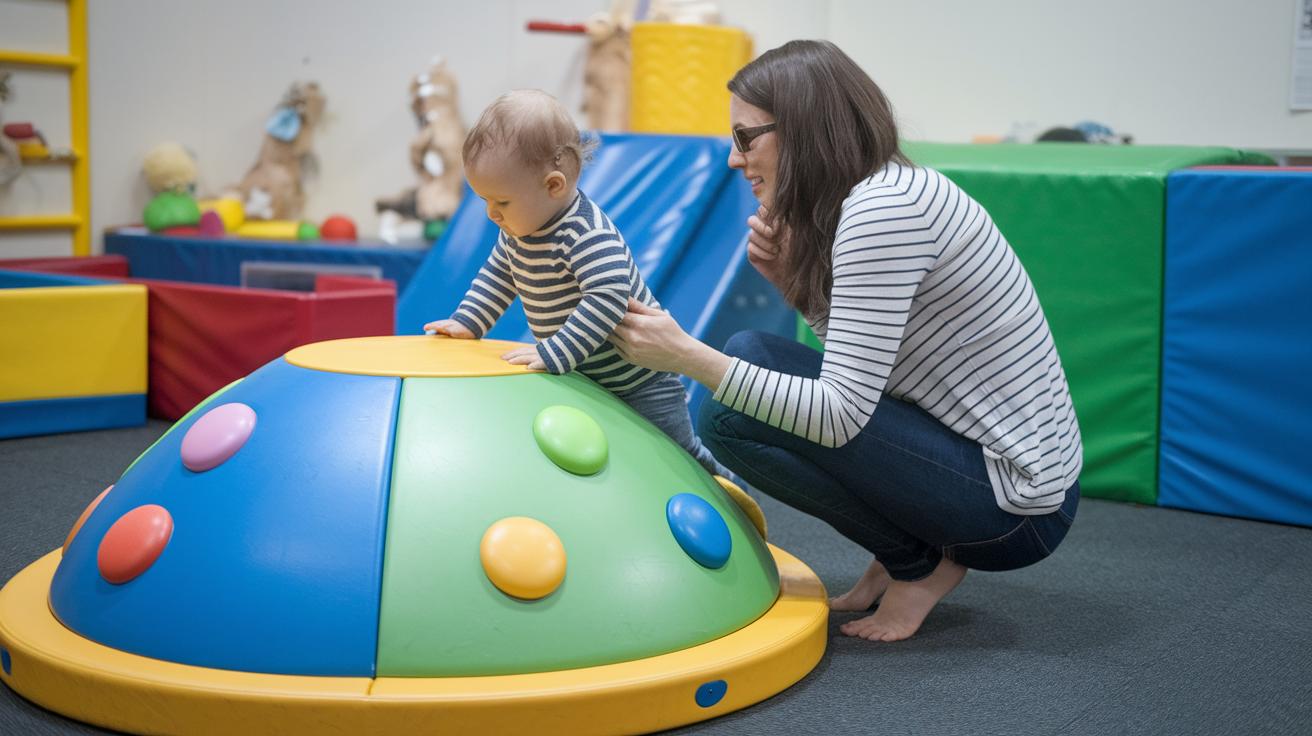
When playtime builds strength and skills, keeping our little ones safe is our top priority. Many of these play systems are designed by caring experts such as physical and occupational therapists. They choose soft, rounded edges and non-toxic materials that meet strict safety guidelines. You can learn more about these standards on Children’s Toy Safety (https://bsnuggs.com?p=593).
It’s a good idea for parents to stay nearby when kids are using climbers or balance beams. Make sure to follow the manufacturer’s assembly instructions and respect the toy’s weight and age limits. For instance, a climber might only support up to 50 lbs.
Creating a clear, hazard-free play space is key. A dedicated area with secure mats under the equipment provides extra comfort as your child jumps, climbs, and slides. Simple steps like these not only boost your confidence in the gear but also let your child explore and play without worry.
With a little adult guidance mixed with these safety tips, every play session becomes a secure and joyful adventure.
Expert-Led Strategies for Enhancing Gross Motor Play

Physical therapists, OTs, and speech experts all say that mixing up exercise-based toys in your child's day can work wonders. They encourage blending safe, playful movement into routines. One expert even mentioned, "Add these fun movement gadgets to everyday moments like snack time transitions so that regular tasks turn into little, active workouts."
Rotating your child’s favorite toys every 2–3 weeks keeps things fresh and engages those growing muscles. It’s a bit like switching up your favorite playlist, each new toy provides an exciting surprise while gently challenging their balance and coordination.
You can also weave movement into daily tasks. Imagine using a creative toy during mealtime clean-up or even between diaper changes. These small moments transform routine activities into joyful ways to build core strength.
Many experts recommend keeping a milestone checklist from 0 to 36 months. This simple tool lets you celebrate each small win and adjust play to boost physical learning. With these expert-led ideas, gross motor play becomes both fun and effective.
Comparing Top Gross Motor Development Toys: Feature Analysis
These toys are here to help your little one move with joy and grow stronger every day. They’re picked to support healthy development by boosting balance and sparking playful movement. Each toy shines in its own special way, whether it helps with early head lifting, encourages sensory play, or builds muscle and balance.
For instance, the Sassy Tummy Time Mirror is a great starter for newborns. It’s built sturdy to help with head lifting and visual tracking. Then there’s the Tummy Time Water Mat, perfect for 3-month-olds. Its engaging texture invites gentle exploration and helps little ones shift their weight as they play. If your toddler is ready for something more active, the Step2 Sports Climber offers fun both indoors and outdoors for an 18-month-old, but it does need a bit of extra space. For families watching their budget, the Playground Ball is a smart pick for 2-year-olds, giving them a chance to kick and toss, though its lightweight design means soft play is best. Lastly, the Strider Balance Bike is a wonderful way for 3-year-olds to practice balance, with an adjustable seat and handlebars; just make sure there’s a safe area to ride.
Below is a detailed table to help you choose the toy that matches your child’s stage and play needs.
| Toy | Price | Age Range | Pros | Cons |
|---|---|---|---|---|
| Sassy Tummy Time Mirror | Varies | Newborn | Durable, helps with head lifting and visual tracking | Needs adult supervision |
| Tummy Time Water Mat | Varies | 3 Months | Engaging texture, promotes reaching and weight shifts | May leak if not handled carefully |
| Step2 Sports Climber | Mid-range | 18 Months | Great for indoor and outdoor play, builds muscle strength | Requires ample play space |
| Playground Ball | <$10 | 2 Years | Budget-friendly, encourages active kicking and tossing | Less durable on rough surfaces |
| Strider Balance Bike | Varies | 3 Years | Adjustable seat and handlebars, ideal for balance training | Needs a safe riding area and supervision |
Final Words
In the action, we jumped right into choosing age-based picks and comparing indoor versus outdoor options. We explored safety details and expert tips to help guide your selections. Every section highlights how toys for gross motor development can boost strength, balance, and fun in daily routines. It’s all about building comfort, safety, and healthy growth through play. Enjoy these moments and watch your little one flourish with every step and smile.
FAQ
What are some good gross motor toys for different age groups?
The gross motor toys vary by age. For 1-year-olds, large trucks encourage crawling; for 2-year-olds, playground balls promote kicking; for 3-year-olds, balance bikes build stability; and for preschoolers, climbers boost strength.
What are the best toys for gross motor development?
The best gross motor toys make play fun and active by combining muscle-building activities with interactive designs. Think push walkers, playhouses, balance boards, and indoor/outdoor climbers that enhance strength and coordination.
What are examples of gross motor skills?
Gross motor skills include crawling, climbing, kicking, and balancing. These actions work together to build strong muscles and improve body control during everyday play.
What activities support gross motor development?
Activities like safe climbing, riding balance bikes, and playing with indoor equipment help develop gross motor skills by strengthening muscles, enhancing coordination, and boosting balance.
Which toys are best for a toddler’s gross motor development?
For a toddler, items like large trucks, push walkers, and playground balls are ideal. They promote essential movements, helping toddlers build muscle strength and refine their balance through playful exploration.
What educational toys aid in gross motor development?
Educational toys that boost gross motor skills combine movement with learning. Interactive climbers and balance boards, for example, improve strength and coordination while also engaging a child’s problem-solving skills.